
Quick Answer: Does Your Baby Actually Need Nutrilin?
Most healthy, full-term infants do not need immediate vitamin supplementation. For the first six months of life, breastmilk or commercially prepared infant formula provides complete, balanced nutrition that meets all of your baby’s developmental requirements.
Nutrilin, a popular brand of pediatric multivitamin drops in the Philippines, is not a mandatory daily requirement for every infant. Instead, it serves as a targeted solution designed to fill specific nutritional gaps, particularly for premature infants, babies with low birth weight, or those diagnosed with specific micronutrient deficiencies.
Administering a multivitamin without a professional recommendation carries real health risks. Unnecessary supplementation can lead to vitamin toxicity, also known as hypervitaminosis, which occurs when excess fat-soluble vitamins accumulate in your baby’s organs.
Products mentioned in this guide
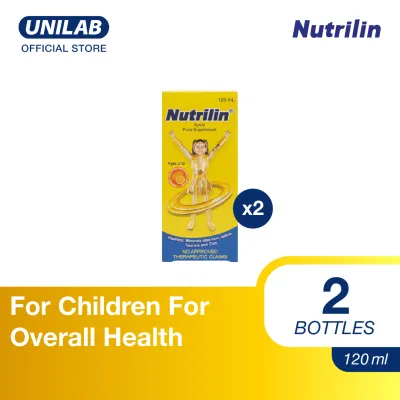
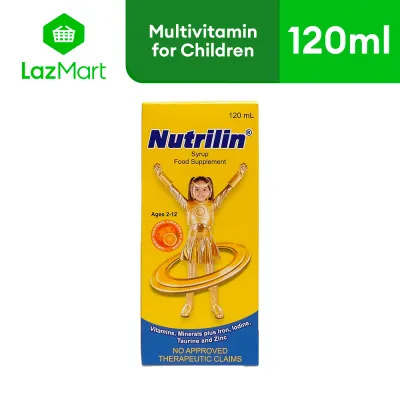
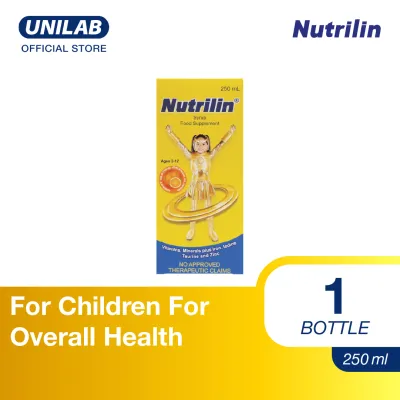
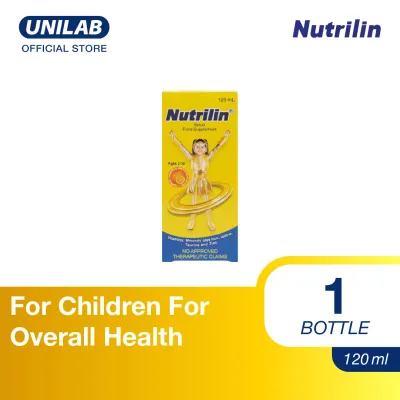
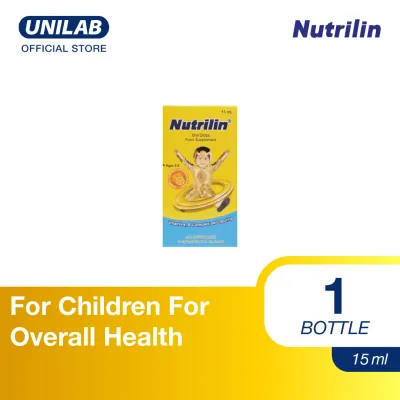
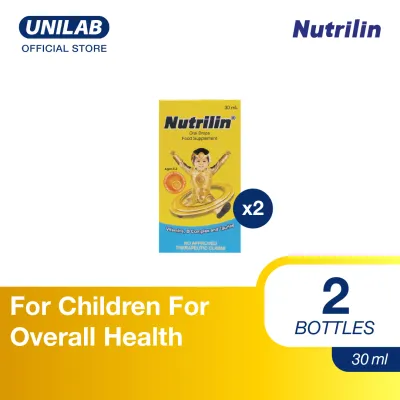
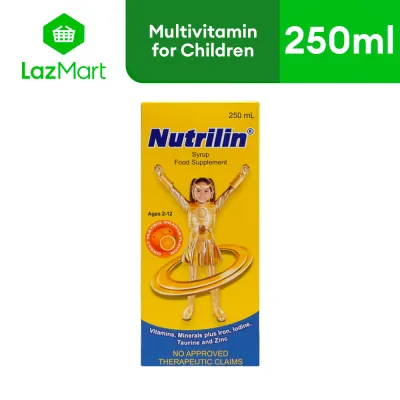
Prices are valid at publication and may change. Please refer to the product page for the latest price.
Therefore, the fundamental decision rule is simple: never start your baby on Nutrilin or any other multivitamin supplement without a pediatrician’s direct assessment, clinical evaluation, and explicit prescription.
Understanding Nutrilin and Infant Vitamin Drops
Nutrilin is a widely recognized brand of pediatric nutritional supplements, typically formulated as oral drops for infants and syrups for older children. It belongs to the broader category of infant multivitamins, which are designed to support normal physical growth, bone development, and immune system function.

These drops generally contain a blend of essential vitamins and minerals, such as Vitamin A, Vitamin D, Vitamin C, and B-complex vitamins, sometimes paired with minerals like zinc. Their primary purpose is to act as a safety net, ensuring that babies who are at risk of dietary shortfalls receive the baseline micronutrients necessary for healthy cellular and metabolic function.
However, not all infant vitamin drops are identical, and formulations under the same brand name can vary significantly. Some variants may focus strictly on a single nutrient like Vitamin D, while others offer a comprehensive multivitamin spectrum with or without iron.
As a caregiver, you must always read the specific product label of the exact bottle you are considering. Verify the age suitability, weight guidelines, and manufacturer warnings, as infant drops are highly concentrated and formulated for specific developmental stages.
Signs Your Baby Might Need a Nutritional Assessment
Recognizing when your baby might require extra nutritional support is a key part of proactive parenting, but it should never lead to self-diagnosis or self-prescription. Instead of using physical signs as a green light to buy supplements, view them as indicators that it is time to schedule a professional clinical evaluation.
Pediatricians use specialized growth charts and physical examinations to determine if a baby’s symptoms stem from a simple dietary gap, an absorption issue, or an underlying medical condition.
Growth, Feeding, and Energy Patterns
One of the most reliable indicators of a baby’s nutritional status is their growth trajectory. If your baby exhibits poor weight gain or a sudden drop in their established growth percentiles despite regular feedings, this warrants immediate medical attention.
Unusual lethargy, where a baby lacks the energy to feed actively or seems constantly fatigued, can also point to systemic nutritional gaps. Conversely, extreme fussiness, crying, or distress during or immediately after feedings may indicate gastrointestinal discomfort or malabsorption, meaning the baby is not processing the nutrients they consume.
In these scenarios, simply adding a multivitamin like Nutrilin will not resolve the root cause. A pediatrician must evaluate the baby’s feeding mechanics, digestive health, and overall caloric intake to design a safe, effective intervention.
Physical and Developmental Indicators
Physical appearance can also offer clues that a pediatrician will analyze during routine check-ups. For example, pale skin, particularly inside the lower eyelids or on the palms, is a classic clinical sign that may suggest iron-deficiency anemia.
Delayed motor milestones, such as a baby struggling to support their head, roll over, or sit up within the expected developmental windows, can sometimes be linked to deficiencies in bone-building or energy-supporting nutrients. Additionally, brittle, dry hair or unusually slow nail growth can occasionally reflect systemic nutritional stress.
Because these physical signs can be caused by a wide variety of environmental, genetic, or medical factors, you should never assume a vitamin drop is the cure. Only a qualified healthcare provider can safely diagnose the issue and prescribe the correct therapeutic dosage of the specific nutrient your baby lacks.
Breastmilk and Formula vs. Supplements: Where Do Gaps Occur?
To understand why pediatricians sometimes recommend supplements, it helps to look at how breastmilk and infant formula deliver nutrients, and where natural gaps can occur.
Breastmilk is widely considered the gold standard of infant nutrition, offering unmatched bioavailability, protective antibodies, and tailored macronutrients. However, breastmilk naturally contains very low levels of Vitamin D, which is essential for calcium absorption and bone mineralization.
In tropical countries like the Philippines, parents are often advised to keep infants out of direct midday sunlight to prevent painful sunburn, skin damage, and heat exhaustion in high humidity. Because safe sun exposure is limited, breastfed infants frequently require a targeted Vitamin D supplement, which a pediatrician will prescribe based on the baby’s specific lifestyle and skin type.
Commercially prepared infant formulas, on the other hand, are strictly regulated and heavily fortified to mimic the nutritional profile of breastmilk, including adequate levels of Vitamin D and iron. Because formula is already a complete nutrient source, giving additional multivitamin drops to a formula-fed baby can easily lead to over-supplementation.
Exceeding the safe upper limits of fat-soluble vitamins like Vitamin A and Vitamin D can cause these compounds to build up in the baby’s liver and tissues, leading to serious health complications.
The transition phase, which begins around six months of age when solid foods (complementary feeding) are introduced, represents another critical nutritional juncture. Around this time, a baby’s natural iron stores accumulated during gestation begin to deplete, and breastmilk alone can no longer meet their rapidly growing iron requirements.
During this phase, pediatricians closely monitor the baby’s diet to ensure they are consuming iron-rich solid foods, and they may recommend targeted iron drops or a multivitamin like Nutrilin if the transition to solids is slow or challenging.
When and How to Consult Your Pediatrician
If you suspect your baby is not getting enough nutrients, taking a structured, collaborative approach with your pediatrician is the safest path forward. Avoid the temptation to buy over-the-counter vitamins based on advertisements or advice from online parenting forums.
Before your clinic visit, track your baby’s daily feeding volume, frequency, wet diaper count, and general mood for three to five days. Having this concrete data helps your pediatrician understand your baby’s actual intake and identify potential feeding obstacles.
Always bring your baby’s health booklet or growth record to the consultation, as the doctor will need to plot their current weight, length, and head circumference against standard growth charts to assess long-term trends.
During the consultation, ask specific, direct questions rather than making general requests. You might ask, “Does my baby’s current growth curve suggest a need for a supplement?” or “Given our feeding routine, does my baby require specific Vitamin D or iron drops?”
If the pediatrician does prescribe Nutrilin or another supplement, strictly follow their directed dosage and administration schedule. Always use the specific dropper or measuring tool provided in the product packaging, as household kitchen spoons vary widely in volume and can easily lead to dangerous dosing errors.
Store all supplements securely out of reach of children, in a cool, dry place away from direct tropical heat and humidity, to preserve the stability and safety of the active ingredients.
Frequently Asked Questions (FAQ)
Can I give Nutrilin to my newborn?
No, you should not give Nutrilin or any multivitamin to a newborn unless it is explicitly prescribed by your pediatrician. Newborns have highly delicate digestive and metabolic systems, and their nutritional needs are almost entirely met by breastmilk or formula. If a newborn requires a supplement, it is typically a single-nutrient drop, such as Vitamin D, rather than a broad multivitamin. Always check the manufacturer’s packaging for the minimum age requirement and consult your doctor before introducing any product.
Will extra vitamins make my baby grow faster or stronger?
No, giving your baby extra vitamins will not accelerate their physical growth, make them crawl earlier, or boost their immune system beyond its normal baseline. A baby’s growth and development are primarily determined by genetics, overall health, and adequate baseline nutrition. Any excess water-soluble vitamins your baby consumes will simply be excreted in their urine, while excess fat-soluble vitamins can accumulate to toxic levels in their body, causing harm rather than health benefits.
Do formula-fed babies still need vitamin drops?
In most cases, healthy, full-term babies who are exclusively formula-fed do not need additional vitamin drops. Infant formulas are carefully engineered and fortified to provide 100% of the recommended daily intake of essential vitamins and minerals. Unless your pediatrician diagnoses a specific medical condition, a malabsorption issue, or notes that your baby is consuming significantly less than the recommended daily volume of formula, adding a multivitamin like Nutrilin is unnecessary and could lead to accidental over-supplementation.
Community discussion
Share your experience or ask a question. Comments are reviewed before publication.