
Nappy cream is not a mandatory step for every single diaper change. In tropical climates like the Philippines, where high heat and humidity can easily cause temporary sweating and mild chafing, babies often experience fleeting redness that resolves with simple hygiene adjustments. True diaper rash, however, is an inflammatory skin condition that benefits from a targeted barrier cream. By closely observing your baby’s skin signals and understanding the difference between minor irritation and an active rash, you can avoid over-applying products and let your baby’s skin breathe naturally.
How to Tell Normal Irritation from Diaper Rash
Visual checks are your first line of defense when assessing your baby’s skin. Normal irritation often looks like a light, flat pinkness localized to areas where the diaper edges rub against the thighs or waist. This mild chafing typically fades quickly once the diaper is loosened or removed. In contrast, true diaper rash presents as widespread, bright red inflammation, raised bumps, scaling, or even raw, broken skin. It often concentrates in the skin folds or across the entire diaper-covered area.
Pay close attention to how your baby reacts during diaper changes. Mild irritation might cause slight fussiness when you wipe the area, but the discomfort quickly subsides once the clean diaper is on. If your baby has a true diaper rash, they may cry persistently, arch their back, or show clear signs of distress and pain when the skin is touched, cleaned, or even when a fresh diaper is fastened.
Products mentioned in this guide
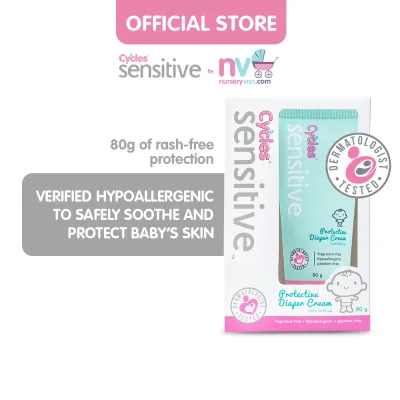
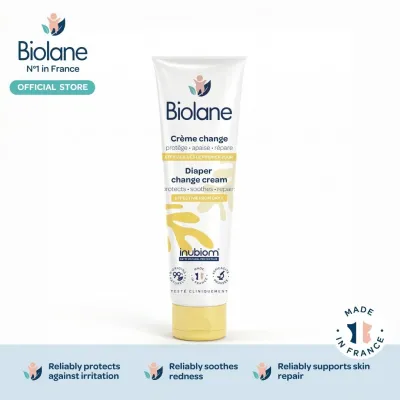

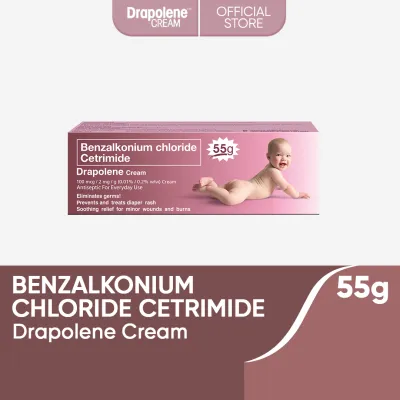

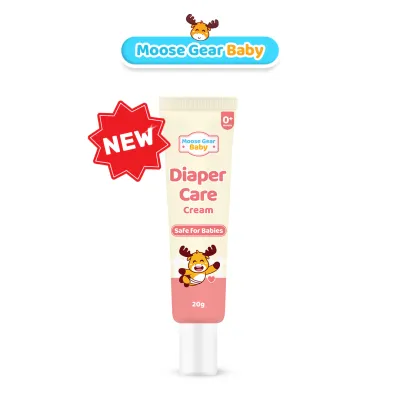
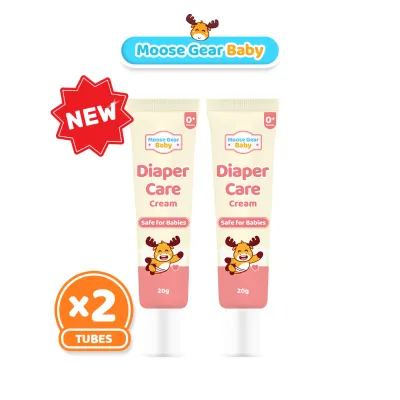
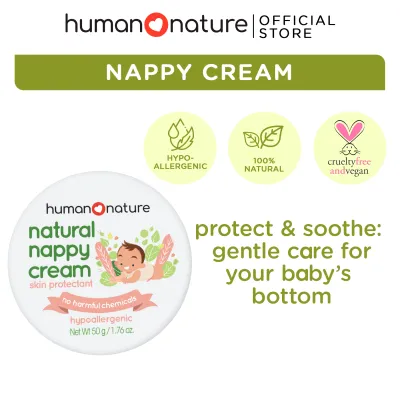
Prices are valid at publication and may change. Please refer to the product page for the latest price.
The duration and progression of the redness will also guide your care decisions. Fleeting redness from heat or a slightly wet diaper usually resolves within a few hours of air exposure or after a quick change. If the redness worsens, spreads, or persists for more than a day despite frequent diaper changes, it has likely progressed to a diaper rash that requires active management.
When You Actually Need Nappy Cream
When early signs of a true rash appear, a dedicated nappy cream becomes essential to shield compromised skin. Creams containing zinc oxide or petroleum-based ingredients act as a physical barrier, blocking moisture, urine, and stool from directly contacting the irritated skin. This protective layer is especially crucial during overnight sleep when diaper changes are less frequent and the skin is exposed to moisture for longer periods.

If standard barrier methods do not soothe the skin, you may need to look for specific soothing or medicated creams. Always check the product labels carefully for age limits, weight recommendations, and specific usage instructions. Avoid using medicated or steroid-containing creams without a direct recommendation from a healthcare professional, as a baby’s thin skin absorbs substances rapidly.
Daily preventive application of nappy cream is not always necessary for every baby. If your baby has highly sensitive skin or is prone to frequent flare-ups, a thin layer of barrier cream can be helpful. However, if your baby’s skin is clear and healthy, skipping the cream and focusing on dry, clean skin is often the best approach to maintain the natural skin barrier.
Care Adjustments That Can Replace or Reduce Cream Use
In hot and humid environments, sweat and urine combine to create a prime environment for skin breakdown. Increasing the frequency of diaper changes is the most effective way to minimize prolonged moisture exposure. Change the diaper immediately after every bowel movement and at regular, frequent intervals throughout the day.
Avoid harsh rubbing or scrubbing during changes, which can strip the skin of its natural oils. Instead, use lukewarm water and a soft, clean cloth, or opt for fragrance-free, alcohol-free baby wipes. Gently pat the skin dry rather than wiping aggressively, ensuring you do not irritate the delicate skin barrier further.
One of the simplest and most effective remedies is diaper-free time. Allow your baby’s skin to air-dry completely before putting on a fresh diaper. Laying your baby on a clean, waterproof mat for a few minutes of diaper-free play allows air to circulate and naturally dries the skin folds.
Ensure the diaper is the correct size and fit for your baby’s current growth stage. A diaper that is too tight restricts airflow and causes friction bands around the waist and thighs, trapping heat and moisture. Consider trying different diaper materials or upgrading to a larger size to improve ventilation and reduce chafing.
When to Stop Home Care and See a Pediatrician
While home care is highly effective for mild to moderate irritation, certain symptoms require immediate professional medical evaluation. Stop applying over-the-counter creams and consult a pediatrician if you notice blisters, pus-filled bumps, bleeding, open sores, or if the rash spreads significantly beyond the diaper area to the abdomen or limbs.
If the rash does not improve or continues to worsen after two to three days of consistent home care, frequent changes, and barrier cream application, it is time to seek professional advice. Continued inflammation despite these measures may indicate an underlying issue that requires targeted medical treatment.
Watch for systemic signs of infection that require prompt attention. If your baby develops a fever, becomes unusually lethargic, or if the rash exhibits a bright red, bumpy pattern with distinct satellite spots, seek medical care immediately. Never apply strong medicated treatments without a doctor’s explicit guidance.
Frequently Asked Questions (FAQ)
Can I use nappy cream with every diaper change?
Routine use of nappy cream with every single diaper change is generally unnecessary unless your baby is actively healing a rash or has extremely sensitive skin. Over-applying cream can create a thick buildup that traps moisture against the skin and prevents proper airflow. It is usually best to let the skin breathe naturally and reserve cream for times when redness begins to appear or during long stretches of sleep. Always check the manufacturer’s guidelines on the product label for specific daily use recommendations.
Should I wipe off the old nappy cream before applying a new layer?
You do not need to scrub off every trace of clean, white barrier cream during a wet-only diaper change, as aggressive wiping can further irritate sensitive skin. Simply wipe away any soiled cream, urine, or stool gently using a soft, damp cloth or a fragrance-free wipe. If a clean, intact layer of barrier cream remains on the skin, you can safely apply a fresh, thin layer directly over it. If the cream has become dirty or contaminated with stool, gently cleanse the entire area completely before reapplying.
Community discussion
Share your experience or ask a question. Comments are reviewed before publication.