
Caring for a baby’s skin in a tropical climate presents unique challenges. While the high humidity in the Philippines can keep skin relatively moist, the frequent transition between outdoor heat and dry, air-conditioned indoor spaces often disrupts a baby’s delicate skin barrier. When rough patches, redness, or persistent itching appear, parents are left wondering if a standard daily lotion is enough or if it is time to step up to a specialized product like Aveeno Baby Dermexa. Deciding between basic hydration and targeted eczema care depends on closely observing your baby’s skin behavior, understanding key ingredient formulations, and knowing when to seek professional medical advice.
Recognizing the Signs: When Basic Moisturizers Fall Short
Standard baby lotions are excellent for maintaining healthy, normal skin, but they are not always formulated to repair a compromised skin barrier. One of the first signs that your baby needs more than basic hydration is the persistence of dry, rough patches. If you apply a standard baby lotion multiple times a day and the skin still feels dry or scaly within an hour, the current product is likely failing to lock in moisture effectively.
Behavioral cues are equally telling. Babies cannot always communicate their discomfort verbally, but they will show it through their actions. Watch for frequent scratching, rubbing of the face or limbs against bedsheets, or general fussiness during diaper changes and dressing. This persistent discomfort often points to an underlying itch-scratch cycle that standard cosmetic lotions cannot soothe.
Products mentioned in this guide
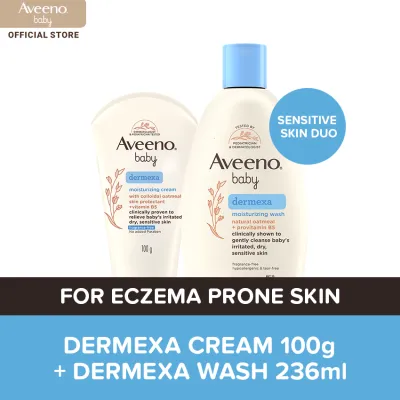
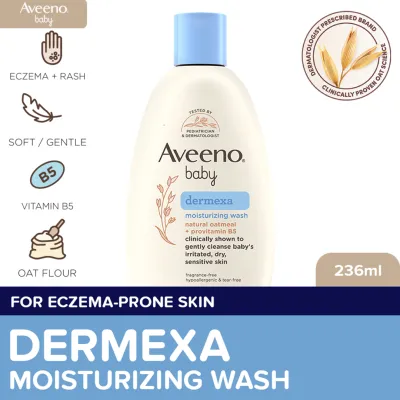
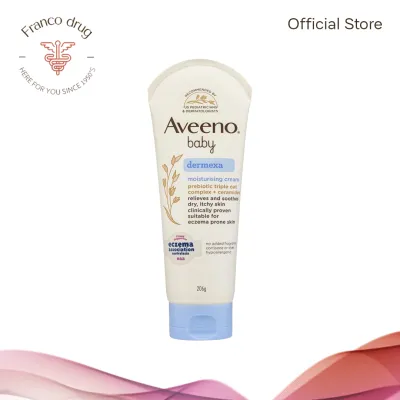
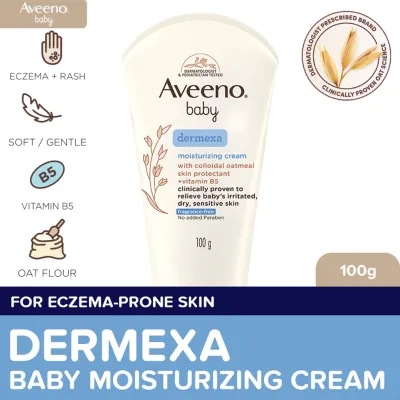
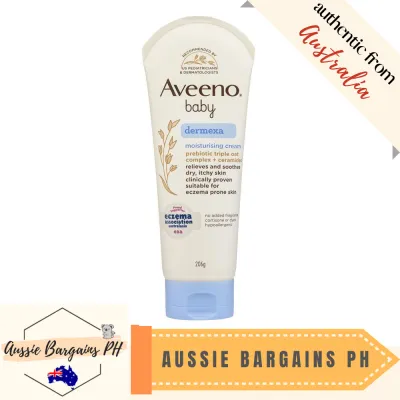
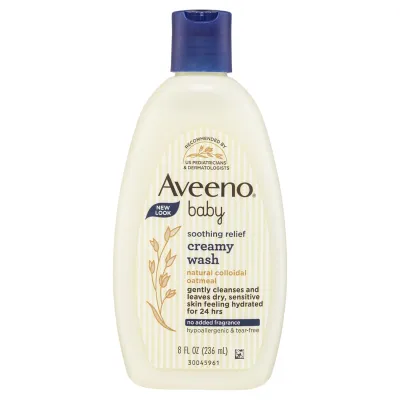
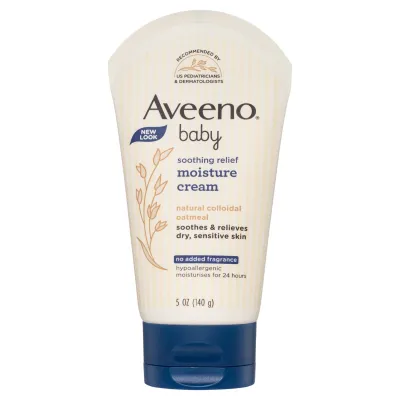
Prices are valid at publication and may change. Please refer to the product page for the latest price.
You should also inspect the specific areas where irritation occurs. In infants, dry and red patches commonly appear on friction points such as the cheeks, elbows, and knees. If these areas look unusually red, feel rough like sandpaper, or show signs of scaling, your baby’s skin barrier may need specialized support to prevent further moisture loss and environmental irritation.
Finally, pay attention to how quickly products absorb. If a basic lotion disappears instantly but leaves the skin looking dry and unprotected shortly after, it lacks the barrier-forming properties required for highly sensitive or eczema-prone skin. Specialized creams are designed to leave a protective layer that continues to shield the skin long after application.
Specialized Eczema Care vs. Daily Hydration: What to Look For
Understanding the functional differences between everyday baby lotions and specialized eczema formulations helps you make an informed purchase. The primary difference lies in the ingredient list. While daily moisturizers rely on simple humectants like glycerin to draw water into the skin, specialized eczema creams incorporate barrier-supporting and soothing agents. Look for ingredients such as colloidal oatmeal, which is known to soothe irritation, and ceramides, which help rebuild the skin’s natural protective barrier.

Texture and consistency also set these products apart. Daily lotions are typically lightweight and high in water content, making them easy to spread over the entire body after a bath. In contrast, specialized creams like Aveeno Baby Dermexa are significantly thicker and more emollient. This dense consistency is intentional, as it creates a physical seal over the skin to lock in moisture and block external irritants.
It is also important to distinguish between routine prevention and active management. Daily hydration is meant to maintain already healthy skin and prevent mild dryness. Specialized care, however, is formulated to manage active flare-ups, intense itching, and extreme sensitivity. Using a heavy, specialized cream when your baby has normal skin might feel greasy, while using a light lotion during an eczema flare-up will likely offer little to no relief.
Always review the manufacturer’s packaging claims carefully. Products designed for eczema-prone skin will explicitly state their suitability for extremely dry, itchy, or sensitive skin. They are also more likely to be formulated without added fragrances, parabens, or common irritants that could trigger a reaction on an already compromised skin barrier.
Evaluating Aveeno Baby Dermexa for Your Baby's Skin Needs
If you are considering Aveeno Baby Dermexa, a systematic evaluation will help you determine if it is the right fit for your household. Start by reading the complete ingredient list on the packaging. Even specialized products can contain ingredients that might not agree with your baby’s specific skin profile. Ensure there are no known allergens or botanical extracts that your baby has previously reacted to.
Before applying any new specialized cream to your baby’s entire body, perform a localized patch test. Apply a small, pea-sized amount of the cream to a discreet area, such as the inner forearm or the side of the neck. Observe the area closely for 24 to 48 hours. If you notice any increased redness, swelling, or signs of irritation, discontinue use immediately and consult your pediatrician.
Next, verify the age recommendations and usage instructions provided by the manufacturer. Some specialized creams are suitable from birth, while others may have specific age guidelines or application limits. Ensuring the product aligns with your baby’s developmental stage is a crucial safety step that should never be overlooked.
Budget is another practical factor to consider. Specialized skincare products often carry a higher price tag than standard baby lotions. Calculate the cost-per-use by estimating how quickly you will go through a tube, especially if your baby requires multiple applications daily. If upgrading to a specialized cream fits your household budget, it can be a worthwhile investment for managing persistent skin discomfort. In local baby specialty stores or online marketplaces, prices can vary, so checking the cost of a standard tube (often priced in ₱) helps in planning your monthly baby care expenses.
Red Flags: When to Pause Skincare and Consult a Pediatrician
While over-the-counter specialized creams can help manage mild dryness and sensitivity, they have clear limitations. You must stop using any cosmetic skincare product and seek immediate medical advice if you observe signs of a skin infection. These signs include weeping sores, yellow crusting, pus, or skin that feels unusually hot to the touch. These symptoms indicate a medical issue that requires professional diagnosis and treatment, such as prescription topical antibiotics.
You should also consult a pediatrician or a pediatric dermatologist if your baby’s daily life is disrupted. If persistent itching prevents your baby from sleeping soundly, interferes with feeding, or causes constant fussiness throughout the day, at-home cosmetic care is not sufficient. A professional can assess whether your baby requires prescription-strength topical treatments to break the inflammatory cycle.
It is vital to recognize that specialized cosmetic creams are designed for skin maintenance and support, not medical treatment. They cannot replace prescription topical steroids or other medical therapies prescribed for moderate to severe eczema. Relying solely on over-the-counter creams for severe conditions can delay proper healing and prolong your baby’s discomfort.
Finally, establish a reasonable trial period for any new skincare routine. If you have consistently applied a specialized cream according to the package instructions for two weeks and see no visible improvement in your baby’s skin texture or comfort level, pause the application. Consult your pediatrician to re-evaluate the skin condition and discuss a targeted treatment plan.
Frequently Asked Questions (FAQ)
Can I use specialized eczema creams on a newborn?
Newborn skin is incredibly thin and its natural barrier is still developing, making it highly sensitive to external products. Before applying any specialized eczema cream to a newborn, always check the manufacturer’s packaging for the minimum age recommendation. Because of the delicate nature of newborn skin, it is highly recommended to consult your pediatrician before introducing any specialized skincare formulas to an infant under one month old.
Should I apply eczema creams only during flare-ups or daily?
The frequency of application depends on the specific product formulation and your baby’s current skin condition. Some specialized creams are designed for daily maintenance to help prevent future dryness, while others are concentrated formulas intended only for active flare-ups. Read the product instructions carefully, and adjust your routine based on environmental factors; for instance, dry air from air conditioning in the Philippines may require more frequent daily application to maintain a strong skin barrier.

Community discussion
Share your experience or ask a question. Comments are reviewed before publication.