
Your baby may benefit from an anti-colic bottle if they consistently swallow excess air during feedings, leading to painful trapped gas, fussiness, and frequent spitting up. However, not every infant requires specialized feeding gear. Many babies experience mild, normal digestive adjustments as their bodies mature, which can be managed with simple feeding posture changes and pacing. Determining whether to make the switch depends on observing your baby’s specific physical cues during and after feeding, understanding the difference between typical newborn development and true colic, and checking how they respond to basic feeding adjustments.
Recognizing the Signs Your Baby Might Need an Anti-Colic Bottle
Feeding time should ideally be a calm, bonding experience, but excess air intake can quickly turn it into a stressful ordeal. When a baby swallows too much air while feeding, the gas bubbles become trapped in their developing digestive tract, causing sudden discomfort. Parents can look for specific physical cues during the feed itself, such as the baby repeatedly pulling away from the nipple, fussing, or arching their back in frustration.
These behaviors often occur because the baby is struggling to manage the flow of milk or is swallowing air pockets along with the liquid. You might notice your baby gulping rapidly, making clicking sounds while sucking, or letting milk spill from the corners of their mouth. In the warm, humid climate of the Philippines, this extra physical exertion during feeding can leave both you and your baby feeling hot, sweaty, and exhausted.
Products mentioned in this guide


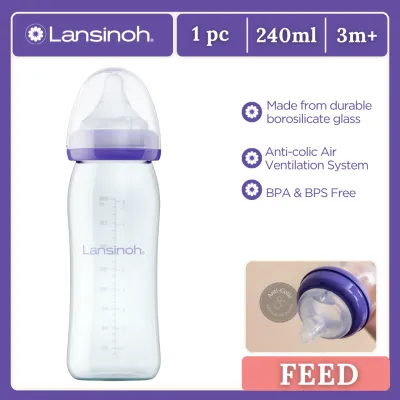
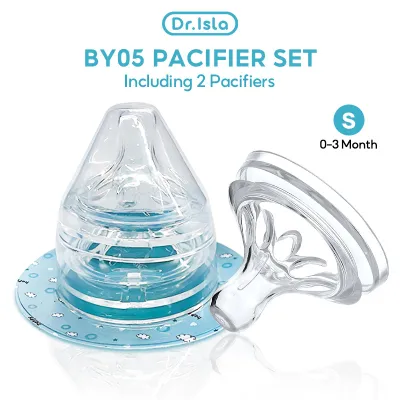
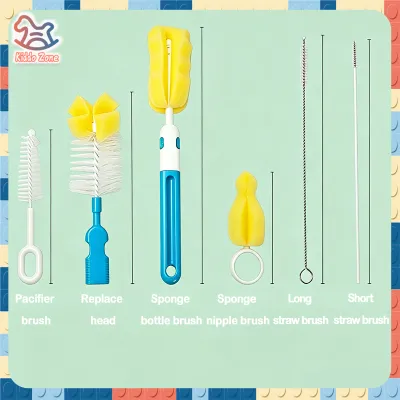
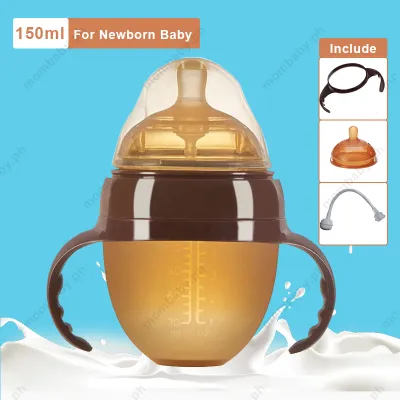
Prices are valid at publication and may change. Please refer to the product page for the latest price.
After feeding, the signs of trapped gas become more pronounced as the air moves deeper into the digestive system. A baby with trapped gas will often cry intensely shortly after eating, draw their legs up toward their chest in an attempt to relieve pressure, and present a visibly hard, bloated belly. They may also pass gas frequently or struggle to burp, even after extended upright holding and gentle patting.
Paying close attention to the timing of these crying episodes is crucial. If the fussiness and physical discomfort consistently peak during or immediately after feeding times, it suggests that the feeding process itself—and potentially the bottle design—is contributing to the air intake. Tracking these patterns over several days can help you decide if a change in feeding equipment is warranted.
Normal Feeding Adjustments vs. True Colic Symptoms
It is entirely normal for newborns to experience some level of digestive noise, mild gas, and occasional spit-up as their gastrointestinal systems mature. In the first few months of life, the lower esophageal sphincter—the muscle that keeps stomach contents down—is still developing, which naturally leads to harmless regurgitation. This typical “wet burp” or mild spit-up usually does not bother the baby, who may continue to smile and gain weight normally despite the laundry challenges it creates.

Similarly, passing gas and grunting are standard parts of an infant learning how to coordinate their pelvic floor muscles to move digestion along. Unless these actions are accompanied by intense, prolonged crying or signs of physical pain, they generally represent normal developmental milestones rather than a medical issue or a need for specialized bottles.
True colic, on the other hand, is characterized by a specific pattern of intense, inconsolable crying in an otherwise healthy infant. Pediatricians often refer to the “rule of threes” to help define colic: crying that lasts for more than three hours a day, occurs more than three days a week, and persists for more than three weeks. This crying often starts suddenly, typically in the late afternoon or evening, and seems to have no clear trigger or easy remedy.
Distinguishing between normal developmental fussiness and true colic helps prevent unnecessary anxiety and premature changes to your feeding routine. While an anti-colic bottle can help reduce the extra air that exacerbates gas pain, it is not a universal cure for colic, which is a complex condition with multiple contributing factors. Observing whether your baby’s distress is tied strictly to feeding or follows a broader, daily rhythmic pattern will guide your next steps.
How Anti-Colic Bottles Work to Reduce Discomfort
Anti-colic bottles are engineered with specialized venting systems designed to address the primary source of feeding-induced gas: vacuum buildup inside the bottle. In a standard baby bottle, as the baby drinks, a vacuum forms inside the container, making it harder for milk to flow. This forces the baby to suck harder, break their seal on the nipple, and swallow a significant amount of air in the process.
To prevent this, anti-colic designs utilize internal straw vents, bottom valves, or specialized nipple valves that direct incoming air away from the milk and toward the bottom of the bottle. This continuous airflow system ensures a consistent, bubble-free liquid flow, allowing your baby to feed continuously without swallowing air pockets. By keeping air out of the milk, these systems help minimize the volume of gas that enters your baby’s stomach.
In addition to venting mechanisms, the shape and flow rate of the nipple play a critical role in reducing air intake. A wide-neck nipple that mimics the natural shape of a breast can encourage a wider, more secure latch, preventing air from leaking in through the corners of the mouth. Selecting the correct flow rate—ensuring the milk does not flow too quickly or too slowly—helps the baby swallow comfortably and maintain a relaxed feeding pace.
While these mechanical features are highly effective at reducing swallowed air, parents must understand their limitations. An anti-colic bottle is a tool to manage air intake; it cannot cure underlying medical conditions such as gastroesophageal reflux disease (GERD) or cow’s milk protein allergies. If your baby’s discomfort stems from an allergy or a physiological issue, changing the bottle design will not resolve the root cause.
When to Try an Anti-Colic Bottle and When to Consult a Pediatrician
Before investing in a complete set of specialized bottles, it is wise to test simple, cost-free feeding adjustments. Start by evaluating your baby’s feeding posture; holding them in a more upright position (at least a 45-degree angle) during feeds allows gravity to keep milk at the bottom of the stomach and air at the top. Additionally, ensure you are pausing frequently during and after the feed to practice thorough burping techniques, giving trapped air a chance to escape early.
You should also check the flow rate of your current bottle nipples. If the nipple flow is too fast, your baby may gulp and swallow air to keep up; if it is too slow, they may suck aggressively and draw air around the seal. Adjusting the nipple size to match your baby’s developmental stage can often resolve mild feeding difficulties without requiring a completely new bottle system.
When selecting any feeding equipment, always verify the recommended age range, weight guidelines, and specific method of use in the manufacturer’s documentation, as suitability should never be assumed from the product name alone. Additionally, parents should independently verify any safety standards, material certifications, or recent product recalls listed on the packaging before introducing a new bottle to their baby.
If these adjustments do not bring relief and your baby continues to show signs of feeding-related gas, transitioning to an anti-colic bottle is a reasonable next step. However, it is vital to monitor your baby for red flags that require immediate medical evaluation rather than a change in feeding gear. If your baby exhibits poor weight gain, forceful or projectile vomiting, blood in their stool, a fever, or unusual lethargy, you must seek professional medical care immediately.
Always consult a pediatrician before making major changes to your baby’s feeding regimen, such as switching formulas or introducing specialized dietary supplements. A qualified professional can help rule out underlying medical issues and ensure that your baby’s symptoms are managed safely and effectively. Remember that while a specialized bottle can be a helpful tool, it is just one part of a comprehensive approach to your baby’s digestive comfort.
Frequently Asked Questions (FAQ)
Can an anti-colic bottle completely stop my baby from spitting up?
No, an anti-colic bottle cannot completely eliminate spitting up. While these bottles are designed to reduce the amount of swallowed air—which can push milk back up when a baby burps—mild regurgitation is a normal physiological process. Most infants have an immature lower esophageal sphincter that naturally allows small amounts of stomach contents to escape. As long as your baby is happy, growing well, and not in pain, occasional spit-up is normal and will typically resolve as their digestive system matures.
Do I need to use an anti-colic bottle for every feed?
Using the anti-colic bottle consistently for every feed is highly recommended when you are trying to evaluate its effectiveness. Consistency allows you to accurately observe whether the specialized design is truly reducing your baby’s gas and discomfort. Once your baby’s digestive system matures—typically around six months of age—and they become more efficient at feeding and releasing gas, you can gradually test transitioning back to standard bottles to see if they can feed comfortably without the extra venting parts.
Community discussion
Share your experience or ask a question. Comments are reviewed before publication.