
Watching your baby take their first wobbly steps is an exciting milestone, but it often comes with the anxiety of sudden slips and tumbles. While most healthy babies do not strictly require a head protector to develop normally, certain situations—such as navigating hard tile floors or managing a highly active crawler—make these cushioned accessories a popular choice for peace of mind. Deciding whether to use one depends on your baby’s specific developmental stage, their unique movement patterns, and the layout of your home.
Every child develops at their own pace, and minor bumps are a natural part of learning to navigate gravity. However, understanding when a protector might offer temporary support and when it is entirely unnecessary can help you make an informed decision. By evaluating your baby’s daily environment and physical milestones, you can determine the best way to keep them safe while supporting their natural motor skills.
Understanding the Two Types of Baby Head Protectors
Before purchasing any gear, it is essential to distinguish between everyday fall-protection accessories and medical devices. Everyday fall protectors, such as padded plush backpacks or soft foam safety helmets, are designed solely to cushion minor bumps during active, supervised play. These commercial items are not medical tools and should only be worn when your baby is awake and moving around.
Products mentioned in this guide
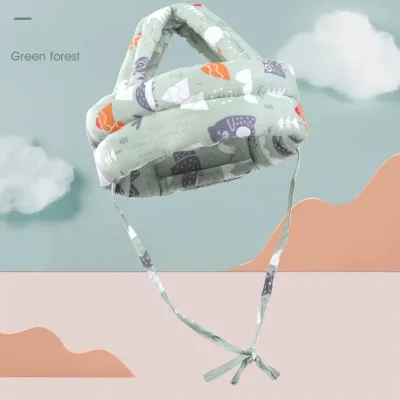
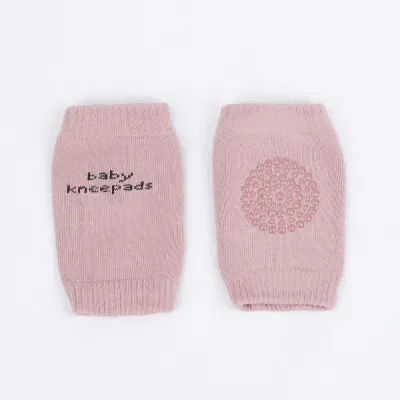
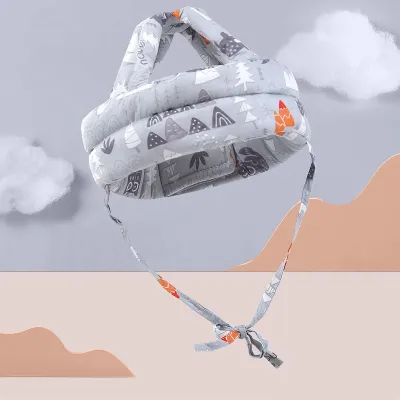
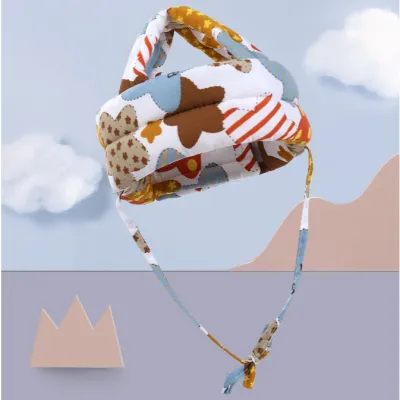
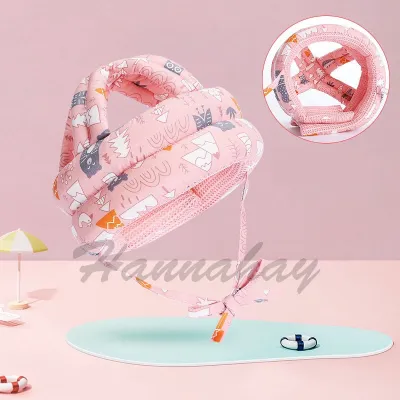
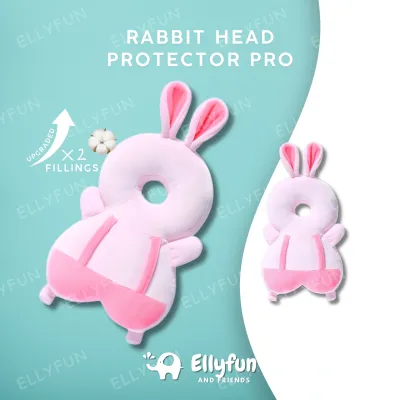
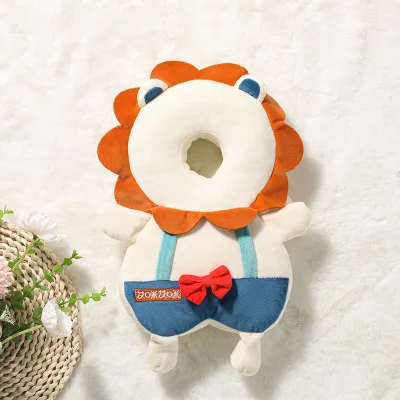
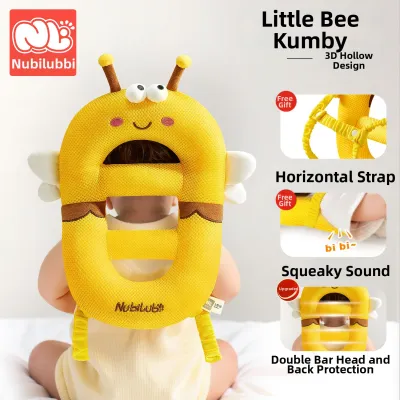
Prices are valid at publication and may change. Please refer to the product page for the latest price.
In contrast, medical cranial orthoses are custom-molded helmets prescribed by pediatricians or pediatric specialists. These specialized devices are engineered to treat specific skull shape conditions, such as positional plagiocephaly or craniosynostosis, by gently directing bone growth over time. They are worn for most of the day and night under strict medical supervision.
Parents must understand that over-the-counter commercial protectors or head-shaping pillows cannot treat, correct, or prevent medical head shape conditions. If you are concerned about the physical shape of your baby’s skull, commercial walking gear will not address the underlying issue, and you should seek professional medical guidance instead. Using the wrong product for a medical concern can delay proper treatment.
Signs Your Baby Might Benefit from a Fall Prevention Protector
As babies transition through early physical milestones, their center of gravity constantly shifts, making them prone to sudden tumbles. If your little one is currently learning to sit independently, crawling, or pulling themselves up to stand, they are in a highly transitional phase where balance is still developing. During these weeks, a soft protector can help soften the impact of minor, everyday falls.

Observe your baby’s specific behavioral patterns during play. Some infants tend to tumble backward frequently when trying to look up at toys or caregivers, while others might throw themselves backward onto the floor when frustrated or excited. If your baby exhibits these sudden, unpredictable backward movements, a backpack-style cushion can provide a helpful buffer.
Your home environment also plays a major role in this decision. In tropical climates like the Philippines, homes frequently feature hard ceramic tile, polished concrete, or uncarpeted hardwood floors to keep indoor spaces cool. If your living area consists primarily of these hard surfaces and you cannot completely cover every walking path with thick foam play mats, a lightweight head protector can offer temporary protection during active exploration.
Additionally, if your home has structural hazards like low wooden steps, raised thresholds, or furniture with sharp edges that cannot be easily baby-proofed, a protector can serve as an extra layer of defense. While it does not replace baby-proofing, it can reduce the severity of minor impacts while your baby is still mastering their footing.
When Head Shape Concerns Require Professional Evaluation
Many parents mistake a flat spot on their baby’s head for a problem that can be solved with a commercial cushion. Positional plagiocephaly, often characterized by a noticeable flat area on the back or side of the skull, sometimes accompanied by a slight misalignment of the ears, requires careful monitoring. These structural concerns cannot be corrected by retail head protectors or commercial head-shaping pillows.
In fact, commercial head-shaping pillows pose significant safety hazards. Pediatric health authorities warn that placing any loose pillows, cushions, or positioning devices in a baby’s sleep environment increases the risk of suffocation and Sudden Infant Death Syndrome (SIDS). Furthermore, these soft retail pillows lack the structural integrity required to safely and effectively guide developing cranial bones.
If you notice persistent flat spots, asymmetry in your baby’s facial features, or if your baby consistently favors turning their head to only one side, stop relying on home remedies. Schedule a physical assessment with your pediatrician. A qualified professional can evaluate your baby’s neck muscles and skull development to determine if physical therapy or a prescribed medical cranial orthosis is necessary.
Early intervention is key when addressing skull development concerns. Pediatricians can guide you on safe, evidence-based practices such as supervised tummy time, alternating your baby’s head position during supervised waking hours, and minimizing time spent in infant carriers or swings. These active, professional strategies are far safer and more effective than any retail product.
Signs Your Baby Does NOT Need a Head Protector
Not every baby needs to wear protective gear, and in many cases, it is entirely unnecessary. Pre-mobile infants who cannot yet roll over, sit up, or pull themselves to a standing position do not face the risk of falling from their own height. Introducing a head protector to a newborn or young infant is unnecessary and can restrict their natural head movement and muscle development.
Similarly, older toddlers who have already achieved stable, confident walking do not require these accessories. Once a child has developed good spatial awareness, can navigate obstacles smoothly, and knows how to catch themselves with their hands during a slip, they have outgrown the need for extra cushioning. Allowing them to move freely helps refine their natural balance and protective reflexes.
Under no circumstances should a baby wear a commercial head protector while sleeping, resting in a crib, or riding in a car seat. Using these products in a crib introduces severe suffocation risks, while wearing them in a car seat can interfere with the proper fit of the safety harness, compromising your child’s safety during travel. Always remove all play gear before sleep or travel.
If your home is fully carpeted or covered in thick, interlocking foam play mats, the natural cushioning of your environment is already sufficient. In these setups, the minor bumps your baby experiences while learning to sit or crawl are highly unlikely to cause harm. Allowing them to experience these small, low-impact slips helps them learn spatial boundaries naturally.
Safety Rules and Limitations to Keep in Mind
If you choose to use a commercial head protector, remember that it is never a substitute for active, close-range adult supervision. Padded gear can cushion minor bumps, but it cannot prevent serious injuries from high falls, stairs, or sharp furniture corners. Keep a watchful eye on your baby at all times during their active play sessions.
Before purchasing, check the product label and manufacturer instructions to verify the recommended age and weight limits. The protector must be exceptionally lightweight so it does not place unnecessary strain on your baby’s developing neck muscles. If your baby’s head droops or if they seem to struggle to hold their head upright while wearing the gear, remove it immediately.
Pay close attention to breathability and temperature control, particularly in warm and humid tropical climates. Padded backpacks and helmets can trap body heat quickly, leading to sweating, discomfort, or heat rash. Limit the use of these protectors to short play sessions in well-ventilated or air-conditioned rooms, and check your baby’s skin regularly for signs of overheating.
Frequently Asked Questions (FAQ)
Can a regular head protector fix a flat head?
No, a regular commercial head protector or retail shaping pillow cannot correct a flat head. These products are designed only to cushion minor impacts during active play and lack the medical engineering required to safely reshape cranial bones. If you are concerned about your baby’s head shape, consult your pediatrician for a professional evaluation and appropriate treatment options.
At what age should I stop using a walking head protector?
You should phase out the use of a walking head protector as soon as your baby demonstrates stable, confident walking and fewer backward falls. This transition typically occurs when they develop better spatial awareness and learn to use their hands to break a fall. Prolonged use of protective gear can delay the development of these natural balance reflexes and self-protection habits.
Community discussion
Share your experience or ask a question. Comments are reviewed before publication.