
The arrival of a newborn brings a flurry of decisions, especially when setting up a comfortable nursery. Among the most common dilemmas for new mothers is deciding whether to invest in a dedicated breast feeding chair or if a highly portable nursing pillow paired with an existing household chair will suffice. While a specialized chair offers tailored ergonomic benefits, it represents a significant financial and spatial investment. Conversely, a nursing pillow is a cost-effective, versatile tool that can adapt to various seating arrangements.
Ultimately, a dedicated breast feeding chair is an ergonomic luxury rather than an absolute necessity, whereas a high-quality nursing pillow paired with a supportive, well-proportioned existing chair works perfectly for the majority of mothers. The right choice for your home depends on three primary factors: your physical comfort and any existing pain, the frequency and duration of your feeding sessions, and your household space and budget constraints. By evaluating these aspects, you can create a highly functional feeding station that supports your body and fits your lifestyle.
Signs You Should Invest in a Breast Feeding Chair
While many mothers find success with standard household furniture, certain physical and situational indicators suggest that investing in a dedicated breast feeding chair is the most practical choice for your long-term comfort.
Products mentioned in this guide
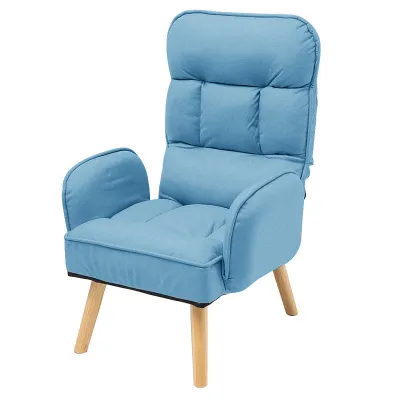
Prices are valid at publication and may change. Please refer to the product page for the latest price.
Persistent Back, Neck, or Shoulder Pain
During pregnancy, the body releases hormones like relaxin, which soften ligaments and joints in preparation for childbirth. Postpartum, these joints remain vulnerable, and the repetitive strain of holding a newborn can quickly lead to chronic muscle tension. A newborn typically feeds eight to twelve times a day, with each session lasting anywhere from twenty to forty-five minutes. Without proper support, mothers naturally slouch forward—a posture often referred to as the “nursing hunch”—which places immense strain on the cervical spine and lumbar region.
If you already suffer from chronic lower back pain, scoliosis, or postpartum joint instability, standard household chairs may fail to provide the structural support your body requires. A specialized breast feeding chair is engineered with built-in lumbar support and armrests positioned at the optimal height to relieve strain on your deltoids, trapezius, and neck muscles. This structural alignment prevents you from carrying the baby’s weight entirely in your arms and shoulders, reducing the risk of repetitive strain injuries like tendonitis.
Frequent or Prolonged Feeding Sessions
Your chosen feeding method and your baby’s feeding patterns play a major role in determining your furniture needs. If you are exclusively pumping, triple feeding, or nursing a baby who struggles with latching, you will spend hours each day in your designated seating area. Pumping requires you to sit upright to maintain optimal milk flow into the collection bottles, and holding breast shields in place can quickly fatigue your arms.
Babies who are slow feeders, those experiencing growth spurts, or infants requiring frequent comfort nursing will keep you seated for extended periods. When you are spending several hours a day feeding, minor ergonomic flaws in a standard chair can escalate into severe physical discomfort. A dedicated chair designed for nursing provides a consistent, comfortable base that minimizes the need to constantly shift, adjust loose cushions, or struggle to find a supportive angle.
Lack of a Suitable Existing Chair
Many modern living room sofas and armchairs are designed for deep lounging rather than active, upright support. Deep seats force your pelvis to tilt backward, making it difficult to keep your feet flat on the floor and your spine aligned. Soft, plush cushions may feel comfortable initially, but they offer little resistance, causing you to sink into a slouched position that makes holding a baby securely very difficult.
Additionally, chairs with wide, unsupportive armrests or slippery synthetic fabrics can cause a nursing pillow to slide out of place, forcing you to constantly readjust your baby’s position. If you are recovering from a cesarean section or pelvic floor trauma, rising from a deep, low-profile sofa while holding a sleeping baby can be painful and physically hazardous. A dedicated chair provides a firm, upright seat and a stable height that allows you to stand up safely without abdominal strain.
When a Nursing Pillow and Your Current Chair Are Enough
For many families, purchasing additional large furniture is neither practical nor necessary. A nursing pillow combined with a carefully selected existing chair can provide an excellent, highly functional setup.

You Have a Supportive, Well-Proportioned Chair
You do not need to purchase a specialized breast feeding chair if your home already features a supportive, well-proportioned seat. The ideal existing chair should have a firm seat cushion that does not sag under your weight, allowing you to sit with your knees bent at a comfortable 90-degree angle and your feet flat on the floor.
The backrest should be straight and firm enough to support your spine without requiring extra pillows, and the armrests should naturally align with your elbows when your shoulders are relaxed. When you place a contoured nursing pillow across your lap in a chair with these dimensions, the pillow bridges the gap between your thighs and your baby, bringing the infant directly to breast height without forcing you to lean forward.
You Are on a Budget or Have Limited Space
In many urban homes, apartments, or multi-generational households, floor space is limited. A dedicated nursery glider or rocking chair occupies a large, permanent footprint in a room and cannot easily be moved or tucked away when not in use. If your living space is tight, adding a bulky piece of furniture can make the room feel cramped and restrict your movement.
A nursing pillow is highly portable, lightweight, and incredibly easy to store. You can tuck it into a closet, slide it under a bed, or move it effortlessly from the bedroom to the living area. From a financial perspective, choosing a high-quality nursing pillow over an expensive specialized chair frees up your budget for other essential newborn purchases, such as a certified crib, high-quality diapers, or pediatric healthcare services.
You Plan to Transition to Bottle Feeding or Weaning Soon
Consider the expected duration of your direct breastfeeding journey. If you plan to return to work quickly and transition primarily to bottle feeding, or if you anticipate weaning your baby within a few months, a dedicated chair may only see a very short window of active use.
Conversely, a nursing pillow offers excellent short-term value and can be repurposed for other developmental milestones. As your baby grows, many nursing pillows can be used to support the infant during supervised tummy time or to provide a soft barrier during early sitting practice. Always consult the pillow manufacturer’s instructions regarding age-appropriate milestones, weight limits, and the absolute requirement for constant adult supervision during these activities to ensure your baby’s safety.
Key Differences: Ergonomics, Space, and Cost
To help you weigh your options, it is helpful to compare the two setups across the practical dimensions of daily use, especially when managing space and comfort in a tropical climate.
| Feature | Dedicated Breast Feeding Chair | Nursing Pillow + Existing Chair |
|---|---|---|
| Ergonomic Support | Built-in lumbar support, fixed armrests, and optimal seat depth to prevent slouching. | Relies entirely on the base chair's dimensions; requires manual adjustment to bridge gaps. |
| Space & Footprint | Large, permanent footprint; requires extra clearance for gliding, rocking, or reclining. | Minimal footprint; highly portable and easily stored in closets or under furniture. |
| Cost Investment | High-investment purchase; a significant addition to the nursery budget. | Low-to-moderate investment; highly accessible for budget-conscious families. |
| Versatility | Permanent furniture piece; can be repurposed as reading chair later. | Multi-functional; can be used for supervised tummy time or travel. |
| Climate Comfort | Upholstery must be selected carefully to prevent heat retention in humid weather. | Highly breathable if paired with natural fiber covers; easy to wash. |
Climate and Fabric Considerations
In the warm, humid climate of the Philippines, managing heat and perspiration during long feeding sessions is a crucial comfort factor. Thick leather, heavy vinyl, or dense synthetic upholstery on a chair can trap body heat, leading to excessive sweating, skin irritation, and heat rashes for both mother and baby. If you decide to invest in a dedicated chair, prioritize breathable woven fabrics or linen-blend upholstery that allows for natural airflow.
For those choosing the nursing pillow route, fabric selection is equally vital. Look for removable pillow covers made from breathable, natural fibers like 100% cotton, organic cotton knit, or bamboo blends. These materials naturally wick away moisture and are gentle on a newborn’s sensitive skin. Ensure the covers are machine-washable so you can easily clean up milk spills, spit-up, and sweat, maintaining a hygienic environment for your baby.
How to Test Your Current Setup Before Buying
Before spending money on a new piece of furniture, you can easily evaluate your existing chairs and pillows using a few simple diagnostic steps at home.
Step 1: The 15-Minute Mock Feed
Select the chair in your home that you find most comfortable. Sit down with your nursing pillow positioned across your lap. Place a weighted object, such as a five-kilogram bag of rice or a heavy doll, on top of the pillow to simulate the weight of a growing baby. Maintain this position for fifteen minutes without moving or adjusting your posture. Take note of any areas where you begin to feel tension, such as your lower back, neck, or outer shoulders.
Step 2: Check Armrest Height
While holding your simulated weight, observe the position of your elbows and shoulders. Your elbows should rest comfortably at a 90-degree angle, supported either by the chair’s armrests or the bulk of the nursing pillow, without forcing your shoulders to shrug upward toward your ears. If your armrests are too low, your elbows will dangle, pulling down on your neck and upper back muscles. If this occurs, try placing a folded cotton blanket or a firm cushion under your elbows to see if the strain is relieved.
Step 3: Evaluate Lumbar Support
Pay close attention to your lower spine during the mock feed. If you notice a gap between your lower back and the backrest of the chair, or if you find yourself slouching forward to keep the weighted object in place, your lumbar spine is unsupported. Try rolling up a firm bath towel and placing it horizontally behind your lower back to act as a temporary lumbar support cushion. If this simple modification instantly relieves your back tension, your current chair can likely be adapted successfully.
Making Your Decision
If you complete these tests and find that simple adjustments—like adding a rolled towel or a folded blanket—allow you to sit comfortably without physical strain, your current chair paired with a nursing pillow is a perfectly adequate solution. However, if you continue to experience sharp pain, numbness in your arms, or severe muscle fatigue despite these modifications, your existing furniture is not suitable for long feeding sessions.
In this case, investing in a dedicated ergonomic chair may be necessary to protect your physical health and postpartum recovery. If physical pain or discomfort persists regardless of the setup you use, stop and consult a physical therapist, orthopedic specialist, or a certified lactation consultant to evaluate your posture, latch technique, and overall physical alignment.
Frequently Asked Questions (FAQ)
Can I use a regular sofa for breastfeeding?
While a regular sofa is highly comfortable for casual lounging, it is often poorly suited for breastfeeding. The deep cushions of a standard sofa tend to cause your pelvis to tilt backward, which rounds your spine and makes it difficult to sit upright. This slouching posture forces you to lean forward, straining your neck and shoulders to bring your baby to your breast. If you must use a sofa, place firm, structured pillows behind your back to keep your spine upright, and use additional cushions under your elbows to support the weight of your baby.
Is a rocking or gliding motion necessary for breastfeeding?
No, a rocking or gliding motion is not necessary for successful milk transfer or maternal comfort. While gentle motion can be incredibly helpful for soothing a fussy infant or rocking a baby to sleep after a feed, a stationary chair with excellent back and arm support works perfectly fine for the feeding session itself. If you do choose a chair with a rocking or gliding mechanism, ensure it features a reliable locking mechanism to prevent accidental tipping or finger pinches once your baby begins to crawl and explore the room.
What is the best material for a nursing pillow in a humid climate?
In warm and humid tropical climates, materials that trap heat can quickly cause discomfort, sweating, and heat rash for both mother and baby. The best materials for a nursing pillow cover are breathable, natural fibers such as 100% cotton, organic cotton knit, or bamboo blends. These fabrics allow for excellent airflow and naturally wick moisture away from the skin. Avoid synthetic polyester or vinyl covers that do not breathe, and always verify that the cover is fully removable and machine-washable to ensure you can maintain a clean, hygienic feeding environment.
Community discussion
Share your experience or ask a question. Comments are reviewed before publication.