
The Short Answer: Do You Really Need a Baby Walker?
A traditional sit-in baby walker is not a developmental necessity for your child. In fact, pediatric health experts and major medical associations worldwide actively discourage the use of traditional wheeled sit-in walkers due to significant safety risks and potential developmental delays. While these devices were once a staple in many households, modern research has shown that they do not help babies learn to walk any faster and can actually hinder their natural motor progress.
However, it is important to distinguish traditional sit-in walkers from modern “push walkers” or walk-behind toys. Once your baby shows specific signs of physical readiness, a sturdy push walker can be a safe and highly engaging tool to support their transition to independent walking. The goal of this guide is to help you evaluate your baby’s actual developmental milestones, understand the safety concerns surrounding older walker designs, and choose safer, more effective alternatives for your home.
Sit-In Walkers vs. Push Walkers: Knowing the Difference
Understanding the structural differences between sit-in walkers and push walkers is essential for making an informed choice, as their safety profiles and developmental impacts are entirely different. A traditional sit-in walker features a fabric seat suspended inside a rigid plastic or metal frame equipped with multi-directional wheels. The baby sits inside the seat with their feet touching the floor, allowing them to scoot rapidly in any direction. Because the seat supports the baby’s body weight, this design bypasses the need for the child to balance themselves or engage their core muscles naturally.
Products mentioned in this guide
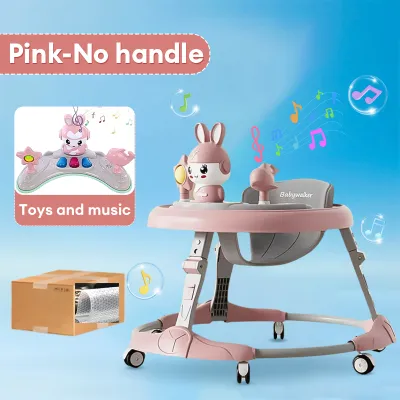
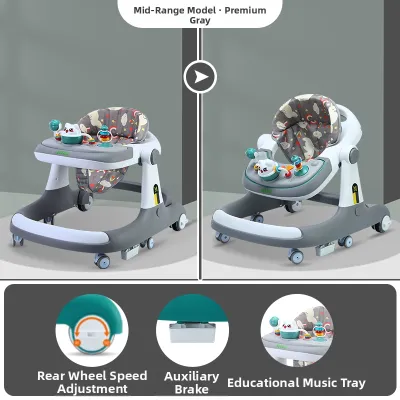
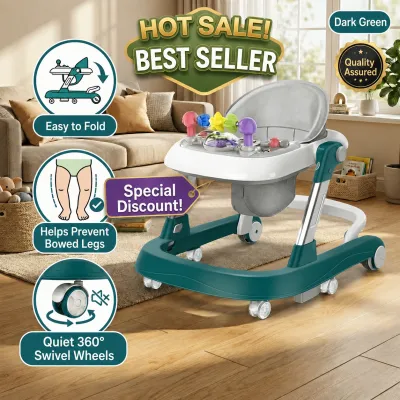
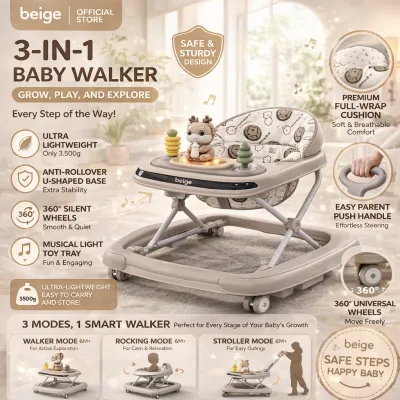
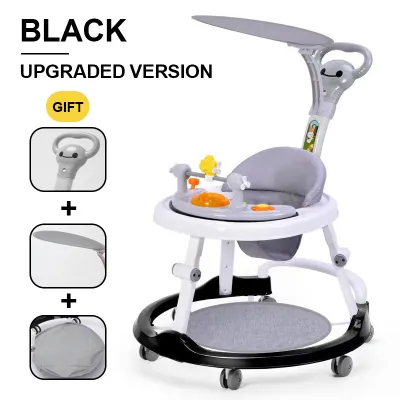
![[Easy To Walke] Bobbi Baby Walker walker for baby boy baby walker for girl SuitableFor 6-18 Months Infant Foldable walker for baby with Wheel Toddler Walk Learning Anti Rollove walker baby girl walker for baby With Music and Handle](https://img.lazcdn.com/g/p/fccee499d29a7bf50ee21c4b22facbed.jpg_400x400q80.jpg_.webp)
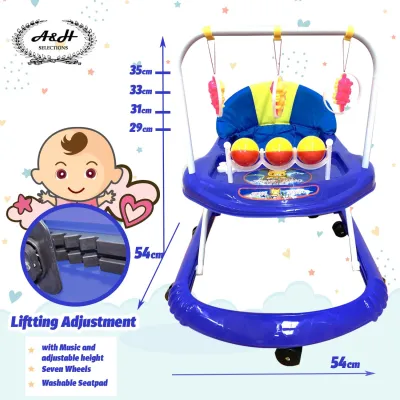
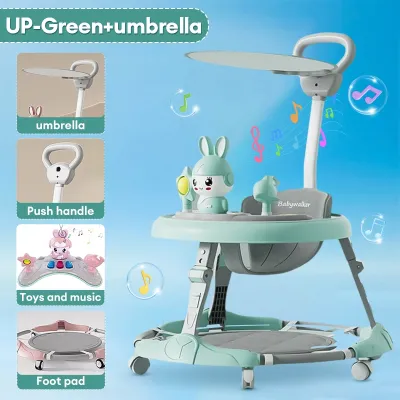
Prices are valid at publication and may change. Please refer to the product page for the latest price.

In contrast, a push walker, also known as a walk-behind toy, has no seat. It consists of a sturdy, weighted frame with wheels and a handlebar positioned at a baby’s standing height. The baby must stand independently behind the toy, grip the handle, and push it forward to move. This design requires the child to support their own body weight, balance on their feet, and actively engage their core, hip, and leg muscles as they take forward steps.
When pediatricians, physical therapists, and safety organizations warn against “baby walkers,” they are almost exclusively referring to the wheeled sit-in models. Push walkers are generally categorized as active toys rather than restrictive walking aids. When used under close supervision on flat, even surfaces, push walkers align much better with natural motor development because they do not artificially suspend or accelerate your baby’s movements.
Signs Your Baby Is Ready for Mobility Support
Before introducing any mobility aid, including a push walker, your baby must demonstrate specific physical milestones that show their muscles and skeletal structure can handle the forces of standing and pushing. Introducing these toys too early can strain developing joints or cause frustration if the baby lacks the strength to control the toy’s movement.
- Pulling to Stand: Your baby should be able to grasp stable objects, such as the edge of a heavy sofa or your hands, and pull themselves up into a standing position using their own leg and arm strength. This action demonstrates that their lower body is ready to bear their full weight.
- Cruising: Once standing, your baby should begin taking lateral steps while holding onto furniture for balance. Cruising is a vital milestone that builds lateral hip stability, ankle strength, and spatial awareness, preparing them for forward movement.
- Standing Independently: If your baby can stand without holding onto any support for several seconds, they have developed the necessary vestibular balance and core stability to manage a moving push toy safely.
- Core Strength and Transitions: Observe how your baby moves on the floor. A baby who can sit upright without support, crawl efficiently, and transition smoothly between sitting, crawling, and standing has the deep abdominal and back strength required for upright mobility.
These physical milestones indicate readiness for a push walker, which acts as a gentle guide rather than a prop. Traditional sit-in walkers, on the other hand, are often used before a baby has developed sufficient core or neck strength. Forcing a baby into an upright, seated position before their body is naturally ready can place undue stress on their spine and hips, which is one of the primary reasons pediatricians advise against them.
Safety and Developmental Concerns of Sit-In Walkers
The primary objection to traditional sit-in walkers is the extreme speed and height advantage they give to a baby who is not yet developmentally equipped to handle them. On smooth, flat surfaces like polished wood or tiled floors, a baby in a wheeled walker can travel at speeds exceeding one meter per second. This rapid movement makes it incredibly difficult for even the most attentive caregiver to react in time to prevent a sudden accident.
In a typical household, this elevated mobility brings a host of new hazards within your baby’s reach. A baby in a sit-in walker can easily pull down dangling cords from electric fans, reach hot cups of coffee or tea left on low tables, or access household cleaning products stored under the sink. Furthermore, the risk of tipping over on uneven floor transitions, door thresholds, or low rugs is exceptionally high. In homes with stairs, split-level steps, or raised entryways, a fall in a wheeled walker can lead to severe head, neck, and facial injuries.
From a developmental perspective, sit-in walkers can actually delay independent walking rather than accelerate it. When suspended in a fabric seat, a baby typically pushes off the floor using only their toes. This action overdevelops the calf muscles while neglecting the critical hip, thigh, and gluteal muscles required for true, unassisted walking. It can also lead to a habit of toe-walking, which may require physical therapy to correct if it persists.
Additionally, the wide plastic tray of a sit-in walker blocks your baby’s view of their lower body. Seeing their legs and feet move in relation to the floor is a fundamental part of cognitive and motor development. Without this visual feedback, learning how to balance, step forward, and navigate obstacles becomes much more difficult and less intuitive. Major pediatric associations globally advise parents to avoid sit-in walkers entirely, and some countries have even banned their sale and import. Always check current local safety guidelines and manufacturer warnings before introducing any wheeled baby gear to your home.
Safer Alternatives to Support Your Baby's Walking Journey
Supporting your baby’s physical development does not require risky equipment. There are several safer, highly effective alternatives and environmental setups that naturally encourage motor skills without exposing your baby to the dangers of wheeled sit-in models.
- Push Walkers: If you decide to purchase a walk-behind toy, look for specific safety features. Choose a model with a heavily weighted base to prevent it from tipping backward when your baby pulls up on the handle. Opt for wheels with adjustable tension or speed-control resistance, which prevents the toy from rolling away too quickly on slick tiled floors. A wide, easy-to-grip handle positioned at an appropriate height is also essential.
- Stationary Activity Centers: If you need a safe place to keep your baby entertained while you complete quick household chores, stationary activity centers (often called exersaucers) are an excellent option. These devices feature a rotating fabric seat surrounded by interactive toys, but they lack wheels. This design allows your baby to bounce, spin, and play safely without the risk of rapid, uncontrolled movement across the room. Limit use to short intervals of 15 to 20 minutes to prevent muscle fatigue.
- Unrestricted Floor Time: The best and most cost-effective way to support your baby's walking journey is unrestricted floor play. Placing your baby on a clean, firm play mat encourages rolling, crawling, sitting up, and eventually pulling up. These self-directed movements naturally strengthen the entire musculoskeletal system without artificial support.
- Cruising Furniture Setup: You can encourage natural cruising by arranging your living space thoughtfully. Place heavy, stable furniture—such as solid wood coffee tables, heavy sofas, or secured playpens—close enough together so your baby can easily transfer their grip from one piece to another. Ensure all sharp corners are covered with soft edge guards and that the path is free of loose rugs, clutter, or dangling cords.
Before introducing any alternative mobility product or stationary center, run through this quick evaluation checklist to ensure it is safe for your child:
- Stability: Does the item have a low center of gravity and a wide, sturdy base?
- Manufacturer Limits: Check the product label for the recommended age, weight, and height limits. Never exceed these specifications.
- Pinch Points & Small Parts: Inspect the toy for exposed hinges, springs, or small detachable parts that could pose a choking hazard or pinch delicate fingers.
- Caregiver Supervision: No alternative replaces active adult supervision. Always stay within arm's reach when your baby is using any mobility aid.
Frequently Asked Questions (FAQ)
At what age should a baby start using a push walker?
Readiness for a push walker is determined by developmental milestones rather than a strict chronological age. Most babies reach the physical milestones required for a push walker—such as pulling to stand and cruising—between 9 and 15 months of age. Always check the manufacturer’s label on your specific model to verify its minimum age, weight, and height requirements before use, and ensure your baby is supervised at all times.
Do baby walkers cause bowlegs or hip dysplasia?
While traditional sit-in walkers place babies in an unnatural, suspended position that does not support proper bone and muscle alignment, they are not the primary cause of structural conditions like congenital hip dysplasia or bowlegs. However, prolonged use of a sit-in walker can encourage poor posture and toe-walking. If you notice persistent toe-walking, unusual leg alignment, or have concerns about your child’s hip development, consult a pediatrician for a professional assessment.
How can I encourage my baby to walk without buying extra gear?
You do not need expensive gear to help your baby learn to walk. Allowing your baby to go barefoot indoors on clean, safe surfaces is one of the best ways to promote balance, as it provides direct sensory feedback from the soles of their feet and helps strengthen foot arches. When assisting your baby, hold them gently around the torso or hips rather than pulling their arms upward, which can strain their delicate shoulder joints. Create a safe, inviting space with plenty of opportunities to pull up on stable household furniture.
Community discussion
Share your experience or ask a question. Comments are reviewed before publication.