
As your pregnancy progresses, the physical changes in your body can bring unexpected discomforts. You might feel a heavy pulling sensation in your lower abdomen or a dull ache in your lower back as your center of gravity shifts. If you are searching for relief, you have likely come across various support garments, including a stomach binder for women.
However, before purchasing any support wear, it is crucial to understand that a traditional stomach binder is not designed for pregnancy. Using the wrong type of garment can pose risks to both you and your baby. Understanding the signs that you might need support, and knowing how to choose the correct product, will help you stay comfortable and safe throughout your pregnancy journey.
Clarifying the Terminology: Maternity Support Belts vs. Postpartum Binders
Understanding the distinction between maternity support belts and postpartum stomach binders is essential for your safety and comfort. A maternity support belt is specifically engineered to cradle your growing belly from underneath, lifting the weight to redistribute it across your hips and upper back. This lifting action relieves pressure on your pelvic floor and lower spine without compressing your abdomen.
Products mentioned in this guide
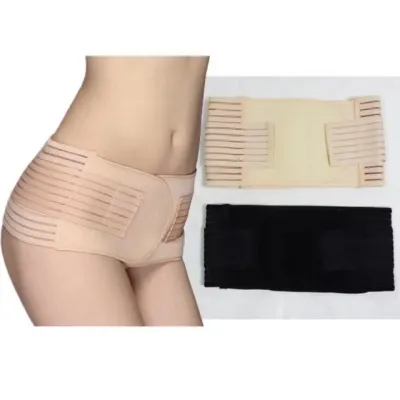
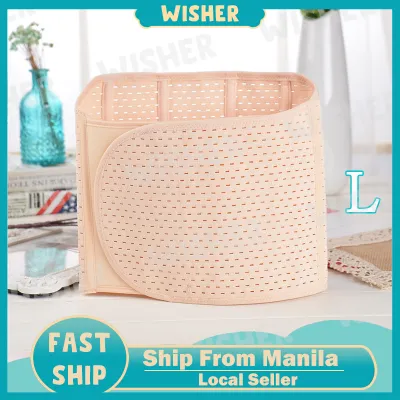
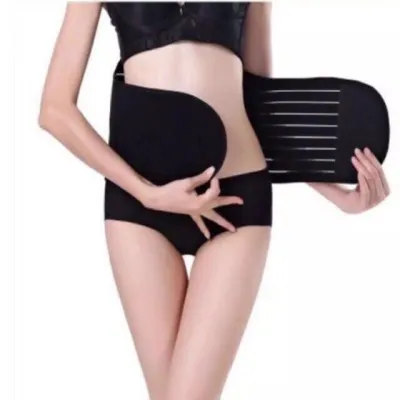
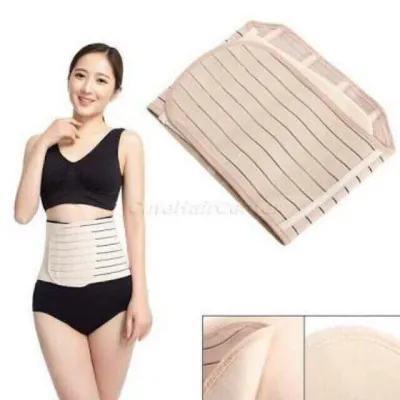
Prices are valid at publication and may change. Please refer to the product page for the latest price.
In contrast, a postpartum stomach binder for women is designed for compression. These binders are used after childbirth to help support abdominal muscles, stabilize the midsection, and assist in recovery, especially after a cesarean delivery.
Using a highly compressive postpartum binder during pregnancy is unsafe. Tight compression can restrict blood flow to the uterus, limit the space your baby needs to move, and place unnecessary pressure on your internal organs. Always verify the product label, manufacturer instructions, and intended pregnancy stage before making a purchase.
Physical Signs You Might Need Belly Support During Pregnancy
Many expectant mothers wonder when it is time to start using belly support. One of the most common signs is persistent lower back strain. As your baby grows, your pelvis tilts forward, which forces your lower back muscles to work harder to keep you upright. This shift often leads to a dull, aching pain by the end of the day.

Another clear indicator is pelvic girdle pain or pressure. You might feel a sharp, shooting sensation in your pubic area or hips, particularly when walking, climbing stairs, or rolling over in bed. This discomfort is often linked to the hormone relaxin, which loosens your ligaments to prepare your body for birth.
Round ligament pain is another frequent complaint during the second trimester. This presents as a sudden, sharp spasm on one or both sides of your lower abdomen, often triggered by sudden movements like coughing, sneezing, or standing up quickly. A supportive belt can help stabilize the pelvis and minimize the stretching of these ligaments.
You might also experience a general sensation of abdominal heaviness, making daily chores feel exhausting. The need for support varies widely from person to person. If you are carrying multiples, or if this is a subsequent pregnancy where your abdominal muscles are already stretched from previous births, you may find that you require belly support much earlier than you did before.
When a Support Belt Is Not Necessary or Advisable
While belly support garments offer excellent relief for many, they are not always necessary or advisable. During the first trimester, your uterus is still relatively small and nestled within your pelvis, meaning physical support is generally unnecessary. Introducing a support belt too early provides no functional benefit and may cause unnecessary restriction.
There are also clear warning signs that indicate you should stop using a support garment immediately. If you experience skin irritation, redness, or itching under the band, your skin may be reacting to the material or trapped sweat. Restricted breathing, shortness of breath, or a feeling of intense pressure are critical signs that the belt is too tight or positioned incorrectly. Any sudden discomfort, cramping, or changes in your baby’s movement patterns should prompt you to remove the belt right away.
Furthermore, if you have a high-risk pregnancy condition, such as gestational hypertension, preeclampsia, or placental complications, you must consult your OB-GYN or midwife before using any support wear. In these situations, external pressure on your abdomen or pelvis could interfere with blood circulation or mask symptoms that require immediate medical attention.
How to Select and Wear a Maternity Support Belt Safely
Selecting the right maternity support belt requires careful consideration of your daily environment and physical needs. In the warm and humid tropical climate of the Philippines, breathability is a top priority. Look for garments made from lightweight, perforated fabrics or mesh panels that allow air circulation, helping to prevent heat rash and skin chafing.
Adjustable hook-and-loop closures are highly recommended, as they allow you to customize the fit as your belly grows throughout the second and third trimesters. When fitting the belt, position it low on your hips, cradling the very bottom of your abdomen. The band should lift the belly upward rather than pressing it flat against your spine. If you feel any downward pressure on your bladder or pelvis, the belt is likely too tight or positioned too high.
In the local market, you will find options across various price points. Budget-friendly belts may cost around ₱300, while premium, multi-strap ergonomic support systems can exceed ₱2,000. While it can be tempting to opt for the cheapest option, prioritize safe, ergonomic designs with soft, non-irritating edges over low-cost alternatives that may roll up, pinch, or lose their elasticity quickly.
To use your support belt safely, avoid wearing it continuously. Limit use to two to four hours at a time, specifically during periods of active standing, walking, or household chores. This practice ensures your core muscles continue to work and do not become overly reliant on external support. Finally, never wear a support belt while sleeping or resting, as your body needs to relax and circulate blood freely without any restriction.
Frequently Asked Questions (FAQ)
Can wearing a tight stomach binder hurt the baby?
Yes, wearing a tight, compressive stomach binder during pregnancy can potentially harm your baby. Unlike supportive maternity belts that gently lift the abdomen, tight binders compress the uterus, which can restrict blood flow to the placenta and limit the baby’s movement. Always ensure your support wear is designed specifically for pregnancy, fits snugly but comfortably, and does not apply direct inward pressure. If you are unsure about the tightness or fit, consult your healthcare provider for guidance.
Is it safe to sleep with a maternity support belt on?
It is generally not recommended to sleep with a maternity support belt on. When you lie down, the gravitational pull on your belly changes, reducing the need for upward support. Wearing a belt while sleeping can restrict your circulation, cause skin irritation from trapped sweat, and limit your natural breathing patterns. If you need physical support while resting, consider using a specialized pregnancy pillow to cradle your belly and align your hips comfortably.
Will a support belt prevent stretch marks or sagging skin?
No, a maternity support belt will not prevent stretch marks or sagging skin. Stretch marks occur in the deeper layers of the skin due to rapid stretching and genetic factors, while sagging skin is related to collagen changes and muscle separation. Support belts are designed solely for physical comfort, pain relief, and weight distribution. To manage skin changes, focus on staying hydrated and using gentle, pregnancy-safe moisturizers to keep your skin supple.
Community discussion
Share your experience or ask a question. Comments are reviewed before publication.