
Your body undergoes rapid changes during pregnancy, and as your baby grows, you may experience physical symptoms like lower back strain, pelvic pressure, or abdominal heaviness. While you do not strictly need a medical binder or maternity support belt to have a healthy pregnancy, your body will clearly signal when extra support could benefit your daily comfort. For many expectant mothers, these garments offer a practical, non-invasive way to manage musculoskeletal strain and maintain daily mobility.
Understanding Medical Binders and Maternity Support Belts
When navigating pregnancy discomfort, you may encounter terms like “medical binder,” “maternity support belt,” and “belly band.” While a medical binder typically refers to a wide, compressive wrap used to stabilize abdominal incisions after surgeries like a C-section, its application during active pregnancy usually refers to specialized, flexible maternity support belts. Understanding the mechanical differences between these garments helps you choose the right tool for your specific needs.
The primary function of a maternity support belt is to provide external lift and gentle compression. As your uterus expands, your abdominal wall stretches, reducing its natural ability to support your spine and pelvis. A support belt acts as an external set of muscles, cradling the lower abdomen and lifting it slightly upward. This redistribution of weight reduces the downward gravitational pull on your pelvic floor and transfers some of the load to your hips and upper back.
Products mentioned in this guide
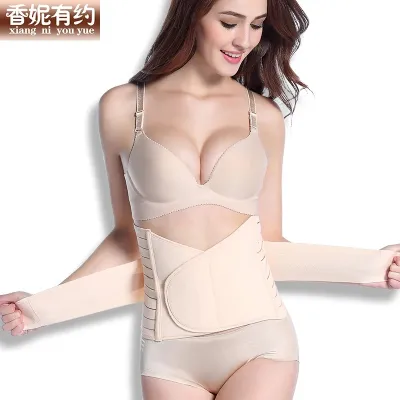
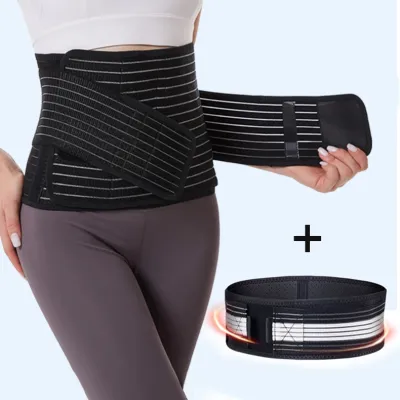
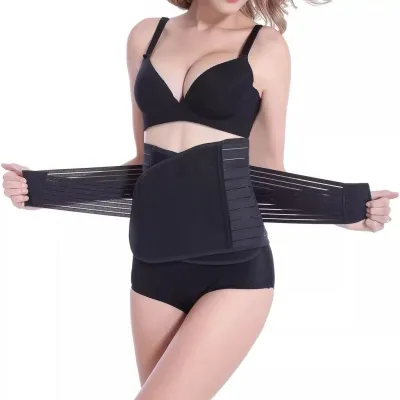
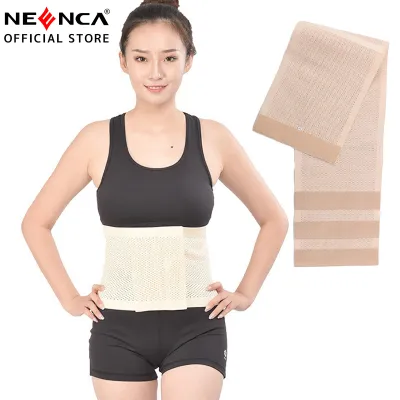

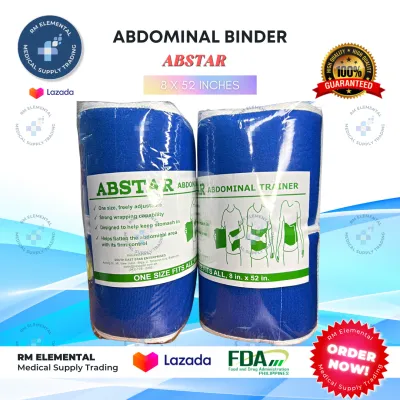
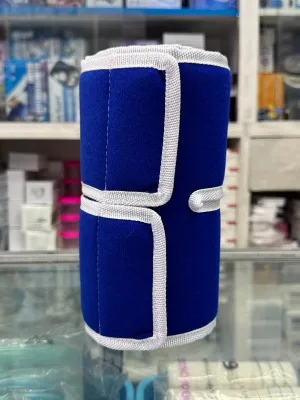
Prices are valid at publication and may change. Please refer to the product page for the latest price.
It is crucial to recognize that these garments offer symptomatic relief rather than a medical cure. They do not correct underlying structural issues, nor do they replace the need for active prenatal care. Instead, they serve as a temporary physical aid to help you remain active and comfortable during your daily routine.
Key Signs Your Body Might Need Extra Belly Support
Your body is highly communicative, and as your pregnancy progresses, it will provide clear physical cues when your muscles and joints require extra assistance. Recognizing these signs allows you to make an informed decision about when to introduce a support garment into your daily routine.

Lower Back Pain and Posture Shifts
During pregnancy, the hormone relaxin softens your ligaments to allow your pelvis to expand for childbirth. While essential, this process reduces joint stability, forcing your lower back muscles to work much harder to keep you upright. To compensate for your shifting center of gravity, you may find yourself leaning backward, a postural shift known as lumbar lordosis, which places intense strain on your lower spine.
If you experience a dull, aching pain in your lower back that intensifies during prolonged standing or walking but improves when resting, your body is likely struggling to manage this postural shift. A maternity support belt can help by gently pulling your pelvis back into a more neutral alignment, reducing the workload on your spinal muscles. However, you must distinguish this muscular strain from sharp, shooting, or radiating pain that travels down your legs, which may indicate nerve compression like sciatica. For nerve-related pain or severe discomfort, always seek a professional medical evaluation rather than relying solely on a support belt.
Pelvic Pressure and Round Ligament Pain
As your baby grows and descends, you may experience a persistent sensation of heaviness or pressure in your pelvic floor, making walking or standing uncomfortable. This pressure is often accompanied by round ligament pain, which manifests as sharp, sudden, or jabbing pains in your lower abdomen or groin area. These ligaments act as anchors for your uterus, and when they are stretched rapidly by sudden movements, coughing, or changing positions, they can spasm and cause acute discomfort.
A supportive belly band provides targeted, gentle compression around your pelvic ring, which helps stabilize the joints and minimizes the sudden, jarring movements that trigger round ligament spasms. By holding the uterus in a slightly elevated and stable position, the belt reduces the continuous downward pull on these sensitive ligaments, allowing you to move with greater comfort during your daily activities.
Abdominal Heaviness and Daily Fatigue
The physical effort required to carry a growing belly, especially during the second and third trimesters or when carrying multiple babies, can lead to profound physical exhaustion by the end of the day. This fatigue is often a direct result of your abdominal and core muscles working continuously to support the extra weight. You might find yourself naturally placing your hands under your belly to lift it up and relieve the strain while walking.
If you experience this constant sensation of abdominal heaviness or find that muscular fatigue is limiting your ability to complete daily tasks, a support belt can provide the physical relief you need. By transferring a portion of the baby’s weight to your hips and upper back, the garment reduces the continuous muscular exertion required from your core. This simple redistribution of physical stress can conserve your energy, reduce end-of-day muscle soreness, and help you maintain an active lifestyle.
When a Medical Binder Might Not Be the Right Choice
While maternity support belts offer significant benefits, they are not universally necessary, and there are specific situations where using one is counterproductive or unsafe. Understanding when to avoid these garments is essential for protecting your health and the safety of your baby.
During the first trimester of pregnancy, your uterus remains relatively small and is protected within the pelvic cavity, meaning a support belt is generally unnecessary. If you only experience mild, occasional discomfort that is easily relieved by sitting down, shifting your posture, or taking a short rest, you do not need to invest in a support garment. Overusing a belt when it is not physically required can lead to muscle weakness, as your core muscles may begin to rely on the external support rather than maintaining their natural strength.
There are also critical medical contraindications to consider before purchasing or wearing a support belt. If you have been diagnosed with preeclampsia, gestational hypertension, or any cardiovascular condition that affects your circulation, you should avoid using compressive garments unless specifically instructed by your OB-GYN. Compressive bands can restrict blood flow, potentially elevating your blood pressure or reducing venous return to your heart. Additionally, if you have a high-risk pregnancy, placental complications, or if wearing the belt causes any abdominal pain, skin numbness, or shortness of breath, you must discontinue use immediately.
Always remember that a support belt is a tool for managing mild to moderate musculoskeletal discomfort, not a treatment for medical complications. If you experience sudden, severe abdominal pain, vaginal bleeding, a sudden change in fluid discharge, or a noticeable reduction in your baby’s movements, do not attempt to manage these symptoms with a support garment. These are critical warning signs that require immediate evaluation by your healthcare provider or an emergency medical professional.
Alternative Solutions for Pregnancy Discomfort
A maternity support belt is only one of several tools available to manage the physical strain of pregnancy. Exploring alternative and complementary solutions can help you address the root causes of your discomfort, improve your overall physical strength, and find relief without relying solely on a wearable garment.
Engaging in pregnancy-safe exercises is one of the most effective ways to strengthen your core and back muscles, providing your body with natural, long-term support. Prenatal yoga focuses on gentle stretching and strengthening, which can improve your flexibility and posture. Swimming is another exceptional low-impact option; the natural buoyancy of water completely relieves the gravitational pressure on your joints and pelvic floor, allowing you to exercise comfortably. Incorporating simple pelvic tilts and gentle core-stabilizing movements under the guidance of a qualified instructor can significantly reduce daily backaches.
Your sleeping environment and daily footwear also play a major role in how your body feels during the day. Utilizing a specialized maternity pillow—such as a full-body U-shaped or C-shaped pillow—can help maintain proper spinal and pelvic alignment while you sleep on your side, preventing you from waking up with stiff, aching muscles. Additionally, switching from flat, unsupportive slippers or high heels to supportive footwear with cushioned soles and proper arch support can dramatically reduce the impact on your lower back and knees as you walk.
For those who find structured, rigid belts uncomfortable or too warm, lighter alternatives are available. Maternity leggings and shorts designed with built-in, engineered compression panels offer gentle, non-restrictive support for your belly and hips, making them ideal for casual daily wear. If your musculoskeletal pain remains persistent or severe, consider consulting your healthcare provider for a referral to a physical therapist who specializes in prenatal care. A specialized physical therapist can identify specific muscle imbalances and design a personalized rehabilitation program, while certified prenatal massage can help relieve deep muscle tension and promote relaxation.
How to Choose and Use a Maternity Support Belt Safely
If you and your healthcare provider decide that a maternity support belt is an appropriate choice for your symptoms, selecting the right garment and using it correctly is vital to ensure both comfort and safety.
When choosing a support belt, particularly in warm and humid tropical climates like the Philippines, the material of the garment is a critical consideration. Heavy, non-breathable fabrics can trap heat and sweat against your skin, leading to uncomfortable heat rashes, chafing, or skin irritation. Look for adjustable belts made from lightweight, moisture-wicking, and breathable materials, such as mesh panels or cotton-lined fabrics. Ensure the belt features adjustable hook-and-loop fasteners so you can easily customize the level of support and fit as your belly grows throughout your second and third trimesters.
Before purchasing, always consult the manufacturer’s sizing guide and measure your current belly circumference as instructed, rather than relying on your pre-pregnancy clothing size. When applying the belt, follow the product’s specific instructions carefully. The belt should be positioned low on your hips, cradling the underside of your abdomen to lift it gently. It should never be wrapped tightly around the middle of your belly or compress your stomach, as this can restrict digestion and blood flow.
To use the belt safely, adhere to strict usage limits. Wear the belt only during periods of active standing, walking, or physical exertion, and limit its use to two to three hours at a time. This restriction prevents your abdominal and back muscles from becoming dependent on the external support, which could lead to muscle weakening over time. Never wear a support belt while sleeping, resting in bed, or sitting down for long periods, as the sitting position can cause the band to dig into your groin and restrict blood circulation.
Finally, always monitor your body’s response while wearing the garment. If you experience any skin irritation, increased pain, dizziness, shortness of breath, or if you notice a decrease in your baby’s movements, remove the belt immediately. Prioritize safety by checking the product’s care and usage labels, and consult your OB-GYN or healthcare provider if you have any doubts about the fit or safety of your support belt.
Frequently Asked Questions (FAQ)
Can wearing a medical binder hurt the baby?
When chosen correctly and worn according to the manufacturer’s instructions, a maternity support belt or belly band will not hurt your baby. Your uterus, abdominal muscles, and the cushioning amniotic fluid provide a highly effective, protective barrier that shields your baby from gentle external pressure. However, you must avoid wrapping the belt too tightly or positioning it directly over the center of your abdomen. An overly tight belt can compress major maternal blood vessels, which may restrict blood flow to the uterus, cause you to feel dizzy or lightheaded, and limit your breathing. Always ensure the belt fits snugly but comfortably, allowing you to breathe deeply and move without restriction.
At what week of pregnancy should I start wearing a belly support belt?
There is no universal pregnancy week at which you must begin wearing a belly support belt, as every woman’s body and pregnancy journey are unique. Instead of following a strict calendar timeline, you should listen to your body’s physical signals. Many expectant mothers find they benefit from extra support between 16 and 24 weeks of pregnancy, which is typically when the belly begins to expand rapidly and shift the center of gravity. However, if you are carrying multiples, have weak abdominal muscles from a previous pregnancy, or experience early pelvic joint instability, you may feel the need for support earlier. Conversely, some mothers may never require a support belt at all. Let your daily comfort levels and your healthcare provider’s advice guide your decision.
Community discussion
Share your experience or ask a question. Comments are reviewed before publication.