
Pregnancy brings incredible changes to your body, but as your baby grows, the physical shift in your center of gravity can lead to unfamiliar aches and strains. If you are experiencing lower back pain, pelvic pressure, or a sharp pull in your lower abdomen, you might be wondering if a maternity support belt is a necessary addition to your daily routine. While these supportive garments are highly popular, they are not a mandatory purchase for every expectant mother. Deciding whether to invest in one depends entirely on your specific symptoms, your current trimester, and how your body responds to daily physical demands.
A maternity support belt is designed to provide temporary external lift to your growing abdomen, redistributing the weight more evenly across your hips and lower back. For some, it offers immediate relief during active hours; for others, simple adjustments to posture, footwear, and rest are more than enough to manage discomfort. Understanding how your body carries pregnancy weight will help you make an informed decision that supports both your comfort and your budget.
Common Signs You Might Benefit from a Maternity Belt
As your pregnancy progresses into the second and third trimesters, the physical load on your musculoskeletal system increases significantly. One of the most common signs that you might benefit from a maternity support belt is a persistent, dull ache in your lower back that worsens as the day goes on. This strain often occurs because your growing belly pulls your pelvis forward, forcing your lower spine to arch excessively to keep you upright. A support belt can help counteract this pull by gently lifting the abdomen and stabilizing the lumbar region.
Products mentioned in this guide
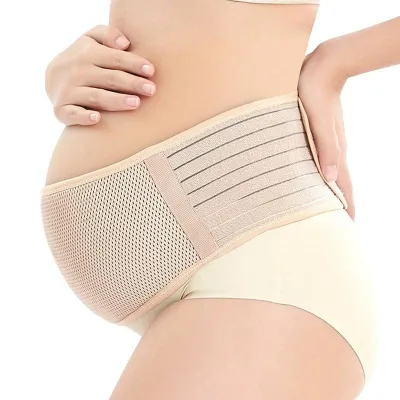
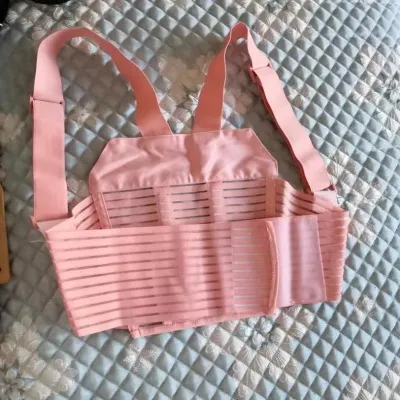
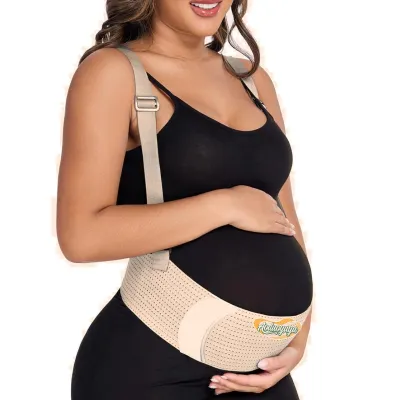
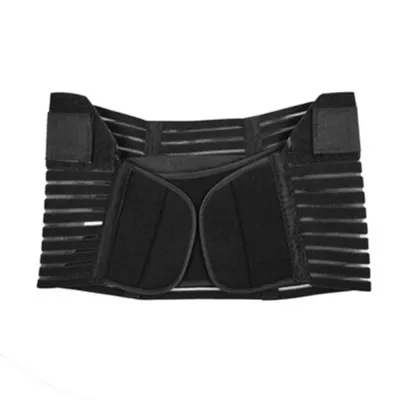
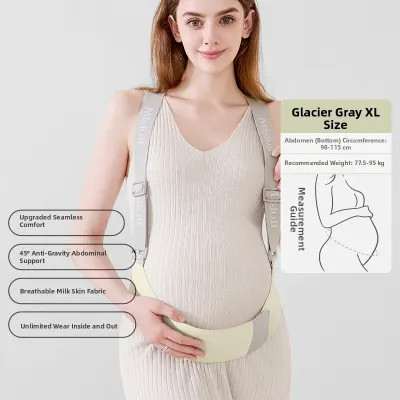
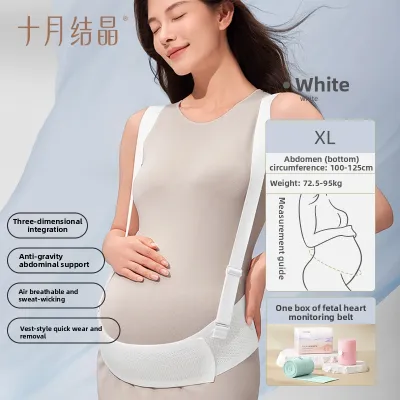
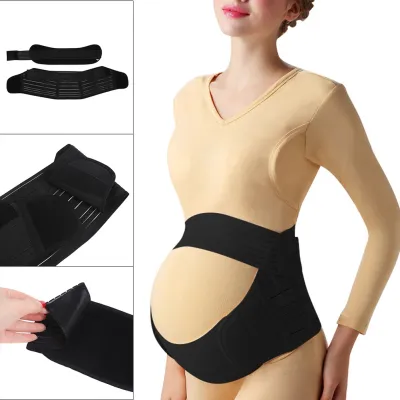

Prices are valid at publication and may change. Please refer to the product page for the latest price.
Another clear indicator is pelvic girdle pain or a sensation of heaviness in your lower pelvis. This discomfort often intensifies during weight-bearing activities such as walking, climbing stairs, or standing for extended periods. In tropical climates like the Philippines, where daily commutes or walking through warm, humid environments can quickly compound physical fatigue, this extra pelvic pressure can make routine tasks feel exhausting. If you find yourself instinctively cradling the underside of your belly with your hands to relieve pressure while walking, your body is signaling a need for external support.
You might also experience round ligament pain, which presents as sharp, jabbing sensations on one or both sides of your lower abdomen when you change positions, stand up quickly, or walk. A structured belt can minimize the sudden jarring movements that trigger these sharp pains. If your daily routine requires you to be on your feet for several hours, or if you enjoy light prenatal exercises but find the physical weight of your belly uncomfortable, a support belt can provide the stability needed to stay active safely.
When a Maternity Belt Might Not Be Necessary
While a support belt can be a lifesaver for some, it is far from a universal necessity. If you are currently in your first trimester, a maternity belt is generally unnecessary. During these early weeks, any pelvic or back discomfort you experience is typically driven by hormonal changes rather than the physical weight of your baby. Because there is no prominent belly to lift or support, wearing a compression garment will not alleviate these early symptoms and may cause unnecessary discomfort around your midsection.

Furthermore, if your aches are mild, occasional, and easily resolved, you likely do not need to purchase a belt. Many minor pregnancy discomforts can be managed effectively through simple lifestyle adjustments. If your back only aches after an unusually busy day and completely resolves after a short rest, a cool glass of water, or a slight change in your sitting posture, your body is adapting well on its own. Over-relying on an external support garment when your muscles are perfectly capable of handling the load can actually lead to muscle laziness over time.
There are also specific situations where wearing a support belt is medically discouraged. If you have a high-risk pregnancy, experience abnormal circulation issues, or have been diagnosed with certain uterine or pelvic conditions, abdominal compression of any kind could be harmful. If your discomfort is accompanied by cramping, fluid leakage, or sharp pain that does not subside with rest, bypass retail solutions entirely and contact your healthcare provider immediately.
Alternative Ways to Manage Pregnancy Discomfort
Before purchasing a maternity support belt, or alongside using one, there are several highly effective, non-wearable strategies to manage pregnancy aches. Improving your daily body mechanics is one of the most sustainable ways to protect your back and pelvis. When lifting objects—even light ones like grocery bags—always bend at your knees rather than your waist, keeping your spine straight. When sitting, place a small rolled towel or a lumbar cushion behind your lower back, and keep your feet flat on the floor rather than crossing your legs, which can misalign your pelvis.
Your choice of daily footwear also plays a massive role in how your body distributes weight. Opting for supportive, flat, or low-heeled shoes with good arch support can dramatically reduce the strain on your lower back and knees. This is especially important when walking on hard tile floors or navigating uneven pavements during daily errands. Additionally, investing in a high-quality maternity pillow can transform your sleep quality. Placing a long, supportive pillow between your knees and under your belly while sleeping on your side helps keep your spine and pelvis in neutral alignment, preventing you from waking up with morning stiffness.
Engaging in gentle, pregnancy-safe physical activity can also strengthen the core and pelvic floor muscles that naturally support your growing belly. Stretches like the cat-cow pose or gentle pelvic tilts can relieve immediate tension in the lower back. If you are unsure which movements are safe for your body, seeking a session with a certified prenatal physical therapist can provide you with a personalized exercise plan.
How to Choose and Use a Support Belt Safely
If you decide that a maternity support belt is the right choice for your lifestyle, selecting the correct design and using it safely is essential for your comfort and health. Look for a belt made from highly breathable, lightweight fabrics. In warm, humid climates, heavy or synthetic materials can easily trap sweat against your skin, leading to uncomfortable heat rashes or friction chafing. Adjustable hook-and-loop closures are highly recommended, as they allow you to customize the level of support and loosen the belt as your belly continues to grow.
When budgeting for pregnancy essentials, which can range from ₱300 for basic bands to over ₱1,500 for medical-grade support belts, prioritize quality and fit over brand names. When wearing the belt, proper positioning is key. The band should sit low on your hips, cradling the underside of your belly to lift it upward, rather than wrapping tightly around the middle of your abdomen. The fit should feel like a gentle, supportive hug; it should never restrict your breathing, cause deep red marks on your skin, or limit your natural circulation. To prevent your core muscles from becoming dependent on the external support, limit your wear time to a few hours during your most active periods of the day, such as during grocery shopping or household chores. Never wear a support belt while sleeping or resting for long periods.
Most importantly, always consult your OB-GYN or midwife before using a maternity support belt. Every pregnancy profile is unique, and your healthcare provider can verify that a support belt is safe for your specific body and baby, ensuring you have positioned it correctly to maximize benefits while keeping you and your baby completely safe.
Frequently Asked Questions (FAQ)
Can wearing a maternity belt hurt the baby?
When used correctly, a maternity support belt will not harm your baby. The belt is designed to sit low on the pelvis and cradle the underside of the abdomen, providing a gentle upward lift rather than direct inward compression. However, if the belt is pulled too tight, worn too high across the middle of the stomach, or used for excessively long periods, it can restrict blood flow and cause discomfort for both you and your baby. Always follow the manufacturer’s instructions, listen to your body, and consult your healthcare provider to ensure a safe, proper fit.
Should I wear a maternity belt all day?
No, you should not wear a maternity support belt all day. Wearing a support garment continuously can cause your core and back muscles to rely on the belt for stability, which can weaken them over time and actually increase your long-term discomfort. It is best to wear the belt intermittently—typically for no more than two to three hours at a time—during physical activities that trigger your discomfort, such as walking, standing, or doing light chores. Always remove the belt when you are sitting down to rest, driving, or sleeping.
Can I use a regular belly band instead of a maternity support belt?
A regular belly band and a structured maternity support belt serve very different purposes. A standard belly band is typically a seamless, highly elastic fabric tube designed to cover unbuttoned pre-pregnancy pants or provide a smooth layer over your growing belly; it offers minimal to no structural support. In contrast, a true maternity support belt features reinforced, adjustable straps and stiffer materials engineered specifically to lift the weight of the abdomen and stabilize the pelvis. If you are experiencing physical pain or joint instability, a simple belly band will not provide the targeted support you need.
Community discussion
Share your experience or ask a question. Comments are reviewed before publication.