
Deciding whether to invest in a maternity binder depends largely on how your body adapts to the physical changes of pregnancy. While some expectant mothers find these supportive bands indispensable for managing daily discomfort, they are not a mandatory purchase for everyone. If you are experiencing mild physical changes without significant pain, you may not need one at all.
In tropical climates like the Philippines, where high humidity and heat are daily realities, adding an extra layer of fabric around your midsection requires careful thought. Wearing a heavy support garment can quickly lead to overheating and skin irritation if it is not truly necessary. Understanding your body’s signals and exploring simpler, lighter alternatives first can help you make an informed decision that keeps both you and your budget comfortable.
Signs You Might Need a Maternity Binder for Belly Support
As your pregnancy progresses, your body undergoes remarkable structural changes to accommodate your growing baby. These changes can sometimes lead to physical strain, particularly in your lower back, pelvis, and abdomen. Recognizing the specific, observable signals your body sends can help you determine if external support might be beneficial.
Products mentioned in this guide
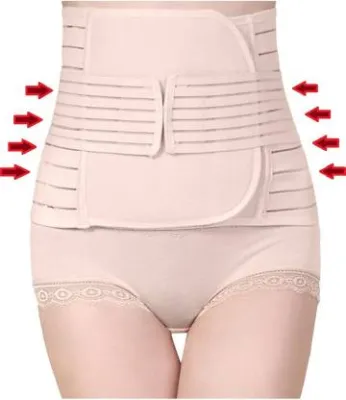
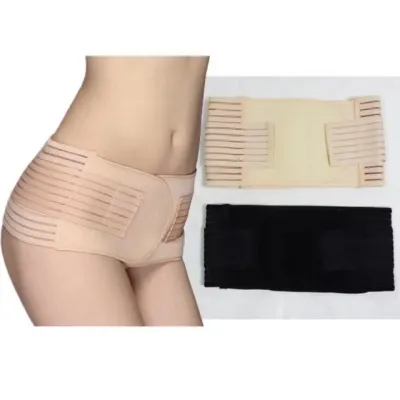
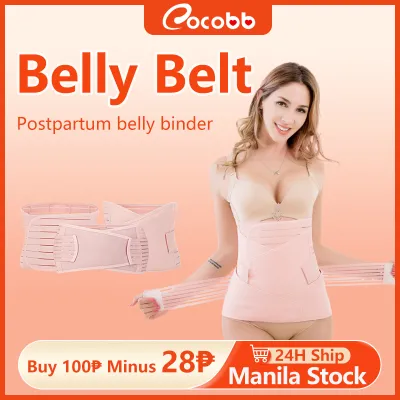
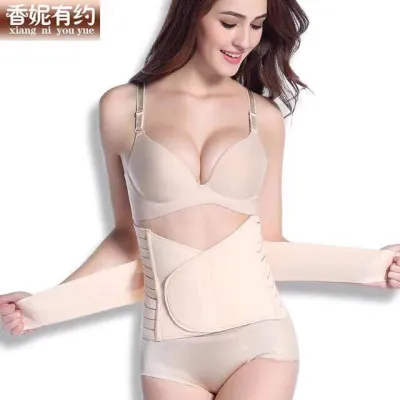
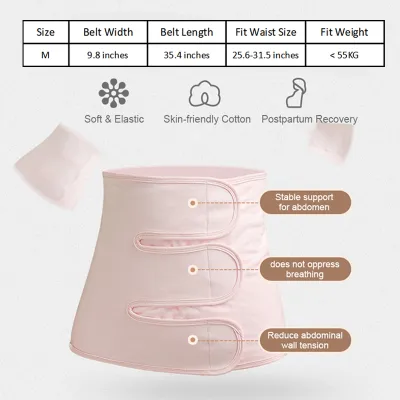
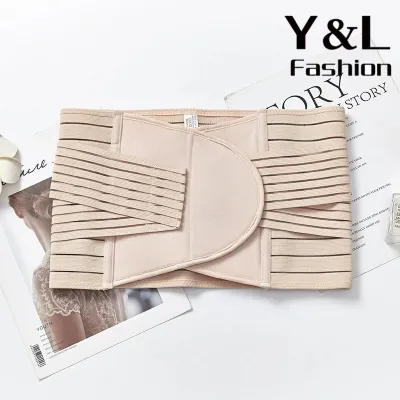
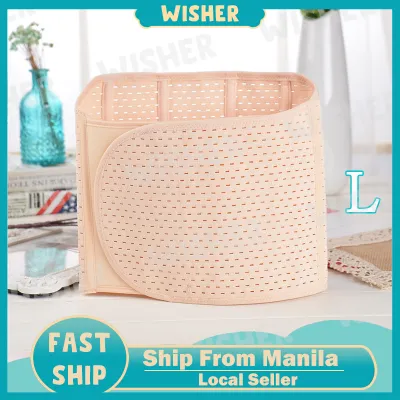
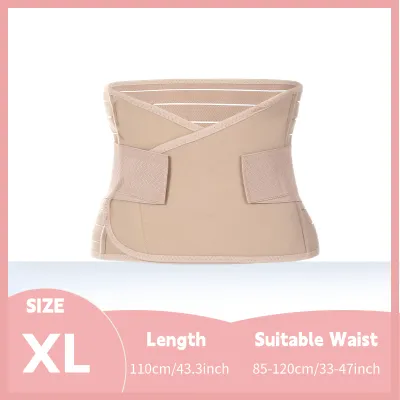
Prices are valid at publication and may change. Please refer to the product page for the latest price.
One of the most common signs is persistent lower back pain or pelvic pressure that intensifies during daily activities. As your uterus expands, your center of gravity shifts forward, pulling your pelvis out of alignment and forcing your lower back muscles to work much harder. If standing at the kitchen counter, walking short distances, or doing light household chores leaves you with a dull, aching lower back or a heavy sensation in your pelvic floor, a support band may help distribute the weight more evenly.
Another common indicator is sharp, sudden discomfort known as round ligament pain. The ligaments holding your uterus in place must stretch significantly as your baby grows. This stretching can cause brief, jabbing pains on one or both sides of your lower abdomen, especially when you change positions quickly, cough, sneeze, or get out of bed. A maternity binder can help stabilize your midsection, reducing the sudden jarring movements that typically trigger these sharp sensations.
You might also experience a continuous pulling or heavy sensation in your lower abdomen, particularly during the third trimester. This feeling of your belly “dropping” can strain your abdominal muscles and make walking feel like a chore. A support band acts as a gentle cradle, lifting the weight of your abdomen slightly to relieve the downward pull on your skin and muscles.
It is important to remember that these physical sensations are comfort signals rather than medical diagnoses. While a maternity binder can offer temporary relief from daily aches, these symptoms should always be discussed with your obstetrician or physical therapist. They can help ensure your discomfort is typical for your stage of pregnancy and rule out any underlying issues that require targeted medical attention.
When a Maternity Binder Might Not Be Necessary
While maternity binders are highly popular, they are not a universal necessity for every expectant mother. Many women complete their pregnancies comfortably without ever needing to purchase one. Understanding when a binder is unnecessary can save you money and prevent you from relying on an extra accessory you do not actually need.

During the early stages of pregnancy, particularly the first trimester and the early weeks of the second trimester, your baby bump is still relatively small. At this stage, your body’s natural musculoskeletal structure is usually more than capable of supporting the minor changes in weight. Wearing a support band during these early weeks offers little to no physical benefit and can cause unnecessary restriction around your waist.
If you only experience mild, occasional discomfort that easily resolves with simple adjustments, a binder is likely unnecessary. For instance, if a brief rest on the sofa, a cool glass of water, or a slight change in your sitting posture quickly relieves your backache, your body is managing the physical transition well on its own. Investing in a structured support garment is generally best reserved for persistent, daily discomfort that interferes with your ability to move comfortably.
Additionally, if your healthcare provider has evaluated your posture and pelvic health and advised against using a support band, you should follow their guidance. Overusing a binder when it is not physically required can actually backfire. Relying too heavily on external support can cause your core and lower back muscles to become lazy, potentially weakening the very muscles you need to stay strong during labor and postpartum recovery.
Alternative Remedies to Try Before Buying a Binder
Before committing to a maternity binder, it is highly practical to explore non-wearable remedies and simple lifestyle adjustments. Many common pregnancy aches can be managed effectively at home using items you may already own or by making minor changes to your daily routine.
One highly effective alternative is utilizing a contoured pregnancy pillow during rest and sleep. Proper spinal alignment at night is crucial for preventing daytime back and pelvic pain. Placing a supportive pillow between your knees, under your belly, and behind your back helps maintain a neutral spinal position while side-sleeping, allowing your muscles to fully relax and recover overnight.
You can also look into supportive maternity clothing as a lighter, more integrated alternative to a structured binder. Many high-waisted maternity leggings and maternity underwear are designed with built-in, woven compression panels. These panels offer gentle, non-restrictive support to your lower belly and back without the bulk, stiffness, or heat retention of a separate velcro band—a major advantage in warm, tropical weather.
Incorporating gentle, doctor-approved prenatal stretches into your daily routine can also make a significant difference. Simple movements like pelvic tilts, cat-cow stretches, and gentle hamstring stretches help maintain flexibility and relieve tension in your lower back and hips. Combining these stretches with mindful posture—such as keeping your weight evenly distributed on both feet and avoiding the tendency to lean backward when standing—helps your body support itself naturally.
Finally, applying localized warmth can help soothe tense, aching muscles. Placing a warm compress or a warm water bottle wrapped in a towel against your lower back can encourage blood flow and muscle relaxation. Taking a warm, soothing bath is another excellent way to relieve pelvic pressure, as the buoyancy of the water temporarily lifts the weight of your belly off your pelvic floor.
How to Choose and Use a Maternity Binder Safely
If you decide that a maternity binder is a suitable option for your comfort, choosing the right product and using it safely is essential. Because these garments apply pressure to your body, verifying their specifications and following proper usage guidelines will protect both your comfort and your health.
When shopping for a binder, always check the manufacturer’s labels for sizing, adjustability, and material composition. In a warm and humid climate, choosing a binder made from breathable, lightweight, and skin-friendly fabrics is critical to prevent heat rashes, chafing, and skin irritation. Look for designs with adjustable hook-and-loop closures so you can easily customize the level of support as your body changes throughout the day.
Carefully read the product instructions regarding sizing and measurement. Do not guess your size based on your pre-pregnancy clothing; instead, use a flexible measuring tape to measure your current hip or lower belly circumference as directed by the brand. When putting the binder on, ensure the fit is snug enough to provide a gentle, upward lift under your abdomen, but never tight enough to compress your stomach, restrict your breathing, or limit your natural movement.
Pay close attention to the recommended wearing duration. Maternity binders are designed to be temporary aids during periods of physical activity, such as walking, standing, or doing chores. They should not be worn continuously throughout the day, and you should never wear them while sleeping. Limiting your use to a few hours at a time ensures your core muscles continue to engage and stay strong.
Lastly, prioritize safety by listening to your body’s immediate feedback. Stop using the binder immediately and consult your doctor if you experience any signs of restriction or discomfort. These warning signs include numbness or tingling in your legs or pelvic area, shortness of breath, increased pelvic pain, skin irritation, or digestive discomfort such as severe heartburn.
Frequently Asked Questions (FAQ)
Can wearing a maternity binder harm the baby?
When used correctly according to the manufacturer’s guidelines and your doctor’s advice, a maternity binder is generally safe and will not harm your baby. Your body’s amniotic fluid provides an excellent, natural cushion that protects the developing baby from external pressure. However, wearing a binder that is too tight, improperly positioned, or worn for excessively long periods can restrict maternal blood flow and cause severe physical discomfort. Always consult your obstetrician to ensure a support garment is safe for your specific pregnancy before you begin using one.
At what week of pregnancy should I start wearing a belly band?
There is no set calendar week when you must start wearing a belly band, as every pregnancy progresses differently. The ideal timing depends entirely on your individual belly growth, weight distribution, and when physical symptoms begin to affect your daily comfort. Many expectant mothers begin considering a support band during the late second or early third trimester when the baby bump grows rapidly and puts more strain on the lower back. It is always best to consult your healthcare provider to confirm that a support garment is appropriate for your current stage of pregnancy.

Community discussion
Share your experience or ask a question. Comments are reviewed before publication.