
For many expectant mothers, the period between prenatal checkups can feel like an anxious wait. The desire to know that your baby is safe and thriving is completely natural, which is why home fetal dopplers have surged in popularity. However, a home fetal doppler is not a medical necessity, nor is it a substitute for professional prenatal care. While these handheld devices can offer a comforting auditory connection to your baby, they are non-diagnostic consumer tools that carry distinct limitations and risks when misused. Deciding whether to bring one into your home requires weighing your emotional needs, your budget, and your understanding of prenatal health.
Understanding Home Fetal Dopplers and Regular OB Checkups
To make an informed decision, it is essential to understand what a home fetal doppler actually does. These handheld devices utilize low-intensity ultrasound technology. When you apply ultrasound gel to your abdomen and glide the probe across your skin, the device emits high-frequency sound waves. These waves bounce off moving structures inside your body—specifically, the beating heart of your fetus or blood flowing through blood vessels—and translate those movements into an audible sound.
This technology is vastly different from the comprehensive care you receive during regular prenatal checkups. When you visit your obstetrician-gynecologist (OB-GYN) or licensed midwife at a private clinic or a barangay health center, hearing the heartbeat is only a small fraction of the assessment. A standard prenatal checkup involves diagnostic ultrasound imaging, which visualizes the baby’s structural development, measures amniotic fluid levels, and evaluates the position of the placenta. Furthermore, your healthcare provider monitors your blood pressure—a critical step in tropical climates where heat and humidity can mask or exacerbate dehydration and gestational hypertension—and performs urinalysis to check for protein or infections.
Products mentioned in this guide
![[FREE GEL] Fetal Doppler Heartbeat Detector Portable Ultrasound Pregnant LCD 3MHz Baby Heart Rate Mo](https://img.lazcdn.com/g/p/888be6082d56e876bdaaab7f630ad699.jpg_400x400q80.jpg_.webp)
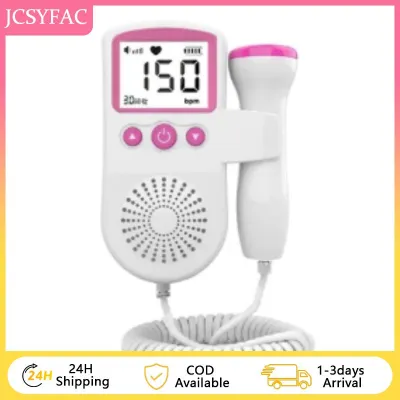
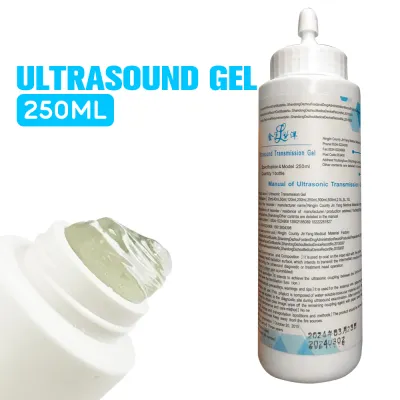
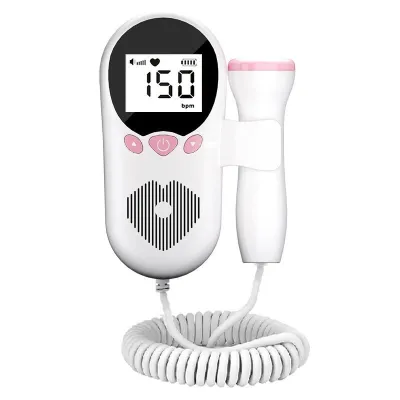
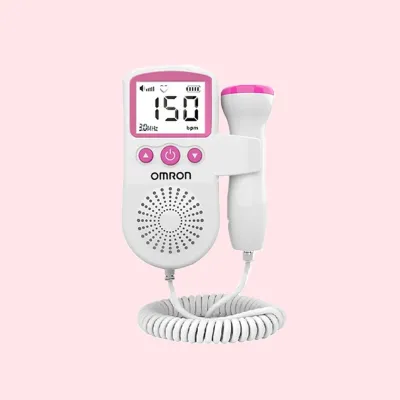
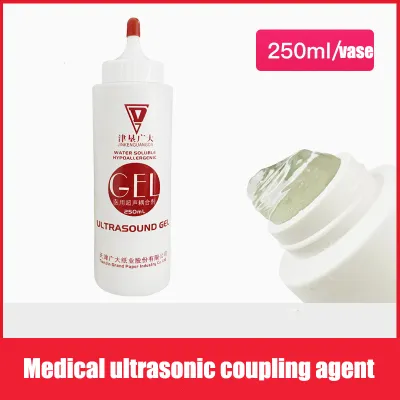
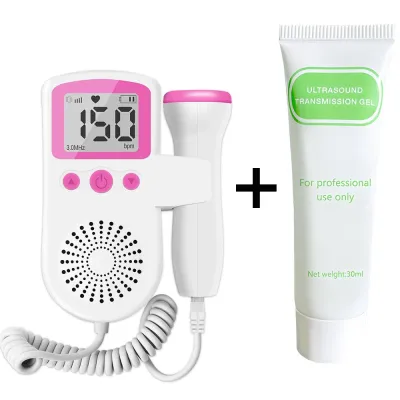
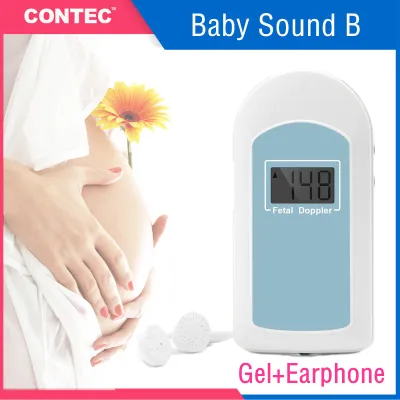
Prices are valid at publication and may change. Please refer to the product page for the latest price.
A consumer-grade home fetal doppler cannot perform any of these diagnostic functions. It only provides audio feedback. It cannot measure the baby’s oxygen levels, assess overall fetal growth, or detect structural anomalies. Understanding that a home doppler is merely an optional, supplementary audio tool rather than a diagnostic medical instrument is the first step in deciding if it is right for your pregnancy journey.
Signs a Home Fetal Doppler Might Help Your Pregnancy Journey
For certain expectant mothers, a home fetal doppler can serve as a supportive tool when used with clear expectations. The primary benefit of a home device is emotional reassurance. If you are experiencing mild, manageable pregnancy anxiety between your scheduled OB-GYN visits, hearing the rapid, rhythmic “galloping” sound of your baby’s heart can provide a brief sense of calm and relief. This temporary reassurance can help you enjoy your pregnancy more fully during the quiet weeks before you begin feeling regular fetal movements.

Additionally, a home doppler can facilitate a unique bonding experience for your family. In households where extended families often play a central role, sharing this experience can be incredibly meaningful. Partners who are unable to attend weekday clinic appointments due to demanding work schedules can feel a direct, physical connection to the pregnancy. Older siblings can also listen, helping them prepare for the arrival of the new baby.
In some specific scenarios, a healthcare provider might suggest home monitoring for high-risk conditions. However, this must always be explicitly directed and supervised by your OB-GYN. Your doctor must provide training on how to use the device correctly, how often to scan, and what specific parameters warrant immediate medical attention. When used under professional supervision, a home doppler transitions from a novelty to a carefully managed clinical aid.
When to Rely Strictly on Professional Prenatal Checkups
Despite the potential benefits, home fetal dopplers carry significant risks, primarily stemming from the danger of “false reassurance.” The maternal abdomen is a complex acoustic environment. When using a home doppler, it is incredibly easy to mistake your own maternal pulse (running through the uterine arteries), the “whooshing” sound of blood flowing through the placenta, or even rhythmic bowel sounds for the baby’s heartbeat. If an expectant mother notices a decrease in fetal movement—a primary warning sign of fetal distress—but uses a home doppler and mistakes her own pulse for the baby’s heartbeat, she may falsely assume everything is fine. This can lead to a dangerous delay in seeking emergency medical care.
Conversely, the inability to locate the heartbeat can cause severe psychological distress and panic. Finding a fetal heartbeat requires clinical skill, practice, and favorable conditions. If the baby has shifted positions, if you are early in your pregnancy (before 12 to 16 weeks), or depending on your body type, the heartbeat can be exceptionally difficult to find. Spending hours searching for the sound without success can trigger intense panic, leading to unnecessary emergency room visits and elevated maternal stress levels, which are counterproductive to a healthy pregnancy.
Furthermore, a normal heart rate reading does not guarantee that a baby is not in distress. A doppler cannot detect subtle changes in oxygen levels, umbilical cord complications, or developmental issues. If you have a history of severe anxiety, obsessive checking behaviors, or find that your peace of mind hinges entirely on constant validation, relying strictly on your scheduled professional checkups is the safest path for your mental and physical well-being.
How to Decide: A Self-Assessment for Expectant Mothers
To help you determine whether a home fetal doppler is a practical addition to your pregnancy or an unnecessary source of stress, consider the following self-assessment factors:
- Anxiety Management: Do you tend to panic easily when a situation is uncertain, or can you remain calm and rational if you cannot locate the heartbeat immediately?
- Pregnancy Risk Status: Has your OB-GYN classified your pregnancy as low-risk, or do you have complications that require professional-grade monitoring?
- Understanding of the Device: Do you fully understand that hearing a heartbeat does not replace fetal movement tracking, and that you might easily mistake your own pulse for the baby's?
- Financial Allocation: Does purchasing a quality, certified device fit easily into your budget, or could those funds be spent on essential prenatal resources?
Based on these considerations, you can follow one of two clear decision pathways:
Consider buying if:
- You have mild, easily managed anxiety and view the device strictly as a fun, occasional bonding tool for your family.
- You understand and accept the device's technological limitations, knowing that failing to find the heartbeat is common and not an automatic sign of danger.
- Your OB-GYN is aware of your choice and supports it as a supplementary tool.
- The purchase price (typically ranging from ₱1,500 to ₱5,000 for reputable, certified models) fits comfortably within your disposable income.
Skip and rely on checkups if:
- You struggle with severe anxiety, obsessive-compulsive tendencies, or find yourself wanting to check the heartbeat multiple times a day.
- You have a high-risk pregnancy that demands clinical-grade diagnostics rather than unguided consumer audio tools.
- Your budget is tight. In this case, those funds are far better spent on high-quality prenatal vitamins (such as folic acid, iron, and calcium), routine laboratory tests, saving for delivery costs, or booking a professional congenital anomaly scan (CAS) at a licensed diagnostic center.
Safe Usage Guidelines if You Choose to Buy
If you decide to purchase a home fetal doppler, practicing safe and responsible usage is vital to protect your health and peace of mind. First, always adhere to the ALARA (As Low As Reasonably Achievable) principle regarding ultrasound exposure. While consumer-grade dopplers use low-intensity waves, ultrasound introduces physical energy into the body. Keep your scanning sessions brief—no more than 5 to 10 minutes once or twice a week—and avoid prolonged, daily scanning.
Second, set realistic expectations. Do not expect to hear a clear heartbeat before 12 to 16 weeks of pregnancy. The uterus is still deep within the pelvis during early pregnancy, and the fetus is incredibly small. Always check the manufacturer’s instructions for proper probe placement and usage guidelines. Use a generous amount of dedicated ultrasound gel to facilitate clear sound transmission; using regular body lotions or oils can degrade the probe over time and yield poor audio quality.
Most importantly, know when to stop using the device and seek immediate medical attention. If you experience warning signs such as decreased fetal movement, vaginal bleeding, severe abdominal cramping, or sudden pelvic pain, do not use the home doppler to check on the baby. Go directly to your OB-GYN or the nearest hospital emergency room. A normal-sounding heartbeat on a consumer device must never override clear physical symptoms of distress.
Finally, verify the safety and certification of any device you purchase. Look for clear regulatory approvals, such as FDA clearance or equivalent medical device registrations. Purchase your doppler only from established pharmacies, official brand stores, or authorized medical supply retailers. Avoid cheap, unbranded listings on general online marketplaces, as these products may lack proper safety standards, reliable calibration, or clear user manuals.
Frequently Asked Questions (FAQ)
Can a home fetal doppler replace my regular OB-GYN visits?
Absolutely not. Regular prenatal visits are essential for tracking the holistic health of both mother and baby. Your OB-GYN monitors critical metrics such as maternal blood pressure, weight gain, urine protein, fundal height, amniotic fluid volume, and placental health. A home fetal doppler only provides an audio representation of the fetal heart rate, which is just one small aspect of a healthy pregnancy.
Why can't I hear the fetal heart rate on my home doppler?
There are several common, non-emergency reasons why you might not hear a heartbeat. These include early gestational age (typically before 12 to 16 weeks), the baby shifting into a position facing away from the probe, an anterior placenta (where the placenta sits in front of the baby, dampening the sound), maternal body tissue absorbing the sound waves, or using an insufficient amount of ultrasound gel. However, if you are past 20 weeks, have previously found the heartbeat easily, and suddenly cannot find it—especially if accompanied by decreased movement—contact your doctor immediately.
Are there safe alternatives to check my baby's well-being at home?
Yes. Fetal kick counting (movement tracking) is a clinically recommended, zero-cost, and completely safe method to monitor your baby’s well-being in the third trimester, usually starting around the 28th week of pregnancy. To perform a kick count, find a quiet time when your baby is usually active, lie on your left side, and count how long it takes to feel 10 distinct movements (such as kicks, rolls, flutters, or jabs). Ideally, you should feel at least 10 movements within two hours. If you notice a significant drop in activity or fail to reach 10 movements, contact your healthcare provider right away.
Community discussion
Share your experience or ask a question. Comments are reviewed before publication.