
Does your baby need a diaper changing spray? The short answer is no—it is not an absolute necessity for every nursery, but it can be an exceptional tool for babies with highly sensitive skin, frequent friction rashes, or those living in hot, humid climates. While traditional wipes and barrier creams form the foundation of standard diaper care, a diaper changing spray offers a gentle, low-friction alternative that cleanses and soothes without the harsh physical rubbing that often triggers irritation.
In the tropical climate of the Philippines, diaper area care requires extra attention. High humidity, constant heat, and sweat accumulation under a diaper can make a baby’s skin more prone to sweat rash, chafing, and yeast overgrowth. Understanding how a diaper changing spray fits into your daily routine can help you decide whether this product is a helpful upgrade or an unnecessary extra expense for your family.
Understanding Diaper Changing Sprays vs. Traditional Wipes
A diaper changing spray is a liquid-based solution designed to cleanse, soothe, and refresh the diaper area during a change. These products are typically formulated with water, mild plant-derived cleansers, and calming botanical extracts. Unlike pre-moistened commercial wipes that come pre-saturated in plastic tubs or soft packs, diaper changing sprays are designed to be misted directly onto the skin or, more commonly, onto a clean, dry cotton pad or reusable washcloth.
Products mentioned in this guide
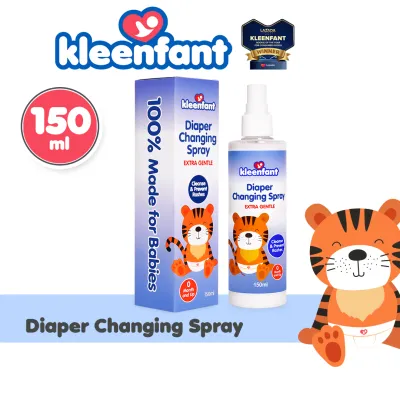
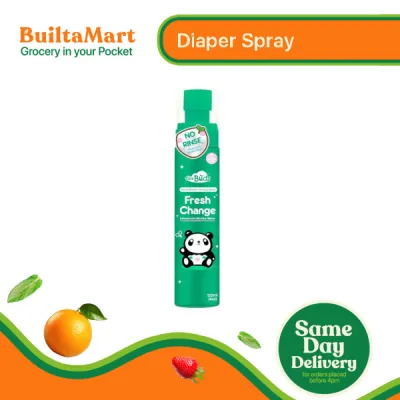
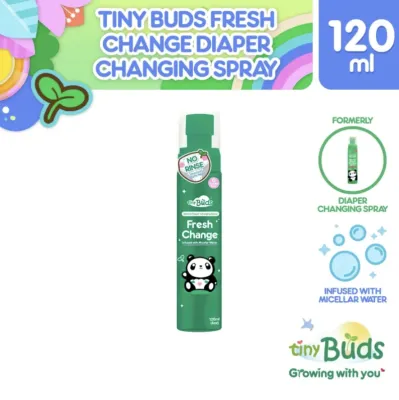
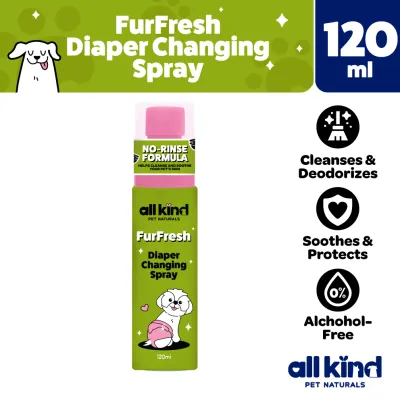
Prices are valid at publication and may change. Please refer to the product page for the latest price.
The primary difference between these two methods lies in the physical friction applied to your baby’s skin. Traditional wet wipes rely on a textured, synthetic, or cotton-blend fabric substrate to physically scrape away waste. While highly convenient, this mechanical rubbing can compromise a baby’s delicate outer skin layer, especially when repeated eight to ten times a day. A diaper changing spray acts as a lubricant, allowing waste to slide off with minimal pressure, which significantly reduces friction-induced redness.
It is important to clarify that a diaper changing spray is a supplementary cleansing and soothing step, not a replacement for a protective diaper cream. While a spray cleanses the skin and delivers soothing ingredients, it does not leave a thick, physical shield against moisture. To protect your baby’s skin from the acidic nature of urine and stool, you will still need to apply a dedicated barrier cream after cleansing.
Signs Your Baby Might Benefit from a Diaper Changing Spray
Friction Sensitivity If your little one fusses, squirms, or cries during diaper changes, physical friction could be the primary culprit. Watch for immediate redness that flares up right after you wipe the area with a standard commercial wipe. If your baby’s skin looks irritated from the physical contact of textured wipes, switching to a lubricating diaper changing spray applied with a soft, dry cotton round can make the process much more comfortable and prevent mechanical chafing.

Mild Skin Reactivity Commercial wet wipes often contain preservatives, synthetic fragrances, or surfactants to keep them moist and mold-free in bulk packaging. For babies with reactive skin, these lingering ingredients can trigger contact dermatitis or persistent mild redness. A diaper changing spray often features simpler, water-based formulas that you apply fresh, minimizing prolonged exposure to harsh chemical stabilizers and reducing the risk of allergic flare-ups.
Stubborn Messes Cleaning up sticky, dried-on stool can be a struggle that leads to aggressive wiping and skin irritation. A few sprays of a diaper changing solution help break down organic matter and lift stubborn messes off the skin quickly. This emulsifying action allows you to wipe the area clean in one or two gentle sweeps, preserving the integrity of the skin barrier and keeping diaper changes quick and stress-free.
On-the-Go Convenience in Humid Weather In tropical environments, carrying large, heavy packs of wet wipes can be cumbersome. Moreover, partially used wipe packs exposed to high heat and humidity can dry out, lose their effectiveness, or become breeding grounds for bacteria if the seal is compromised. A compact, leak-proof diaper changing spray paired with a small stack of dry cotton rounds is lightweight, hygienic, and immune to drying out in your diaper bag.
When Wipes and Creams Are Enough: Signs You Can Skip the Spray
Healthy, Resilient Skin If your baby rarely experiences diaper rash, redness, or irritation, your current routine is doing its job perfectly. There is no medical or practical reason to add another product to a system that is already keeping your baby’s skin barrier intact and healthy. If it isn’t broken, there is no need to spend extra money or add steps to fix it.
Effective Current Routine Many parents find success using simple water-moistened cotton balls or high-quality, fragrance-free water wipes followed by a reliable barrier cream. If this combination successfully manages moisture and prevents chafing, a diaper changing spray would simply be an extra, redundant step in your daily routine. Stick to what works and save your nursery budget for other essentials.
Sensory Aversion Some babies are highly sensitive to sudden sensory inputs. The sound of a spray nozzle or the cool, wet mist landing on their warm skin can startle them, leading to tears and stressful diaper changes. If your baby reacts negatively to the physical sensation of a spray, forcing the product into your routine will only cause unnecessary distress for both of you.
Preference for Simplicity Diapering is a repetitive task that you will perform thousands of times. If you prefer a minimalist, quick, and cost-effective approach, adding a spray introduces another bottle to manage, pack, and purchase. Keeping your routine down to wipes and a single tub of cream is perfectly fine and highly practical for busy parents.
How to Safely Introduce a Diaper Spray to Your Routine
Patch Testing Before applying any new topical product to your baby’s sensitive diaper area, perform a patch test. Apply a single spray to a small, clear patch of skin on your baby’s arm or thigh. Observe the area for 24 hours; if you notice any redness, swelling, or tiny bumps, discontinue use immediately and wash the area with plain water.
Application Method To avoid startling your baby or risking accidental inhalation of the mist, avoid spraying the product directly onto their genitals, face, or sensitive skin folds. Instead, spray the liquid directly onto a soft, dry cotton pad, a clean washcloth, or a reusable bamboo wipe. Use this pre-moistened pad to gently cleanse the skin from front to back, ensuring a controlled and gentle application.
Safety Boundaries Never use a diaper changing spray on broken, bleeding, oozing, or severely inflamed skin. If your baby has an active, severe diaper rash, skip all commercial sprays and wipes entirely, cleanse only with lukewarm water, pat dry, and consult your pediatrician. If a mild rash worsens or shows signs of infection, such as pus, blisters, or a fever, seek professional medical advice immediately.
Label Verification Always read the manufacturer’s packaging carefully before purchase. Look for sprays that are explicitly formulated for infant skin and verify that they are free from drying alcohols, synthetic perfumes, parabens, and phthalates. Always check the expiration date, as water-based botanical formulas can degrade over time, especially when stored in warm environments.
What to Look for When Choosing a Diaper Spray
Ingredient Transparency Choose products with clear, easy-to-understand ingredient lists. Look for soothing, plant-derived components like aloe vera, chamomile, or calendula, which help calm irritated skin. Avoid complex essential oil blends unless they are highly diluted and clinically tested, as pure essential oils can be highly sensitizing to an infant’s delicate skin barrier.
Spray Mechanism Examine the nozzle design if possible. A high-quality bottle should deliver a fine, even mist that saturates your cotton pad uniformly. Avoid nozzles that shoot a harsh, concentrated stream of liquid, which can cause splashing, waste product, and make precise application difficult.
Packaging and Preservation For parents in the Philippines, look for durable, leak-proof bottles that can withstand being tossed into a diaper bag for trips or family visits. Because water-based botanical products can be sensitive to high temperatures, check the label’s storage instructions. It is best to store these sprays in a cool, dry place away from direct tropical sunlight to prevent the ingredients from breaking down prematurely.
Frequently Asked Questions (FAQ)
Can I use diaper changing spray on a newborn?
Always check the manufacturer’s age guidelines printed on the product label before using any spray on a newborn. A newborn’s skin barrier is exceptionally thin, highly permeable, and incredibly sensitive to topical ingredients. If you wish to introduce a diaper changing spray during the first few weeks of life, consult your pediatrician first, and prioritize ultra-mild, fragrance-free, water-based formulations specifically approved for newborns.
Do I still need to apply diaper cream if I use a spray?
Yes, a diaper changing spray does not replace a diaper cream. Sprays are designed to cleanse, soothe, and remove waste, acting as a liquid soap alternative. Diaper creams, especially those containing zinc oxide or petroleum jelly, act as a physical barrier that shields the skin from acidic urine and stool. For the best results, spray and wipe the area clean, let the skin dry completely to avoid trapping moisture, and then apply your diaper cream to lock in protection.
Community discussion
Share your experience or ask a question. Comments are reviewed before publication.