
Quick Answer: When a Nipple Shield Might Help
A breastfeeding nipple shield is a thin, flexible silicone device designed to temporarily assist mothers facing specific latching difficulties. While it can serve as a helpful bridge to keep your baby feeding at the breast, it is rarely the first-line solution for standard nipple soreness or early postpartum tenderness. Using a shield without professional guidance can sometimes mask underlying feeding issues, alter infant suction patterns, or inadvertently lower your milk supply. For these reasons, it is highly recommended to consult an International Board Certified Lactation Consultant (IBCLC) or your pediatrician before introducing this tool to your daily routine.
Identifying Your Breastfeeding Challenge
To determine if a nipple shield is appropriate, you must first observe and categorize the specific challenges you are experiencing during feeding sessions.

Latch Difficulties
Products mentioned in this guide
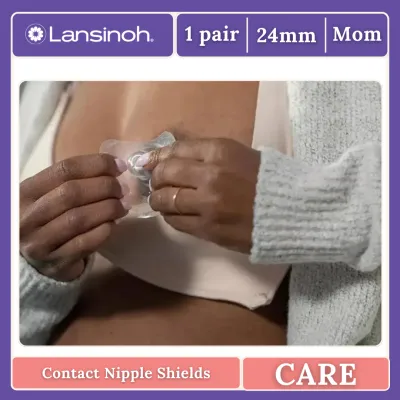
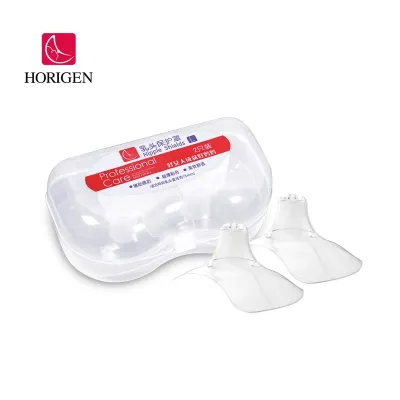
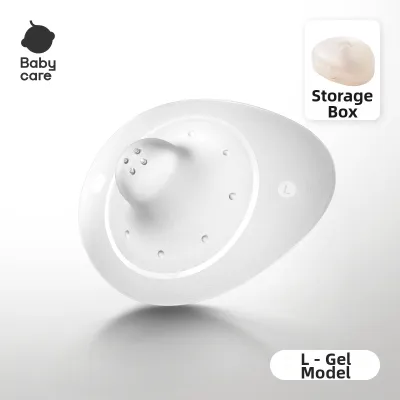
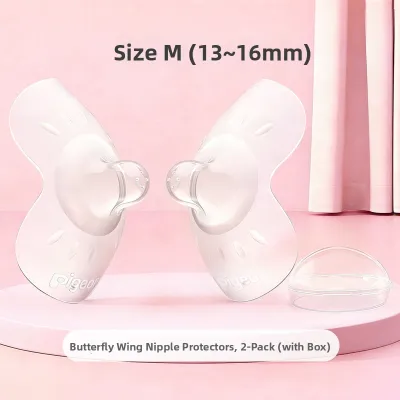
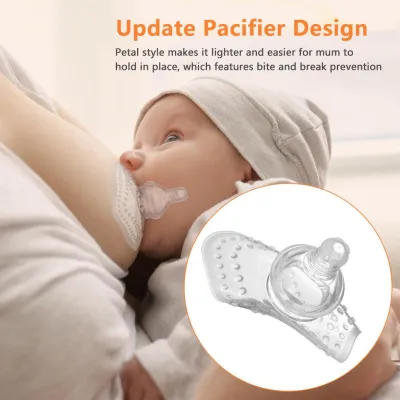
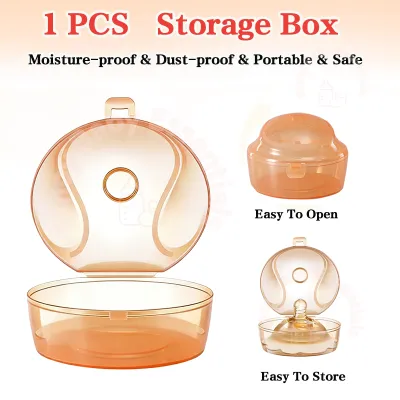
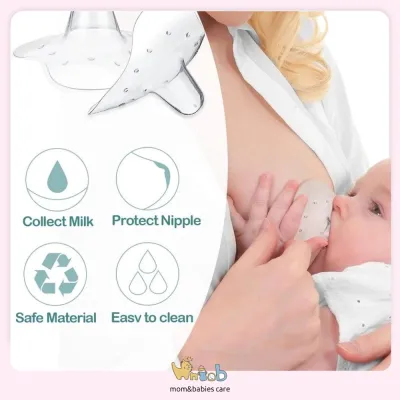
Prices are valid at publication and may change. Please refer to the product page for the latest price.
A shallow latch is one of the most common hurdles in early breastfeeding. You might notice your baby making a clicking sound while sucking, which indicates they are losing suction, or frequently slipping off the breast. After a feeding session, inspect your nipple; if it looks flattened, creased, or shaped like a new lipstick, the latch is too shallow and requires adjustment.
Nipple Pain and Damage
It is normal to feel mild tenderness during the first week of breastfeeding. However, severe pain, cracking, bleeding, or blistering are clear signs of trauma rather than typical adjustment. Another symptom is blanching, where the nipple turns white or purple immediately after a feed due to restricted blood flow caused by compression. These issues usually stem from positioning errors rather than anatomical problems.
Nipple Anatomy
Some mothers have flat or inverted nipples that do not naturally protrude when stimulated. You can check this by gently compressing your areola about an inch behind the base of the nipple; if the nipple retracts inward instead of pointing outward, it is inverted. This can make it difficult for a newborn to locate the nipple and draw enough breast tissue in to create a secure latch.
Baby’s Behavior
Your baby’s actions during feeds can also signal a struggle. A baby who constantly arches their back, cries, or pulls away from the breast may be frustrated by a slow milk flow. Conversely, some babies become excessively sleepy at the breast, drifting off after only a few minutes because they are exhausted from trying to latch. Monitoring weight gain and tracking wet and dirty diapers are essential ways to verify if these behaviors are affecting overall milk intake.
Evaluating if a Nipple Shield is the Right Step
Deciding to use a nipple shield involves weighing whether the device will serve as a helpful, temporary bridge or if it will simply complicate your breastfeeding journey.
When It May Help
A nipple shield can be highly beneficial in specific, medically observed situations. Premature infants, who often have weaker suction and underdeveloped oral muscles, can benefit from the firm, consistent shape of a silicone shield, which stimulates their palate and encourages a stronger sucking reflex. It can also assist babies with oral anomalies, such as a tongue-tie, particularly during the healing phase after a surgical release. Additionally, mothers with highly inverted nipples that do not respond to manual stimulation may find the shield helps the baby locate the breast more easily.
When to Avoid
You should avoid using a nipple shield as a quick fix for general nipple pain. If the pain is caused by a poor latch, placing a silicone barrier over the nipple does not correct the baby’s positioning. The baby will continue to apply pressure incorrectly, which can lead to deeper tissue damage and a reduction in milk transfer. Masking the pain with a shield without addressing the root cause can delay necessary adjustments and lead to long-term feeding complications.
The “Bridge” Concept
It is crucial to view the nipple shield as a temporary transition tool rather than a permanent fixture. The primary goal of the shield is to keep your baby feeding directly at the breast while you work on resolving the underlying latch or anatomical issues. As your baby grows, their mouth becomes larger and their suction stronger, making it much easier to transition off the shield and back to direct skin-to-skin breastfeeding.
Professional Assessment
Because improper shield use can negatively impact your milk supply and your baby’s weight gain, an in-person evaluation by an IBCLC or a pediatrician is essential. A professional can observe a full feeding session, assess your baby’s oral anatomy, and help you determine if a shield is truly necessary. They can also guide you on how to select the correct size and teach you the proper technique for applying the shield to ensure safe and effective milk transfer.
Safe Usage, Sizing, and Stopping Conditions
If a lactation professional recommends using a nipple shield, adhering to strict safety, sizing, and hygiene protocols is vital for your baby’s health and your milk supply.
Sizing and Fit
Nipple shields are not one-size-fits-all; they are measured in millimeters based on the diameter of the base of your nipple. To find the correct size, refer to the manufacturer’s sizing guide and measure your nipple before a feeding session. When applied, your nipple should center easily within the tunnel without rubbing against the sides. During a feed, observe the movement; your nipple should expand and move freely inside the shaft, and the baby’s lips should flange outward on the wide silicone brim.
Hygiene and Care
In warm, humid tropical environments, keeping infant feeding equipment clean is critical to prevent the growth of harmful bacteria and yeast, which can cause thrush. Always wash the nipple shield with warm, soapy water immediately after every use. Sterilize the shield once a day by boiling it in water for the duration recommended by the manufacturer, or by using a dedicated steam sterilizer. Store the dry shield in a clean, ventilated container to prevent moisture buildup.
Monitoring Milk Transfer
Because a silicone barrier can sometimes reduce the efficiency of milk removal, you must actively monitor how much milk your baby is receiving. Watch for active swallowing patterns, characterized by a deep jaw drop and an audible gulp, rather than rapid, shallow sucking. Keep a detailed log of your baby’s wet and dirty diapers. In the early weeks, a well-hydrated baby should produce at least six wet diapers and several dirty diapers daily. Regular weight checks with your pediatrician will confirm if the shield is affecting overall milk transfer.
Stopping Triggers
You should stop using the nipple shield and seek immediate medical or professional help if you experience worsening nipple pain, if your baby refuses to feed even with the shield, or if you notice a significant drop in your milk supply. Additionally, if your baby shows signs of poor hydration, such as dark urine, extreme lethargy, or a lack of wet diapers, contact your pediatrician immediately to evaluate their health and discuss alternative feeding methods.
Effective Alternatives to Try First
Before introducing a physical barrier like a nipple shield, there are several practical, non-device interventions you can try to address common breastfeeding hurdles.
Positioning and Latch Adjustments
Often, a simple change in how you hold your baby can dramatically improve the depth of their latch. The laid-back breastfeeding position, where you recline comfortably at a semi-upright angle, allows your baby’s natural feeding reflexes to take over as they rest against your chest. The cross-cradle hold is another excellent option, providing maximum head support so you can gently guide your baby’s mouth to approach the breast at a wide, asymmetrical angle, ensuring they take in a large portion of the lower areola.
Nipple Preparation
If flat or inverted nipples are making it difficult for your baby to latch, try preparing the breast before offering it. Gently roll or stimulate your nipple between your thumb and forefinger to help it protrude. You can also use a manual breast pump or a silicone milk collector for one to two minutes just before feeding to draw the nipple out. Another effective technique is reverse pressure softening, where you press your fingertips gently around the base of the nipple for a minute to push fluid back into the breast, making the areola softer and easier for the baby to grasp.
Managing Engorgement
When your breasts are overly full and engorged, the skin stretches tight, flattening the nipple and making it nearly impossible for a baby to latch. To soften the breast, hand express a small amount of milk before feeding until the areola feels pliable. Applying a cool compress to the breast for a few minutes before a feed can also help reduce localized swelling and improve comfort, making it easier to establish a deep latch without needing a shield.
Pacing and Breaks
If your baby becomes highly frustrated and begins to cry or pull away, avoid forcing them onto the breast. Instead, take a short break to calm both yourself and your baby. Place your baby skin-to-skin against your chest, which naturally lowers stress hormones and encourages instinctive feeding behaviors. Once your baby is calm and showing gentle hunger cues, such as rooting or sucking on their hands, try latching them again in a relaxed environment.
Frequently Asked Questions (FAQ)
How do I know if the nipple shield is the correct size?
A correctly sized nipple shield allows your nipple to move freely inside the central tunnel during feeding without rubbing, pinching, or friction. The tip of your nipple should not press tightly against the very end of the silicone dome, and the surrounding skin of your areola should not be pulled excessively into the shaft. If you experience pain, notice redness or bruising on your nipple after a session, or if your baby struggles to maintain a seal, the shield may be the wrong size. Always consult the manufacturer’s measurement guidelines or ask a lactation consultant to verify the fit.
Will using a nipple shield reduce my milk supply?
Using a nipple shield can potentially impact your milk supply if it is not monitored closely. Because the silicone barrier reduces direct skin-to-skin contact and can slightly alter the baby’s suction, the breast may not receive the optimal stimulation required to maintain a robust milk supply. To protect your milk production, monitor your baby’s diaper output and weight gain carefully. If you suspect your baby is not draining the breast efficiently, you can use a breast pump or practice hand expression after feeding sessions to ensure your breasts are fully emptied and to stimulate continued milk production.
Community discussion
Share your experience or ask a question. Comments are reviewed before publication.