
Quick Answer: Do You Actually Need a Belly Supporter?
A belly supporter for pregnant individuals is not a mandatory purchase. It is a supportive accessory designed to alleviate specific physical discomforts, typically during the second and third trimesters when your body undergoes rapid structural changes. If you are navigating your pregnancy comfortably without persistent aches, you do not need to buy one simply because it appears on popular registry lists. However, if daily movements are becoming painful due to lower back strain, pelvic pressure, or a heavy dragging sensation in your abdomen, a support belt can offer significant relief. Before introducing any supportive device into your routine, consult your OB-GYN or a physical therapist to ensure it is safe for your specific pregnancy profile and will not interfere with any underlying health conditions.
5 Physical Signs You Might Benefit from a Maternity Support Belt
As your pregnancy progresses, your baby grows and your uterus expands, shifting your natural center of gravity forward. This forces your musculoskeletal system to adapt rapidly, often leading to postural compensations that strain your muscles, ligaments, and joints. Recognizing the specific physical signs that your body is struggling to cope with this extra weight can help you decide if structural support is necessary. Here are five key indicators that a maternity support belt could help restore your comfort and mobility.

Lower Back Pain and Pelvic Pressure
The first two major signs are persistent lower back pain and deep pelvic pressure. As your uterus grows heavier, your lower spine naturally arches forward to compensate for the front-heavy load, a posture known as lordosis. This postural shift places continuous mechanical stress on your lower back muscles and the sacroiliac joints in your pelvis. Additionally, relaxed ligaments from pregnancy hormones can cause the pelvic girdle to feel unstable or painful when walking or changing positions.
Products mentioned in this guide
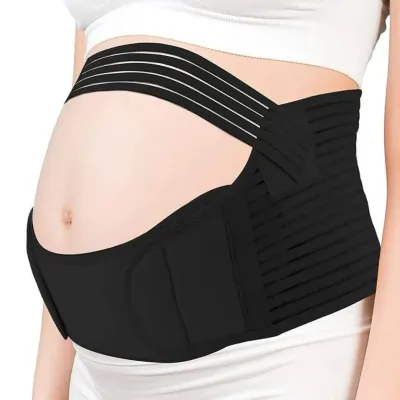
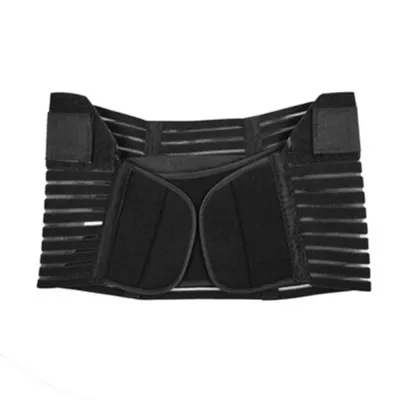
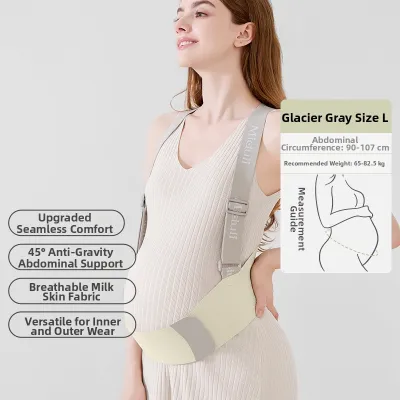
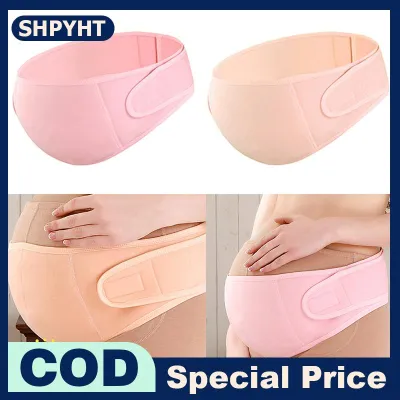
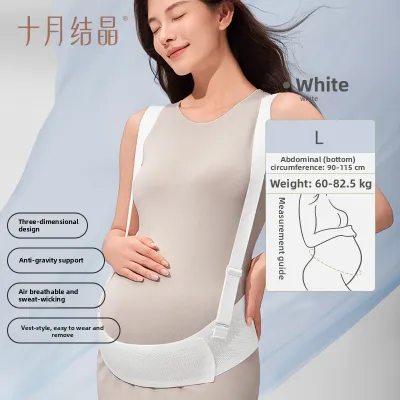
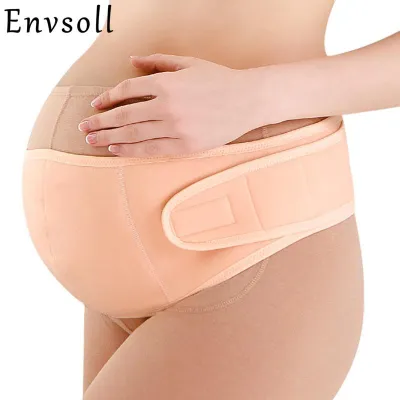
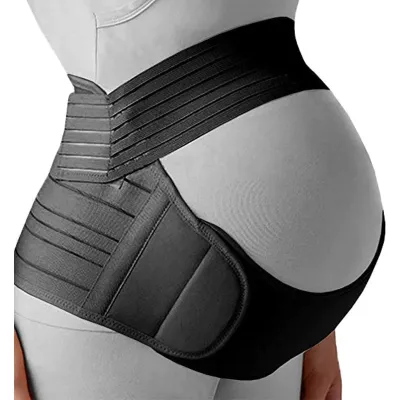
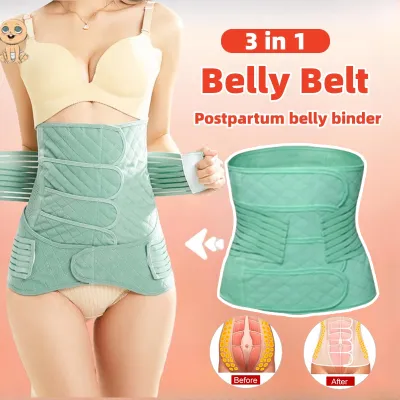
Prices are valid at publication and may change. Please refer to the product page for the latest price.
A belly supporter works by gently lifting the lower abdomen and redistributing the baby’s weight more evenly across your hips and lower back. This external stabilization mimics the support of your natural ligaments, reducing the shear forces on your pelvis and allowing your lower back muscles to rest. However, if you experience sharp, sudden, or severe localized pain, or if your discomfort is accompanied by vaginal bleeding, fluid leakage, or cramping, seek immediate medical attention rather than relying on a support belt.
Abdominal Heaviness and Round Ligament Pain
The third and fourth signs involve a constant sensation of abdominal heaviness and sharp, localized round ligament pain. Many pregnant individuals describe a “dragging” or “pulling” feeling in the lower stomach, especially during the third trimester when the baby gains weight rapidly. Alongside this heaviness, you might experience round ligament pain, which manifests as sharp, stabbing, or jabbing sensations on one or both sides of your lower abdomen or groin.
These sudden pains are typically triggered by rapid movements, such as rolling over in bed, standing up quickly, or coughing, as the ligaments supporting your uterus are stretched tight. Utilizing a belly supporter provides gentle, upward compression that stabilizes the uterus and minimizes the sudden jolts that pull on these sensitive ligaments. By cradling the underbelly, the belt reduces the constant downward pull, making daily movements feel much more manageable.
Discomfort During Daily Activities or Prolonged Standing
The fifth sign is a noticeable peak in physical discomfort during routine daily activities or periods of prolonged standing. If you work a job that requires you to be on your feet, manage household chores, or enjoy taking daily walks, you may notice that your pain or fatigue escalates significantly during these times. Gravity is a constant force, and the longer you remain upright without support, the more strain is placed on your pelvic floor and lower back.
To determine if a supporter is necessary, try tracking when your physical discomfort peaks throughout the day. If your morning starts pain-free but you find yourself struggling to stand or walk by the afternoon, your body is signaling that it needs assistance during those high-exertion windows. A support belt is highly effective when worn strategically during these specific activities, helping you maintain your stamina without enduring unnecessary physical exhaustion.
When You Likely Do Not Need a Belly Supporter
While a maternity support belt is incredibly helpful for managing discomfort, it is not a universal requirement, and there are several scenarios where using one is unnecessary or even counterproductive. Understanding these situations can save you from an unnecessary purchase and help you avoid potential physical drawbacks.
First, a support belt is rarely needed during the first trimester. During these early weeks, the uterus remains relatively small and is protected within the bony pelvis, meaning there is no significant forward shift in your center of gravity or substantial weight to support. Introducing a compressive belt during this phase offers no structural benefit and may cause unnecessary abdominal pressure.
Second, if you are experiencing a comfortable, pain-free pregnancy, you do not need to wear a supporter. Some expectant mothers assume that wearing a belt is a preventive measure that every pregnant person must take, but this is a misconception. If your body is adapting well to the physical changes without pain, pelvic girdle instability, or severe fatigue, your natural musculature is doing its job perfectly.
Third, relying on a support belt excessively can lead to muscle weakness. Your core and lower back muscles need to stay active and engaged to support your spine and prepare your body for labor and postpartum recovery. If you wear a highly supportive belt continuously, your muscles may begin to rely on the external brace, gradually weakening over time. Use the belt as a temporary tool for physical activity rather than a continuous crutch.
Finally, a compressive belt can exacerbate certain digestive issues. Pregnancy hormones naturally slow down digestion, often leading to acid reflux, bloating, and indigestion. Wearing a tight band around your abdomen increases intra-abdominal pressure, which can push stomach acid upward and worsen heartburn. If your primary discomforts are digestive rather than orthopedic, a support belt is likely to make you feel more uncomfortable.
What to Look for When Buying a Belly Supporter in a Tropical Climate
If your physical symptoms indicate that you would benefit from a belly supporter, your next step is choosing a product that suits your body and your environment. In a hot and humid tropical climate like the Philippines, choosing the wrong material or design can quickly lead to skin issues, making the belt impossible to wear comfortably.
Breathable Fabrics for Humid Weather
When shopping for a belly supporter in a tropical environment, the material composition is your most critical consideration. Many standard orthopedic braces are made of thick, heavy neoprene or dense synthetic blends designed to trap heat. In high humidity, these non-breathable fabrics trap sweat against your skin, creating a warm, damp environment that is highly susceptible to heat rashes, chafing, and fungal or bacterial infections under your belly.
Instead, prioritize lightweight, moisture-wicking, and highly breathable fabrics. Look for supporters that incorporate specialized mesh panels, perforated elastic, or cotton-blend linings that allow air to circulate freely. Because pregnancy can make your skin significantly more sensitive and prone to dermatological irritation, check product labels for hypoallergenic or dermatologically tested materials. A high-quality, breathable belt might range in price from ₱500 to ₱2,000 on major online marketplaces, and investing in a well-ventilated option is essential for daily comfort in warm weather.
Adjustability and Proper Fit
Your body changes rapidly during pregnancy, meaning a support belt must be highly adjustable to remain useful over several months. Look for designs that feature strong, high-quality Velcro closures or multi-tiered adjustable straps. These allow you to customize the level of compression and expand the belt’s circumference week by week as your baby grows, ensuring you do not have to purchase multiple sizes.
The width of the support band is another vital factor to evaluate. A band that is too narrow can dig painfully into your lower abdomen or hips, causing localized pressure spots and skin irritation. Conversely, a belt that is too wide can restrict your natural range of motion, ride up your back, or bunch up when you attempt to sit down. When determining your size, do not rely on your pre-pregnancy clothing sizes; instead, consult the manufacturer’s specific sizing chart and measure your under-belly circumference with a flexible measuring tape to find the correct fit.
Safety Rules: How to Wear It and When to Stop
Using a belly supporter safely requires adhering to proper physical application techniques and remaining highly aware of your body’s signals. Because this is a supportive device, incorrect usage can lead to localized discomfort or restricted blood circulation.
Proper Positioning and Tightness
To wear a belly supporter correctly, position the main band low on your pelvis, cradling the very bottom of your underbelly and resting comfortably on your hips. It should never be wrapped tightly around the middle of your stomach or placed directly over your belly button, as this exerts downward pressure on your uterus and bladder rather than providing an upward lift. The goal is to lift the weight of the abdomen, not compress it.
A reliable way to verify the correct tightness is the “two-finger rule.” Once the belt is secured, you should be able to comfortably slide two fingers between the band and your skin without feeling restricted. The belt should feel like a firm, supportive hug, not a tight binding. Additionally, remember to remove the supporter when you are sitting down for extended periods, resting, or sleeping; the belt is designed to assist your body against gravity during movement, and wearing it while sedentary is unnecessary and can restrict blood flow.
Warning Signs to Remove It Immediately
While a belly supporter is a highly effective comfort aid, it is crucial to recognize the physical red flags that indicate you must remove the belt immediately. If you notice a decrease in fetal movement, experience numbness, tingling, or a “pins and needles” sensation in your legs or pelvic region, or feel any shortness of breath, take the belt off right away. These symptoms suggest that the belt is too tight, incorrectly positioned, or compressing major blood vessels.
You should also monitor your skin for signs of irritation, such as persistent redness, chafing, itching, or allergic rashes. Always check the manufacturer’s care instructions for your specific belt, as regular washing is necessary to remove sweat and bacteria that build up in humid climates. Remember that a belly supporter is designed solely to relieve minor musculoskeletal discomfort; it is not a medical treatment. If your pelvic or back pain persists, worsens, or is accompanied by regular contractions, stop using the belt immediately and consult your healthcare provider to rule out conditions like symphysis pubis dysfunction (SPD) or preterm labor.
Frequently Asked Questions (FAQ)
Can wearing a belly supporter harm the baby?
When worn correctly, a belly supporter will not harm your baby. Your baby is highly protected inside the uterus, cushioned securely by amniotic fluid and the muscular uterine wall. To ensure safety, always position the belt low on your hips to cradle the underbelly rather than compressing the middle of your stomach, and never pull the straps too tight. If you feel any discomfort or restriction, loosen the belt immediately.
How many hours a day should I wear a maternity support belt?
It is generally recommended to limit wearing a maternity support belt to 2 to 3 hours at a time. You should wear it strategically during activities that trigger your discomfort, such as walking, standing, or doing household chores, rather than keeping it on all day. Taking regular breaks allows your skin to breathe in humid weather and ensures your core muscles continue to engage and stay strong. Never wear a support belt while sleeping.
Is a belly band the same as a belly supporter?
No, they serve different purposes. A belly band is typically a seamless, highly stretchy loop of fabric designed to slide over your unbuttoned pre-pregnancy pants to keep them secure or to provide light coverage and gentle compression. A belly supporter, or maternity support belt, is a more structured device featuring adjustable straps, firmer materials, and sometimes rigid panels designed specifically to lift the weight of the abdomen and relieve orthopedic strain on your back and pelvis. Choose a belly band for light coverage and a belly supporter for targeted pain relief.
Community discussion
Share your experience or ask a question. Comments are reviewed before publication.