
When your baby starts growing rapidly, daily carrying can transform from a sweet bonding experience into a intense physical workout. If you find your shoulders aching, your lower back straining, or your arms constantly tired from holding your child, you might be considering a baby carrier with a hip seat. This specific type of carrier features a firm, built-in shelf around the waistband, designed to support your baby’s weight from underneath.
A baby carrier with a hip seat is highly beneficial if your baby is older, has strong head control, and is becoming too heavy for a traditional soft carrier. It is particularly helpful if you frequently need to pick up and set down your child throughout the day, or if you live in a warm climate where a close, fully wrapped carrier feels too hot. However, if you are caring for a newborn, prefer a highly compact carrier that fits easily into a small diaper bag, or only carry your baby for brief moments to soothe them to sleep, a traditional wrap or soft-structured carrier is usually a better fit.
5 Signs You Might Need a Baby Carrier with a Hip Seat
You Experience Lower Back or Arm Strain
When holding a baby without a carrier, parents naturally lean their hips outward or arch their backs to create a supportive shelf. This asymmetrical posture causes long-term spinal misalignment and muscle fatigue. A standard soft-structured carrier hangs the baby’s weight from your shoulders, which can pull your upper body forward and strain your neck. A hip seat carrier acts as a solid, physical shelf that rests directly on your pelvic bones, transferring the load to your hips and legs, which are far better suited for heavy lifting than your delicate shoulder muscles.
Products mentioned in this guide
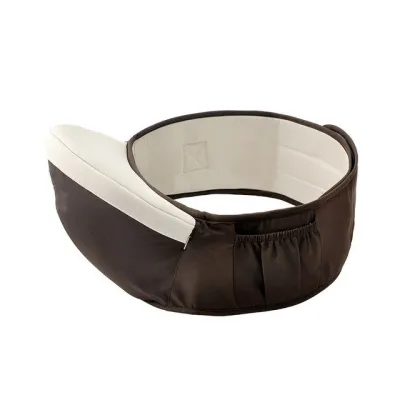
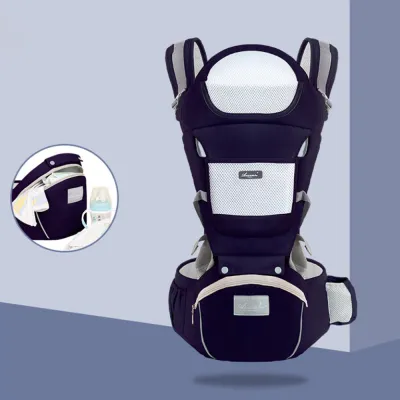
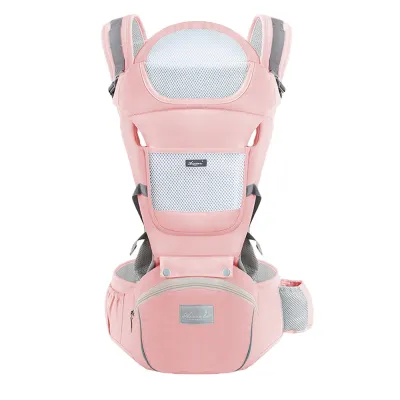
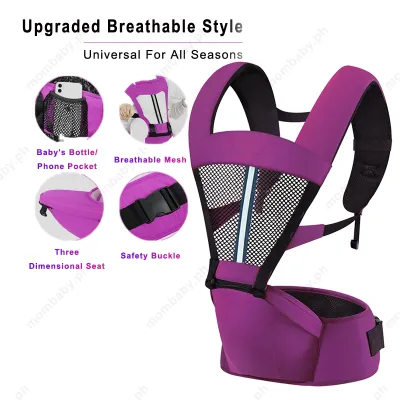
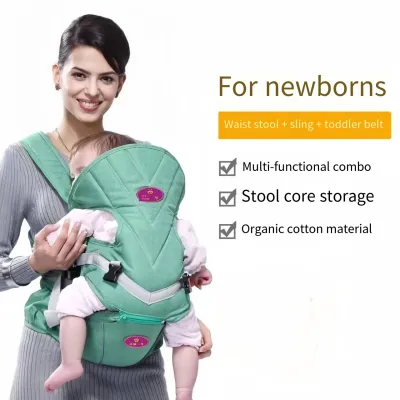

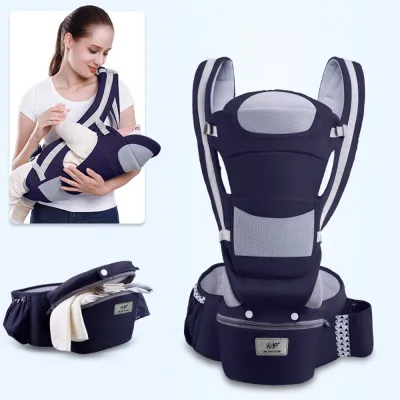
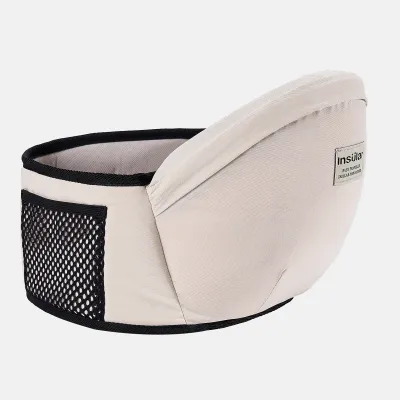
Prices are valid at publication and may change. Please refer to the product page for the latest price.
Your Baby is Getting Heavier and More Active
As babies cross the 6-to-9-month mark, they experience rapid growth spurts and become much more active. When a baby reaches approximately 7 to 10 kilograms, carrying them in a standard forward-facing carrier can put immense pressure on your spine because their center of gravity shifts away from your body. The structured base of a hip seat keeps the baby’s weight centered closer to your torso, preventing you from having to lean backward to compensate for their weight.
You Need to Frequently Put Your Baby Down and Pick Them Up
Toddlers are notorious for wanting independence one minute and cuddles the next. Standard baby carriers require buckling multiple straps, adjusting harnesses, and securing safety clips every single time your child wants to change positions. With a hip seat carrier—especially when using the seat as a standalone base—you can simply lift your toddler onto the shelf and support them with one arm, then set them down just as quickly when they want to run around again.
Your Baby Prefers an Outward-Facing or Side-Carrying View
Around half a year into development, babies become highly curious about their surroundings and may protest when facing inward. Standard carriers can be tricky to adjust for comfortable side-carrying, often forcing your body into an awkward, asymmetrical tilt. A hip seat naturally allows for forward-facing, parent-facing, and hip-seat riding, matching the baby’s developmental curiosity while keeping your posture perfectly aligned.
You Plan on Long Walks or Extended Carrying Sessions
Whether you are navigating busy local markets, walking around a large shopping mall, or traveling, sustained carrying requires superior ergonomic support. In a tropical climate like the Philippines, pushing a stroller through crowded streets or uneven pathways can be incredibly challenging. A hip seat carrier distributes your child’s weight evenly across a wide, supportive waistband, reducing overall fatigue and allowing you to enjoy extended outings with your little one.
When a Regular Baby Carrier or Wrap is Enough
Newborn and Early Infant Stages
Newborns lack the spinal strength and head control required to sit on a structured platform. During the first few months of life, infants need a soft, snug fit that supports their natural C-curved spine and keeps their head secure. This delicate support is best achieved through the close, contouring hold of a fabric wrap or a specialized newborn-ready soft carrier, which mimics the secure environment of the womb.

Short-Duration Carrying
If you only use a carrier to put your baby to sleep for ten minutes in the bedroom or to transfer them quickly from the car to the house, a heavy-duty hip seat carrier is likely unnecessary. A simple ring sling or a lightweight soft carrier is much faster to slip on and off for brief tasks, making the added structure of a hip seat redundant for short-term use.
Preference for Minimalist Storage
The rigid foam or plastic wedge inside a hip seat cannot be folded or compressed. If your diaper bag is already packed to the brim, or if you prefer to travel light, carrying a bulky hip seat carrier can be inconvenient. Traditional wraps and soft-structured carriers can be rolled up tightly and tucked into a small corner of your bag, making them the superior choice for minimalist travelers.
Baby's Preference for a Deep "Hug"
Some infants are easily overstimulated by their environment and prefer the secure, enclosed feeling of a fabric wrap that blocks out the outside world. The structured space of a hip seat does not offer the same close, fabric-wrapped “hug” feeling. If your baby is comforted primarily by tight, swaddle-like pressure, they may settle more easily in a traditional wrap or flexible carrier.
Hip Seat vs. Regular Carrier: Matching the Solution to Your Problem
Choosing between these two options depends heavily on your daily routine, your baby’s age, and your physical comfort. Neither option is universally superior; instead, they serve different phases of a child’s growth and different caregiver needs. Many families find that they naturally transition from a soft wrap in the early months to a structured hip seat carrier as their child becomes a busy toddler.
| Feature | Regular Carrier or Wrap | Baby Carrier with Hip Seat |
|---|---|---|
| Primary Weight Distribution | Distributed across shoulders, upper back, and torso | Focused on the hips, pelvis, and lower abdomen |
| Ideal Developmental Stage | Newborns up to early toddlerhood | Older infants (with head control) to active toddlers |
| Bulk and Portability | Highly compact; easily rolls up into a diaper bag | Bulky and rigid due to the structured seat insert |
| Ease of Quick Transitions | Requires adjusting straps and buckles each time | Extremely fast for frequent "up-and-down" movements |
| Best Use Case | Newborn napping, close bonding, and indoor soothing | Active exploration, long walks, and heavier children |
Crucial Safety and Development Checks Before Using a Hip Seat
Baby's Physical Readiness
Before transitioning your baby to a hip seat carrier, you must verify that they are developmentally ready. Do not rely solely on age guidelines. Your baby must demonstrate strong, independent head and neck control, and they should be able to sit upright with minimal assistance. Always check the manufacturer’s specific product documentation or the safety tag on the carrier to verify the minimum and maximum weight limits, as these boundaries vary significantly by brand.
Hip Health and Positioning
When placing your baby in any carrier, maintaining ergonomic positioning is critical for healthy joint development. The International Hip Dysplasia Institute emphasizes the importance of the “M-position” (or frog-leg position), where the baby’s knees are level with or slightly higher than their hips, and their thighs are fully supported. A high-quality hip seat must be wide enough to support your baby’s thighs properly, preventing their legs from hanging straight down, which can put dangerous strain on their developing hip sockets.
Caregiver's Physical Condition
Because a hip seat carrier relies on a firm, wide waistband to distribute weight, it places direct pressure on your lower abdomen and pelvic girdle. Caregivers recovering from abdominal surgery (such as a C-section), dealing with pelvic floor dysfunction, or suffering from chronic lower back issues should consult a healthcare professional before using one. If you experience any pain or unusual pressure while wearing the carrier, stop using it immediately and seek professional medical advice.
What to Look for If You Decide to Upgrade
Wide, Padded Waistbands
A narrow waistband will dig into your skin and cause discomfort over time. Look for a broad, heavily padded belt that secures with a combination of high-quality hook-and-loop fasteners and a robust, heavy-duty safety buckle. This dual-closure system ensures the waistband remains secure and comfortable, even when supporting a heavy toddler.
Climate-Appropriate Fabrics
In a warm and humid tropical climate, heat rash and sweating can make babywearing uncomfortable for both you and your child. Prioritize carriers made with breathable 3D mesh panels, lightweight cotton, or moisture-wicking fabrics. Some carriers feature zippered front panels that can be rolled down to reveal a mesh lining, allowing for maximum airflow on hot days.
Adjustable and Anti-Slip Seats
To keep your baby safe and secure, the top of the hip seat should feature a non-slip textured surface or silicone prints to prevent them from sliding around. Additionally, look for a seat designed with a slight upward tilt toward your body, which naturally keeps your baby’s center of gravity close to your chest.
Hybrid Versatility
If you want the best of both worlds, consider a hybrid carrier that features a removable hip seat. These versatile designs allow you to zip or buckle off the upper carrier panel, giving you the flexibility to use it as a full double-shoulder carrier, a single-shoulder carrier, or a standalone hip seat as your child’s needs change throughout the day.
Frequently Asked Questions (FAQ)
Can a hip seat carrier cause back pain?
While a hip seat carrier is designed to reduce back pain by redistributing weight to your hips, improper use can still cause muscle strain. Wearing the waistband too low on your hips or fastening it too loosely can cause the seat to sag, forcing you to lean backward or sideways to balance. To prevent pain, always secure the waistband high and tight around your natural waist, take regular breaks, and ensure you follow the manufacturer’s fitting instructions.
At what age can a baby start using a hip seat?
Most babies are developmentally ready to use a hip seat carrier around 6 months of age, but readiness is defined by physical milestones rather than a strict chronological age. Your baby must have excellent head and neck control and be able to sit up independently before using this type of carrier. Always check the specific safety label on your product, as minimum weight and age requirements vary depending on the design and structural support of the carrier.
Community discussion
Share your experience or ask a question. Comments are reviewed before publication.