
A maternity support belt is not a mandatory purchase for every pregnancy. Instead, it is a highly targeted tool designed to relieve specific physical strains. Many expectant mothers navigate their entire pregnancies comfortably without one, relying simply on natural body adjustments and rest.
However, as your baby grows, the extra weight can place significant stress on your lower back, pelvis, and abdominal muscles. This is where a belt para sa buntis can offer relief, primarily during the second and third trimesters when physical changes accelerate. If your daily routine involves prolonged standing, walking, or physical tasks, this accessory can help manage discomfort.
Conversely, if your symptoms are mild or occur only occasionally, simpler adjustments like posture correction, regular rest, or supportive clothing may be entirely sufficient. Understanding your body’s signals will help you decide whether to invest in a support belt or opt for cost-free alternatives.
Products mentioned in this guide
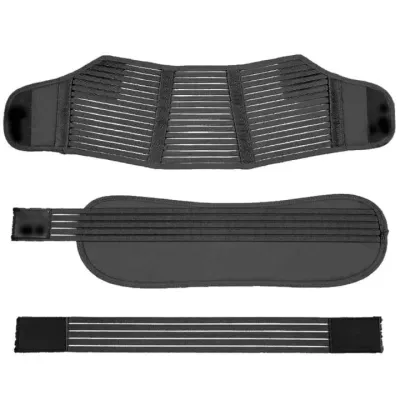
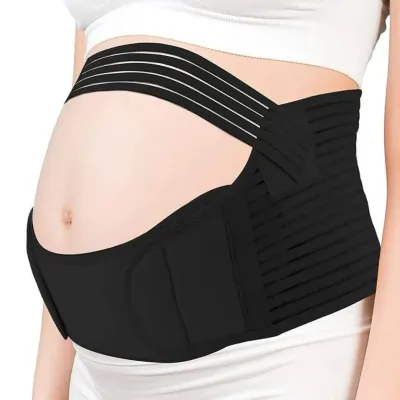
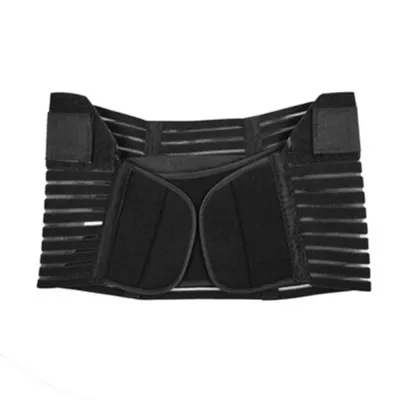
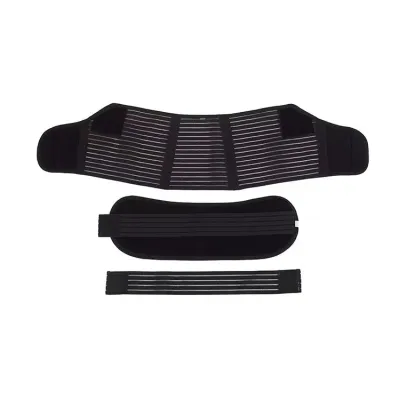
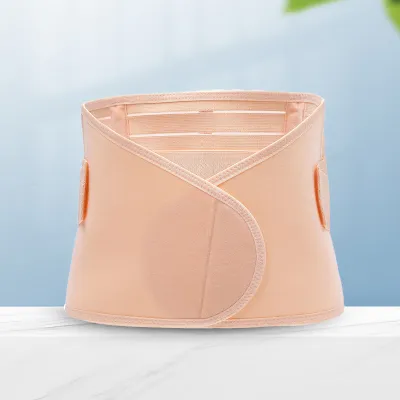
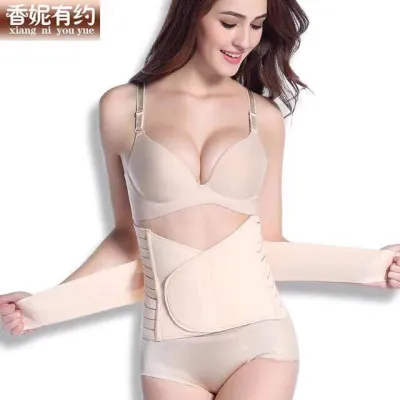
Prices are valid at publication and may change. Please refer to the product page for the latest price.
Physical Signs You Might Need a Belt para sa Buntis
Your body undergoes rapid mechanical shifts during pregnancy, and certain physical signs indicate that your muscles and ligaments are struggling to keep up with the extra weight. Recognizing these symptoms can help you determine if a support belt is a practical solution for your daily routine.
Persistent Lower Back and Pelvic Girdle Pain
As your uterus expands, your center of gravity shifts forward, causing your lower spine to arch excessively. This postural shift often leads to a dull, constant ache in the lower back, especially after standing for more than twenty minutes.
Additionally, pregnancy hormones like relaxin loosen your ligaments, which can cause instability in the pelvic joints. This instability often manifests as Pelvic Girdle Pain (PGP) or Sacroiliac (SI) joint pain, characterized by a sharp or deep ache in the pelvic area, hips, or buttocks. If you experience pain when climbing stairs, getting out of a car, or rolling over in bed, the targeted compression of a pelvic band can help stabilize these loose joints.
A Heavy, Pulling Sensation in the Lower Abdomen
During the later stages of pregnancy, you might feel a distinct downward pulling sensation in your lower belly. This feeling of abdominal heaviness is particularly common when walking, doing household chores, or standing in line at the grocery store.
This sensation occurs because your abdominal muscles are stretching to their limits and can no longer provide optimal natural support. A maternity belt acts as an external sling, gently lifting the abdomen from underneath to distribute the weight more evenly across your hips and upper back.
Frequent Round Ligament Pain
Round ligament pain is characterized by sharp, sudden, or jabbing pains on one or both sides of your lower abdomen or groin area. These spasms typically occur when you change positions quickly, stand up from a sitting position, cough, or laugh.
Because the round ligaments support the uterus by connecting it to the groin, they are under constant tension as your belly grows. A support belt stabilizes the uterus and minimizes the sudden movements that stretch these ligaments abruptly, reducing the frequency of these sharp twinges.
Postural Fatigue and Muscle Strain
If you find yourself slouching, leaning backward to balance your belly, or experiencing upper back fatigue by midday, your muscles are working overtime to maintain your balance. This postural strain can lead to chronic fatigue and muscle soreness.
While these physical signs strongly suggest that a support belt could be beneficial, they are not a substitute for a professional medical evaluation. You should always verify with your OB-GYN that your discomfort is standard pregnancy-related musculoskeletal strain rather than an underlying complication.
When a Support Belt Is Probably Unnecessary
Not every stage of pregnancy or level of discomfort requires external mechanical support. In many cases, purchasing a belt may result in an unnecessary expense with very little practical benefit.

Early Pregnancy and the First Trimester
During the first trimester, and often well into the second, the physical weight of the fetus and uterus is not substantial enough to cause mechanical joint strain. Any fatigue, mild cramping, or lower back twinges during these early weeks are typically driven by hormonal changes rather than physical weight.
Using a support belt during this period provides no functional benefit because there is no heavy abdominal load to lift or stabilize. It is best to wait until your bump is visibly prominent and causing noticeable physical strain before considering a purchase.
Mild or Occasional Discomfort
If your lower back or pelvic aches only occur after an exceptionally long day of activity and resolve completely after a short rest or a good night’s sleep, a support belt is likely unnecessary. Your body is naturally managing the load, and occasional tiredness is a normal part of the pregnancy journey.
In these instances, prioritizing rest, elevating your feet, and taking short breaks throughout the day are highly effective, cost-free ways to manage your physical energy without relying on external gear.
Sedentary Daily Routines
If your daily routine involves minimal standing or walking—such as working a desk job from home or being on prescribed bed rest—the mechanical benefits of a support belt are rarely realized. Support belts are designed to assist with gravity-based strain while you are upright and moving.
When you are seated or lying down, a belt can actually compress your abdomen uncomfortably, pinch your hips, or restrict your natural breathing patterns. If you spend the majority of your day sitting, a supportive ergonomic chair cushion is a much better investment.
Red Flag Symptoms That Require Immediate Medical Care
It is critical to distinguish between normal musculoskeletal discomfort and warning signs of a serious pregnancy complication. A support belt should never be used to self-treat sudden, severe, or sharp abdominal pain, pelvic pressure accompanied by vaginal bleeding, fluid leakage, or regular uterine contractions.
These symptoms are medical emergencies that require immediate evaluation by your healthcare provider. Attempting to use a support garment to relieve these types of pain can delay essential medical attention.
Comfort Alternatives to Try Before Buying
Before committing to a dedicated maternity support belt, there are several highly effective, low-cost, or existing solutions you can try to alleviate pregnancy discomfort.
Utilizing Pregnancy Pillows
Sleeping or resting with a specialized pregnancy pillow can dramatically reduce daytime pelvic and back pain. A wedge-shaped pillow placed directly under your belly when side-sleeping prevents the weight of your bump from pulling your spine out of alignment.
Similarly, placing a full-length U-shaped pillow between your knees and ankles keeps your hips stacked evenly, reducing pressure on the sacroiliac joints. This simple nighttime support allows your muscles to recover fully while you sleep, often eliminating the need for daytime support garments.
Opting for Maternity Support Panties or Leggings
If you only require mild, gentle compression, specialized maternity leggings or high-waisted support panties with built-in compression panels are excellent alternatives. These garments feature reinforced, elasticized zones beneath the belly and around the lower back.
Unlike structured belts, support wear provides a subtle lift without the bulk of Velcro straps or thick fabrics. This makes them highly comfortable for all-day wear, especially under thin or form-fitting clothing.
Mindful Posture and Movement Adjustments
Making conscious changes to how you move and stand can significantly reduce physical strain. When standing, distribute your weight evenly on both feet rather than shifting your weight to one hip, and avoid crossing your legs when sitting.
When getting out of bed or a car, keep your knees together and pivot your entire body as one unit to avoid twisting your pelvis. Taking frequent, short breaks to sit down and elevate your feet also helps minimize the cumulative effects of gravity on your lower back.
Gentle Prenatal Stretches and Exercises
Engaging in safe, doctor-approved prenatal yoga or targeted physical therapy stretches can strengthen your core and pelvic floor muscles naturally. Exercises like the cat-cow stretch, pelvic tilts, and gentle hamstring stretches help release muscle tension and improve joint stability.
Strengthening your natural “inner corset” through these gentle movements provides long-term structural support that a belt can only mimic temporarily. Always consult your OB-GYN or a prenatal fitness specialist before beginning any new exercise routine.
Key Features to Check If You Decide to Purchase
If you and your healthcare provider decide that a maternity support belt is necessary, selecting the right design is crucial for your comfort and safety. Because you will be wearing this garment during daily activities, pay close attention to its specific construction details.
Breathability and Fabric Choice
In the humid, tropical climate of the Philippines, heat and moisture management are primary concerns. A heavy, non-breathable belt can quickly trap sweat, leading to uncomfortable heat rashes, skin chafing, or yeast infections under the belly.
Prioritize belts made with lightweight, moisture-wicking materials, such as perforated neoprene, breathable mesh panels, or soft cotton blends. Avoid thick, solid synthetic fabrics that restrict airflow, especially if you plan to wear the belt outdoors or during daily chores.
Adjustability and Closure Systems
Your belly profile changes rapidly from week to week, meaning a fixed-size support garment will quickly become obsolete or uncomfortable. Look for belts featuring strong, high-quality Velcro closures or adjustable side straps that allow you to customize the tension easily.
Multi-part belts, which feature separate abdominal straps and upper belly bands, offer the highest level of adjustability. This design allows you to increase or decrease the level of lift and compression as your pregnancy progresses.
Width and Coverage Options
Support belts generally fall into two categories: narrow pelvic bands and wide belly wraps. Narrow bands focus specifically on compressing and stabilizing the pelvic ring and sacroiliac joints, making them ideal for pelvic girdle pain.
Wide belly wraps cover a larger surface area, extending from the lower abdomen to the mid-back to provide comprehensive lifting and pressure distribution. Choose the style that directly targets your primary source of discomfort, and always consult the manufacturer’s sizing chart—which is typically based on your current hip or belly measurements rather than your pre-pregnancy clothing size—to ensure a proper fit.
Safety Rules and When to Consult Your OB-GYN
Using a maternity support belt requires strict adherence to safety guidelines to protect both your health and your baby’s development. Misusing a support garment can lead to muscle weakness, skin damage, or restricted circulation.
Ensuring a Proper, Safe Fit
A maternity support belt should feel like a firm, supportive hug, never a restrictive bind. It must be positioned low on your hips, cradling the underside of your belly to lift it upward, rather than wrapping tightly across the center of your abdomen.
If the belt leaves deep red indentations on your skin, restricts your breathing, or feels like it is pressing directly inward on your baby, it is far too tight. Adjust the straps immediately to a looser setting or remove the belt entirely.
Observing Strict Wear Time Limits
To prevent your core and back muscles from becoming dependent on external support, do not wear the belt continuously throughout the day. Limit your wear time to a maximum of two to three hours at a time, specifically during periods of high physical activity, walking, or standing.
Always remove the belt when you are resting, sitting for extended periods, or lying down. Overusing a support belt can cause your natural stabilizing muscles to weaken, potentially worsening your back and pelvic pain once the belt is removed.
Obtaining Prior Medical Clearance
Before purchasing or wearing a support belt, it is essential to obtain explicit clearance from your OB-GYN. This is particularly critical if you have high-risk pregnancy conditions, such as preeclampsia, gestational hypertension, restricted fetal growth, or a history of circulatory issues.
Your healthcare provider can verify that the belt will not interfere with your blood pressure management or fetal development, and they can often recommend the specific type of support that is safest for your unique anatomy.
Immediate Stop-Use Triggers
If you experience any adverse symptoms while wearing the belt, remove it immediately and contact your healthcare provider. Pay close attention to signs such as dizziness, shortness of breath, sudden nausea, skin irritation, or an increase in pelvic pain.
Additionally, monitor your baby’s movements closely. If you notice a sudden decrease in fetal activity or feel any unusual discomfort while the belt is secured, discontinue use immediately and seek professional medical evaluation.
Frequently Asked Questions (FAQ)
Can I wear a maternity support belt while sleeping?
No, you should not wear a maternity support belt while sleeping or lying down. When you are horizontal, gravity no longer pulls your belly downward, which eliminates the mechanical need for external support.
Wearing a belt in bed can restrict your natural breathing, compress your blood vessels, and limit your baby’s movement. If you experience pelvic or back pain at night, use a specialized pregnancy wedge or body pillow to support your alignment safely.
Will wearing a support belt weaken my abdominal muscles?
Yes, overusing a support belt can lead to muscle weakness. If you rely on the belt constantly throughout the day, your abdominal and lower back muscles do not have to work to support your body, which can cause them to become inactive or weak.
To prevent this, limit your belt usage to two or three hours of active standing or walking per day. Additionally, combine belt use with safe, doctor-approved prenatal core and pelvic floor exercises to maintain your natural muscular strength.
Community discussion
Share your experience or ask a question. Comments are reviewed before publication.