
As your body changes during pregnancy, you might wonder if every maternity accessory on the market is truly necessary. The short answer is that a belly band is not a mandatory purchase for every expecting mother, but it can be an incredibly helpful tool if you are experiencing specific physical discomforts. Whether you actually need one depends on your daily activity level, how your body carries the pregnancy weight, and any joint or muscle strain you experience as your baby bump grows.
If you are sailing through your trimesters with minimal aches, you can comfortably skip this purchase. However, if daily movement is becoming a chore, temporary physical support might be exactly what you need to stay active and comfortable.
What a Belly Band Actually Does (and What It Cannot Fix)
A belly band is designed to provide external physical support to your growing abdomen and lower back. By offering gentle upward lift, these garments help redistribute the weight of your baby bump more evenly across your torso. This mechanical redistribution can relieve some of the direct pressure on your pelvis, hips, and lower spine, making walking and standing much more comfortable during your daily routine.
Products mentioned in this guide
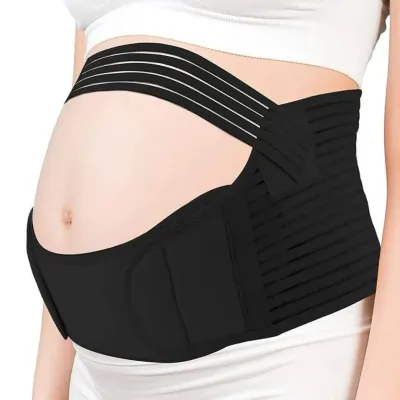
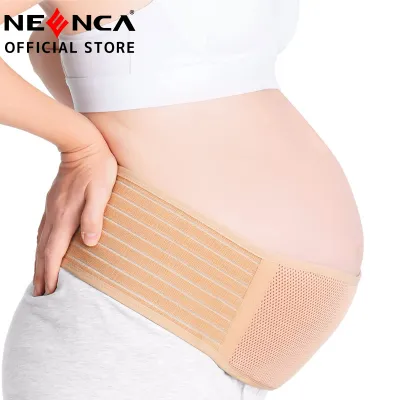
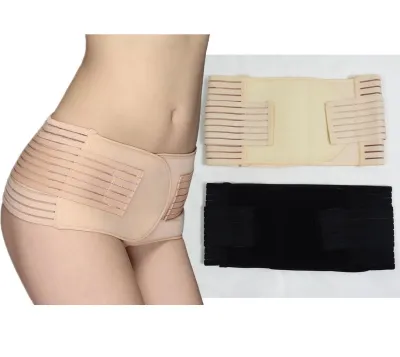
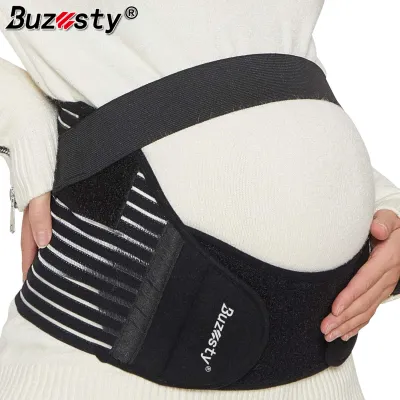
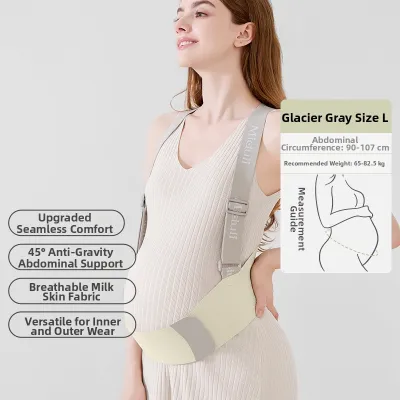
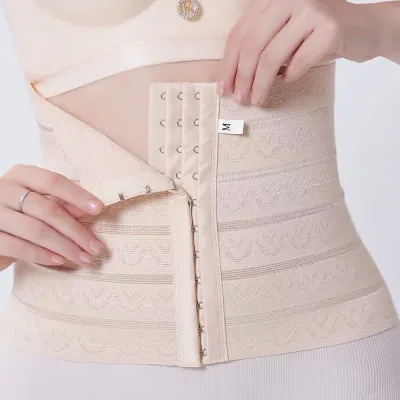
Prices are valid at publication and may change. Please refer to the product page for the latest price.
However, it is vital to understand that a belly band is a supportive accessory, not a medical cure. It cannot correct structural spinal issues, resolve severe pelvic floor dysfunction, or replace targeted prenatal physical therapy. If you are experiencing sharp, debilitating pain, relying solely on a support band may delay proper treatment. Always treat the band as a temporary comfort aid to assist your daily movements, and continue to prioritize regular prenatal checkups and doctor-approved exercises to keep your body strong.
Key Signs You Might Benefit from a Belly Band
Understanding your body’s signals is key to deciding if a support garment is worth the investment. As your pregnancy progresses into the second and third trimesters, physical changes can manifest as localized aches that respond well to external stabilization.

Lower Back and Pelvic Pressure
During pregnancy, your body releases a hormone called relaxin, which softens your ligaments to prepare your pelvis for childbirth. While this process is essential, it also makes your joints more mobile and less stable. As your baby grows, your center of gravity shifts forward, forcing your lower back to arch excessively to keep you upright. This postural shift often leads to a dull, aching sensation in the lumbar region or a feeling of intense, heavy pressure deep within your pelvic girdle.
A structured support belt can help stabilize these loose joints by gently squeezing the pelvic ring. This stabilization mimics the natural support of your ligaments, reducing micro-movements that trigger pain. If you find yourself holding your lower back when standing up, or if you feel a deep ache in your pubic bone after walking, a support band can help keep your pelvis aligned and ease that downward pressure.
Round Ligament Pain and Abdominal Heaviness
The round ligaments surround and support your uterus, stretching significantly as your pregnancy progresses. Sudden movements, such as rolling over in bed, standing up quickly, or even coughing, can cause these ligaments to spasm, resulting in a sharp, jabbing pain in your lower abdomen or groin. Additionally, many mothers experience a general sensation of abdominal heaviness, feeling as though they need to physically hold up their belly with their hands while walking.
Wearing a flexible belly band provides a mild, soothing compression that cradles the lower abdomen. This gentle compression limits the sudden stretching of the round ligaments during movement, which can significantly reduce the frequency and intensity of those sharp spasms. It acts like a supportive sports bra for your bump, taking the weight off your lower abdominal wall and giving you a sense of security during daily activities.
Active Lifestyles and Prolonged Standing
Your daily routine plays a massive role in whether you need extra physical support. If your job requires you to stand for hours, if you are busy managing household chores, or if your daily commute involves navigating busy streets and public transport, the physical load on your body is substantially higher. In the tropical climate of the Philippines, walking or standing for long periods can feel even more exhausting, putting extra strain on your muscles.
For active individuals, a belly band serves as an endurance aid. It helps delay muscle fatigue in your back and abdomen, allowing you to complete your daily tasks with less physical wear and tear. If you find that you are completely exhausted and sore by mid-afternoon, or if your physical responsibilities prevent you from resting whenever you feel tired, introducing a support band during your most active hours can help you maintain your mobility comfortably.
When You Probably Do Not Need a Belly Band
While these garments are incredibly helpful for many, they are not a universal requirement, and there are several situations where you can comfortably save your money. During the first trimester, your baby bump is still relatively small and nestled within the pelvic cavity, meaning your center of gravity has not yet shifted and your ligaments are not under significant strain. Purchasing a band early on is generally unnecessary unless specifically recommended by your doctor for a pre-existing condition.
Additionally, if you are fortunate enough to experience a comfortable pregnancy with little to no physical aches, there is no reason to wear a support garment. Your natural core muscles and ligaments are managing the weight distribution perfectly fine on their own, and adding external compression won’t offer any added benefit.
Finally, if you have a high-risk pregnancy, your medical needs take absolute precedence. In cases where your obstetrician has advised strict bed rest, or if you have conditions that restrict any form of abdominal compression, you should avoid belly bands entirely. Always consult your healthcare provider before introducing any compression wear, as improper use in sensitive pregnancies can carry risks.
Choosing the Right Support for a Tropical Climate
When shopping for maternity support in the Philippines, the local climate must be a primary consideration. The intense heat and high humidity mean that heavy, non-breathable fabrics can quickly lead to skin irritation, heat rashes, or excessive sweating. Look for bands made from lightweight, moisture-wicking materials such as bamboo blends, soft cotton, or high-quality breathable mesh panels. These fabrics allow air to circulate, keeping your skin dry and comfortable even during warm afternoons.
You will also need to choose between different styles of support. Simple, seamless pull-on belly bands are highly elastic tubes of fabric. These are excellent for light comfort, keeping your pants secure when you can no longer button them, and providing mild warmth or coverage. They are highly comfortable for casual wear but offer minimal structural support.
If you are dealing with moderate to severe back or pelvic pain, you will likely need a structured maternity support belt. These usually feature a wider back panel made of stiffer material, adjustable Velcro straps that wrap under your bump, and sometimes an upper strap to keep the belt secure. The adjustable nature of Velcro is highly practical, as it allows you to customize the tightness and support level as your bump grows throughout the second and third trimesters. In terms of cost, basic stretchy bands on local ecommerce platforms typically range from ₱300 to ₱600, while fully adjustable, structured orthopedic support belts can range from ₱800 to ₱1,800 or more.
Safe Usage Guidelines and When to See a Doctor
Using a belly band safely requires adhering to a few simple guidelines to protect both your health and your baby’s development. First, never wear a support band too tightly; it should feel like a snug, supportive hug, not a restrictive corset. If you notice deep red marks on your skin, feel short of breath, or experience indigestion after putting it on, the band is too tight and needs immediate adjustment.
Second, limit your wearing time. It is highly recommended to wear the band for no more than two to three hours at a time, specifically during periods of physical activity or prolonged standing. Wearing a band 24 hours a day can cause your body to rely too heavily on the external support, potentially reducing circulation and causing skin irritation. Always check the manufacturer’s care and usage instructions for your specific model, as materials and structural designs vary.
Most importantly, a belly band is not a substitute for professional medical care. If you experience severe or worsening abdominal pain, vaginal bleeding, sudden fluid leakage, or regular uterine contractions, remove the band immediately and seek urgent medical attention from your obstetrician or visit the nearest hospital. Prioritize your safety by consulting your healthcare provider at your next prenatal visit to ensure that using a compression garment is safe for your specific pregnancy profile.
Frequently Asked Questions (FAQ)
Can wearing a belly band weaken my core muscles?
Using a belly band for a few hours a day during active periods will not cause your core muscles to weaken or atrophy. The band is designed to temporarily assist your body when physical loads are highest, not to take over the work of your muscles permanently. To maintain your strength, combine the use of a support band with safe, doctor-approved prenatal exercises, such as pelvic tilts and gentle core engagement, to keep your abdominal and back muscles active.
Is it safe to sleep with a belly band on?
It is generally not recommended to wear a structured maternity support belt while sleeping or lying down for extended periods. When you are horizontal, gravity is no longer pulling your bump downward, so the physical need for upward lift is eliminated. Furthermore, wearing compression garments while asleep can restrict your blood circulation, compress your bladder, and cause physical discomfort. For nighttime comfort and alignment, opt for a dedicated pregnancy pillow to support your knees, hips, and bump instead.
Community discussion
Share your experience or ask a question. Comments are reviewed before publication.