
Breastfeeding is a deeply rewarding way to nourish your baby, but it often comes with a learning curve that can take a physical toll on your body. Many new mothers in the Philippines find themselves dealing with unexpected nipple soreness during the first few weeks of this journey. When discomfort strikes, a common question arises: do you really need to buy a nipple cream, or is this pain just a temporary phase that will resolve on its own?
The answer depends entirely on the source of your discomfort. While a high-quality nipple cream is an exceptional tool for soothing dry skin, preventing chafing, and protecting your skin barrier from environmental elements, it is not a cure-all for severe breastfeeding pain. To make the best decision for your body, you must learn to distinguish between typical skin dryness and mechanical issues that require structural adjustments.
Normal Tenderness vs. Concerning Breastfeeding Pain
In the first week after birth, experiencing a mild degree of nipple tenderness or sensitivity is incredibly common. As your skin adjusts to the frequent mechanical stimulation and moisture of nursing, you may feel a temporary stretching or pulling sensation when your baby first latches on. This initial discomfort typically peaks within the first few seconds of a feeding session and gradually subsides as the milk begins to flow. Over the course of seven to ten days, your skin naturally adapts, and this baseline sensitivity should disappear completely.
Products mentioned in this guide
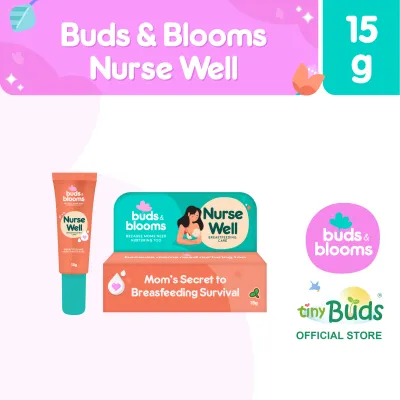
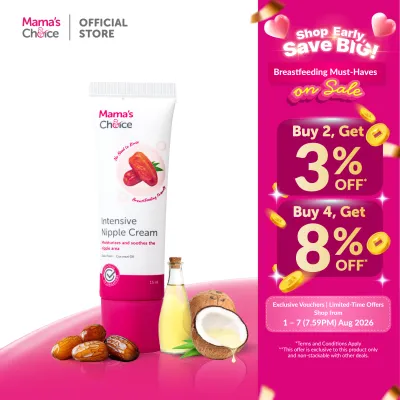
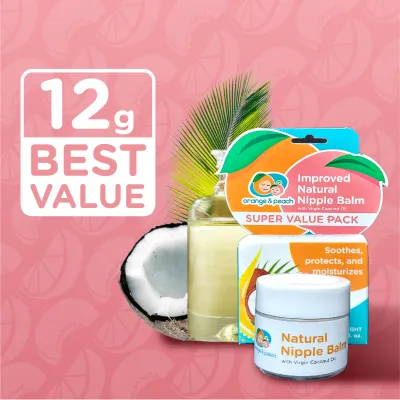
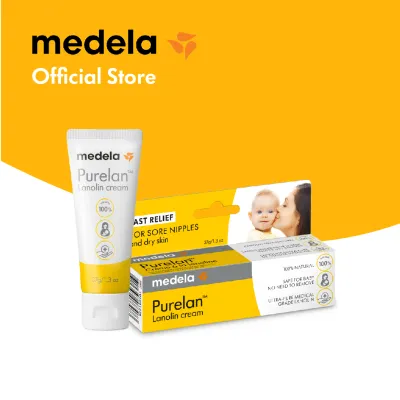
![[Bundle of 3] Mama’s Choice Intensive Soothing Nipple Cream | Breastfeeding Nipple Cream | Postpartum Essential](https://img.lazcdn.com/g/p/adeaae76d3f40fe040a926ac187681fa.jpg_400x400q80.jpg_.webp)
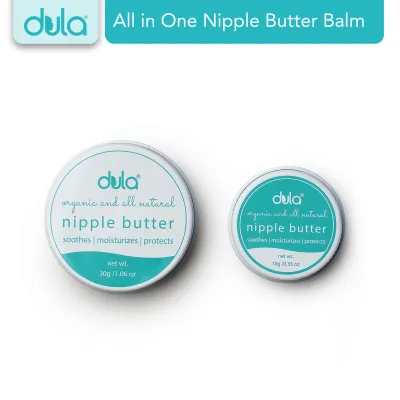
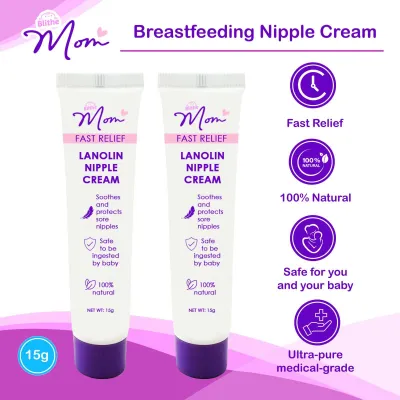
Prices are valid at publication and may change. Please refer to the product page for the latest price.
However, there is a distinct boundary where normal adjustment ends and concerning pain begins. If you experience sharp, pinching, shooting, or burning pain that persists throughout the entire feeding session, this is a clear sign that something is wrong. Other major red flags include visible physical damage to the tissue, such as deep cracks, bleeding, blistering, or bruising.
It is vital to understand that severe or worsening pain is never a normal or mandatory part of the breastfeeding process. Enduring intense pain can lead to chronic stress, which can negatively impact your milk let-down reflex and overall milk supply. Severe discomfort almost always points to a correctable mechanical or positioning issue rather than simple dry skin, meaning a topical cream alone will not solve the underlying problem.
Fix the Root Cause: Latch and Positioning Adjustments
When breastfeeding pain is caused by an improper latch, relying solely on nipple cream is like applying a small adhesive bandage to a deep wound without stopping the source of the injury. A shallow latch occurs when the baby compresses only the highly sensitive tip of the nipple against their hard palate, rather than taking a large mouthful of the breast tissue. This creates intense, repetitive friction and pinching during every single suckling cycle, rapidly breaking down the skin barrier. No cream can permanently heal cracks or prevent bleeding if this mechanical trauma continues multiple times a day.

To resolve this issue at the root, you must focus on helping your baby achieve a deep, comfortable latch. You can verify a good latch by looking for several clear, observable signs. The baby’s mouth should be opened very wide, mimicking a deep yawn, with their lips flanged outward rather than tucked in. Their chin should press firmly into your breast tissue, while their nose remains clear or lightly brushes the top of the breast. You should hear soft, rhythmic swallowing sounds rather than clicking, smacking, or sucking noises, which indicate a broken seal and a shallow position.
Practical adjustments to your positioning can instantly change how your baby takes the breast. In a classic cradle or cross-cradle hold, ensure your baby’s entire body is turned completely toward you in a tummy-to-tummy position so they do not have to turn their neck to feed. The football or clutch hold is highly beneficial for mothers recovering from a Cesarean delivery or those with larger breasts, as it offers exceptional control over the baby’s head. For late-night feedings, the side-lying position allows both you and your baby to rest comfortably while feeding.
Regardless of the position you choose, always remember to break the suction properly before unlatching your baby. Gently slip a clean, washed finger into the corner of your baby’s mouth to break the vacuum seal before pulling them away from the breast. If you have consistently applied these latch corrections and still experience persistent pain, other environmental factors or targeted soothing products may then be appropriate to help your skin recover.
Signs You Actually Need Nipple Cream for Relief
While a topical cream cannot correct a bad latch, there are many situations where a high-quality nipple cream provides genuine, essential relief. The primary role of these creams is to address surface-level skin issues rather than deep mechanical damage. Frequent feeding sessions, constant exposure to infant saliva, and regular washing can strip away the skin’s natural protective sebum. This often results in localized dryness, chafing, and mild, superficial cracking.
In the tropical climate of the Philippines, environmental factors play a unique role in skin health. Moving between hot, humid outdoor air and dry, air-conditioned indoor nurseries can cause rapid fluctuations in skin hydration, making delicate breast tissue more susceptible to drying and cracking. Furthermore, high humidity can cause increased sweating under clothing, which heightens the risk of friction and skin breakdown.
Friction can also be caused by external accessories. If you are a working mother who pumps regularly, the constant rubbing of breast pump flanges against your skin can cause significant irritation, even if the flange size is correct. Similarly, rough clothing or damp nursing pads can rub against sensitive tissue throughout the day. When disposable nursing pads trap moisture against the nipple, the skin can become macerated and highly fragile.
Applying a nipple cream helps soothe this irritated tissue by creating a protective barrier that supports a moist wound-healing environment. Unlike dry healing, which allows scabs to form and crack repeatedly during subsequent feeds, moist wound healing keeps the skin supple and allows cells to regenerate quickly without forming painful crusts. However, you must maintain realistic expectations: while a cream will beautifully soothe chafing and minor surface dryness, it will not heal deep fissures if the underlying friction of an incorrect latch remains unresolved.
Choosing and Applying Nipple Cream Safely
When selecting a nipple cream, safety is the absolute priority because your baby will inevitably ingest trace amounts of the product during feeding. One of the most common and highly recommended ingredients is highly purified lanolin. Lanolin is a natural emollient derived from sheep’s wool that closely matches the skin’s natural lipid profile. Choosing a medical-grade, highly purified version is essential, as the intensive refining process removes potential allergens and impurities, making it exceptionally safe for sensitive skin.
If you have a known wool sensitivity or prefer a plant-based lifestyle, there are excellent organic alternatives available. Ingredients such as cold-pressed virgin coconut oil, organic shea butter, and calendula extract offer outstanding natural moisturizing and soothing properties. In the Philippines, high-quality virgin coconut oil is a popular and accessible option due to its natural antimicrobial qualities, but you must ensure that any product you use is specifically formulated and certified for nursing mothers.
Before purchasing any cream, perform a strict safety check. Look for products that are explicitly labeled as safe for breastfeeding and infant ingestion, and ensure they are free from artificial fragrances, parabens, alcohols, and chemical preservatives. These products generally range in price from approximately ₱300 to ₱1,200 in local online marketplaces and baby boutiques, depending on the brand and volume.
To apply the cream safely and effectively, follow these simple steps:
- After feeding, express a single drop of breast milk and gently pat it onto your nipples, letting it air dry naturally.
- Squeeze a pea-sized amount of nipple cream onto your clean, washed fingertips.
- Warm the cream between your fingers to soften its texture, then gently pat it over the entire nipple and areola. Avoid rubbing vigorously, as this can irritate damaged skin.
- Pair the cream with clean, highly breathable nursing pads made of natural fibers like bamboo or cotton to prevent trapped moisture, and change them frequently.
- Always read and follow the specific usage instructions, warnings, and storage conditions on the product label to ensure it remains stable in warm tropical temperatures.
Red Flags: When to Skip the Cream and See a Doctor
While nipple cream is highly effective for dry skin and minor chafing, there are critical situations where continuing home care can delay necessary medical treatment. You must be able to recognize the warning signs of a localized or systemic infection. If you notice spreading redness, swelling, unusual warmth radiating from the breast, or if you develop a fever, chills, and flu-like body aches, you may be experiencing mastitis. Mastitis is an inflammation of the breast tissue that often requires prescription antibiotics, and delaying professional care can lead to more serious complications.
Another common issue that nipple creams cannot resolve is thrush, a fungal or yeast infection caused by Candida albicans. Thrush can easily pass back and forth between a mother’s breast and a baby’s mouth. Signs of thrush on your breasts include shiny, flaky, or itchy skin on the areola, accompanied by sudden, shooting pains deep within the breast tissue during or after feeding. In your baby, look for persistent white patches on the tongue, inner cheeks, or gums that do not wipe away easily.
If you experience any of these symptoms, or if you have deep, bleeding cracks that show no signs of improvement after several days of latch adjustments, stop self-treating. Consult an International Board Certified Lactation Consultant (IBCLC) or your healthcare provider immediately. They can provide an accurate diagnosis, prescribe appropriate antifungal or antibacterial treatments, and help you get your breastfeeding journey back on a comfortable, healthy path.
Frequently Asked Questions (FAQ)
Do I need to wash off nipple cream before breastfeeding?
Most modern, high-quality nipple creams specifically formulated for breastfeeding—such as medical-grade purified lanolin or food-grade plant-based balms—do not need to be washed off before you nurse your baby. These products are carefully designed to be completely safe for infant ingestion in small quantities. Washing your breasts before every single feed can actually worsen skin irritation, as frequent scrubbing and water exposure strip away the skin’s natural protective oils. However, because formulations vary across different brands, you should always verify this safety feature by carefully reading the specific product’s label and manufacturer instructions before use.
Can I use regular body lotion or moisturizer on my nipples?
No, you should strongly avoid using standard body lotions, facial moisturizers, or general cosmetic creams on your nipples while breastfeeding. Regular skincare products frequently contain synthetic fragrances, artificial dyes, chemical preservatives, alcohols, and mineral oils. These ingredients are not safe for your baby to ingest and can cause severe stomach upset or chemical exposure. Furthermore, these additives can easily irritate already compromised, sensitive nipple skin, potentially worsening cracks or causing allergic contact dermatitis. Always stick to products that are explicitly formulated, tested, and labeled as safe for breastfeeding mothers and babies.
Community discussion
Share your experience or ask a question. Comments are reviewed before publication.