
Quick Answer: Do You Need a Maternity Belt?
A maternity belt can be an incredibly helpful comfort tool, but whether you need one depends entirely on the specific type, location, and severity of your pregnancy-related discomfort. It is not a universal necessity for every pregnancy, as some physical aches respond much better to simple postural adjustments or targeted exercises.
The top three indicators that mechanical support may help you include lower back strain during prolonged standing, heavy pelvic pressure, and round ligament pain. A maternity belt is designed to act as a supportive comfort tool rather than a medical cure. It temporarily redistributes weight to ease physical strain during daily activities.
If you are experiencing severe, sharp, or persistent pain that limits your mobility, always consult your OB-GYN or a prenatal physical therapist before purchasing any support garment. They can help rule out underlying clinical issues and ensure that external compression is safe and appropriate for your specific pregnancy.
Products mentioned in this guide
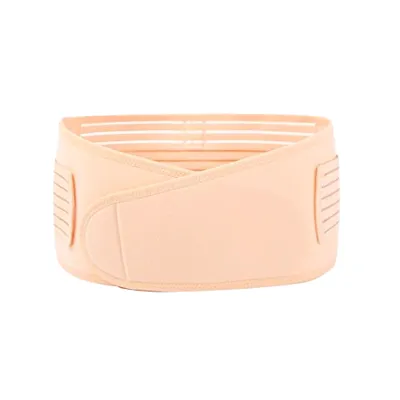
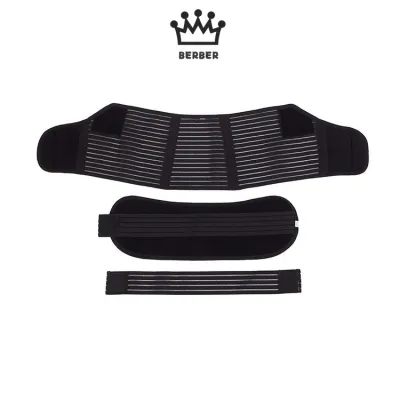
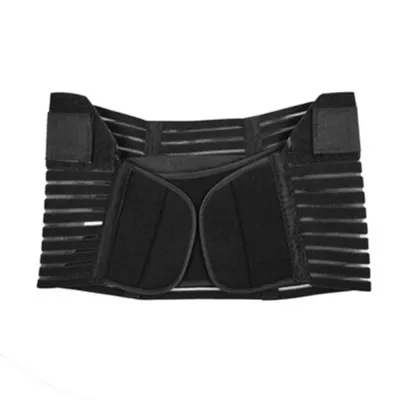

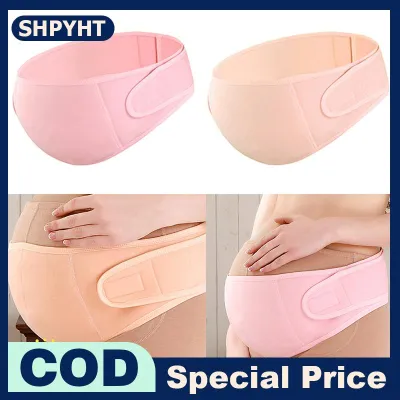
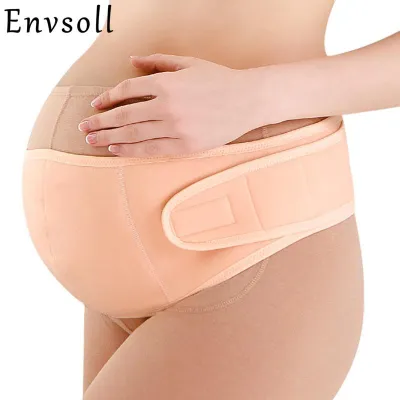
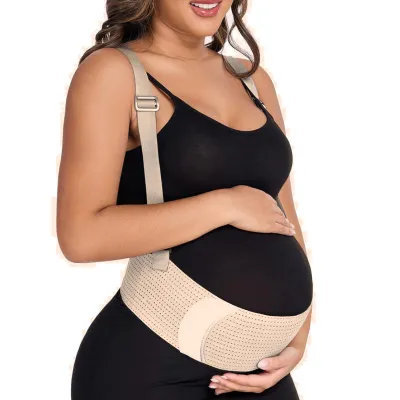
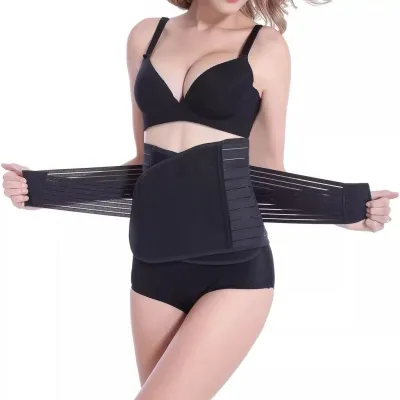
Prices are valid at publication and may change. Please refer to the product page for the latest price.
Understanding Your Discomfort: Back Pain vs. Pelvic Pressure
To determine if a maternity belt will provide the relief you seek, it helps to understand the physical origin of your discomfort. Common lower back pain is frequently caused by muscle strain, posture changes, and your body’s shifted center of gravity. As your uterus grows, it pulls your pelvis forward and increases the natural arch in your lower spine, forcing your lower back muscles to work overtime just to keep you upright.

In contrast, pelvic girdle pain manifests lower down in the pelvis and groin. This includes conditions like symphysis pubis dysfunction or round ligament pain, which are often driven by the pregnancy hormone relaxin loosening your pelvic ligaments. This hormonal shift can cause the joints in your pelvis to move unevenly, leading to a deep ache or a clicking sensation when you walk or climb stairs.
Maternity belts are engineered to address these specific mechanical issues by providing targeted lift and gentle compression to the lower abdomen and pelvis. By cradling the underside of your belly, the belt mimics the supportive function of your abdominal muscles, transferring some of the weight back toward your spine and hips.
This mechanical lift is highly effective for pelvic pressure and lower back strain caused directly by the physical weight of the baby bump. However, a belt will not relieve upper back, neck, or shoulder pain. Those upper-body aches are typically driven by changes in breast size and a rounded shoulder posture, which require ergonomic adjustments and upper-body stretches rather than abdominal support.
5 Clear Signs a Maternity Belt Could Help You
Sign 1: Activity-Induced Lower Back Ache If your lower back pain flares up specifically when you are standing, walking, or doing light household chores, but improves significantly when you sit or lie down, your muscles are likely struggling to support the extra weight. A maternity belt acts as an external set of muscles, taking the strain off your lumbar spine during active periods.
Sign 2: Heavy Pelvic Pressure Many women experience a distinct dragging or heavy sensation in the pelvic area, particularly during the second and third trimesters. This feeling of the baby “dropping” or pressing directly onto your pelvic floor can make walking uncomfortable. A support belt gently cradles and lifts the abdomen, distributing the weight more evenly and relieving that downward pressure.
Sign 3: Round Ligament Pain The round ligaments support your uterus, stretching as it grows. Sudden movements—like coughing, sneezing, rolling over in bed, or standing up quickly—can cause a sharp, stabbing, or pulling pain on the sides of your lower abdomen or groin. A belt stabilizes the pelvis and abdomen, reducing the sudden jarring forces that trigger this ligament pain.
Sign 4: Exercise Discomfort Staying active is highly beneficial during pregnancy, but if safe, pregnancy-approved activities like prenatal walking or maternity yoga become painful or difficult due to abdominal instability, a belt can help. It provides the necessary stability to keep you moving comfortably without over-straining your joints.
Sign 5: End-of-Day Physical Exhaustion If you feel physically drained by late afternoon, with your abdominal and back muscles feeling completely spent from holding up your growing belly all day, it is a sign your body is working overtime. Wearing a support belt during your most active hours can conserve your physical energy and prevent this cumulative fatigue.
When a Maternity Belt Is Not the Right Solution
While maternity belts offer excellent relief for mechanical strain, they are not suitable for every type of discomfort and carry specific safety boundaries. You must avoid compression garments if you have high blood pressure, certain digestive issues, or restricted blood flow, unless you have been explicitly cleared by your doctor. Compressing the abdomen when circulation is already compromised can worsen these conditions.
Additionally, a belt is ineffective for certain types of pain. It will not alleviate upper back or shoulder tension, nor will it relieve severe sciatica, which is a sharp, shooting nerve pain traveling down the leg that requires targeted physical therapy. A belt also cannot prevent or alleviate Braxton Hicks contractions, which are normal uterine tightenings unrelated to external physical support.
You must stop using the belt immediately if you experience any warning signs. These include numbness or tingling in your legs, increased swelling in your lower extremities, restricted breathing, digestive discomfort, or any perceived restriction in fetal movement. Always prioritize your body’s signals over the desire for physical support.
Ultimately, a maternity belt should only supplement, not replace, core strengthening exercises, proper posture, and professional medical advice. Relying too heavily on a belt without addressing underlying muscle weakness can lead to long-term postural issues after childbirth.
Alternative Remedies to Try Before or Alongside a Belt
Before purchasing a support garment, or to complement one you already own, consider incorporating low-risk lifestyle and physical adjustments. Focus on posture and ergonomics in your daily routine. Use supportive pillows while sleeping—specifically placing a pregnancy pillow or a standard firm pillow between your knees and under your belly to keep your spine aligned. Always wear supportive, low-heeled footwear with good arch support, avoiding flat slip-ons or high heels that worsen pelvic tilt.
Incorporate safe movement into your routine. Gentle, pregnancy-approved stretching and prenatal yoga can help strengthen your core and pelvic floor muscles, providing natural support from within.
For muscle tension, try temperature therapy. Applying a warm (never hot) compress or heating pad to your lower back for 15 minutes can soothe sore muscles. Ensure the temperature is comfortable and safe for pregnancy to avoid raising your core body temperature.
Make simple positional changes. Avoid standing in one place for extended periods, and when you do sit, rest with your legs elevated to reduce pelvic and lower limb swelling. If you need more targeted relief, consider booking a prenatal massage with a certified therapist who specializes in pregnancy care.
How to Choose and Wear a Maternity Belt Safely
If you decide a belt is right for you, selecting the correct type is essential. Basic belly bands offer light compression and help hold up maternity pants, while structured maternity support belts feature adjustable straps and provide targeted pelvic and lumbar lift.
When putting on a structured belt, follow the “two-finger rule.” The belt should be snug enough to lift and support your belly, but loose enough that you can comfortably slide two fingers underneath the band. It must never feel tight, squeeze your abdomen, or restrict your breathing or digestion.
Limit your usage to prevent muscle dependency. Wear the belt for only a few hours at a time during active periods—such as when grocery shopping, commuting, or doing chores—rather than all day. Overusing a belt can cause your core muscles to become lazy and rely entirely on the external support. Never wear a support belt while sleeping.
Given the humid, tropical climate of the Philippines, material choice is critical. Look for belts made from breathable, moisture-wicking fabrics with mesh panels. This prevents sweat accumulation, skin irritation, chafing, and overheating during warm days. In the local market, basic belly bands typically range from ₱300 to ₱800, while highly structured, adjustable ergonomic support belts range from ₱1,000 to over ₱3,000.
Frequently Asked Questions (FAQ)
When should I start wearing a maternity belt during pregnancy?
Most women find they need mechanical support starting in the second trimester, typically between 14 and 20 weeks, as the baby bump begins to grow rapidly and shifts their center of gravity. However, there is no fixed timeline; it depends entirely on your individual comfort, body shape, and physical symptoms.
Can wearing a maternity belt hurt the baby?
When worn correctly, a maternity belt is safe and will not harm your baby. The amniotic fluid provides excellent cushioning. However, the belt must only provide gentle upward lift and compression; it should never squeeze or constrict your abdomen. If you feel any discomfort or notice a change in fetal movement, remove the belt immediately and consult your OB-GYN.
Should I wear my maternity belt while sleeping?
No, you should never wear a maternity belt while sleeping or lying down for extended periods. The belt is designed to support your body against gravity while you are upright and active. When you are lying down, your mattress and pillows provide the necessary support, and wearing a belt to bed can restrict blood flow, cause overheating, and limit your natural movement.
Community discussion
Share your experience or ask a question. Comments are reviewed before publication.