
As your body changes to accommodate your growing baby, you might begin to feel the physical strains of pregnancy. A maternity belt binder is a specialized support garment designed to lift the abdomen and distribute weight more evenly across your lower back and pelvis. However, it is not a mandatory purchase for every expectant mother. Whether you need one depends entirely on your daily physical comfort, activity levels, and the specific symptoms you experience as your pregnancy progresses.
Quick Answer: Do You Need a Maternity Belt Binder?
A maternity belt binder is primarily helpful if you are experiencing moderate to severe physical discomfort, such as lower back pain, pelvic girdle pain, or a heavy dragging sensation in your abdomen. These symptoms typically arise during the second and third trimesters when the baby grows rapidly and shifts your physical center of gravity. If you are navigating your pregnancy with minimal discomfort, you can safely bypass this accessory altogether.
It is important to understand that this garment is a supportive tool rather than a medical necessity for every pregnancy. For mothers who feel comfortable, maintain good posture naturally, and experience only minor, fleeting aches, buying a belt is generally unnecessary. Your body is highly adaptable, and many women complete their pregnancies comfortably without any external abdominal support. However, if daily tasks become challenging due to structural pressure, a belt can offer temporary relief.
Products mentioned in this guide
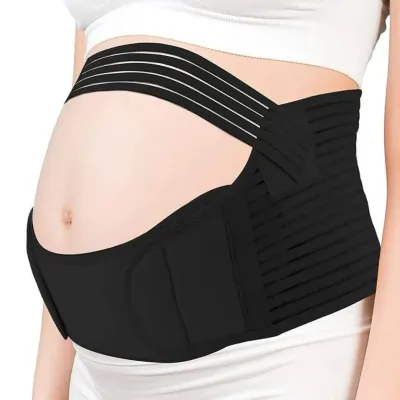
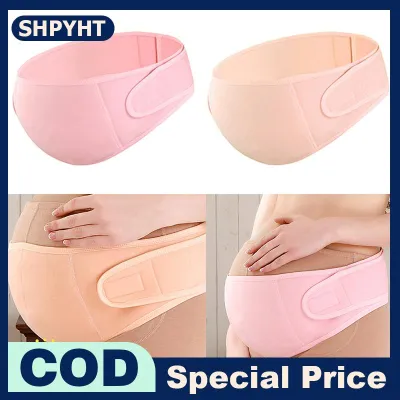
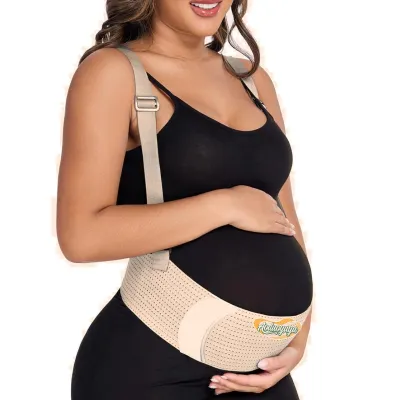
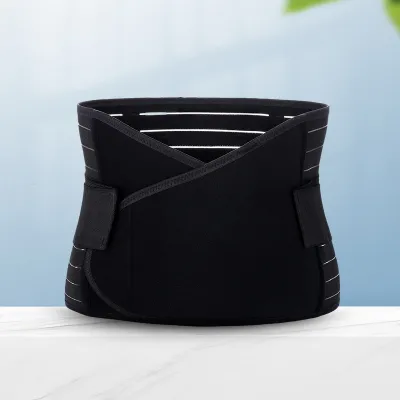
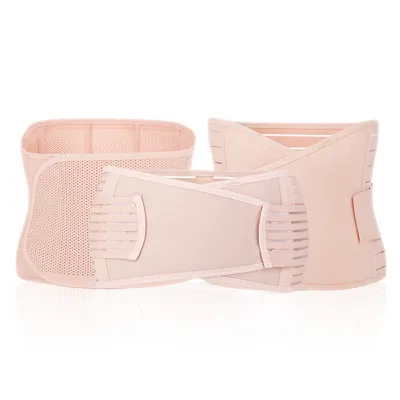
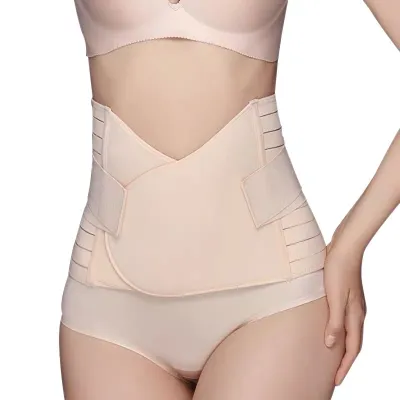
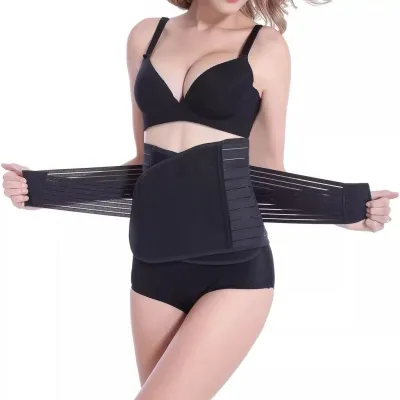
Prices are valid at publication and may change. Please refer to the product page for the latest price.
Physical Signs That Suggest You Might Need Support
One of the most common indicators that you might benefit from a maternity belt binder is persistent lower back pain. As your uterus expands, your abdominal muscles stretch and weaken, forcing your lower back muscles to work harder to keep you upright. This muscle imbalance often leads to a dull, aching strain in your lumbar region, especially after you have been standing or walking for more than a few minutes.

Another key sign is pelvic girdle pain or pressure, which can feel like a deep ache in your pubic bone or hips. This discomfort is often exacerbated by asymmetrical movements, such as walking up stairs, getting out of a car, or rolling over in bed. A supportive binder helps stabilize the pelvic ring, reducing the micro-movements that irritate these joints and ligaments during daily activities.
You might also experience round ligament pain, which typically presents as sharp, jabbing sensations in your lower abdomen or groin area when you change positions quickly. While this is a normal part of pregnancy as your supporting ligaments stretch, a gentle upward lift from a belt can minimize the sudden pulling forces that trigger these sharp pains.
Finally, a distinct feeling of belly heaviness or a downward dragging sensation during light exercise or daily chores suggests your abdominal wall could use extra support. This sensation can make simple walks feel exhausting and may lead you to adopt an unnatural, leaning-back posture to compensate. Please note that these signs are observational indicators to help you assess your comfort level, not formal medical diagnoses.
Signs You Probably Don’t Need a Maternity Belt
If you are currently enjoying a highly comfortable pregnancy with no significant back, hip, or pelvic discomfort, you likely do not need a maternity belt binder. Many expectant mothers feel perfectly fine relying on their natural core strength and posture throughout their entire gestation. If you do not feel a physical drag or structural ache, adding an extra layer of compression will offer little to no practical benefit.
Timing is also an important factor to consider. If you are still in your first trimester, your uterus is still tucked within your pelvis, and your belly has not yet grown large or heavy enough to require external physical support. Using a support belt during these early weeks is generally unnecessary and serves no functional purpose, as there is no significant weight to distribute.
Additionally, if you find that minor aches are easily managed with simple lifestyle adjustments, you can comfortably avoid buying a belt. For example, taking regular sitting breaks, wearing supportive footwear with good arch support, or using a specialized pregnancy pillow to align your hips while sleeping might completely resolve your discomfort. If these low-intervention strategies keep you pain-free, there is no need to introduce a wearable binder.
It is also vital to recognize when a belt might be unsuitable or uncomfortable. If you have specific medical conditions, such as circulatory issues, or if you experience skin sensitivities and rashes, the pressure and friction of a binder could worsen your symptoms. Always check with your OB-GYN or healthcare provider before using any supportive garment if you have pre-existing health concerns or high-risk pregnancy factors.
Self-Check Guide: Evaluating Your Daily Routine and Comfort
To make an informed decision on whether to purchase a maternity belt binder, it is helpful to evaluate your daily physical routine and the severity of your symptoms.
First, consider your daily activity level. If your job or daily routine requires you to stand, walk, or move around for several consecutive hours, the physical demands on your lower back and pelvis are significantly higher. In contrast, if you work a sedentary desk job where you can easily adjust your seating position, take frequent breaks, and rest when needed, your body may not require the continuous structural support that a belt provides.
Second, analyze your symptom frequency and how much it disrupts your daily life. Occasional, mild aches that occur only at the end of a long day are usually manageable with rest and gentle stretching. However, if you experience constant, disruptive pain that begins early in the morning and limits your ability to perform basic household tasks or walk short distances, external support may be highly beneficial.
Third, explore alternative relief methods before making a purchase. Practicing prenatal stretches, focusing on conscious posture corrections while sitting and standing, and performing gentle pelvic tilts can strengthen your core and alleviate minor strains. Before investing in a high-end belt that might cost anywhere from ₱500 to over ₱2,000 in the Philippines, you can explore these cost-free adjustments or look into lighter alternatives like standard maternity support bands.
To help you decide, consider this simple decision matrix:
- Choose to Try a Belt: If you have a high activity level, stand for long periods, and experience persistent, daily pelvic or lower back pain that limits your mobility.
- Focus on Rest and Alternatives: If you have a low activity level, can rest frequently, and experience only mild, occasional discomfort that responds well to stretching and posture adjustments.
Safe Usage Guidelines and When to Stop
If you decide to use a maternity belt binder, prioritizing safety and proper usage is essential for both your comfort and your baby’s well-being. Always read and follow the manufacturer’s specific instructions regarding sizing, positioning, and fastening. The belt should feel snug and supportive, providing an upward lift to your belly, but it must never feel tight, restrictive, or painful. Limit your wear time to a few hours at a time—typically no more than two to three hours continuously—to prevent your core muscles from becoming overly reliant on external support.
Living in a warm, humid climate like the Philippines requires extra attention to skin care when wearing supportive garments. The added layers of fabric can trap heat and sweat, potentially leading to skin irritation, chafing, or heat rashes. To prevent this, choose a binder made from breathable, moisture-wicking materials, and always wear a soft, lightweight cotton undershirt beneath the belt to act as a protective barrier between the elastic and your skin.
Most importantly, you must remain vigilant about physical warning signs. Stop using the maternity belt immediately and consult your healthcare provider or OB-GYN if you experience any of the following red flag symptoms:
- Uterine contractions or cramping
- Any vaginal bleeding or unusual discharge
- A noticeable decrease in fetal movement
- Dizziness, shortness of breath, or palpitations
- Worsened or sharp abdominal pain
- Skin irritation, severe itching, or persistent rashes under the belt area
Your safety and comfort are paramount, and a support belt should only ever enhance your well-being, never compromise it.
Frequently Asked Questions (FAQ)
Can wearing a maternity belt binder hurt the baby?
When worn correctly according to the manufacturer’s instructions, a maternity belt binder will not hurt your baby. The belt is designed to sit low on the pelvis and support the underside of your belly, acting as an external sling rather than compressing the uterus itself. However, wrapping the belt too tightly or positioning it directly across the middle of your abdomen can restrict your breathing, digestion, and blood circulation, which can indirectly affect your well-being and your baby. Always ensure the fit is snug but comfortable, allowing you to breathe deeply and sit down without feeling restricted.
When is the best time to start wearing a pregnancy support belt?
Most expectant mothers find that the second trimester, typically around the 20th week of pregnancy, is the most practical time to start wearing a support belt. This is the period when the baby bump grows more rapidly, shifting your center of gravity forward and putting increased strain on your lower back and pelvic ligaments. However, there is no strict calendar date or week when you must begin using one. The decision should be based entirely on your individual comfort level, daily physical demands, and whether you are experiencing the specific physical signs of pelvic or back strain.
Community discussion
Share your experience or ask a question. Comments are reviewed before publication.