
Choosing between disposable and reusable travel pee bags depends on your trip’s logistics, access to clean water, and personal convenience preferences. For short trips, flights, or situations where washing is impossible, disposable bags with absorbent gels offer maximum convenience and hygienic disposal. For extended road trips, camping, or eco-conscious travelers with reliable access to washing and drying areas, reusable options provide long-term value and reduced waste. Evaluating your specific travel constraints before packing ensures you remain comfortable and prepared during your journey.
Traveling in the Philippines often involves long, unpredictable hours on the road, whether you are navigating heavy traffic jams along major highways or taking a provincial bus to remote destinations. For parents traveling with young children, finding a clean, functional comfort room can be a major challenge. Having a reliable portable sanitation solution in your diaper bag or glove compartment is a practical necessity. By understanding the differences between disposable and reusable options, you can make an informed decision that fits your family’s travel style and itinerary.
Identifying Your Trip Constraints
Before choosing which type of travel pee bag to pack, take a close look at the logistics of your upcoming journey. The duration of your trip and how often you expect to use the bag are critical factors. If you are planning a quick weekend getaway with minimal travel time, a few disposable bags may be all you need. However, for extended road trips or multi-week vacations, the volume of waste and the number of bags required will quickly add up, making reusable options worth considering.
Products mentioned in this guide
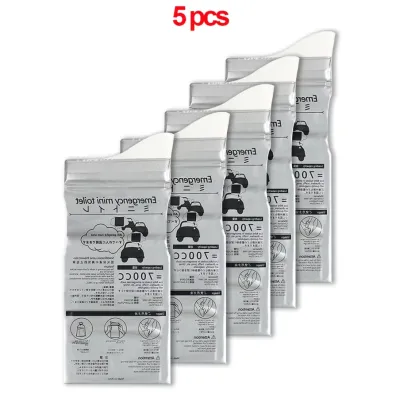
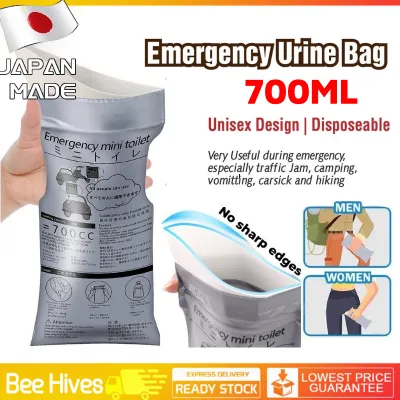
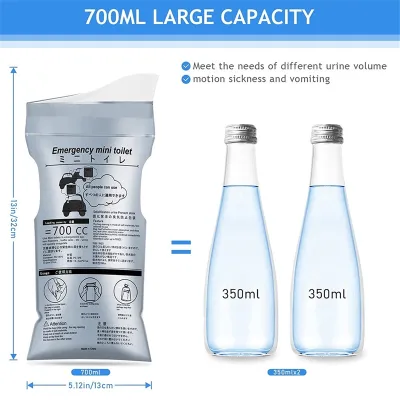
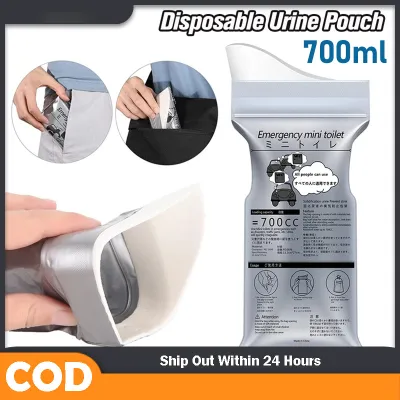
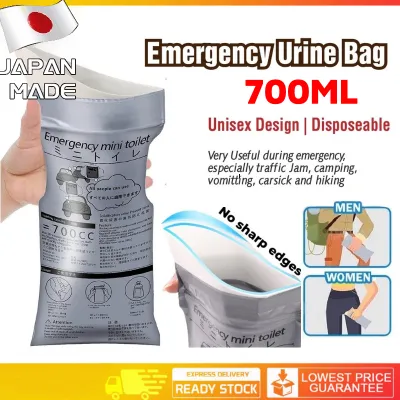
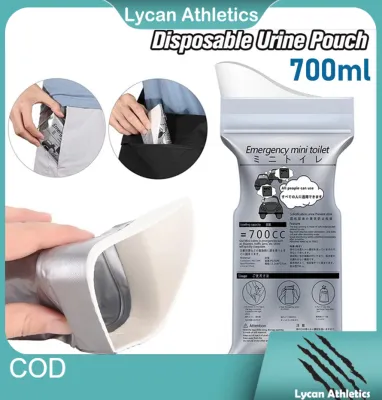
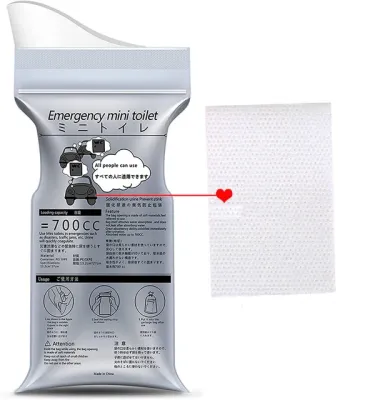
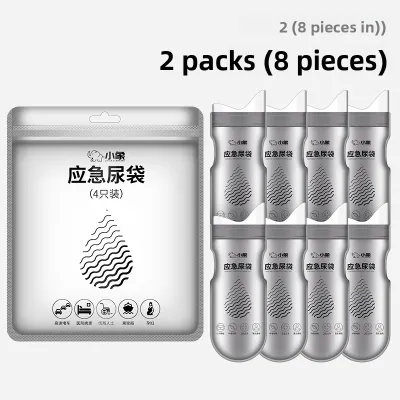
Prices are valid at publication and may change. Please refer to the product page for the latest price.
Access to private washing facilities, clean water, and adequate drying space is another essential variable. Reusable bags require thorough cleaning after every single use to maintain hygiene. In tropical climates with high humidity, drying times can be significantly longer, which increases the risk of mold or bacterial growth if the bag remains damp. If your itinerary involves staying in hotels with private bathrooms, washing a reusable bag is highly feasible. If you are camping in remote areas or moving constantly between destinations without reliable water access, disposable bags are much more practical.
Environmental preferences and local waste disposal regulations at your destination should also guide your choice. Some eco-sensitive tourist spots or protected natural parks have strict “leave no trace” policies and may restrict the disposal of single-use plastics. Conversely, other areas may lack the infrastructure to handle hazardous waste, meaning you must carry your used items with you until you reach a proper disposal point. Finally, consider your available packing space and weight limits, especially if you are traveling by air with carry-on luggage only or backpacking where every gram counts.
Evaluating Disposable Pee Bags
Disposable travel pee bags are designed for convenience and immediate use. The core mechanism of these bags relies on absorbent polymer gels or powders contained within the pouch. When liquid enters the bag, these polymers quickly convert the liquid into a solid, spill-proof gel. This rapid solidification process is crucial for preventing leaks, especially when using the bag in a moving vehicle or a cramped space, and it helps to lock in odors immediately.

The primary advantage of disposable bags is the convenience of immediate sealing and disposal. Once used, the bag can be zipped shut or sealed using the adhesive strip provided, and then thrown directly into a standard trash bin. There is no need for cleaning, rinsing, or carrying damp, soiled items in your luggage. This makes them highly suitable for emergency situations, such as sudden traffic delays, or for use in public spaces where cleaning a reusable item is socially awkward or unhygienic.
However, disposable bags come with ongoing costs and environmental trade-offs. Because they are single-use items, you must continuously purchase new packs, which can accumulate a significant ongoing cost in ₱ over time. Additionally, the reliance on single-use plastics contributes to landfill waste, which may conflict with the values of eco-conscious travelers. The bulkiness of carrying multiple unused disposable bags can also take up valuable space in a diaper bag or backpack on longer trips.
Before purchasing disposable pee bags, it is essential to check the manufacturer specifications on the packaging. Look closely at the stated maximum liquid capacity to ensure it can accommodate the user, whether it is an adult or a child. You should also verify the quality of the seal integrity, as a weak zip-lock or adhesive strip can lead to leaks inside your vehicle or travel gear.
Evaluating Reusable Pee Bags
Reusable travel pee bags offer a durable, long-term solution for travelers who want to minimize waste and avoid ongoing purchases. These bags are typically constructed from thick, medical-grade silicone, heavy-duty plastics, or waterproof fabrics designed to withstand repeated use. They feature secure valves, screw caps, or roll-top closures to prevent leaks and contain odors until the bag can be emptied and cleaned.
The viability of a reusable pee bag depends entirely on your ability to maintain a strict cleaning routine. After each use, the bag must be emptied into a toilet or designated waste disposal area, rinsed thoroughly with clean water, and sanitized using mild soap or a specialized disinfectant. It must then be allowed to air-dry completely. Without proper sanitization and drying, the interior of the bag can quickly become a breeding ground for bacteria and mold, particularly in warm, humid tropical environments.
Odor management is another significant challenge with reusable options. Even with high-quality materials, residual odors can develop over time if the bag is not cleaned promptly. Travelers must often carry separate, airtight, and opaque storage pouches to hold used, unwashed bags until they reach a location with running water. This adds an extra layer of preparation and packing requirements to your travel routine.
Ultimately, reusable pee bags are only a practical choice if you can guarantee proper hygiene maintenance throughout your trip. If you are traveling with infants or young children, the time and effort required to clean and sanitize these bags on the go can be overwhelming. However, for solo travelers, campers, or those on long road trips with planned stops at fully equipped campsites or hotels, the environmental benefits and long-term savings make them a compelling option.
Comparing Core Travel Features
To help you decide which option fits your travel style, it is helpful to compare how disposable and reusable pee bags perform across key metrics. While disposables offer unmatched convenience, reusables excel in sustainability and long-term cost efficiency.
| Feature | Disposable Pee Bags | Reusable Pee Bags |
|---|---|---|
| Setup Time | Instant; open and use immediately | Quick; ensure valves are secure before use |
| Cleanup Process | None; seal and discard in trash | Requires emptying, rinsing, sanitizing, and drying |
| Odor Management | Excellent; locked in by absorbent gel | Moderate; relies on secure seals and prompt washing |
| Packing Footprint | Flat when unused; bulky if carrying many | Compact single unit; requires extra storage pouch for used state |
| Long-Term Cost | High; ongoing cost in ₱ per use | Low; one-time upfront investment in ₱ |
When shopping, remember that exact capacities, leak-proof guarantees, and material thickness are specifications you must verify directly on the product labels. Do not rely on general assumptions, as product designs vary widely between brands. Contrast the immediate, hassle-free convenience of disposables with the upfront investment and dedicated maintenance effort required to keep a reusable bag safe and sanitary.
Making Your Final Packing Decision
To finalize your packing list, apply a conditional decision framework based on your specific travel scenario. Your choice should align with the reality of your destination and your daily travel schedule.
Choose disposable if:
- You are traveling on a commercial flight where washing facilities are limited to cramped airplane lavatories.
- Your trip involves short, unpredictable commutes, such as navigating daily city traffic jams where immediate disposal is the only hygienic option.
- You are traveling with multiple young children and cannot manage the chore of washing and drying sanitation gear on the go.
- Your priority is maximum convenience and ease of cleanup.
Choose reusable if:
- You are embarking on a long road trip or camping excursion with guaranteed daily access to clean running water and private washing areas.
- You are an eco-conscious traveler committed to reducing single-use plastic waste during your journeys.
- You travel frequently and want to avoid the recurring cost in ₱ of buying single-use packs for every trip.
- You have the time and discipline to execute a thorough cleaning and sanitizing routine after every use.
Neither may fit if:
- Local environmental regulations at your destination strictly prohibit the disposal of gel-based chemical waste in standard trash bins.
- The physical mobility or comfort level of the user makes using a flexible bag difficult or unsafe without a rigid, specialized portable toilet interface.
Verify first if:
- Your airline has specific restrictions regarding carrying gel-based products or liquids in your carry-on luggage.
- Your destination has unique waste management rules that require specific disposal methods for personal sanitation products.
Managing Hygiene and Disposal on the Go
Regardless of the type of travel pee bag you choose, maintaining strict hygiene standards is vital to protect your family’s health. Always practice thorough hand hygiene by washing your hands with soap and water or using an alcohol-based hand sanitizer before and after handling any travel sanitation gear. This simple step prevents the spread of bacteria and cross-contamination to other travel items, food, or baby gear.
When traveling with used bags, ensure they are securely sealed and stored in a dedicated, leak-proof compartment of your luggage or vehicle. For disposable bags, double-check that the zip or adhesive seal is completely closed before placing it in a temporary trash bag. For reusable bags, keep them in an airtight, waterproof pouch until you can access a proper cleaning station. Never leave used bags in direct sunlight or hot vehicles, as heat can increase pressure and accelerate odor development.
Respecting local waste management rules is a fundamental responsibility of every traveler. Never dispose of used pee bags in public recycling bins, open natural environments, or areas not designated for general waste. If you are visiting remote or protected natural sites, carry a dedicated trash bag to pack out all waste until you reach an authorized disposal point.
For caregivers using these products with infants or toddlers, always consult pediatric guidelines regarding infant sanitation and skin safety. Young skin is highly sensitive to moisture and friction. Ensure that any portable sanitation device used for a child is designed for their specific anatomy, and stop use immediately if you notice any signs of skin irritation or discomfort. If skin issues persist, consult a qualified healthcare professional for advice.
Frequently Asked Questions (FAQ)
Can I use regular plastic bags instead of specialized pee bags?
Using regular plastic bags as a substitute for specialized travel pee bags is highly discouraged due to significant hygiene and safety risks. Standard plastic bags lack the absorbent polymer gels required to solidify liquid, leaving you with a high risk of spills, leaks, and severe odor issues. Furthermore, regular household bags are often thin and prone to micro-tears under pressure. Specialized travel pee bags are engineered with leak-proof seals, reinforced materials, and solidifying agents specifically designed to contain liquid waste safely. Always check product labels to ensure you are using gear designed for travel sanitation.
How do I manage odor in a reusable pee bag during a long flight?
Managing odor in a reusable pee bag during a long flight is extremely difficult due to the lack of private, spacious washing facilities and the confined cabin environment. Attempting to rinse or sanitize a reusable bag in an airplane lavatory is unhygienic and highly inconvenient for other passengers. If you must carry a used reusable bag on a flight, you must store it inside an opaque, airtight, and scent-proof outer pouch. However, due to these severe maintenance limits, it is generally safer and more practical to switch to a disposable pee bag for the duration of the flight, allowing for immediate and sanitary disposal.
Community discussion
Share your experience or ask a question. Comments are reviewed before publication.