
Choosing the right nursing pads for breastfeeding is a highly personal decision that directly impacts your daily comfort, budget, and peace of mind. The choice between disposable and reusable nursing pads depends on your daily milk leakage volume, lifestyle, budget, and skin sensitivity. There is no single “wrong” choice, and many mothers successfully navigate their breastfeeding journeys using a hybrid approach that combines the strengths of both options.
Disposable nursing pads offer unmatched convenience, high absorbency for heavy let-downs, and a discreet fit, making them ideal for busy days, travel, or the unpredictable early weeks postpartum. Reusable nursing pads provide excellent long-term cost savings, a softer feel for sensitive skin, and an eco-friendly footprint. By understanding how each type performs under different conditions, you can select the option—or combination—that best supports your unique nursing experience.
Key Differences Between Disposable and Reusable Nursing Pads
To make an informed decision, it is helpful to break down the core differences between disposable and reusable options. These two types of nursing pads differ significantly in their materials, how they handle moisture, their physical feel against your skin, and the amount of daily effort required to maintain them.
Products mentioned in this guide
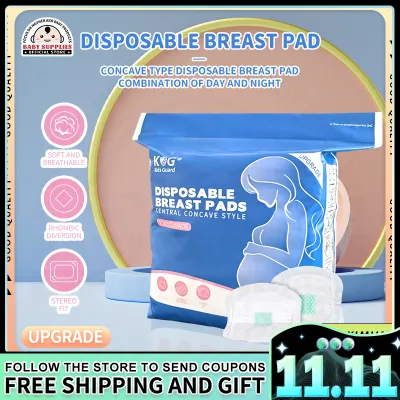
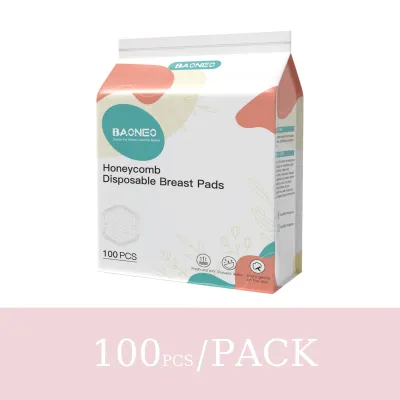
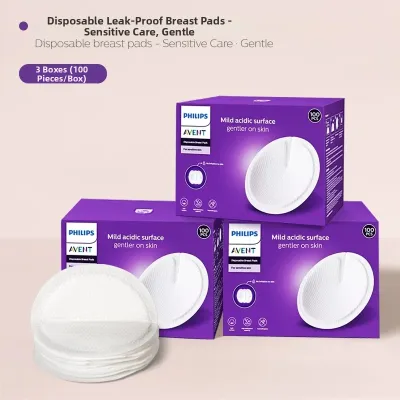
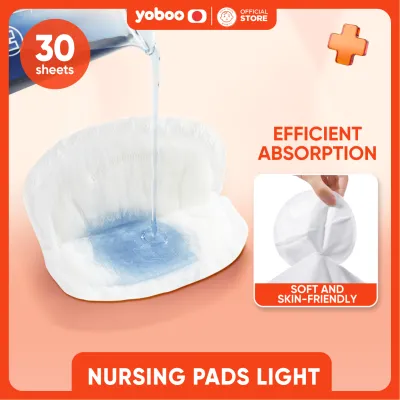
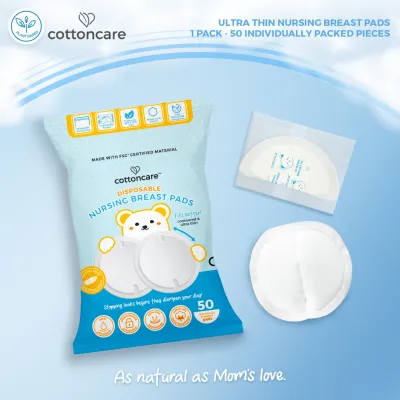
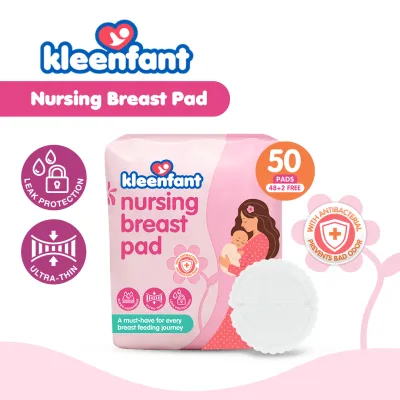
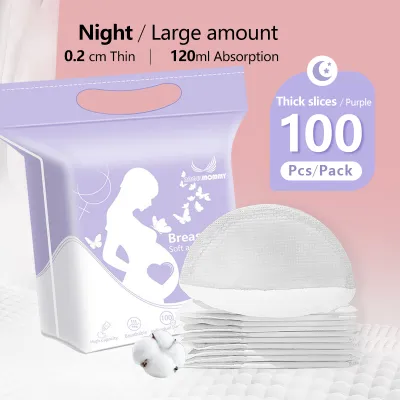
Prices are valid at publication and may change. Please refer to the product page for the latest price.
Absorbency and Leak Protection
Disposable nursing pads are engineered for high-performance moisture management. They typically feature a lining filled with super-absorbent polymers (SAP), which are the same materials used in high-quality disposable diapers. When breast milk leaks into the pad, these polymers quickly absorb the liquid and convert it into a dry gel, locking the moisture away from your skin. This rapid absorption makes disposables highly effective at handling sudden, heavy let-downs and preventing wetness from seeping through to your clothing. They also feature a waterproof outer backing that acts as an additional barrier against leaks, making them a reliable choice for long outings or overnight use.
Reusable nursing pads rely on layered fabric construction to absorb milk. Common materials include bamboo, organic cotton, hemp, and microfiber cores. Bamboo terry is highly favored for its natural absorbency and soft texture, while microfiber cores are excellent at trapping liquid. While reusable pads are highly effective for light to moderate, steady leakage, they do not contain chemical gelling agents. This means fabric pads have a physical limit to how much liquid they can hold before feeling damp. During heavy flow periods or intense let-downs, reusable pads may saturate more quickly than disposables, requiring more frequent changes to prevent wetness from transferring to your bra.
In tropical, high-humidity environments like the Philippines, managing moisture is a constant challenge. The combination of environmental humidity, sweat, and breast milk can quickly saturate fabric pads, reducing their effective absorption capacity. While disposables lock moisture away efficiently, their plastic backings can sometimes trap heat. Reusables allow for better airflow but must be monitored closely to ensure the fabric does not remain damp against your skin for extended periods.
Comfort, Breathability, and Skin Sensitivity
Disposable pads are designed to be ultra-thin and highly discreet. They easily contour to the shape of your breast and nursing bra, remaining virtually invisible under thin clothing. However, the synthetic top sheets and adhesive backings used in many disposable brands can sometimes cause friction or trap heat. For mothers with highly sensitive skin, this lack of breathability can lead to localized skin irritation, itchiness, or heat rashes (commonly known as bungang-araw). If you choose disposables, it is important to select brands that prioritize breathable outer layers and hypoallergenic materials.
Reusable nursing pads offer a distinctly softer, more natural feel against tender skin. Made from natural fibers like organic cotton or bamboo, they provide a gentle, cushioned barrier that minimizes friction against sore, cracked, or sensitive nipples. This makes them incredibly comfortable during the early weeks of breastfeeding when your nipples are adjusting to latching and pumping. Because they do not rely on synthetic plastic backings, high-quality reusable pads generally offer superior breathability, allowing air to circulate around the breast.
To maintain this comfort and protect your skin health, reusable pads must be changed promptly as soon as they feel damp. Natural fibers that remain wet against the skin can cause skin maceration, which weakens the skin barrier and increases the risk of irritation. For mothers dealing with damaged nipple tissue, the soft texture of a dry bamboo pad can feel significantly more soothing than the paper-like texture of a disposable pad.
Upfront Cost vs. Long-Term Value
Evaluating the financial aspect of nursing pads requires looking at both immediate expenses and long-term accumulation. Disposable nursing pads have a very low upfront cost. You can purchase a single box containing dozens of pads for a relatively small initial investment. However, because you use and discard multiple pairs every day, these recurring purchases continue throughout your entire breastfeeding journey. Over several months or a year, the cumulative cost of buying box after box of disposable pads can add up to thousands of Philippine Pesos (₱).
Reusable nursing pads require a higher upfront financial investment. A high-quality multi-pack of washable pads—which often includes a mesh laundry bag—costs more initially than a single box of disposables. Despite this initial cost, reusable pads provide exceptional long-term value. Because they can be washed and reused hundreds of times, the initial investment is typically recovered within the first few months of use. Once you pass this break-even point, you are essentially using them for free, saving a significant amount of money over the course of your breastfeeding journey.
To calculate your potential savings, estimate your daily pad usage. If you anticipate using six pads per day over a six-month breastfeeding period, you will go through approximately 1,080 disposable pads. Comparing the total cost of those disposables against the price of two or three multi-packs of reusable pads reveals the substantial savings reusables offer. Furthermore, if you plan to breastfeed subsequent children, reusable pads can be stored and used again, extending their financial value even further.
Convenience, Washing, and Daily Maintenance
Convenience is often the deciding factor for busy, sleep-deprived parents. Disposable nursing pads excel in this category due to their “use and toss” nature. Each pad is typically individually wrapped, making them highly hygienic and easy to slip into a diaper bag, purse, or pocket. When a pad becomes wet, you simply peel it off, throw it in the trash, and replace it with a fresh one. There is no cleanup, no washing, and no extra chores. This convenience is incredibly valuable during postpartum recovery, when traveling, or when returning to work.
Reusable nursing pads require a dedicated maintenance routine that adds to your daily household chores. After use, fabric pads should be rinsed in cold water to remove milk proteins before they dry and cause sour odors. They can then be placed in a mesh laundry bag and washed in the washing machine using a gentle, baby-safe, fragrance-free detergent. To maintain their absorbency and prevent fabric degradation, you must avoid using fabric softeners or bleach.
In the Philippines, the tropical climate and rainy seasons can complicate the drying process for reusable pads. Because they consist of multiple absorbent layers, fabric pads can take a considerable amount of time to air dry completely. During the wet season, you may need to dry them indoors in a well-ventilated area or use a clothes dryer on a low setting if permitted by the manufacturer’s care instructions. It is critical to ensure they are 100% dry before storing them, as any residual moisture can lead to mold or mildew growth. Additionally, when using reusables on the go, you must carry a waterproof wet bag to store damp pads until you return home.
Side-by-Side Comparison at a Glance
This comparison table summarizes the key practical differences between disposable and reusable nursing pads to help you quickly evaluate which option aligns with your daily priorities.

| Feature | Disposable Pads | Reusable Pads |
|---|---|---|
| Absorbency Capacity | Very high; locks liquid into a dry gel | Moderate to high; relies on fabric layers |
| Skin Feel & Breathability | Ultra-thin, but synthetic layers can trap heat | Extremely soft, natural fibers with high breathability |
| Cost Structure | Low upfront cost; high recurring long-term expense | Higher upfront cost; excellent long-term savings |
| Maintenance Effort | Zero maintenance; discard after use | Requires washing, rinsing, and thorough drying |
| Eco-Impact | Generates daily household waste | Low environmental impact; washable and reusable |
| Best Use Case | Heavy let-downs, travel, and busy outings | Sensitive skin, home use, and budget-conscious parenting |
How to Choose the Best Nursing Pads for Your Lifestyle
Selecting the right nursing pads is about finding the product that fits seamlessly into your daily routine, matches your physical needs, and aligns with your personal values. Use the following structured decision framework to guide your choice.
Choose Disposable if:
- You experience very heavy milk leakage or sudden, intense let-downs that require maximum liquid-locking technology.
- You prioritize convenience and want to minimize daily laundry chores during the demanding early postpartum weeks.
- You travel frequently, commute, or are returning to a workplace where washing and storing wet fabric pads is impractical.
- You prefer an ultra-thin, highly contoured profile that remains completely invisible under form-fitting clothing.
Choose Reusable if:
- You have light to moderate, steady milk leakage that can be easily managed by layered natural fabrics.
- You have highly sensitive skin, eczema, or sore, cracked nipples that react poorly to synthetic materials and friction.
- You want to minimize your household waste and reduce your environmental footprint during your parenting journey.
- You are looking to maximize your long-term savings and plan to breastfeed for many months or across multiple children.
- You are comfortable managing a regular washing and drying routine alongside your standard baby laundry.
Consider a Hybrid Approach if:
- You want to enjoy the benefits of both options while minimizing their respective drawbacks.
- You prefer using soft, breathable reusable pads while resting at home during the day to keep your skin comfortable.
- You want to switch to highly absorbent disposable pads at night to prevent sleep disruptions from leaks, or when leaving the house for extended periods.
- You want to keep a small stash of disposables in your diaper bag as a reliable backup while primarily using washables at home.
Regardless of which type you choose, always check the product packaging and manufacturer specifications before purchasing. Look for contoured, multi-dimensional shapes that cup the breast naturally rather than flat discs, which tend to bunch up. For disposables, verify the presence of reliable adhesive strips to keep the pad securely anchored inside your bra. For reusables, look for slip-resistant backings or textured outer fabrics that help the pad stay in place without shifting as you move.
Essential Hygiene and Safety Practices for Nursing Pads
Breastfeeding requires careful attention to hygiene to protect both your health and your baby’s safety. Warm, dark, and moist environments are ideal breeding grounds for bacteria and fungi. Because nursing pads sit directly against your skin and are constantly exposed to body heat and breast milk, practicing proper hygiene is essential to prevent painful complications.
The Golden Rule of Pad Changes
The most critical rule for both disposable and reusable nursing pads is that damp pads must be changed immediately. Leaving a wet pad against your breast for extended periods breaks down the delicate skin of the nipple and areola. This moisture buildup can lead to several common issues:
- Thrush (Candidiasis): A fungal infection caused by yeast that thrives in warm, wet environments. Thrush can cause intense, burning nipple pain and can be easily passed back and forth between your breast and your baby's mouth during feeding.
- Mastitis: A painful bacterial infection of the breast tissue that often enters through cracked skin or sore nipples, resulting in flu-like symptoms, fever, and localized breast pain.
- Bacterial Infections: General skin infections that can cause redness, itching, and swelling.
To minimize these risks, change your nursing pads as soon as they feel damp, wet, or immediately after every feeding or pumping session. Do not attempt to stretch the use of a disposable pad or wait until a reusable pad is completely saturated before replacing it.
Care and Washing Instructions for Reusable Pads
If you choose reusable nursing pads, proper laundering is vital to maintain their performance and keep them sanitary. Always consult the manufacturer’s care label for specific instructions, but generally adhere to the following guidelines:
- Avoid Fabric Softeners: Fabric softeners leave a thin, waxy chemical residue on fabric fibers. While this makes fabrics feel softer, it drastically reduces their absorbency, causing milk to run off the pad rather than soak into it.
- Avoid Bleach: Harsh chemicals like chlorine bleach can degrade the delicate fibers of bamboo or organic cotton, shortening the lifespan of your pads. Bleach residues can also remain in the fabric and irritate your skin or your baby's sensitive mouth.
- Use Baby-Safe Detergent: Wash your pads with a mild, fragrance-free, hypoallergenic detergent to prevent allergic reactions or skin sensitivity.
- Ensure Complete Drying: Never store or wear reusable pads that are even slightly damp. Ensure they are completely dry to prevent the growth of mold, mildew, or bacteria within the inner absorbent layers.
When to Seek Professional Guidance
While changing your nursing pads frequently and practicing good hygiene can prevent most skin issues, complications can still arise. Monitor your breasts and nipples daily for any unusual changes.
If you experience persistent redness, intense burning or shooting pain during or after feedings, deep cracks that do not heal, localized warmth and swelling, or a fever, stop using your current pad type immediately. These symptoms can indicate an active infection or a severe allergic reaction to the pad materials. Consult a healthcare provider, a certified lactation consultant, or your doctor immediately for professional diagnosis and treatment. Never attempt to self-diagnose or apply medicated creams to your nipples without professional medical guidance, as some substances may not be safe for your baby to ingest.
Frequently Asked Questions (FAQ)
Can I use both disposable and reusable nursing pads?
Yes, combining both disposable and reusable nursing pads is a highly practical and popular strategy among breastfeeding mothers. Using a hybrid approach allows you to tailor your choice to your immediate environment. For example, you can wear soft, breathable reusable pads during the day when you are at home and can easily change them as soon as they feel damp. When you go out, travel, or go to sleep, you can switch to highly absorbent disposable pads that lock away moisture for longer periods, providing extra security against leaks and reducing the need for immediate changes.
How often should I change my nursing pads?
As a general rule, you should change your nursing pads as soon as they feel damp or wet, or immediately after every feeding and pumping session. Depending on your milk supply and how heavily you leak, this could mean changing them 4 to 8 times a day, or even more frequently during the early weeks of breastfeeding when your milk supply is still regulating. Keeping your nipples dry is essential for preventing skin breakdown, bacterial infections, mastitis, and thrush. Never leave a damp pad against your breast for an extended period, even if the pad has not reached its full absorption capacity.
Do reusable nursing pads show through clothing?
Because reusable nursing pads are made of layered fabric, they are generally slightly thicker than ultra-thin disposable pads, which can sometimes make them visible under tight or thin clothing. To maintain discretion, choose reusable pads that feature a contoured, seamless design rather than flat circles, as contoured shapes cup the breast smoothly. Additionally, wearing structured nursing bras, padded bras, patterned clothing, or darker-colored tops can easily conceal the outline of fabric pads, ensuring they remain completely unnoticeable while keeping you comfortable.

Community discussion
Share your experience or ask a question. Comments are reviewed before publication.