
Choosing between disposable and reusable breast pads comes down to balancing your daily routine, budget, and how your body adjusts to lactation. There is no single option that suits every nursing parent throughout their entire breastfeeding journey. Disposable breast pads offer unmatched convenience and high absorbency, making them excellent for heavy leaks, busy workdays, or travel. On the other hand, reusable breast pads provide significant long-term financial savings, reduce environmental waste, and offer breathable comfort that is highly beneficial in warm, humid climates. Many parents find that their needs change over time, often leading them to use a combination of both types to stay dry and comfortable. By evaluating your specific daily activities, skin sensitivity, and leak volume, you can easily determine which option—or hybrid approach—fits your lifestyle.
Identifying Your Breastfeeding Needs and Leak Patterns
Before purchasing any breast pads, it is helpful to observe your body’s unique lactation patterns, which naturally shift during the postpartum period. In the first few weeks after birth, your milk supply is still calibrating, which often results in sudden, heavy let-downs and unpredictable leaking. As your supply stabilizes over the subsequent months, you might experience only light to moderate dampness, or perhaps leaks will only occur when your baby nurses on the opposite side. Understanding where you are in this timeline helps you select a pad with the appropriate capacity.
Your daily schedule and environment also play a major role in this decision. If you are returning to an office, traveling frequently, or running errands for long stretches, you may prioritize a low-maintenance option that does not require carrying damp items. Conversely, if you spend most of your time at home with easy access to laundry facilities, managing washable items becomes much more practical.
Products mentioned in this guide
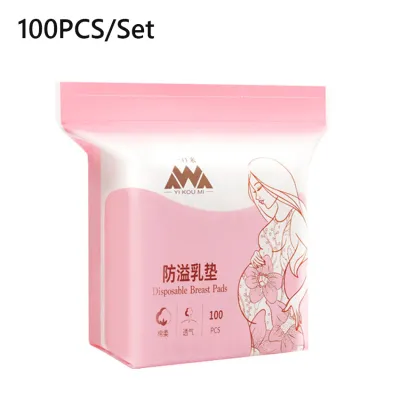
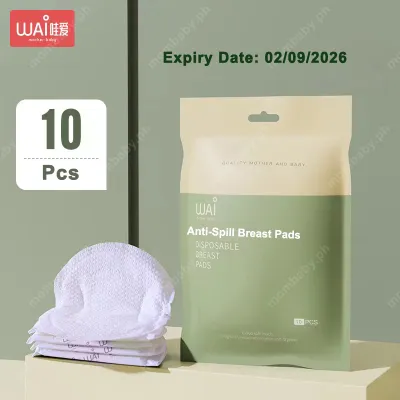
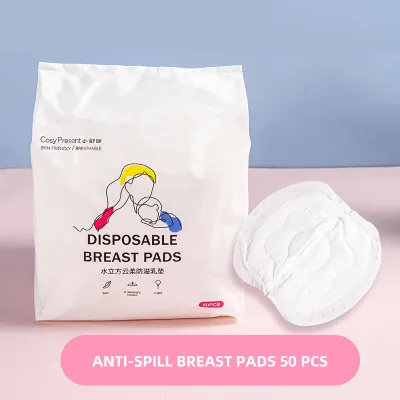
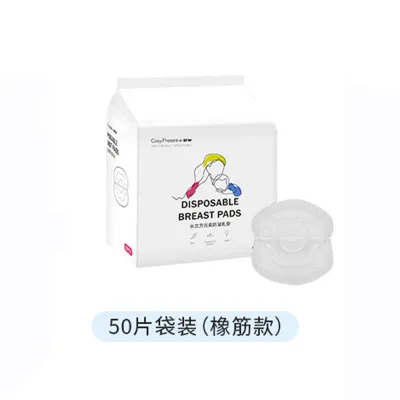
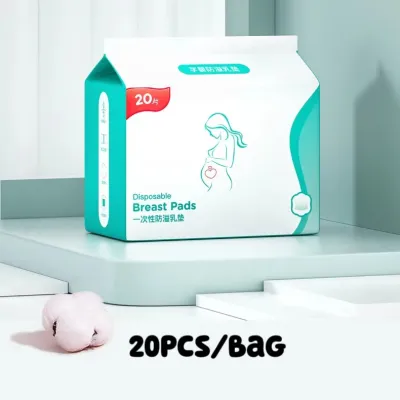
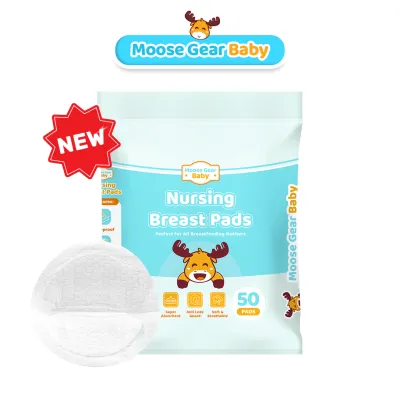
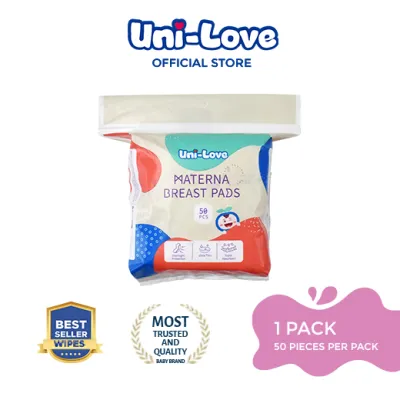
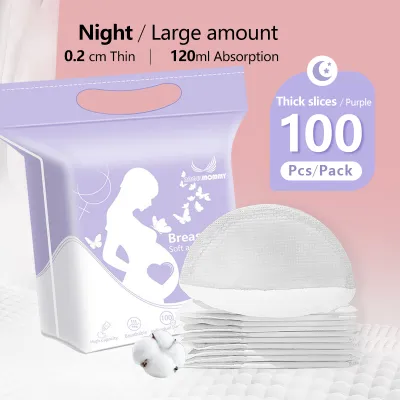
Prices are valid at publication and may change. Please refer to the product page for the latest price.
Finally, consider your skin type and the local climate. In tropical environments where heat and humidity are constant, trapped moisture can quickly lead to skin chafing, itching, or heat rashes. Sensitive skin often reacts poorly to synthetic materials when they are pressed against the breast for hours. Choosing fabrics that allow airflow and absorb moisture efficiently is essential for maintaining skin integrity and overall comfort.
Disposable Breast Pads: Convenience and Heavy Leak Management
Disposable breast pads are designed for single-use convenience, featuring a waterproof outer layer and a highly absorbent polymer core that locks moisture away from the skin. This rapid absorption is particularly beneficial during the early weeks of breastfeeding when let-downs are heavy and frequent. Because they are individually wrapped, they are incredibly easy to toss into a diaper bag, purse, or pocket, allowing you to change them quickly while away from home without worrying about storage.

For busy workdays or travel, the no-wash maintenance of disposables is a significant advantage. Once a pad becomes damp, you simply discard it and replace it with a fresh one. This eliminates the need to carry soiled, damp fabric in your bag throughout the day, which is especially helpful if you do not have immediate access to laundry facilities.
However, these practical benefits come with long-term trade-offs. Continuous purchasing of single-use pads can accumulate a substantial financial cost over several months of breastfeeding. Additionally, the environmental impact of throwing away multiple plastic-backed pads every day can be a concern for eco-conscious parents. From a skin health perspective, the synthetic materials and chemical binders used in some disposable brands can sometimes cause irritation or trap heat, particularly in warm and humid weather. To minimize these risks, it is crucial to change disposable pads as soon as they feel damp rather than leaving them on for extended periods.
Reusable Breast Pads: Long-Term Value and Skin Comfort
Reusable breast pads, typically made from washable fabrics like cotton, bamboo, or microfiber, offer an eco-friendly and cost-effective alternative for daily wear. While they require a higher upfront investment to purchase a sufficient starter set, they can be washed and reused hundreds of times. This longevity translates into significant financial savings over your entire breastfeeding journey, as you avoid the recurring expense of buying boxes of disposable pads month after month.
One of the primary benefits of reusable pads is their superior skin comfort. Natural fibers like organic cotton and bamboo are exceptionally soft against sensitive, tender nipples and allow for much better airflow than synthetic disposable backings. In tropical climates, this breathability is invaluable for reducing sweat buildup and keeping the skin cool, dry, and less prone to irritation or thrush.
Despite these advantages, reusable pads require a commitment to regular maintenance. They must be washed, sanitized, and dried thoroughly before they can be worn again. In high-humidity environments, drying multi-layered fabric pads completely can take a considerable amount of time, requiring careful planning to ensure you do not run out of clean pads. Additionally, when you are away from home, you must carry a waterproof wet bag to store damp, soiled pads until you can wash them, which requires slightly more preparation and effort than simply throwing a disposable pad away.
Side-by-Side Comparison of Key Features
To help you weigh your options, it is useful to compare how disposable and reusable breast pads perform across the most critical daily dimensions. While individual experiences will vary based on the specific brand, material quality, and thickness of the pads you choose, standard designs generally follow distinct patterns.
When evaluating these features, keep in mind that exact prices, layer counts, and absorbency capacities differ across manufacturers. It is always recommended to check specific product labels, packaging details, and user instructions to verify the materials used and the recommended usage limits.
| Feature | Disposable Breast Pads | Reusable Breast Pads |
|---|---|---|
| Absorbency | Very high; polymer core locks away heavy leaks | Moderate to high; depends on fabric layers |
| Long-Term Cost | Higher recurring cost over months of use | Lower overall cost after initial purchase (₱) |
| Convenience | High; single-use, no washing required | Moderate; requires regular washing and drying |
| Skin Comfort | Moderate; synthetic materials may trap heat | High; breathable natural fibers like bamboo |
| Eco-Impact | Higher waste; contributes to landfill volume | Low waste; reusable over multiple months |
| Portability | Excellent; individually wrapped and light | Moderate; requires a wet bag for soiled pads |
This comparison highlights that neither option is universally superior. Instead, each type excels in different areas, allowing you to choose the one that aligns best with your personal priorities, whether that is saving money, protecting your skin, or maximizing daily convenience.
How to Choose: A Practical Decision Framework
Deciding which breast pad to use does not have to be an all-or-nothing choice. By assessing your daily routine and physical needs, you can select the option that makes your breastfeeding experience as smooth as possible.
Choose Disposable if… You are currently dealing with very heavy, unpredictable leaks that require maximum absorption, or you are returning to a demanding workplace where washing and drying fabric pads is impractical. Disposables are also the ideal choice for travel, long outings, or periods when you simply do not have the time or energy to manage extra laundry. If you prefer a highly discreet profile under thin clothing, many disposable pads feature adhesive strips that keep them securely in place without shifting.
Choose Reusable if… Your milk supply has stabilized, resulting in light to moderate leaks, and you spend a significant amount of time at home where laundry is easily managed. Reusables are highly recommended if you have sensitive skin, are prone to nipple soreness, or want to minimize your environmental footprint. They are also the best choice for parents looking to optimize their long-term budget, as a single purchase of washable pads can last for your entire nursing journey.
Consider a Hybrid Approach if… You want the best of both worlds. Many parents find great success using breathable, comfortable reusable pads while relaxing at home or sleeping, and switching to high-absorbency disposable pads when going out, working, or traveling. This hybrid method allows you to enjoy the skin-friendly benefits and cost savings of washables while maintaining the reliable, worry-free convenience of disposables when you need it most.
Safe Care and Maintenance for Reusable Pads
Proper hygiene and care are essential when using reusable breast pads to protect your skin and maintain the integrity of the fabric. Because these pads sit directly against warm, moist skin, they can easily become a breeding ground for bacteria or mold if they are not cleaned and dried correctly. Always refer to the manufacturer’s care label for specific washing instructions, temperature limits, and detergent recommendations.
Generally, it is best to rinse soiled pads in cold water shortly after use to prevent milk stains from setting. You can wash them by hand or place them in a mesh laundry bag before tossing them into the washing machine on a gentle cycle. Avoid using fabric softeners or bleach, as these additives can coat the fibers and drastically reduce the pad’s absorbency over time.
Thorough drying is the most critical step in maintaining reusable pads, especially in tropical climates with high humidity. Ensure the pads are completely dry all the way through the inner layers before storing or wearing them. Damp pads can harbor mold, mildew, or bacteria, which can lead to skin infections or thrush. If you notice any signs of fabric degradation, persistent odors, loss of absorbency, or skin irritation, stop using the pads immediately and replace them.
Frequently Asked Questions (FAQ)
How many breast pads do I need per day?
The number of breast pads you will need daily depends entirely on your individual milk leakage volume and how quickly the pads become saturated. On average, nursing parents find themselves changing pads three to six times a day. To maintain healthy skin and prevent irritation, you should change your breast pads as soon as they feel damp, heavy, or cold against your skin, rather than waiting for a specific time or schedule. Keeping fresh pads on hand ensures your skin stays dry and protected throughout the day.
Can I use breast pads while sleeping?
Yes, you can wear breast pads while sleeping to manage nocturnal let-downs and prevent milk from soaking your sleepwear or bedding. When choosing a pad for overnight use, look for options that offer higher absorbency, a wider surface area, and a contoured shape to prevent the pad from shifting as you move in bed. You should check the product packaging to ensure the pads are rated for overnight wear, and always change them immediately upon waking to maintain proper hygiene and skin health.
Do breast pads affect milk supply or cause infections?
Breast pads themselves do not affect your milk supply, as supply is regulated by milk removal and hormonal signals. However, wearing damp pads for extended periods can trap moisture and warmth against your skin, creating an environment where bacteria and fungi, such as yeast (which causes thrush), can thrive. To minimize the risk of skin irritation or infection, change your pads frequently and practice good breast hygiene. If you experience persistent nipple pain, redness, burning sensations, or signs of infection, consult a healthcare professional or a lactation consultant for guidance.
Community discussion
Share your experience or ask a question. Comments are reviewed before publication.