
Choosing between disposable and reusable breast pads for breastfeeding is a highly personal decision that depends on your daily routine, milk supply, budget, and comfort preferences. Both options serve the same primary purpose—absorbing leaked breast milk to keep your clothing dry and protect your skin from friction. However, they achieve this through very different designs, materials, and long-term costs.
While some mothers prioritize the grab-and-go convenience of single-use options, others prefer the long-term savings and soft fabrics of washable alternatives. Understanding how each type performs in daily life, especially in warm and humid climates, will help you select the option that best supports your breastfeeding journey. Many parents even find that a combination of both types provides the ultimate balance of convenience and comfort.
Assessing Your Leakage and Lifestyle Needs
Before purchasing a large supply of breast pads, it is helpful to evaluate your personal leakage patterns. Some mothers experience heavy leaking, particularly during the early weeks postpartum when milk supply is still adjusting, or during a let-down on the opposite side while nursing. Other mothers may only experience light dampness or occasional leaks when a feeding session is delayed.
Products mentioned in this guide
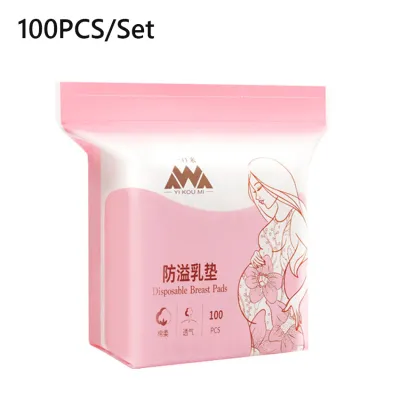
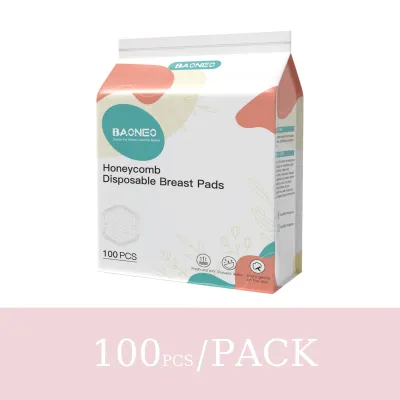
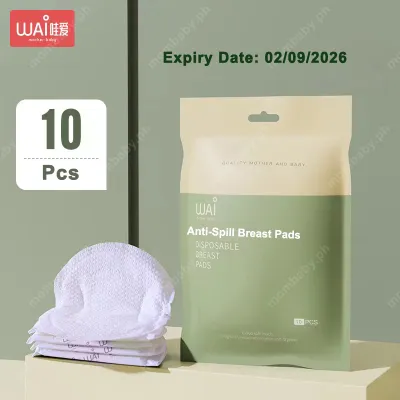
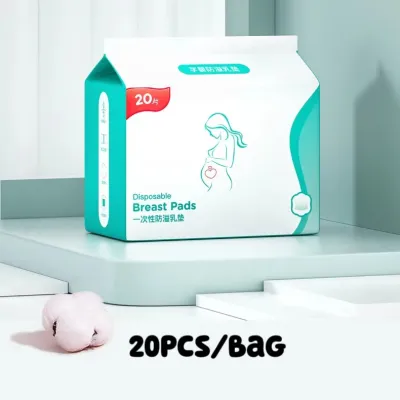
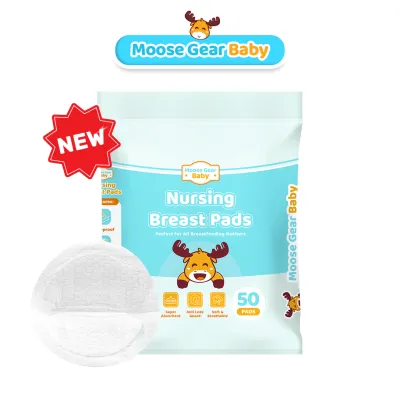
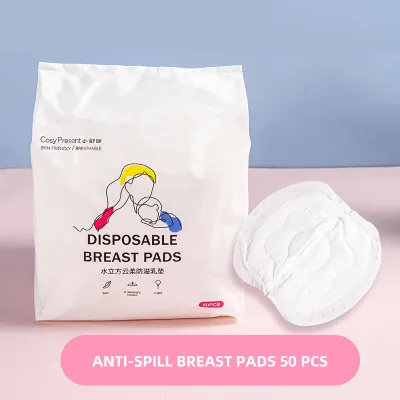
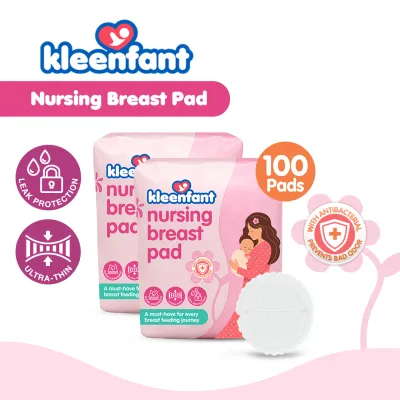
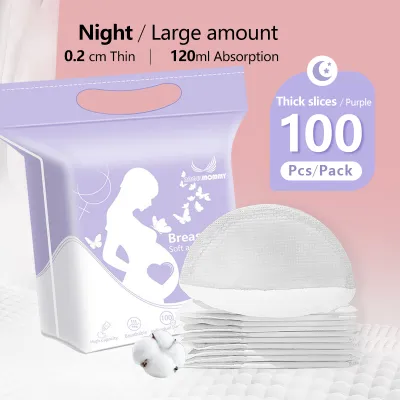
Prices are valid at publication and may change. Please refer to the product page for the latest price.
Your daily routine also plays a major role in determining which pad type fits your lifestyle. If you are frequently away from home, returning to an office, or traveling, you may have different requirements than a mother who spends most of her time at home. Managing laundry, access to private spaces for changing pads, and storage for damp items are all practical factors to consider.
Finally, budget flexibility is an important part of the decision. Reusable pads require a higher upfront investment in ₱ but eliminate recurring monthly costs. Disposables are highly affordable per box but represent an ongoing expense that accumulates over several months or years of breastfeeding.
Disposable Breast Pads: Convenience and Trade-offs
Disposable breast pads are single-use items designed for maximum convenience and high absorbency. Most disposables feature a super-absorbent polymer core that pulls moisture away from the skin and locks it inside, keeping your breast dry even during heavy leaks. This high level of performance makes them an excellent choice for long outings, overnight wear, or the early weeks of breastfeeding when leaking is often at its peak.

Despite their convenience, disposable pads have notable trade-offs. Because they are made with synthetic materials and plastic waterproof backings, they can sometimes trap heat and sweat. In tropical climates, this lack of airflow can lead to skin irritation, itching, or heat rashes around the sensitive breast area. Additionally, the ongoing cost of buying box after box can add up quickly, and the daily waste contributes to environmental landfills.
When shopping for disposable options, look closely at the product packaging to verify key features. Opt for pads that explicitly mention breathable outer layers to help minimize heat buildup. Look for contoured shapes that cup the breast naturally rather than lying flat, and check for reliable adhesive strips that keep the pad securely anchored inside your nursing bra to prevent shifting.
Reusable Breast Pads: Comfort and Maintenance
Reusable breast pads are washable, multi-use alternatives typically crafted from soft, natural fabrics. Materials such as organic cotton, bamboo, and hemp are exceptionally gentle against tender, sore, or cracked nipples. For mothers with highly sensitive skin or those prone to contact dermatitis from synthetic materials, the natural breathability of cloth pads offers a soothing and comfortable experience.
However, choosing reusable pads requires a commitment to regular maintenance. You must wash and dry them thoroughly before reuse, which requires extra planning. In highly humid environments, line-drying thick fabric pads can take a significant amount of time, meaning you will need to purchase a larger rotation of pads to ensure you always have a dry pair ready. Additionally, because they lack super-absorbent polymers, cloth pads can sometimes feel bulky or create visible outlines under thin or tight clothing.
Before purchasing reusable pads, verify the construction of the layers. High-quality reusable pads usually feature a soft inner lining, an absorbent middle core, and a waterproof outer backing made of polyurethane laminate (PUL). This outer layer is crucial for preventing milk from soaking through to your clothes, though some fully breathable cotton pads without a waterproof backing are available for light leaks or home use.
Direct Comparison: Disposable vs. Reusable Pads
Comparing these two options side-by-side helps clarify how they perform across the practical dimensions that matter most to busy mothers. While disposables excel in raw absorbency and convenience, reusables offer superior comfort and long-term financial savings.
In terms of absorbency, disposable pads generally outperform reusables during sudden, heavy let-downs because their chemical cores turn liquid into a gel. Reusable pads absorb milk into fabric fibers, which can feel wet against the skin more quickly if the flow is heavy. However, for light to moderate leaking, natural fabrics provide more than enough protection while allowing the skin to breathe.
From a financial perspective, the choice involves comparing immediate costs with long-term value. A single box of disposable pads is inexpensive, but over six months, the cumulative cost of replacing them can be substantial. Conversely, investing in a few packs of reusable pads represents a larger initial layout in ₱, but those same pads can be washed and worn hundreds of times, eventually saving you money.
| Feature | Disposable Breast Pads | Reusable Breast Pads |
|---|---|---|
| Primary Material | Synthetic fibers, super-absorbent polymer | Cotton, bamboo, hemp, polyester PUL |
| Absorbency Level | High to very high; locks moisture away | Moderate; absorbs into fabric layers |
| Breathability | Limited; synthetic backing can trap heat | High; natural fibers allow excellent airflow |
| Skin Comfort | May cause irritation in hot, humid weather | Extremely soft and gentle on sensitive skin |
| Convenience | High; toss after use, no washing required | Moderate; requires regular laundering and drying |
| Cost Structure | Low upfront cost; high recurring monthly expense | Higher upfront cost in ₱; zero ongoing expense |
| Environmental Impact | High; generates daily non-biodegradable waste | Low; reusable for months or multiple children |
Making Your Choice: A Practical Decision Framework
To determine which breast pads are right for you, consider how your daily habits and physical needs align with the characteristics of each type. Many mothers find that their preferences change as their breastfeeding journey progresses and their milk supply stabilizes.
Choose disposable breast pads if:
- You are experiencing very heavy, unpredictable leaking or strong let-down reflexes.
- You travel frequently, work long hours outside the home, or have limited access to laundry facilities.
- You prioritize maximum convenience and want to avoid adding more items to your daily washing routine.
- You need a discreet, ultra-thin profile under form-fitting professional wear.
Choose reusable breast pads if:
- You have sensitive skin, eczema, or are experiencing nipple soreness that is aggravated by synthetic materials.
- You experience light to moderate leaking and want a highly breathable option for warm weather.
- You want to minimize your household waste and reduce your environmental footprint.
- You are looking to minimize your total spending on breastfeeding accessories over the long term.
Consider a hybrid approach if:
- You want the best of both worlds by wearing comfortable, breathable reusable pads while relaxing at home, and switching to high-absorbency disposables when going out, working, or sleeping.
- You prefer using disposables during the first few weeks postpartum when leaking is heavy and laundry time is scarce, then transitioning to reusables once your milk supply regulates.
Hygiene and Care: Keeping Your Skin Healthy
Regardless of which type of breast pad you choose, maintaining excellent hygiene is essential for protecting your skin and preventing complications. Breast milk is warm and rich in nutrients, which makes a damp breast pad the perfect breeding ground for bacteria and yeast. Leaving a wet pad against your skin for extended periods can lead to painful nipple chafing, skin breakdown, or thrush, a fungal infection that can be passed between mother and baby.
To keep your skin healthy, change your breast pads promptly as soon as they feel damp or wet. Do not wait for a disposable pad to reach its maximum capacity before replacing it. When using reusable pads, store damp pads in a breathable wet bag if you are on the go, and wash them within a day or two to prevent mold growth.
When washing reusable pads, always check the manufacturer’s care label for specific instructions. As a general rule, wash them in warm water with a mild, fragrance-free detergent to protect sensitive skin. Avoid using fabric softeners or dryer sheets, as these products leave a chemical residue on the fabric fibers that severely reduces their absorbency over time. Ensure the pads are completely dry before storing or wearing them.
If you experience persistent nipple pain, intense itching, deep burning sensations during or after feedings, or notice unusual redness and cracked skin, stop using your current pads and consult a healthcare professional or a lactation consultant. These symptoms may indicate an infection or an allergic reaction that requires professional guidance and targeted treatment.
Frequently Asked Questions (FAQ)
How many breast pads do I need per day?
The number of breast pads you will need daily varies widely depending on your individual milk supply, how often your baby feeds, and how easily your let-down reflex is triggered. In the early weeks of breastfeeding, it is common to go through three to six pairs of pads per day as you change them frequently to maintain dryness. To establish your personal baseline, track how many times your pads feel damp during your first week postpartum before purchasing either type in bulk.
Can I sleep with breast pads on?
Yes, you can wear breast pads while sleeping, and many mothers find them essential for preventing overnight leaks that can ruin bedding. If you experience heavy leaking at night, choose high-absorbency disposable pads or specially designed overnight reusable pads that offer wider coverage and thicker absorbent layers. To protect your skin from prolonged moisture exposure, try to change your pad if you wake up for a middle-of-the-night feeding session.
When should I stop using breast pads?
Most mothers find that they can stop using breast pads once their milk supply regulates and adapts to their baby’s demand, which often occurs between six and twelve weeks postpartum. As your body becomes more efficient at producing milk only during feedings, spontaneous leaking typically decreases or stops entirely. You can gradually transition away from pads when you notice your clothing remains consistently dry between nursing or pumping sessions.
Community discussion
Share your experience or ask a question. Comments are reviewed before publication.