
Quick Answer: Which Breast Pad Type Should You Choose?
Choosing between disposable and reusable breast pads depends on your daily routine, budget, milk supply, and skin sensitivity. Disposable breast pads offer high absorbency and convenience, making them ideal for heavy leakage, travel, or the chaotic early weeks postpartum. Reusable breast pads are the superior choice for long-term financial savings, environmental sustainability, and overall comfort, especially for sensitive skin.
Many nursing mothers find that a hybrid approach works best. You might use disposable pads when commuting, traveling, or sleeping, and switch to washable reusable pads while relaxing at home. Assessing your daily schedule and milk flow will help you determine the right balance for your breastfeeding journey.
Understanding Breast Pads: When and Why You Need Them
Breast pads, also known as nursing pads, are essential accessories designed to absorb leaked breast milk. During the postpartum period, your body undergoes significant hormonal shifts that trigger milk production. This process often leads to unexpected leakage, particularly during the let-down reflex when milk flows freely from one breast while the baby nurses on the other.
Products mentioned in this guide
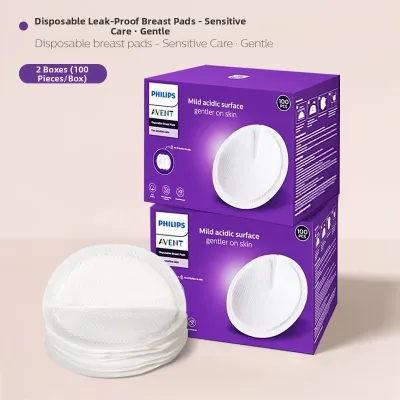
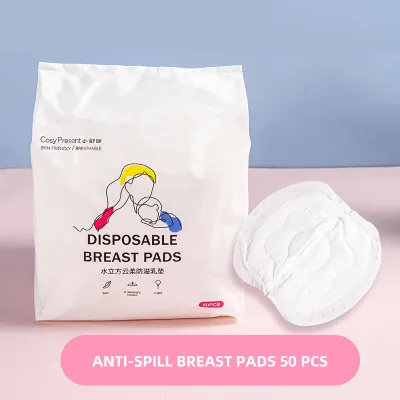
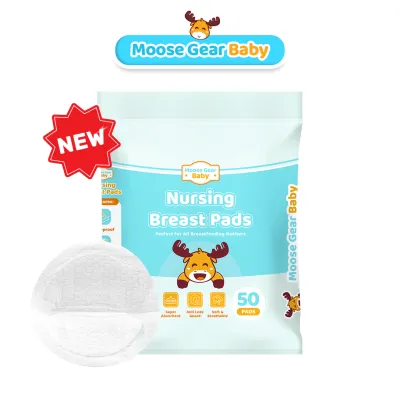
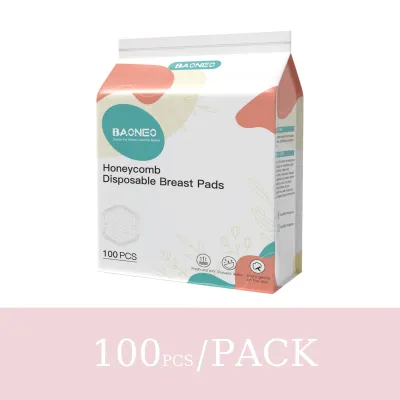
Prices are valid at publication and may change. Please refer to the product page for the latest price.

Engorgement and oversupply can also cause milk to leak throughout the day or night. Without protection, this moisture quickly soaks through your nursing bra and outer clothing, causing visible stains and discomfort. Breast pads act as a protective barrier, keeping your skin dry and shielding your wardrobe from dampness.
Maintaining dry skin is not just about comfort; it is a vital aspect of postpartum hygiene. Prolonged exposure to moisture can cause skin maceration, where the skin becomes soft, wet, and highly susceptible to breakdown. This damp environment also creates a breeding ground for yeast and bacterial infections.
While breast pads are excellent for managing everyday leakage, they are not designed to treat underlying medical conditions. If you experience severe breast pain, localized redness, warmth, fever, or cracked and bleeding nipples, you may be dealing with mastitis or blocked milk ducts. In these situations, stop self-managing with pads and consult a lactation consultant or a qualified healthcare provider immediately.
Disposable Breast Pads: Maximum Convenience and Absorbency
Disposable breast pads are single-use inserts designed to be discarded after they become damp. These pads typically feature a multi-layered construction, starting with a soft, non-woven top sheet that sits directly against your skin. Beneath this layer lies an ultra-thin core containing super absorbent polymers (SAP), which quickly pull liquid away from the surface and lock it into a gel.
To prevent leaks from escaping onto your clothing, disposables are finished with a waterproof plastic backing. Most brands also include adhesive strips on the back of the pad, allowing you to secure them firmly inside the cups of your nursing bra. This adhesive backing prevents the pads from shifting or bunching as you move throughout the day.
For mothers returning to work, traveling, or navigating busy schedules, the convenience of disposable pads is unmatched. They require zero maintenance; you simply peel them off, throw them in the trash, and replace them with a fresh pair. They are individually wrapped, making it easy to slip a few spare pairs into your diaper bag or purse.
However, these benefits come with notable drawbacks. The recurring cost of purchasing boxes of disposable pads can accumulate rapidly over several months of breastfeeding. Additionally, the synthetic materials and plastic backings do not biodegrade easily, contributing substantial waste to local landfills. Some mothers also find that the synthetic top sheets can cause friction and skin irritation, particularly in warm climates.
Reusable Breast Pads: Long-Term Savings and Eco-Friendly Comfort
Reusable breast pads are washable, fabric-based inserts designed for repeated use throughout your breastfeeding journey. They are crafted from multiple layers of natural and synthetic textiles. Common materials include organic cotton, bamboo rayon, and microfiber, which work together to absorb moisture while remaining soft against tender skin.
Bamboo is a particularly popular choice for the inner lining due to its exceptional softness, high absorbency, and natural hypoallergenic properties. The middle layers typically consist of absorbent microfiber, while the outer layer features a breathable, water-resistant material like polyurethane laminate (PUL) to protect your clothing from leaks.
Because they are washable, reusable pads represent a one-time purchase that can last for months or even years. They generate zero daily waste, making them the preferred choice for environmentally conscious parents. The natural fibers also offer superior breathability, allowing air to circulate freely around the breast, which helps keep the skin cool and dry.
On the downside, reusable pads require consistent maintenance. They must be laundered, rinsed, and dried thoroughly to prevent the growth of mold, mildew, or bacteria. They also lack adhesive backings, meaning they rely entirely on the snug fit of your nursing bra to stay in place. Because they use fabric layers rather than chemical polymers to absorb liquid, reusable pads can sometimes look slightly bulkier under tight-fitting clothing.
Head-to-Head Comparison: Cost, Comfort, and Performance
To choose the best option for your lifestyle, it is helpful to compare how disposable and reusable breast pads perform across key daily categories. Each type has distinct strengths that cater to different household budgets, physical comfort levels, and daily schedules.
| Feature | Disposable Breast Pads | Reusable Breast Pads |
|---|---|---|
| Maintenance Routine | None; single-use and disposable | High; requires regular washing and drying |
| Upfront Cost | Low per box | Moderate to high for a complete set |
| Long-Term Cost | High due to recurring purchases | Extremely low; reusable for months |
| Absorbency Level | Very high; locks moisture into a gel | Moderate to high; absorbs into fabric layers |
| Skin Feel | Dry surface but can feel synthetic | Extremely soft, natural, and breathable |
| Security | High; adhesive strips prevent shifting | Moderate; relies on a well-fitting bra |
Upfront Cost vs. Long-Term Value
When evaluating the financial aspect of breast pads, the choice comes down to low upfront costs versus long-term savings. A single box of disposable breast pads is relatively inexpensive, typically costing between ₱300 and ₱500 depending on the brand and pack size. However, if you use an average of four pads per day, a standard box of 60 pads will only last about 15 days.
Over a six-month breastfeeding journey, you would need to purchase approximately 12 boxes of disposables, bringing your total expenditure to anywhere between ₱3,600 and ₱6,000. If you continue breastfeeding for a year or longer, this recurring expense continues to climb.
In contrast, a high-quality set of 6 to 12 pairs of reusable bamboo breast pads generally costs between ₱600 and ₱1,200 upfront. Because these pads can be washed and reused hundreds of times, this single purchase can easily last your entire nursing journey. Even when factoring in the minor costs of water, electricity, and baby-safe detergent, reusable pads offer substantial long-term savings.
Absorbency and Leak Protection
In terms of raw absorbency, disposable breast pads generally outperform reusable options. The super absorbent polymers inside disposable pads are engineered to handle sudden, heavy let-downs by rapidly pulling liquid into the core and keeping the surface dry. This gel-locking technology ensures that even during long stretches between changes, moisture does not seep back onto your skin.
Reusable breast pads rely on the natural absorbing capacity of fabric fibers. While materials like bamboo and microfiber are highly absorbent, they eventually reach a saturation point. Once saturated, fabric pads can feel damp and heavy against your skin, and they may leak if they are not replaced promptly.
For mothers with a very heavy milk supply or active let-down reflexes, disposable pads provide a higher level of security against embarrassing wet spots. Reusable pads are highly effective for light to moderate daily leakage, but they require more frequent monitoring to ensure they do not become oversaturated.
Comfort, Breathability, and Skin Sensitivity
In warm and humid tropical climates, comfort and breathability are critical considerations for nursing mothers. The high humidity in the Philippines can cause sweat and moisture to accumulate quickly under clothing, creating an uncomfortable microclimate. Disposable pads, with their synthetic top sheets and plastic backings, can trap heat and perspiration, leading to skin chafing, itching, or heat rashes.
Reusable breast pads made from natural fibers like bamboo or organic cotton are highly breathable. They allow air to circulate, keeping the skin cool and reducing the risk of friction-induced nipple soreness. This breathability is also crucial for preventing thrush, a common fungal infection that thrives in warm, damp, and dark environments.
Regardless of which pad type you select, maintaining strict skin hygiene is essential. You must change your breast pads as soon as they feel damp. Leaving a wet pad against your breast for extended periods compromises the skin barrier and increases the risk of bacterial or fungal infections.
Environmental Impact and Hygiene Maintenance
For environmentally conscious parents, the ecological footprint of baby products is a major decision factor. Using disposable breast pads over several months generates hundreds of non-biodegradable pads that end up in municipal landfills. These pads contain plastics and synthetic polymers that can take decades to decompose.
While reusable breast pads prevent landfill waste, they do require water and energy for laundering. To minimize their environmental impact and keep them hygienic, you should adopt an efficient washing routine. Always check the manufacturer’s care label on your reusable pads for specific temperature limits and washing machine instructions.
To clean reusable pads safely, rinse them in cold water first. Cold water helps break down and remove milk proteins; using hot water initially can cause the proteins to coagulate, locking in stubborn stains and sour milk odors. After rinsing, wash the pads with a gentle, fragrance-free, baby-safe detergent to avoid exposing your baby to harsh chemical residues during feeding.
Ensure the pads are completely dry before storing or wearing them. In the Philippines, hanging your washed reusable pads outdoors under direct sunlight is highly recommended. Sunlight acts as a natural sanitizer, helping to eliminate lingering bacteria and mildew. If you notice any black spots or a persistent musty odor on your reusable pads, discard them immediately, as this indicates mold growth.
Final Decision Guide: Matching Breast Pads to Your Lifestyle
To make your final decision, consider how your daily routine, physical environment, and budget align with the characteristics of each breast pad type.
Choose Disposable Breast Pads if:
- You are in the early postpartum weeks, experiencing heavy, unpredictable milk leakage as your supply calibrates.
- You are returning to a workplace or traveling frequently where washing and drying fabric pads is impractical.
- You commute in hot weather and prefer the convenience of carrying lightweight, individually wrapped replacements.
- You want to minimize your daily household chores and laundry load during a busy season of life.
Choose Reusable Breast Pads if:
- You have light to moderate milk leakage and want to save thousands of pesos over your breastfeeding journey.
- You want to reduce your household's daily waste and minimize your environmental footprint.
- You have highly sensitive skin or are prone to chafing, heat rashes, or thrush from synthetic materials.
- You do not mind adding a small load of delicate items to your regular home laundry routine.
Consider a Hybrid Approach if:
- You want the breathability and skin-friendly comfort of reusable bamboo pads while relaxing at home.
- You need the high-capacity, leak-proof security of disposable pads for overnight sleep, long outings, or formal events.
Frequently Asked Questions (FAQ)
How many breast pads do I need per day?
Your daily breast pad usage depends entirely on your individual milk supply and how frequently you experience let-down leaks. On average, most nursing mothers use between 2 to 4 pairs (4 to 8 individual pads) per day. Rather than focusing on a specific number, the most important rule is to change your breast pads immediately whenever they feel damp or after every feeding session to maintain skin health.
Can I wear breast pads while sleeping?
Yes, wearing breast pads while sleeping is highly common and recommended to protect your sleepwear and bedding from nighttime let-downs. For overnight use, select highly absorbent options, such as thick, multi-layered reusable pads or high-capacity disposable pads with secure adhesive strips. Always put on a fresh, dry pair of pads right before going to sleep, and change them immediately upon waking to prevent prolonged moisture exposure.
Community discussion
Share your experience or ask a question. Comments are reviewed before publication.