
Tracking your baby’s growth is one of the most reassuring parts of early parenthood, but choosing the right tool for home monitoring can feel overwhelming. Neither digital nor analog baby weighing scales are universally superior; the ideal choice depends on whether your family prioritizes precise, feature-rich tracking or a straightforward, battery-free mechanical design. By understanding how these two types compare in accuracy, ease of use, and long-term value, you can select a scale that fits seamlessly into your nursery routine.
Core Differences Between Digital and Analog Baby Scales
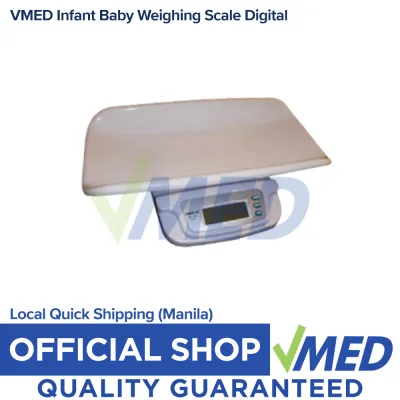
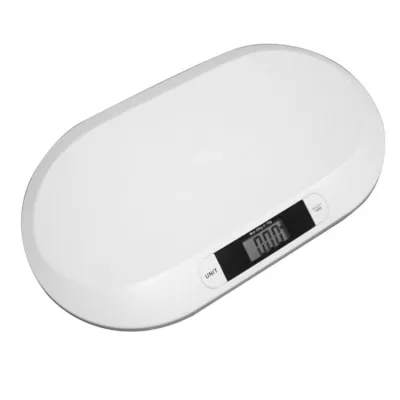
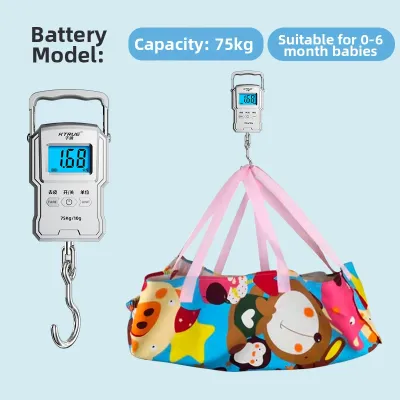
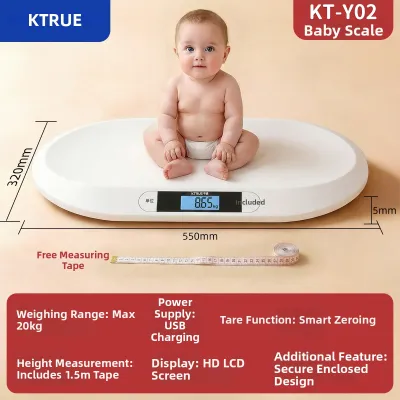
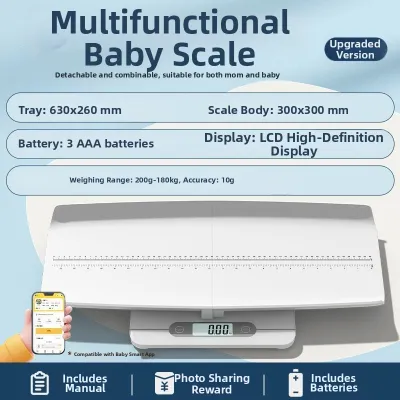
Digital baby scales rely on electronic sensors located beneath the weighing platform to measure weight. When you place your baby on the tray, these sensors convert the physical pressure into an electronic signal, which is then processed and displayed as a precise numerical reading on an LCD or LED screen. This electronic system allows for advanced features like automatic unit conversion and memory storage.
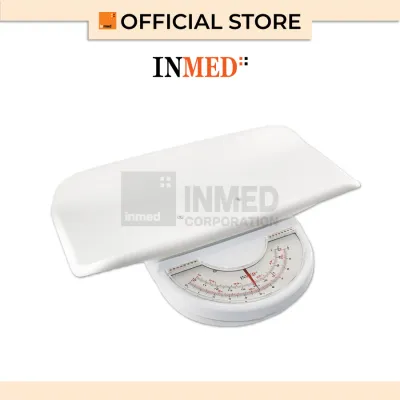
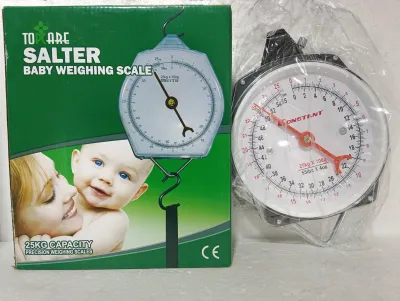
In contrast, analog baby scales operate on purely mechanical principles. They utilize internal metal springs that stretch or compress under the baby’s weight, which physically rotates a needle across a graduated dial. Because they do not rely on electronic components, analog scales do not require batteries or electrical outlets, making them highly reliable and always ready for use.
Products mentioned in this guide

27 Lazada user ratings
Ordered 2.5, shipped out 2.6, delivered 2.7. Fast processing & shipping of order! Came in a bubble-wrapped box. Correct item received. Easy …Read full reviewShow less
Ordered 2.5, shipped out 2.6, delivered 2.7. Fast processing & shipping of order! Came in a bubble-wrapped box. Correct item received. Easy to assemble. Works well so far. Hopefully will last long. Thank you, seller!
Ease of Use:Large weighing plate, very easy to use Durability:very durable Accuracy:excellent accuracy Easy to clean surface.
Parcel arrived on time. Medyo curved lang talaga yung arrowhead, pero adjust ko nalang. Hehe. Thanks!
The item was packed well and functional. The seller was accommodating. Thank you! 🌟🌟🌟🌟🌟🌟🌟🌟🌟🌟
Fast delivery considering i’m in the province. Packed well too. Quality is 💯
134 Lazada user ratings
Durable and long-lasting, Saves time and effort, Great value for money, Accurate weight measurement, Accurate weight measurement, Saves time…Read full reviewShow less
Durable and long-lasting, Saves time and effort, Great value for money, Accurate weight measurement, Accurate weight measurement, Saves time and effort, Durable and long-lasting, Great value for money, Saves time and effort,
Clear and easy-to-read display, Saves time and effort, Compact and portable design, Helpful for tracking baby's health, Convenient for monit…Read full reviewShow less
Clear and easy-to-read display, Saves time and effort, Compact and portable design, Helpful for tracking baby's health, Convenient for monitoring baby's growth, Durable and long-lasting,
amazing! i can now monitor my baby's weigth. thanks seller. worth the wait, no damage and i used it right away. oh its battery operated
Effective: Convenient for monitoring baby's growth, Clear and easy-to-read display, Helpful for tracking baby's health,
Hi! Good afternoon. Fast delivery sya and nagana yung product. thank you so much seller! 😁
19 Lazada user ratings
Reliable and calibrated for accuracy, Sturdy steel casing, Clear and easy-to-read graduations, Large numbers for easy reading, Clear and eas…Read full reviewShow less
Reliable and calibrated for accuracy, Sturdy steel casing, Clear and easy-to-read graduations, Large numbers for easy reading, Clear and easy-to-read graduations,
Quality:good thank you
131 Lazada user ratings
Perfect for monitoring your baby's growth, Sturdy and durable tempered glass material, Convenient multi-functionality for both babies and pe…Read full reviewShow less
Perfect for monitoring your baby's growth, Sturdy and durable tempered glass material, Convenient multi-functionality for both babies and pets, Helpful tool for monitoring your pet's weight, Easy to use and read LCD display,
The item was properly packed with bubble wrap. Secure po syang dumating. Thank you seller mamomonitor ko na weight nang baby ko at sa freebi…Read full reviewShow less
The item was properly packed with bubble wrap. Secure po syang dumating. Thank you seller mamomonitor ko na weight nang baby ko at sa freebie na battery. God bless po
Helpful tool for monitoring your pet's weight, Convenient multi-functionality for both babies and pets, Compact and portable, ideal for trav…Read full reviewShow less
Helpful tool for monitoring your pet's weight, Convenient multi-functionality for both babies and pets, Compact and portable, ideal for travel,
I received the item in good condition. Accuracy of 0.01kg. May free 2 pcs-AAA Batteries. Took 3 days to deliver the item. Thank you.
Easy to use and read LCD display, Convenient multi-functionality for both babies and pets,
Prices are valid at publication and may change. Please refer to the product page for the latest price.
The structural designs also differ to accommodate these distinct mechanisms. Digital scales often feature low-profile, lightweight plastic trays that keep the baby close to the surface for safety. Analog scales, particularly traditional clinical models, frequently have deeper, heavier metal or plastic baskets suspended over a robust mechanical base, which can require a larger, dedicated storage space in your home.
Comparing Key Decision Factors for Home Monitoring
When evaluating scales for home use, accuracy and readability are primary considerations for tracking subtle growth patterns. Digital scales generally offer superior precision, displaying weight in small increments such as 5 grams or 10 grams. This level of detail is clearly visible on digital screens, often featuring backlights for easy reading in low-light conditions. Analog scales require you to read a physical dial where the needle may rest between marked lines, requiring manual estimation that can be difficult if the baby is moving. Parents should always check the manufacturer’s specifications on the packaging to verify the exact graduation increments before purchasing.

Ease of use is another critical factor, especially when dealing with an active infant. Digital scales frequently include a “tare” function, which allows you to place a diaper or a warm blanket on the scale, press a button to reset the display to zero, and then weigh your baby without including the weight of the accessories. Many digital models also feature a “hold” function that averages the weight of a moving baby to provide a stable, accurate reading. Analog scales lack these automated features, meaning you must manually calculate and subtract the weight of any blankets or clothing, and wait for the baby to become completely still to get an accurate reading from the physical dial.
Durability and maintenance requirements vary significantly between the two types, particularly in tropical climates like the Philippines. High humidity can affect electronic circuits over time, making digital scales more vulnerable to moisture damage or battery compartment corrosion if stored in damp areas. Analog scales are structurally robust, but their internal mechanical springs can rust or lose calibration if exposed to high humidity or liquid spills. To ensure longevity, parents should inspect the build materials for high-quality, impact-resistant plastics or rust-resistant coatings, and consult the product manual for specific cleaning and storage instructions.
Price and Value Considerations
When browsing local baby shops or online marketplaces in the Philippines, you will find a wide range of pricing options for both types of scales. Basic analog scales are generally very budget-friendly, often costing only a few hundred pesos (₱), making them an accessible choice for families who want simple, occasional monitoring. Digital scales typically start at a higher price point, with basic models costing around ₱1,000, while premium models with smart connectivity and advanced tracking features can reach several thousand pesos (₱).
Deciding whether to invest in a higher-priced digital model depends on your specific monitoring needs. If your pediatrician has recommended close tracking of your baby’s weight due to feeding concerns, the precision and convenience of a premium digital scale can offer significant peace of mind. However, if you simply want to perform occasional, general growth checks between clinic visits, a basic digital scale or a reliable analog model provides excellent value without the added cost of unused features.
It is also important to factor in potential hidden costs over the lifespan of the scale. Digital scales require ongoing battery replacements, which can add to the total cost of ownership over several years. Analog scales have no recurring power costs, but they may occasionally require manual recalibration using an external adjustment knob. While this calibration process is free, it requires a known reference weight and a bit of patience to ensure the needle aligns perfectly with the zero mark.
Decision Framework: Which Scale Fits Your Family?
To determine which scale is the best fit for your household, consider your daily routine and tracking priorities. A digital scale is highly recommended if you need to perform precise, frequent weight checks, such as monitoring milk intake before and after breastfeeding. The clear digital display, automatic tare function, and fine increments eliminate guesswork, allowing you to record accurate data quickly and easily during busy mornings.
An analog scale is the better choice if you prefer a straightforward, low-maintenance device that is always ready to use without the hassle of dead batteries. It is particularly well-suited for families living in highly humid areas where delicate electronics might degrade quickly, or for those who only require occasional, general weight checks where minor gram-level fluctuations are not a primary concern.
Regardless of which type you lean toward, always verify that the specific model meets the weight capacity, age recommendations, and safety standards specified by the manufacturer and your pediatrician. Ensure the weighing tray is large enough to accommodate your baby comfortably as they grow, and check that the scale has a stable, non-slip base to prevent tipping during use.
Safe Usage and Maintenance Guidelines
Operating a baby scale safely requires strict adherence to manufacturer guidelines and constant caregiver supervision. Never leave your baby unattended on the weighing tray, even for a brief moment, as infants can wiggle or roll unexpectedly. Always keep one hand hovering closely over your baby during the weighing process, and ensure the scale is placed on a flat, stable, and low surface, such as a sturdy table or directly on the floor, to minimize the risk of falls.
Proper cleaning is essential to maintain hygiene and protect the scale’s components. Always consult the manufacturer’s instructions for approved cleaning methods and safe disinfectants, as harsh chemicals can damage plastic trays or seep into electronic sensors and mechanical dials. Use a soft, slightly damp cloth to wipe down the surface, and ensure the scale is completely dry before storing it, especially in humid tropical climates where mold or rust can develop quickly.
Stop using the scale immediately if you observe any signs of physical damage, such as cracks in the tray, loose parts, or inconsistent readings that vary wildly within a few minutes. If the dial on an analog scale becomes stuck or the digital screen displays persistent error codes, consult the manufacturer’s troubleshooting guide or contact a qualified professional for repair. Do not attempt to disassemble the scale yourself, as this can permanently disrupt the calibration and compromise safety.
Frequently Asked Questions (FAQ)
How often should I weigh my baby at home?
For most healthy infants, daily weighing at home is unnecessary and can lead to parental anxiety. A baby’s weight naturally fluctuates throughout the day based on feeding times, wet diapers, and bowel movements, which can make daily readings confusing. Pediatricians typically monitor growth trends during scheduled well-baby visits, which is sufficient for tracking healthy development. You should only weigh your baby more frequently if specifically advised by your pediatrician to monitor a medical condition or track weight gain progress under professional guidance.
Can I use a regular adult scale to weigh my baby?
Using a standard adult scale by weighing yourself first and then weighing yourself while holding your baby is not recommended for precise infant monitoring. Adult scales are designed for much larger weight ranges and usually have graduation increments of 100 grams or more, which are too large to detect the subtle, critical weight changes of a newborn. Furthermore, holding a baby while stepping on and off a scale introduces safety risks, and placing an infant directly on an adult scale is highly unsafe due to the lack of a secure, contoured weighing tray.
Community discussion
Share your experience or ask a question. Comments are reviewed before publication.