
Caring for a baby’s sensitive skin in a warm, humid climate requires a gentle touch and a highly deliberate approach to daily hygiene. In the Philippines, where tropical heat and high humidity can quickly exacerbate skin irritation, finding the right cleansing method during diaper changes is essential for preventing discomfort. Diaper change sprays have emerged as a practical, low-friction alternative to traditional cleansing methods, offering a way to clean delicate skin while minimizing the physical rubbing that often triggers or worsens diaper rash. Selecting the right spray involves understanding your baby’s unique skin needs, carefully analyzing ingredient lists, and evaluating product designs to ensure a gentle, soothing experience at every diaper change.
Understanding Diaper Change Sprays and Sensitive Skin
Diaper change sprays are liquid-based cleansers delivered via a spray bottle, specifically formulated to break down urine and fecal residue on contact. Unlike traditional cleansing methods, these sprays allow caregivers to cleanse the diaper area with minimal physical contact, reducing the risk of aggravating already sensitive skin.
Traditional baby wipes, even those marketed as ultra-soft, require physical dragging across the skin to remove waste. When a baby has sensitive skin or an active rash, this mechanical friction can strip away the natural lipid barrier, leading to micro-tears, increased inflammation, and pain. Barrier creams are excellent for protecting the skin from moisture and acids, but they are designed to shield rather than cleanse; applying a barrier cream over skin that has not been thoroughly and gently cleaned can trap bacteria and moisture, worsening irritation.
Products mentioned in this guide
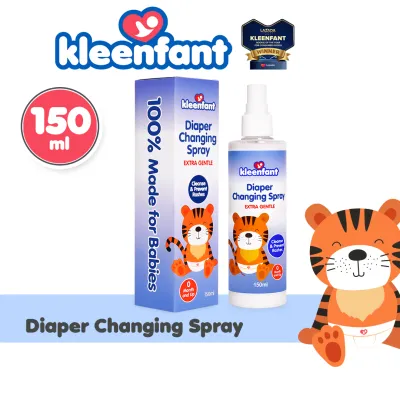
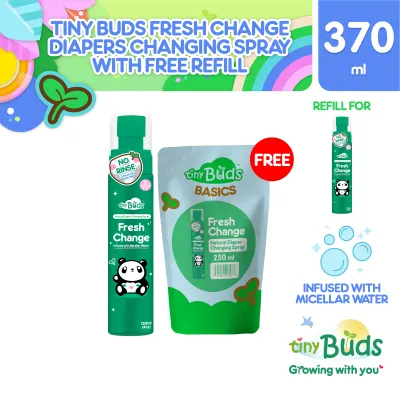
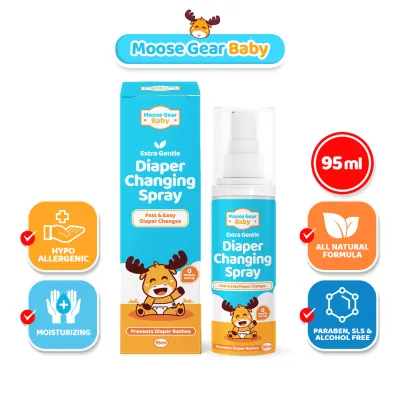
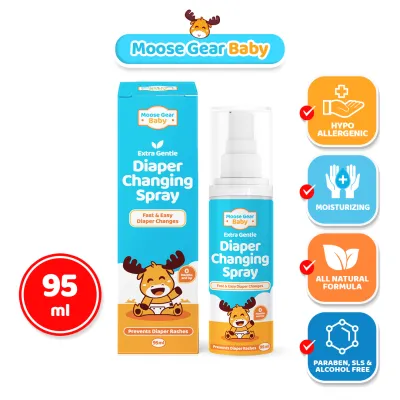
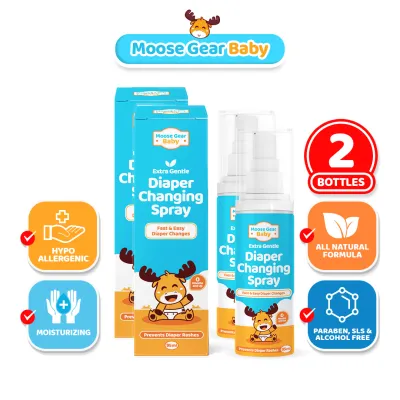
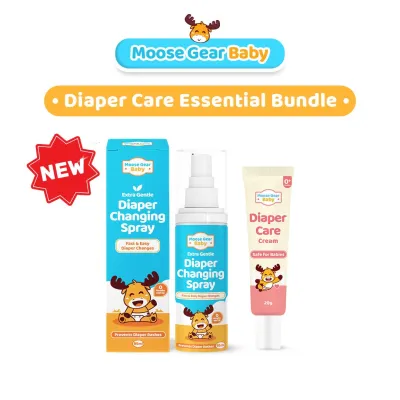
Prices are valid at publication and may change. Please refer to the product page for the latest price.
An infant’s skin barrier is significantly thinner than an adult’s, making it highly susceptible to environmental stressors, heat, and chemical irritants. In tropical climates, sweat and trapped moisture under a diaper weaken this barrier further, making the skin highly reactive. When harsh cleansing agents or repetitive physical rubbing are introduced, the skin’s outer layer breaks down, leading to contact dermatitis or painful diaper rash.
A diaper change spray is particularly beneficial when the skin is already compromised, red, or peeling, as it allows for a touch-free or low-touch cleansing process. It is also highly useful for loosening sticky, stubborn stools without resorting to painful scrubbing. By misting the area, caregivers can loosen debris naturally, allowing it to be gently patted away with minimal physical contact.
Key Ingredients to Look For and Avoid
When selecting a diaper change spray, reading the ingredient label is the most reliable way to ensure the product is safe for sensitive skin. Look for natural, plant-derived soothing agents that actively support the skin’s natural barrier.

Aloe vera is highly valued in tropical skincare for its cooling properties and its ability to hydrate inflamed skin without leaving a heavy residue. Chamomile and calendula extracts offer natural anti-inflammatory benefits, helping to calm redness and soothe localized irritation. Panthenol, also known as Provitamin B5, is another excellent ingredient to seek out, as it supports skin barrier repair and helps maintain optimal moisture levels in the skin.
The tropical heat can intensify a baby’s reaction to chemical irritants, making it crucial to avoid specific ingredients. Avoid products containing denatured alcohol or isopropyl alcohol, which dry out the skin and cause a stinging sensation on open rashes. Synthetic fragrances and “parfum” are leading causes of allergic contact dermatitis and should be strictly avoided in diaper-area products. Parabens, used as preservatives, can also irritate sensitive skin barriers, while highly concentrated essential oils—such as tea tree, lavender, or citrus oils—can be highly sensitizing for infants despite being marketed as natural.
Do not rely solely on front-of-package marketing terms like “hypoallergenic” or “dermatologist-tested,” as these terms are not always universally regulated. Instead, turn the bottle over to inspect the full ingredient list and look for recognized certification seals from independent dermatological institutes or pediatric associations. Check if the manufacturer provides clear details about their testing protocols, and verify that the product is explicitly formulated for infant use.
How to Evaluate and Select the Right Spray
When browsing local e-commerce platforms, baby specialty stores, or pharmacies in the Philippines, a systematic evaluation process will help you find a reliable product that fits your baby’s needs.
The delivery mechanism of the spray is just as important as the liquid inside. A high-quality nozzle should produce a fine, wide-angle mist that covers the diaper area evenly without dripping or pooling. Avoid sprays that release a sharp, concentrated stream of liquid, as this can startle the baby and cause discomfort on sensitive or sore skin.
Healthy infant skin has a slightly acidic pH, typically around 5.5. Look for sprays that explicitly state they are pH-balanced to help maintain the skin’s natural protective acid mantle. Always check the age-appropriateness guidelines on the label to ensure the product is safe for your baby’s specific developmental stage, and verify the expiration date to avoid using degraded formulations.
Compare unit prices by calculating the cost per milliliter to find a sustainable option for daily use, as prices in the local market typically range from ₱300 to ₱800 depending on the brand and formulation. Read verified buyer reviews on online marketplaces, paying close attention to feedback regarding nozzle durability, leakage during transit, and whether the mist remains consistent as the bottle empties.
If your baby has severely irritated, broken, or bleeding skin, do not attempt to self-treat with new over-the-counter sprays. Always consult a pediatrician first to rule out bacterial or fungal infections, such as Candida diaper dermatitis, which require specific medical treatments rather than cosmetic cleansers.
Safe Application and Diaper Rash Prevention
Using the correct application technique is essential to maximize the benefits of a diaper change spray and prevent further irritation to your baby’s skin.
Hold the spray bottle approximately 10 to 15 centimeters away from your baby’s skin and spray gently and evenly over the soiled areas. Let the liquid sit for a few seconds to naturally break down and loosen any dried or sticky residue, which minimizes the need for physical wiping.
Instead of dragging a wipe or cloth across the skin, use a clean, soft cotton pad or a dry, reusable bamboo cloth to gently pat the area dry. In the humid Philippine climate, trapping moisture inside a fresh diaper is a primary cause of diaper rash, so allow the baby’s skin to air-dry completely for a minute or two before putting on a new diaper. You can gently fanning the area with a clean cloth to speed up this process.
If your baby is prone to rash or if you are dealing with mild redness, you can safely combine the spray with a barrier cream. Once the skin is completely clean and dry after using the spray, apply a thin, even layer of a zinc oxide-based or petroleum-based barrier cream to shield the skin from future moisture and friction.
Monitor your baby’s skin closely during and after application, and stop using the diaper change spray immediately if you notice increased redness, swelling, hives, tiny blisters, or if your baby cries or shows signs of pain during application. If the rash does not improve within a few days, spreads to the abdomen or thighs, or is accompanied by a fever, seek professional medical advice promptly.
Frequently Asked Questions (FAQ)
Can I use diaper change sprays on newborns?
Newborn skin is exceptionally thin and delicate, making it highly sensitive to external products. Before using any diaper change spray on a newborn, carefully read the manufacturer’s packaging to verify the minimum recommended age. Many gentle formulations are suitable from birth, but it is always best to consult your pediatrician before introducing any new skincare product to a newborn. Additionally, perform a patch test on a small area of the baby’s arm or leg and wait 24 hours to check for any adverse reactions before applying it to the diaper area.
Do I still need to use baby wipes if I have a spray?
Diaper change sprays do not completely eliminate the need for a wiping medium, but they transform how wipes are used. Instead of using wet baby wipes to scrub the skin, you can use the spray to loosen the soil and then use a dry, soft cloth, cotton pad, or a gentle water-based wipe to pat the residue away. This approach significantly reduces double-friction—the combined irritation of wet chemical wipes and physical rubbing—protecting the skin’s natural barrier.
What should I do if the spray causes more redness?
If you observe increased redness, irritation, or signs of discomfort immediately after using a diaper change spray, stop using the product right away. Gently rinse the diaper area with plain, lukewarm water to remove any remaining product residue, and pat the skin dry with a clean, soft towel. Avoid applying any other new skincare products or scented creams to the irritated area, and consult a healthcare professional or pediatrician to evaluate the reaction and receive safe guidance on healing the skin.
Community discussion
Share your experience or ask a question. Comments are reviewed before publication.