
The Short Answer: Caddy or Bag?
Choosing between a diaper caddy and a diaper bag comes down to where you plan to care for your baby. If your primary need is organized, stationary storage that you can easily move from room to room or keep in your vehicle, a diaper caddy is the ideal tool. If your lifestyle involves frequent outings, travel, errands, or any situation where you must carry baby essentials outside the home, a dedicated diaper bag is an absolute necessity.
These two items serve different, highly complementary roles in a daily baby care routine. A diaper bag acts as a secure, wearable travel kit designed to withstand the elements and keep your hands free. A diaper caddy serves as an open-access, rapid-use station that streamlines diaper changes within a controlled environment. Many parents eventually find that using both items in tandem provides the most seamless caregiving experience, allowing them to manage bulk supplies at home while keeping a streamlined travel kit ready by the door.
Understanding the Core Differences: Diaper Bag vs. Mushie Diaper Caddy
A diaper bag is a specialized piece of travel gear designed to be worn on the body. Usually styled as a backpack, tote, or messenger bag, it features secure zippered closures, insulated pockets for temperature-sensitive bottles, and dedicated compartments for soiled clothing. The primary engineering focus of a diaper bag is mobility and security, ensuring that your baby’s essentials remain safe, dry, and organized while you are navigating public spaces, transit, or outdoor environments.
Products mentioned in this guide
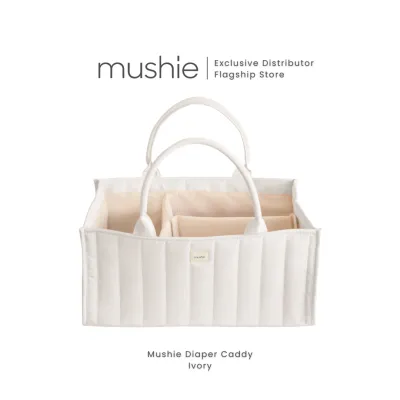
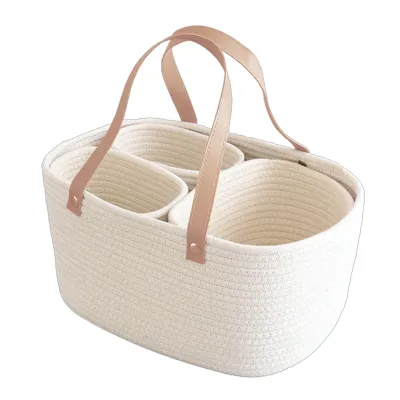
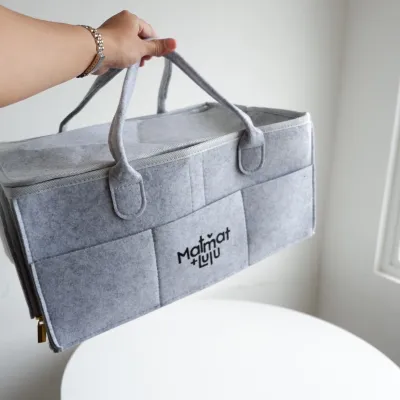
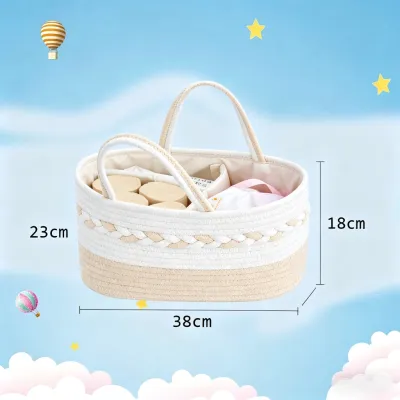
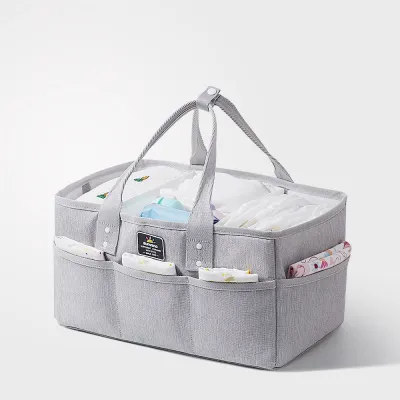
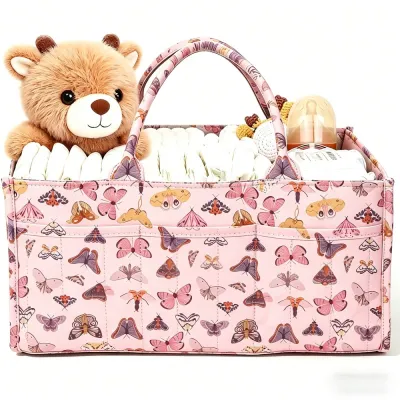
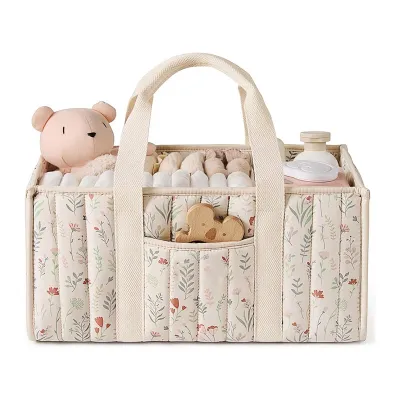
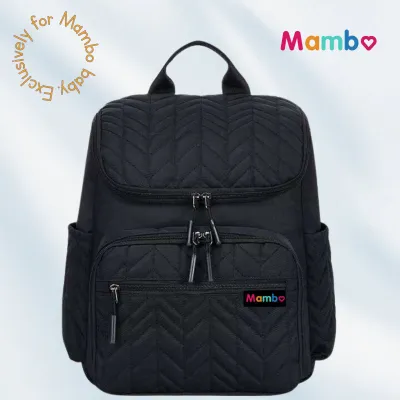
Prices are valid at publication and may change. Please refer to the product page for the latest price.

In contrast, a diaper caddy is an open-top, portable organizer designed for immediate, single-handed access. It typically features a large central compartment with adjustable dividers and sturdy top handles. Because it lacks a zippered lid, a caddy allows you to grab a wipe, diaper, or tube of cream instantly while keeping one hand safely on your wriggling baby. Modern options, such as the mushie diaper caddy, elevate this concept by focusing on durable, lightweight, and easy-to-clean materials like silicone, offering a minimalist aesthetic that fits naturally into modern home decor.
The core functional divergence lies in how and where you access your supplies. Diaper bags prioritize containment, security, and ergonomic carrying over long distances. Diaper caddies prioritize visibility, speed, and effortless room-to-room transit. Understanding this distinction is the first step in determining which option—or combination of both—will best serve your family’s daily rhythm.
Head-to-Head Comparison: Caddy or Bag?
To determine which organizer fits your lifestyle, you must evaluate how your daily routine interacts with your physical environment. In tropical climates characterized by high humidity and sudden weather shifts, the materials, portability, and storage layouts of your baby gear face unique demands. Comparing these two options across key performance dimensions will help clarify which tool solves your specific daily challenges.
Portability and Daily Movement
Diaper bags excel at long-distance mobility and hands-free transit. Backpack-style diaper bags distribute weight evenly across your shoulders, which is crucial when carrying a baby in a front carrier or navigating uneven sidewalks, busy shopping centers, or public transport. Most high-quality diaper bags also feature integrated stroller straps, allowing you to hang the bag securely from a stroller handlebar to relieve physical strain during long walks.
Diaper caddies are designed for short-range, domestic transitions. While they are highly convenient for carrying supplies from the nursery to the living room, patio, or downstairs play area, they are not built for pedestrian travel. Carrying an open-top caddy by its handles while managing a baby outdoors is physically awkward and leaves your supplies exposed to wind, dust, and unexpected tropical downpours.
For outdoor mobility and travel, the diaper bag is the clear winner. For rapid, effortless transitions within a single property or vehicle, the diaper caddy offers unmatched convenience.
Storage Capacity and Layout
The storage architecture of a diaper bag is built for security and specialization. It features deep, zippered compartments that prevent items from spilling out during transit. Specialized pockets—such as insulated bottle holders, waterproof wet-dry compartments, and quick-access wipe slots—are designed to keep specific items isolated and protected. This structured layout is ideal for packing a full day’s supply of diapers, spare outfits, feeding gear, and personal items like keys and wallets.
Conversely, a diaper caddy utilizes an open, highly visual layout. Most caddies rely on removable hook-and-loop dividers that allow you to customize the interior space based on your current needs. This open design makes it easy to see your entire inventory at a glance, allowing you to monitor when diaper or wipe supplies are running low. However, because it lacks zippered compartments, a caddy cannot securely hold small valuables, and it lacks the insulation required to keep milk or water at a safe temperature for extended periods.
If you need secure, compartmentalized storage for a diverse range of travel items, the diaper bag is superior. If you require an open, customizable workstation for rapid diaper changes, the caddy is the more efficient choice.
Materials, Cleaning, and Durability
Because diaper bags are exposed to outdoor environments, they are typically constructed from heavy-duty, weather-resistant fabrics such as nylon, polyester, or treated canvas. When selecting a diaper bag, it is essential to verify that the inner lining is water-resistant and easy to wipe down to handle accidental bottle leaks or soiled clothes. Over time, the zippers, buckles, and strap adjustments on a diaper bag will experience significant wear and tear, making high-quality hardware a critical factor for long-term durability.
Diaper caddies are available in a wider variety of materials, including cotton rope, felt, and silicone. In humid, tropical environments, material selection directly impacts hygiene. Felt and woven cotton caddies are soft and aesthetically pleasing, but they can absorb moisture, liquid spills, and odors, creating a breeding ground for mold and mildew if not aired out properly. A silicone mushie diaper caddy offers a highly durable, moisture-resistant alternative; it does not absorb liquids, can be sanitized quickly with mild soap and water, and resists mold growth in humid conditions.
For outdoor resilience and weather protection, a well-constructed diaper bag is indispensable. For indoor hygiene and effortless sanitization, a water-resistant silicone diaper caddy provides a distinct advantage.
Quick Comparison Table
| Feature | Diaper Caddy | Diaper Bag |
|---|---|---|
| Primary Use Case | Stationary home organization & quick room-to-room transitions | Active travel, outdoor outings, and long-distance transit |
| Carrying Style | Short-range hand carry via top handles | Wearable (backpack, tote, or messenger) with hands-free straps |
| Storage Type | Open-top, customizable compartments with removable dividers | Secure, zippered pockets with specialized insulated compartments |
| Best For | Multi-story homes, nursery organization, and car trunk storage | Mall trips, travel, medical appointments, and outdoor errands |
| Climate & Maintenance | Easy to wipe and sanitize; silicone options resist tropical humidity | Requires water-resistant fabrics and durable zippers to withstand rain |
Which One Should You Choose for Your Routine?
To make your final decision, evaluate your daily caregiving habits and environmental constraints against the following guidelines:
- Choose a Diaper Bag if: You frequently leave the house for errands, travel, or family visits, and you need a secure, hands-free way to transport a full day's worth of baby essentials. A diaper bag is also necessary if you require insulated storage to keep bottles or baby food at a safe temperature while on the go.
- Choose a Diaper Caddy if: Your daily routine is centered primarily around the home, and you want a portable, organized station to eliminate constant trips back to the nursery. A caddy is also ideal if you want a dedicated, open-access organizer to keep in your car trunk for quick roadside changes.
- Consider Both if: You want to establish a highly efficient, dual-station system. You can use a diaper caddy to hold your main bulk supplies at home, allowing you to keep your diaper bag packed with only the essentials, ready for spontaneous outings without the need to constantly pack and unpack.
Before purchasing any organizational gear, always verify the manufacturer’s product label for weight limits, material care instructions, and safety warnings. Ensure that handles are securely stitched and that the materials used are free from harmful chemical residues to maintain a safe environment for your baby.
Frequently Asked Questions (FAQ)
Can I use a diaper caddy inside my car?
Yes, a diaper caddy serves as an excellent car organizer to keep spare diapers, wipes, and changing supplies accessible in the back seat or trunk. When using a caddy in a vehicle, check the base for non-slip features to prevent it from sliding during sudden turns. Always place the caddy in a secure location, such as the floorboard or trunk, to ensure it does not block the driver’s view or become a dangerous projectile hazard during sudden stops.
Do I need both a diaper caddy and a diaper bag?
While owning both is highly convenient, it is not strictly necessary. If you are working within a limited budget, prioritize investing in a high-quality, durable diaper bag, as you cannot easily transport an open caddy during outdoor travel. For home organization, you can repurpose a standard storage basket or plastic bin you already own as a makeshift caddy, allowing you to allocate your budget toward essential travel gear.
How do I clean a felt or silicone diaper caddy?
Cleaning methods depend entirely on the caddy’s material, so always consult the manufacturer’s care label first. Silicone caddies are exceptionally easy to maintain; you can wash them directly in the sink with mild soap and warm water, wipe them down, and allow them to dry completely. Felt caddies require gentle spot-cleaning with a damp cloth and mild detergent, avoiding soaking the fabric. Ensure felt or fabric caddies are dried thoroughly in a well-ventilated area to prevent the development of mold or mildew, which can occur quickly in humid climates.
Community discussion
Share your experience or ask a question. Comments are reviewed before publication.