
Yes, detachable window grills can be highly effective for baby-proofing, but their safety depends entirely on balancing two critical, opposing needs: preventing a child from falling out of an open window and ensuring that adults can quickly remove the barrier during an emergency like a fire. In high-rise condominiums, two-story homes, or apartments across the Philippines, windows are frequently left open to catch a breeze and combat tropical humidity. However, an open window is a severe hazard for an active toddler. While traditional fixed iron grills offer robust fall protection, they can trap families inside during a fire or block emergency rescue teams. Detachable window grills aim to solve this dilemma by providing a sturdy physical barrier that can be quickly released by an adult when every second counts.
To make these systems truly safe, parents must look beyond simple aesthetics. A detachable grill is only as safe as its locking mechanism, its material durability under local weather conditions, and the discipline of the household in maintaining it. Understanding how to evaluate these systems, install them correctly, and supplement them with other safety measures is essential for creating a secure environment for your growing child. By taking a systematic approach to home safety, you can protect your family from both daily fall hazards and unexpected emergency situations.
The Core Dilemma: Fall Protection vs. Emergency Escape
To understand the role of detachable window grills, one must examine the delicate balance between structural rigidity and rapid evacuation. Fall prevention requires a barrier that can withstand the full weight of an active, climbing toddler. Toddlers are naturally curious and often use window sills as steps or lean their entire body weight against screens and grills. Therefore, any safety grill must be securely anchored to the window frame or concrete wall, resisting outward pressure without bending, shaking, or dislodging. The structural integrity of the grill must remain uncompromised even when subjected to sudden impacts or continuous pushing.
Products mentioned in this guide
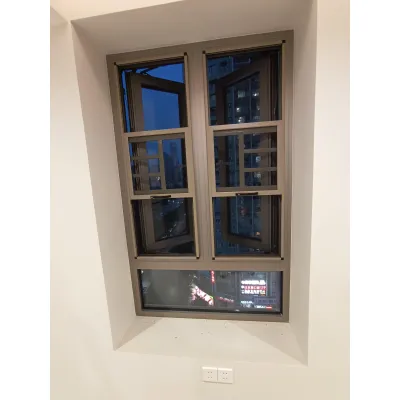
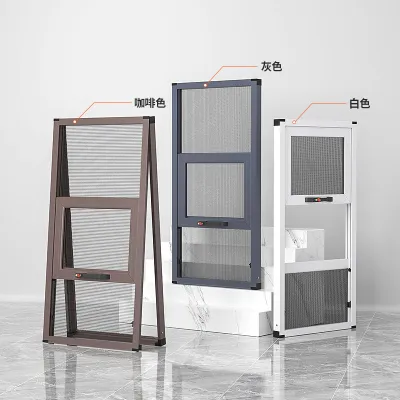
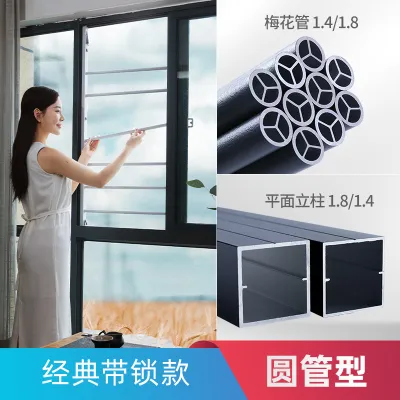
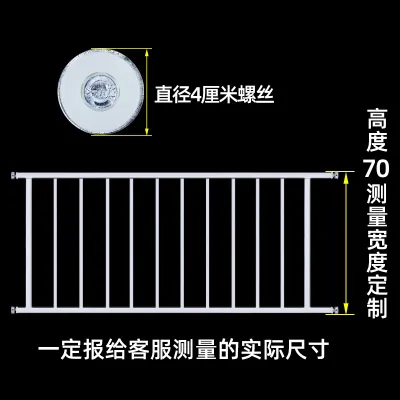
Prices are valid at publication and may change. Please refer to the product page for the latest price.
Conversely, emergency escape requirements demand that the very same barrier can be removed or opened in an instant without the use of keys, screwdrivers, or complex maneuvers. In a fire emergency, thick smoke, heat, and panic can severely impair cognitive and motor skills. If a grill requires a physical key that is misplaced, or if the release latch is too stiff, the barrier becomes a life-threatening hazard. This conflict highlights the danger of permanent, fixed grills in bedrooms and living areas, which have historically hindered rescue efforts during residential fires. A safe home must provide a clear path of egress through at least one window in every occupied room.
The risk of choosing the wrong system is twofold. On one hand, a poorly designed detachable grill might feature a release mechanism that is too easy to operate, allowing a clever toddler to figure it out and accidentally open the window. On the other hand, an overly complex or poorly maintained locking system might rust shut in a humid climate, rendering it impossible to open during an emergency. Achieving true safety means selecting a system where the release mechanism is completely inaccessible or too complex for a child, yet intuitive and effortless for an adult under stress. This balance is the foundation of effective baby-proofing.
Key Safety Features to Verify Before Buying
When shopping for detachable window grills, parents must carefully evaluate the mechanical specifications of the product rather than relying on generic marketing claims. The first and most critical feature to inspect is the child-resistant locking mechanism. Look for systems that utilize dual-action locks or hidden latches. A dual-action lock requires two distinct, simultaneous physical actions to release—such as pinching two stiff buttons while sliding a collar, or lifting a safety cover before pressing a release lever. These actions require a level of manual dexterity, grip strength, and cognitive coordination that toddlers do not possess, ensuring they cannot open the grill on their own.

The quick-release system for adults must be completely tool-free. If a manufacturer’s instructions state that you need a key, hex wrench, or screwdriver to detach the grill during an emergency, it is not a true emergency-release system and should not be used for primary escape routes. The release latch should be positioned in a way that is highly visible to adults but physically out of reach for children, such as near the very top of the window frame. It should also be designed to operate smoothly even if the window frame experiences minor shifting or warping over time due to temperature changes.
Material strength and structural dimensions are equally vital. Verify the manufacturer’s specifications regarding bar spacing; the gap between vertical or horizontal bars must never exceed 10 centimeters (approximately 4 inches). This spacing prevents a child’s head or torso from slipping through, eliminating the risk of head entrapment. Additionally, the materials used must resist bending under pressure. In tropical environments, aluminum or high-grade stainless steel is generally preferred over untreated iron, as they resist the corrosive effects of high humidity and seasonal rains without losing structural integrity. Avoid lightweight plastic barriers or tension-mounted gates that can easily pop out of place when pushed hard.
Installation and Routine Maintenance Checks
Even the highest-quality detachable window grill will fail if it is poorly installed or neglected. Proper installation begins with verifying the integrity of the mounting surface. Whether you are anchoring the grill into concrete, solid wood, or aluminum window frames, you must use heavy-duty, rust-resistant fasteners recommended by the manufacturer. Ensure that the frame is perfectly square and level; any misalignment can put uneven pressure on the release latches, causing them to stick or fail to lock securely. If you are renting a home or condo, check with your property management guidelines before drilling into window frames, as some buildings have strict structural rules.
Once installed, a routine maintenance schedule is essential to keep the system functioning as intended. In tropical regions, the combination of high humidity, salt air in coastal areas, and airborne dust can quickly lead to friction in moving parts. Test the release mechanism at least once a month. Ensure the latch opens smoothly without requiring excessive force and clicks back into its locked position automatically or with a clear, audible snap. Clean the tracks, hinges, and locking points regularly to remove dust, pet hair, or insect nests that might obstruct the mechanism.
If your detachable grill system relies on a physical key or a specialized release tool for non-emergency removal, establish a strict household protocol. Never leave the key in the lock where a child can reach it, but do not hide it so well that adults cannot find it during a crisis. A common practice is to hang the key on a dedicated hook high on the wall, at least 1.5 meters above the floor, directly adjacent to the window but completely out of the child’s line of sight and reach. Ensure all adult family members, babysitters, and domestic helpers know exactly where the key is located and how to operate the release mechanism.
When Detachable Grills Are Not Enough: Layered Safeguards
While detachable window grills provide an excellent primary barrier, relying on a single safety measure is rarely sufficient when it comes to active toddlers. A layered approach to home safety ensures that if one line of defense is temporarily compromised, secondary safeguards are in place to prevent an accident. One highly effective secondary measure is the installation of window restrictors or limiters. These small, heavy-duty cables or metal arms attach to the window frame and restrict the window from opening more than 10 centimeters. This allows for ventilation while ensuring that even if the grill is removed for cleaning or maintenance, the window itself cannot open wide enough for a child to fall through.
Another critical aspect of window safety is managing the layout of the room. Toddlers are natural climbers and will quickly use furniture as stepping stones to reach high places. Keep cribs, beds, desks, toy chests, and sofas far away from windows. If a child can climb onto a sofa and gain leverage, they can reach high-mounted release latches or exert greater force against the top of a window grill. Regularly audit your child’s room to ensure there are no lightweight chairs, storage bins, or ride-on toys that they can drag over to the window to climb on.
Finally, consider the glass itself. If a child trips and falls against a closed window, the impact can shatter standard glass, leading to severe cuts or falls. Applying a shatter-resistant safety film to the window glass is a practical and affordable upgrade. This clear, adhesive film holds the glass shards together in the event of an impact, preventing it from shattering inward or outward. Combining safety film, strategic furniture placement, window restrictors, and robust detachable grills creates a comprehensive safety net that protects your child from multiple angles.
Frequently Asked Questions (FAQ)
Can toddlers figure out how to open quick-release latches?
Toddlers are incredibly observant and learn by mimicking adult actions. If a child watches you operate a simple, single-action latch repeatedly, they may eventually figure out how to slide, push, or pull it open. This is why simple latches are insufficient for baby-proofing. Dual-action mechanisms, which require two distinct movements like pressing a safety button while sliding a bolt, are much harder for a young child to bypass because their hands are small and lack the necessary grip strength and coordination. It is vital to monitor your child’s cognitive development; if you notice them showing an intense interest in the window locks or attempting to manipulate them, it is time to upgrade to a more complex locking system or add secondary window restrictors out of their reach.
What should I do if the quick-release mechanism gets stuck?
If you test your detachable window grill and find that the quick-release mechanism is stiff, sticky, or completely jammed, do not ignore it. In a tropical climate, this is often caused by a buildup of dust, salt residue, or minor corrosion. Start by cleaning the mechanism thoroughly with a dry brush or compressed air to remove debris. Apply a small amount of dry silicone-based lubricant or graphite powder to the moving parts; avoid heavy oils or WD-40, as these can attract dust and eventually make the jamming worse. If the mechanism remains stuck or requires significant physical force to open, do not attempt to force it, as this can bend the frame or damage the lock permanently. Stop using the window and immediately contact the manufacturer or a professional locksmith to repair or replace the unit.
Community discussion
Share your experience or ask a question. Comments are reviewed before publication.