
Teething is a major developmental milestone that often brings a mix of excitement and discomfort for both parents and babies. When searching for the perfect teether for a baby girl, it is natural to seek out cute, aesthetically pleasing designs that complement her outfits, toys, or nursery theme. However, visual appeal must never overshadow functional relief and absolute safety. In a tropical climate like the Philippines, where high temperatures and humidity can make a teething baby even more irritable and prone to drool rash, selecting a high-quality, safe, and effective teether is an essential task for caregivers. The ideal teether should not only capture a baby’s attention with charming shapes and colors but also provide targeted physical relief to tender, swollen gums.
Understanding how to balance design with safety requires looking beyond attractive online photos and focusing on material composition, structural integrity, and ergonomic design. This guide explores the essential safety standards to verify, the most effective cute teether types available on the market, and practical maintenance routines to keep these soothing tools hygienic and safe for daily use.
What to Look for in a Baby Girl's Teether: Safety and Design Standards
When selecting a teether, the design should be evaluated through a strict lens of safety. Many beautiful teethers are available on online marketplaces, but parents must look past the cute exterior to verify the physical construction and material safety of the product before purchase.
Products mentioned in this guide
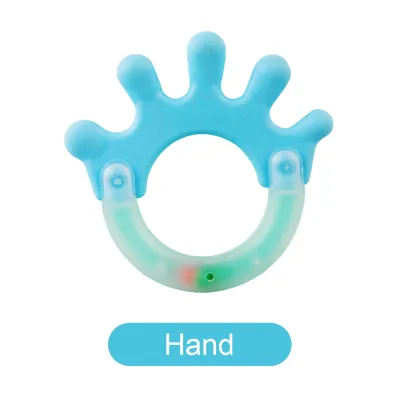
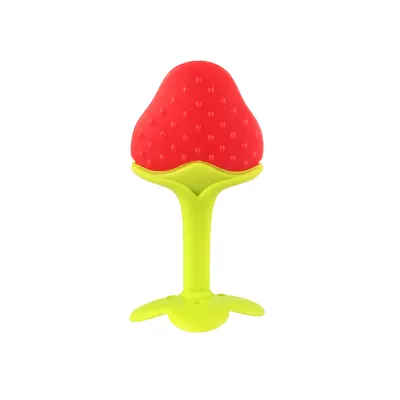
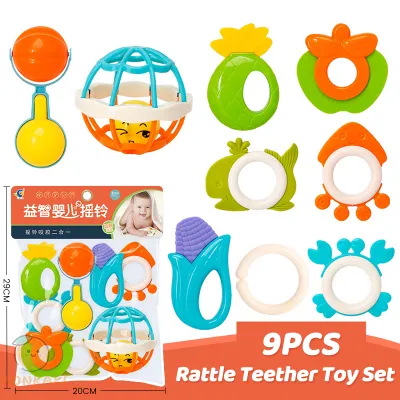
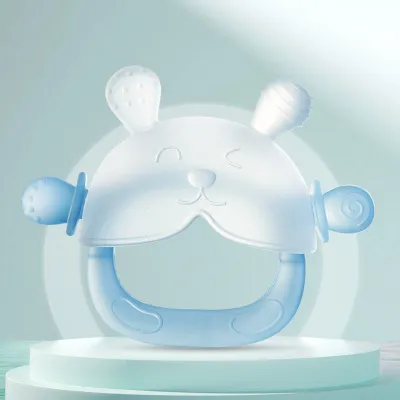
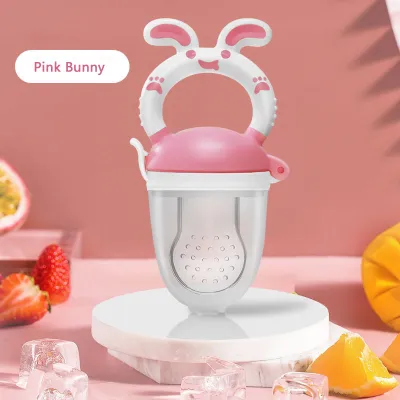
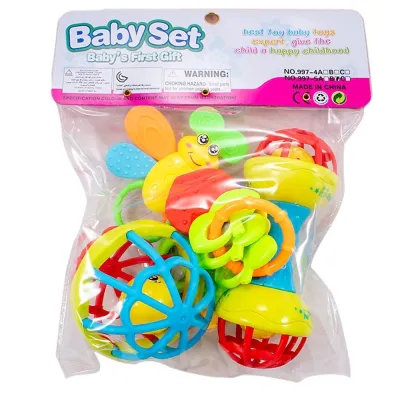
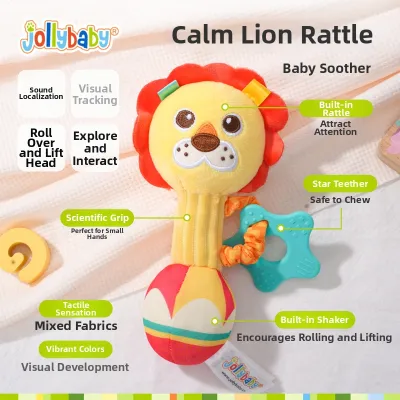
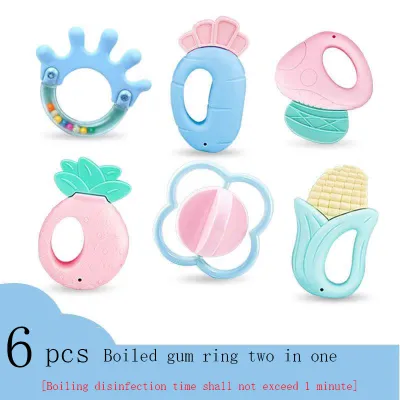
Prices are valid at publication and may change. Please refer to the product page for the latest price.
Material Safety Verification The first and most critical step is verifying the safety of the materials used in the teether. Parents should always inspect the physical packaging and product labels rather than relying solely on digital product descriptions, which can sometimes be inaccurate or incomplete. Look for explicit, certified claims such as “BPA-free,” “phthalate-free,” “PVC-free,” and “100% food-grade silicone.” Food-grade silicone is highly recommended because it is non-toxic, durable, and naturally resistant to bacteria. It does not leach harmful chemicals even when subjected to constant chewing and saliva. If a teether contains plastic parts, ensure they are made from medical-grade or food-safe plastics that do not contain harmful plasticizers. For wooden teethers, look for natural, untreated hardwoods that have not been treated with chemical varnishes or stains.
Choking Hazard Prevention A teether’s cute design must never compromise its structural safety. Many aesthetic teethers feature decorative elements such as glued-on ribbons, plastic eyes, small beads, or fabric bows to enhance their visual appeal. However, these small parts pose a severe choking hazard if they detach under the force of a baby’s strong bite. Before purchasing, carefully examine the teether for any small, separate components that could break off. A safe teether should ideally be a single, solid piece or have parts that are securely molded or fused together. Avoid any designs with loose beads on thin strings or glued-on embellishments. You can perform a simple safety check by firmly pulling on all parts of the teether to ensure nothing comes loose. Any component that can fit entirely inside a standard cardboard toilet paper roll is too small and presents a high risk of choking.
Ergonomics for Developing Motor Skills An effective teether must be highly functional for the baby to use independently. Around 3 to 6 months of age, babies are still developing their palmar grasp and hand-eye coordination. If a teether is too heavy, bulky, or awkward to hold, the baby will quickly become frustrated as it repeatedly slips from her grasp. Look for lightweight designs with easy-to-grip shapes, such as circular rings, open loops, or multi-handled structures. These configurations allow a baby to hold the teether securely with one or both hands, promoting fine motor skill development and hand-to-mouth coordination. The size of the teething portion should also be appropriate for a baby’s small mouth, allowing her to chew comfortably without gagging.
Best Types of Cute Teethers for Effective Gum Soothing
Teethers come in an array of delightful designs, materials, and form factors. When shopping in the Philippines, parents will find a wide range of options across different price points. Generally, standard silicone teethers fall into a budget-friendly price band of ₱150 to ₱500. Premium options, such as those featuring natural hardwoods, organic fabrics, or multi-functional plush designs, typically occupy a higher price band ranging from ₱600 to over ₱1,200. Understanding these general price ranges helps parents budget effectively while prioritizing certified safety standards.

Silicone Fruit and Animal Shapes
Silicone teethers shaped like colorful fruits—such as strawberries, grapes, and peaches—or adorable animals like giraffes, elephants, and bunnies are incredibly popular. These designs are highly appealing to baby girls, often featuring soft pastel colors or vibrant shades that stimulate visual development. Beyond their cute appearance, these 3D shapes are highly functional. The varied contours, such as a giraffe’s ears or a strawberry’s textured seeds, provide multiple chewing angles and surface textures that massage different areas of the gums.
When choosing silicone fruit or animal teethers, parents should prioritize seamless, single-piece silicone construction. Some cheaper designs consist of multiple parts glued or snapped together, which can create tiny crevices where drool, milk residue, and moisture accumulate. In the humid climate of the Philippines, these hidden damp spaces become breeding grounds for mold and bacteria. A single-piece molded silicone teether eliminates this risk, as it is easy to clean thoroughly and has no joints that can weaken or break over time.
Wooden Rings with Silicone Accents
For parents who prefer a more natural, minimalist, or classic aesthetic, wooden teething rings with colorful silicone accents offer a beautiful and tactile option. These teethers typically feature a smooth ring made from natural hardwood, such as beech or maple, decorated with food-grade silicone beads or animal-shaped attachments. The combination of wood and silicone provides a wonderful sensory experience, offering two completely different densities for the baby to chew on.
While these teethers are highly aesthetic, they require careful inspection and maintenance. Parents must regularly examine the wooden ring for any signs of splintering, cracking, or rough spots that could injure the baby’s mouth. Ensure the wood is completely untreated or finished only with verified food-safe natural oils, such as organic beeswax or pure coconut oil. Additionally, check that the silicone beads or accents are securely threaded onto a strong, durable cord and that the knots are completely inaccessible to the baby. Wooden teethers should never be submerged in water or left wet for long periods, as excessive moisture can cause the wood to warp, crack, or harbor mold.
Plush Comforters with Teether Attachments
Plush comforters, also known as security blankets or loveys, often feature an attached silicone or wooden teether at one corner. These dual-purpose items are designed to provide both emotional comfort and physical teething relief. They typically feature cute plush animal heads, such as bunnies, lambs, or bears, attached to a soft, breathable fabric square that a baby can cuddle.
These items are highly practical because the soft fabric helps absorb the excessive drool associated with teething, which can prevent drool rash on the baby’s neck and chest—a common issue in warm, humid weather. When selecting a plush comforter teether, ensure that the fabric is highly breathable, hypoallergenic, and machine-washable. Carefully inspect the attachment mechanism that holds the teether to the fabric. It must be securely stitched with heavy-duty thread, or feature a robust, baby-safe snap system if the teether is detachable. Avoid any plush toys with plastic safety eyes or small decorative buttons, opting instead for embroidered facial features to eliminate choking risks.
Wearable Teething Mittens and Wristbands
For younger babies who are constantly chewing on their hands but lack the motor skills to grip a traditional teether, wearable teething mittens and wristbands are an excellent alternative. These clever designs fit securely over the baby’s hand or wrist, featuring textured silicone chewing surfaces on the fingers or outer edges. They often come in cute, colorful glove designs with crinkle fabric that makes a pleasing sound when the baby moves her hand.
The primary benefit of a wearable teether is that it cannot be easily dropped on the floor, keeping the chewing surface clean and reducing the caregiver’s need to constantly wash and sterilize the item. This is particularly convenient during outings or travel. However, parents must ensure that the mitten or wristband has a soft, adjustable strap (such as hook-and-loop fasteners) that provides a secure but non-restrictive fit. It is also important to monitor the baby’s skin under the fabric. In a tropical climate, wearing a mitten for extended periods can trap sweat and moisture, potentially leading to skin irritation or heat rash. The fabric portion should be washed daily and dried completely before the next use.
Design Features That Actually Relieve Teething Pain
While a cute design makes a teether appealing to look at, its primary job is to provide effective relief from the intense pressure and pain of emerging teeth. Parents should look for specific structural features that translate visual design into functional soothing power.
Surface Textures A high-quality teether should offer a variety of surface textures to address different stages of the teething process. When a baby’s first front teeth (incisors) are beginning to emerge, her gums are often highly sensitive and swollen. During this stage, soft, flexible textures—such as fine silicone bristles, gentle ridges, or small, soft bumps—provide a soothing massage that stimulates blood flow and relieves surface itching. As the larger back teeth (molars) begin to push through, the baby will require firmer, more pronounced textures to provide deep pressure relief. Look for teethers with larger, solid nodules, deep grooves, or harder wooden surfaces that can withstand the intense chewing force needed to help the molars break through the gum line.
Temperature Retention Cold therapy is a highly effective, natural way to numb sore gums and reduce localized inflammation. Many solid teethers, particularly those made from high-quality, dense food-grade silicone, are excellent at retaining cold temperatures. Parents can safely place these teethers in the refrigerator for 15 to 30 minutes before giving them to the baby. The cool temperature constricts blood vessels in the gums, temporarily easing the throbbing pain. However, parents must observe a strict warning: never freeze a teether solid. Freezing can make the material excessively hard and brittle, which can bruise or tear the baby’s delicate gum tissue. It can also cause frostbite-like damage to the sensitive skin inside the mouth. Always stick to refrigeration for gentle, safe cooling.
Reach and Angles As teething progresses to the back of the mouth, standard circular teethers may not be able to reach the molars effectively. To address this, look for teethers designed with extended, angled reaches, such as Y-shapes, key-like structures, or animal figures with long, slender parts (like a giraffe’s neck or ears). These shapes allow the baby to guide the teether to the back of her mouth to soothe her molars. However, safety is paramount when dealing with elongated designs. The teether must feature built-in safety guards, wide shields, or circular loops that physically prevent the baby from shoving the teether too far down her throat. This prevents the baby from choking, gagging, or injuring the delicate tissues at the back of her mouth.
How to Clean and Maintain Teethers for Daily Safety
Because teethers go directly into a baby’s mouth, keeping them clean and structurally sound is vital for preventing infections and ensuring safety. In the warm and humid environment of the Philippines, moisture-loving bacteria, yeast, and mold can multiply rapidly on damp surfaces, making a strict cleaning routine essential.
Daily Cleaning Routines Every teether should be washed thoroughly after each use. For daily cleaning, wash the teether in warm water using a mild, fragrance-free baby bottle cleanser or dish soap. Use a clean, dedicated bottle brush to scrub all the textured crevices, ridges, and corners where drool, milk, and lint can easily accumulate. Rinse the teether thoroughly under running water to ensure no soap residue remains. After washing, shake off excess water and place the teether on a clean, dry drying rack in a well-ventilated area. Avoid leaving teethers damp or stored in airtight containers, as this encourages mold growth.
Sterilization Limits While regular washing is sufficient for daily maintenance, parents may want to sterilize teethers periodically, especially after the baby has been sick. However, you must strictly check the manufacturer’s care instructions on the product packaging before using high-heat sterilization methods. Pure, high-quality food-grade silicone is generally highly heat-resistant and can be safely boiled, steam-sterilized, or placed in a UV sterilizer. However, teethers that combine silicone with plastic, wood, or fabric can be easily damaged by high heat. High temperatures can warp or melt plastic components, degrade the structural integrity of certain silicones, cause wood to crack or split, and shrink or damage plush fabrics. If a teether is not rated for high heat, stick to warm, soapy water or use a cold-water sterilizing solution as recommended by the manufacturer.
Wear and Tear Inspection Teethers are subjected to intense friction, biting, and pulling, which means they will eventually wear out. Parents should establish a daily habit of inspecting each teether before giving it to the baby. Perform a physical “pull test” on silicone teethers by stretching the material firmly in all directions. Look closely for any micro-tears, punctures, or areas where the silicone has become thin or sticky. For wooden teethers, feel the surface for splinters, cracks, or rough edges. If you use water-filled teethers, check for any slow leaks or cloudiness in the liquid. If you detect any signs of damage, wear, or mold—particularly inside hollow or water-filled designs—discard the teether immediately and replace it. Never attempt to repair a damaged teether with glue or tape, as these materials are highly toxic and unsafe for oral use.
Frequently Asked Questions (FAQ)
At what age should I introduce a teether to my baby?
Teethers are typically introduced when early signs of teething begin to appear, which commonly occurs between 4 and 6 months of age. Common signs include excessive drooling, a constant desire to chew on hands or toys, irritability, and swollen, red gums. However, every baby develops at her own pace; some may show teething signs as early as 3 months, while others may not get their first tooth until closer to 12 months. Always check the specific age grading printed on the product packaging (such as 3m+ or 6m+) to ensure the teether is developmentally appropriate for your baby’s motor skills and mouth size. Caregiver supervision is always required when a baby is using a teether. If your baby shows unusually early or delayed teething signs, or if she experiences extreme discomfort, consult a pediatrician for professional guidance.
Are water-filled teethers safe for babies?
Water-filled teethers can be highly effective because they provide enhanced cooling relief when chilled in the refrigerator. They are generally safe when purchased from reputable brands that use purified, non-toxic water and durable, puncture-resistant materials. However, they do carry a risk of puncture, especially once the baby’s first sharp teeth begin to emerge. If the outer plastic is punctured, the liquid inside can leak out, posing a contamination risk. Parents must inspect water-filled teethers thoroughly for leaks or wear before every single use. Additionally, you must strictly follow the manufacturer’s chilling instructions: place them only in the main compartment of the refrigerator, and never in the freezer. Freezing makes the outer plastic brittle, prone to cracking, and dangerously hard for a baby’s delicate gums. If you notice any leaks, cracks, or cloudiness in the water, discard the teether immediately.
Community discussion
Share your experience or ask a question. Comments are reviewed before publication.