
The Short Answer: Are Crib Bumpers Safe?
Traditional crib bumpers are not safe for babies, and pediatricians in the Philippines, along with major global health organizations, strongly advise against using them. The medical consensus is clear and uncompromising: any perceived benefit of cushioning or aesthetic appeal is far outweighed by the severe, documented risks of suffocation, entrapment, and strangulation.
The safest sleep environment for an infant is a completely bare, firm crib mattress covered only by a tight, well-fitted sheet. This minimalist setup ensures that there are no loose items or soft surfaces that could compromise a baby’s breathing. While parents naturally want to protect their little ones from bumps and bruises, traditional padded liners introduce hazards that can be life-threatening. If you are concerned about your baby’s comfort or safety, stop using bumpers immediately and consult your pediatrician for approved safe-sleep guidance.
Understanding the Hidden Risks of Crib Bumpers
To understand why pediatricians are so unified in their stance against these accessories, it is helpful to look at the physical development of an infant. Many parents purchase bumper protection for baby crib setups believing they are preventing injuries. However, the design of these padded fabrics conflicts directly with basic infant physiology. During the first few months of life, babies lack the motor control, neck strength, and coordination required to lift or turn their heads if they roll into a soft barrier.
Products mentioned in this guide
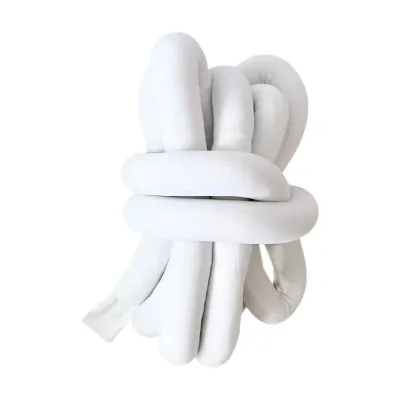
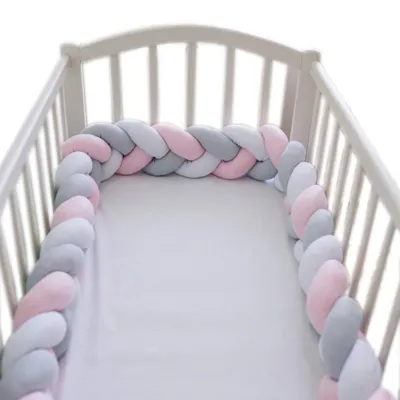
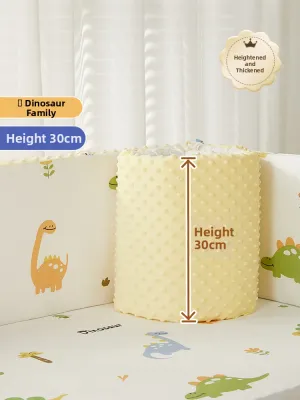
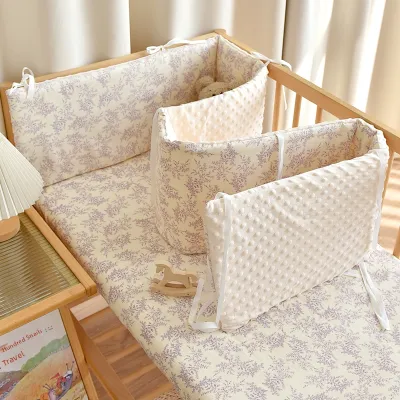
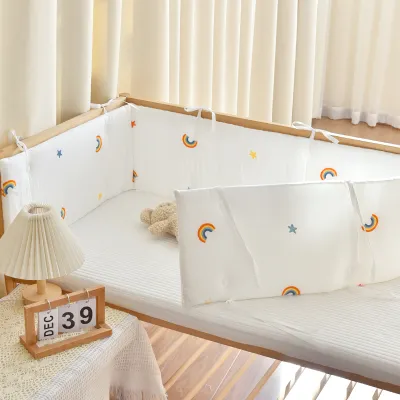
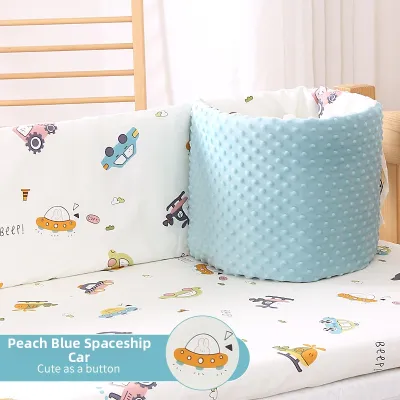
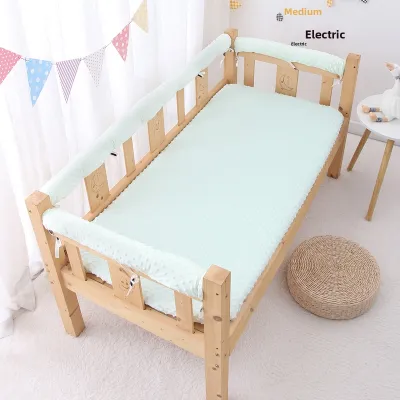
Prices are valid at publication and may change. Please refer to the product page for the latest price.

When a baby’s face comes into contact with a plush, padded crib bumper, it creates a highly dangerous scenario. The soft fabric can easily conform to the shape of the baby’s nose and mouth, blocking the airway. Even if the airway is not completely blocked, the pocket of air created between the baby’s face and the bumper can lead to carbon dioxide retention. This process, known as rebreathing, occurs when an infant breathes in their own exhaled air, rapidly depleting their oxygen supply and leading to silent, fatal oxygen deprivation.
Furthermore, the risks do not disappear as the baby grows. In fact, as infants reach new developmental milestones, traditional bumpers present entirely new hazards. The ties used to secure the bumpers to the crib slats can untie, fray, or tear, creating a high risk of strangulation or limb entanglement. Once a baby reaches the age of pulling themselves up to stand—typically around 6 to 9 months—padded bumpers can be used as a makeshift step-stool. This reduces the effective height of the crib rails and allows active infants to climb over the edge, resulting in severe falls onto hard nursery floors.
Suffocation and Entrapment Hazards
The primary physiological danger of traditional crib liners is positional asphyxia. When a sleeping baby rolls over or wiggles into the corner of the crib, their face can become wedged tightly against the soft, padded bumper. Because young infants cannot reliably reposition themselves, they may remain trapped in this position. The soft material limits the flow of fresh oxygen, causing the baby to inhale trapped carbon dioxide. This risk is particularly high during the transition stages when babies are learning to roll but have not yet developed the upper-body strength to push themselves away from soft obstructions.
Strangulation and Climbing Risks
Beyond suffocation, the physical attachments of crib bumpers pose severe mechanical hazards. Most traditional bumpers rely on long fabric ties, ribbons, or Velcro straps to stay secured to the crib wooden slats. If these ties loosen or tear, they can easily wrap around a baby’s neck, leading to strangulation, or constrict blood flow to a baby’s fingers, toes, or limbs. Additionally, older babies who are developing their gross motor skills will instinctively look for leverage to stand. A firm, padded bumper provides just enough support for a toddler to step on, significantly increasing the likelihood of a dangerous fall over the crib railing.
The Myth of "Breathable" or Mesh Bumpers
In response to safety warnings, many manufacturers introduced mesh or “breathable” crib liners, marketing them as safe alternatives. However, pediatric guidelines in the Philippines and internationally do not support these claims. While mesh fabric may allow better airflow than thick polyester padding, it does not eliminate other physical hazards. Mesh liners can still sag, detach, or become loose, creating pockets where an infant’s head or limbs can get trapped. Moreover, older babies can still pull down these flexible liners, creating an entanglement risk or using them as a step to climb out of the crib. A completely bare crib remains the only universally recommended standard for infant sleep safety.
Pediatrician-Approved Alternatives for a Safe Sleep Environment
Parents often seek out bumper protection for baby crib setups because they worry about their baby feeling cold, uncomfortable, or lonely in a bare crib. Fortunately, there are several safe, pediatrician-approved alternatives that address these concerns without introducing dangerous hazards into the sleep environment. By focusing on smart sleepwear and proper crib assembly, parents can ensure their baby stays cozy and secure throughout the night.
Wearable Blankets and Sleep Sacks
Instead of using loose blankets or padded crib walls to keep your baby warm, pediatricians recommend wearable blankets, commonly known as sleep sacks. These garments are designed to fit snugly around the baby’s upper body while leaving room for healthy hip movement below. Because they are worn like a vest or sleeping bag, there is no loose fabric that can rise up to cover the baby’s nose or mouth.
When choosing a sleep sack in the Philippines, it is crucial to consider the tropical climate. Many homes alternate between warm, humid air and cool air-conditioned bedrooms. Parents should check the TOG (Thermal Overall Grade) rating of the sleepwear. For local conditions, a lightweight cotton or muslin sleep sack with a TOG rating of 0.5 to 1.0 is generally ideal, as it provides comfort without causing the baby to overheat. Overheating is a known risk factor for Sudden Infant Death Syndrome (SIDS), so choosing breathable, natural fabrics is essential. Always verify the manufacturer’s size and weight guidelines to ensure a secure fit around the neck and armholes.
Ensuring a Proper Mattress Fit
A major worry for new parents is the fear of their baby’s limbs getting trapped in the gaps between the mattress and the crib frame. Rather than using a bumper to cover these gaps, the correct solution is to ensure you have a firm, properly sized mattress. A high-quality crib mattress should fit tightly within the crib frame with absolutely no significant gaps.
To verify this at home, parents can perform the standard “two-finger test.” Gently slide your index and middle fingers between the edge of the mattress and the wooden crib frame. If you can easily fit more than two fingers into this gap, the mattress is too small for the crib, creating a dangerous entrapment zone where a baby’s head, torso, or limbs could become wedged. In this case, the mattress or the crib should be replaced with matching, standard-sized models rather than attempting to fill the gap with rolled towels, bumpers, or blankets.
Transitioning to a Floor Bed or Toddler Bed
If your baby has reached the development stage where they are constantly rolling, shifting, or attempting to climb out of their crib, it may be time to transition them to a different sleeping arrangement. Rather than trying to contain an active toddler with crib bumpers—which only increases the risk of a fall—consider transitioning to a floor bed or a dedicated toddler bed.
A floor bed, which places a firm mattress directly on a baby-proofed nursery floor, is a popular choice for families practicing independent sleep methods. This setup completely eliminates the risk of falling from high crib rails. When transitioning to a floor bed, it is vital to thoroughly baby-proof the entire bedroom, securing all furniture to the walls, covering electrical outlets, and ensuring there are no small choking hazards or loose cords within the baby’s reach.
Protecting Against Crib Rail Injuries Without Bumpers
One of the most common reasons parents buy bumper protection for baby cribs is the fear of their baby hitting their head against the hard wooden or metal crib slats. It is incredibly common to hear a baby cry out in the middle of the night after rolling into the side of the crib, leading parents to assume that padded protection is necessary.
However, pediatricians offer reassuring guidance on this issue: infants and young toddlers do not possess the body mass, speed, or momentum required to cause serious head injuries, concussions, or brain damage by bumping against crib rails during normal sleep movements. While a bump might startle a baby and cause a brief moment of crying, it does not pose a medical danger. The baby will quickly learn to adjust their position and navigate the boundaries of their sleeping space.
To prevent more serious risks, such as a baby’s head getting stuck between the slats, parents must verify that their crib complies with modern safety standards. Ensure that the spacing between the crib slats is no more than 6 centimeters (or 2 3/8 inches) apart. This standard spacing is designed specifically to prevent an infant’s head or torso from slipping through.
If your baby’s arm or leg does happen to slip between the slats and get stuck, it can be distressing, but it is rarely a medical emergency. To safely free a trapped limb, remain calm to avoid startling your baby further. Gently and slowly maneuver the limb back through the slats, turning it slightly if necessary to clear the joint. If the limb is snug, applying a small amount of baby-safe lotion or coconut oil can help it slide out easily. Frame these incidents as minor, temporary frustrations rather than severe safety threats that would justify introducing a highly dangerous crib bumper.
Creating a Safe Nursery Beyond the Crib
Baby-proofing your child’s sleeping area requires looking at the nursery as a whole. While the inside of the crib must remain completely bare—free from bumpers, pillows, stuffed toys, and loose blankets—the area surrounding the crib requires active, meticulous baby-proofing to prevent external hazards from reaching your child.
Position the crib well away from windows, where dangling blind cords or curtain strings can pose a severe strangulation hazard. Additionally, ensure that the crib is not placed directly beneath wall-mounted shelves, heavy picture frames, or baby monitors with long electrical cords. An active baby can easily reach out through the crib slats and pull these items down, leading to impact injuries. By maintaining a strict boundary between a completely empty crib interior and a carefully secured nursery exterior, you can create a peaceful, hazard-free environment for your baby to rest and grow.
Frequently Asked Questions (FAQ)
Can I use crib bumpers when my baby is awake and supervised?
It is strongly recommended to avoid using crib bumpers at all, even under active supervision. Leaving them in the crib during the day creates a risk that a caregiver might forget to remove them before naptime or bedtime. Keeping the crib consistently bare helps establish safe sleep habits for everyone involved in your baby’s care, including parents, grandparents, and yayas.
What should I do if I already bought a crib bumper?
If you have already purchased a crib bumper, do not place it inside your baby’s crib. Instead, you can repurpose the padded material for safe, supervised activities outside the sleep environment. For example, you can lay it flat on the floor as a cushioned border during supervised tummy time, use it as a padded barrier around hard playpen edges during active play, or return the item to the retailer if it is still within the return window.
Community discussion
Share your experience or ask a question. Comments are reviewed before publication.