
Finding the right diaper for your baby in the Philippines involves balancing comfort, skin health, and household expenses. With the tropical heat and high humidity, a diaper must do more than just hold liquid; it must keep your baby dry and rash-free without straining your monthly budget. Comparing Cozloe, Pampers, and Huggies requires looking closely at how each brand handles moisture, fits your baby’s unique shape, and aligns with your financial priorities.
Rather than relying on brand popularity alone, smart diaper selection depends on matching specific baby needs with observable product features. Your baby’s skin sensitivity, activity level, and sleep patterns will dictate whether you need a premium overnight option or a highly breathable daytime diaper. By evaluating key metrics such as absorbency capacity, fit elasticity, material breathability, and the actual cost per piece, you can make an informed decision that keeps your baby comfortable day and night.
Before committing to bulk purchases, parents should guide their initial assessment using manufacturer specifications and observable design elements. Testing a small pack first allows you to observe how a diaper performs under real-world conditions, such as during long afternoon naps or active playtime. This systematic approach ensures you find a diaper that fits both your baby’s body and your family’s budget.
Products mentioned in this guide
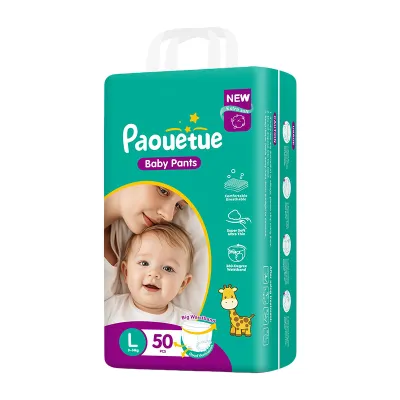
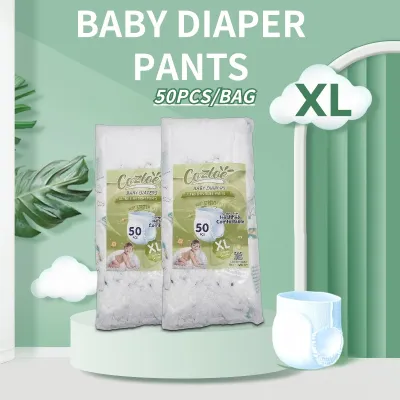
Prices are valid at publication and may change. Please refer to the product page for the latest price.
Establishing Your Diaper Selection Criteria
Selecting a suitable diaper in a tropical climate requires a clear understanding of what makes a diaper perform well. High humidity and warm temperatures accelerate moisture buildup, which can quickly lead to skin irritation if the diaper lacks adequate ventilation. Therefore, material breathability is a primary criterion; diapers with micro-pores or breathable outer covers allow heat and vapor to escape, keeping the baby’s skin cool.
Absorbency capacity is another critical factor, especially for overnight use. A high-quality diaper should not only absorb liquid quickly but also lock it away in a central core to prevent re-wetting when the baby sits or rolls over. Parents should look for advanced absorbent polymers that distribute wetness evenly rather than letting it pool in one spot, which can cause sagging and discomfort.
Fit and elasticity directly impact both leak prevention and your baby’s freedom of movement. Stretchy waistbands and flexible leg cuffs accommodate your baby’s growth and active movements without digging into their delicate skin. A diaper that fits poorly will either cause leaks due to gaps or leave painful red marks due to excessive tightness.
Finally, calculating the true cost per piece is essential for long-term budget planning. While a larger pack might seem more expensive upfront, it often offers a lower unit price than smaller convenience packs. Balancing this unit cost against the diaper’s performance ensures you do not end up spending more by having to change a low-quality diaper twice as often.
Cozloe vs Pampers vs Huggies: Feature-by-Feature Breakdown
Comparing Cozloe, Pampers, and Huggies requires analyzing how their specific product lines address the daily challenges of baby care. Each brand offers multiple tiers, ranging from basic, budget-friendly options to premium, feature-rich lines designed for sensitive skin or overnight wear. Understanding these distinctions helps you compare them fairly based on your baby’s current developmental stage.

Absorbency and Leak Protection
The structural design of a diaper determines how effectively it prevents leaks and keeps wetness away from your baby’s skin. Premium lines across Cozloe, Pampers, and Huggies typically feature multi-layer cores equipped with superabsorbent polymers that turn liquid into gel. They also incorporate double-layered leg cuffs or leak guards that stand upright to block side leaks when your baby moves.
When evaluating absorbency, look for specific features on the packaging, such as wetness indicators that change color when the diaper is full. Some brands design their cores with channels that distribute liquid evenly, preventing the diaper from sagging heavily between the legs. It is important to check product packaging for specific overnight or heavy-wetting claims, as standard daytime diapers may not have the capacity required for twelve hours of uninterrupted sleep.
To test leak protection at home, perform simple observable checks during daily use. Observe the diaper after a three-hour period; if the outer cover feels damp or if you notice sagging before the diaper is fully saturated, the core may lack sufficient locking capability. Additionally, check for side leaks during tummy time or side-sleeping, which often indicate that the leak guards are either too shallow or failing to channel liquid properly.
Fit, Comfort, and Skin Sensitivity
A diaper’s fit and material composition play a vital role in preventing diaper dermatitis and ensuring your baby can move freely. Waistband elasticity varies significantly among brands; some utilize a fully elasticated back panel, while others rely on stretchy side tapes. Leg cuff designs also differ, with some brands offering wider, softer barriers that minimize friction against chubby thighs.
For babies with sensitive skin, reading the product label is crucial. Look for explicit mentions of hypoallergenic materials, fragrance-free formulations, and chlorine-free processing. Diapers that avoid added lotions or perfumes are generally less likely to trigger allergic reactions or skin sensitivities in warm, sweaty conditions. Breathability can often be verified by feeling the outer cover; a soft, cloth-like texture usually indicates better air circulation than a stiff, plastic-like backing.
Parents should actively monitor their baby’s skin during diaper changes for any signs of poor fit or irritation. Red marks around the thighs or waist indicate that the diaper is either too small or that the elastic is too stiff, requiring a size upgrade or a brand with a softer cut. If persistent rashes occur despite frequent changes and proper hygiene, discontinue use of that specific line and consider switching to a fragrance-free, hypoallergenic alternative.
Price and Value for Money
To determine the true value of a diaper brand, you must look beyond the retail price of the package and calculate the cost per piece. To do this, divide the total price of the pack in ₱ by the number of diapers inside. This calculation allows you to compare different pack sizes and brands on an equal footing, as larger bulk packs or online promotional bundles often yield a significantly lower cost per piece.
The general market positioning of these three brands offers options for different household budgets. Some brands position themselves as premium choices with advanced skin-protection features, while others focus on providing reliable, no-frills daytime protection at a lower price point. Keep in mind that prices fluctuate based on retail channels, seasonal sales, and subscription discounts offered by authorized online distributors.
When assessing value, always factor in the frequency of diaper changes. A cheaper diaper that lacks high absorbency may leak or cause wetness discomfort, forcing you to change it more frequently throughout the day. If you use eight cheap diapers a day compared to five slightly more expensive, highly absorbent diapers, the premium option may actually save you money over time while reducing laundry and stress.
Decision Framework: Which Brand Suits Your Baby?
Choosing the right diaper is not about finding a universal winner, but rather selecting the brand that aligns with your baby’s current needs and your financial boundaries. Your choice may also change as your baby transitions from a sleeping newborn to a crawling toddler. Use the following scenarios to guide your decision-making process.
Choose Cozloe if you are a budget-conscious parent looking for reliable, lightweight daytime protection. This brand is highly suitable for frequent daytime changes during hot afternoon hours, where a breathable, cost-effective diaper keeps your baby fresh without accumulating high daily expenses. It is an excellent option for families who prefer to buy in bulk and want a practical balance of basic absorbency and affordability.
Choose Pampers if your baby is highly active, crawling, or walking, and you require a slim, contoured fit that moves with them. This brand is ideal if you prioritize stretchy side panels, wetness indicators, and a design that minimizes bulkiness under clothing. It is also a strong candidate if you need dependable overnight protection that keeps your baby dry through long sleeping stretches.
Choose Huggies if your baby has highly sensitive skin and you want to prioritize premium, fragrance-free materials with robust leak barriers. This option suits parents who prefer a thicker, highly cushioned diaper core and wide, secure waistbands that prevent blowouts. It is particularly beneficial for newborns or babies prone to frequent loose stools, where heavy-duty containment is a priority.
Verify first if your baby has known allergies, eczema, or specific medical skin conditions. In these cases, do not rely solely on standard retail packaging claims. Inspect the ingredient list for potential irritants, test a single diaper on a small patch of skin if possible, and consult a pediatrician for personalized recommendations on medical-grade skin barriers or specialized diapering routines.
Purchasing Safely and Verifying Product Authenticity
With the rise of online shopping, ensuring you receive genuine diaper products is critical for your baby’s health and safety. Counterfeit diapers often use substandard materials, harsh chemicals, or inadequate absorbent cores that can cause severe skin infections or chemical burns. To protect your baby, always purchase diapers from official brand stores on reputable e-commerce platforms, authorized physical supermarkets, or direct brand websites.
When your order arrives, perform several physical checks to verify the product’s authenticity before putting it on your baby. Inspect the packaging quality carefully; genuine packages have crisp, clear printing, aligned seams, and secure seals. Check for a clearly printed batch number and manufacturing date on the side or bottom of the pack. Open the pack and check for any unusual chemical or musty odors, and ensure the diaper prints are sharp and do not smudge when rubbed.
If you notice that the diaper’s texture feels unusually rough, the smell is off, or the performance is significantly worse than your previous purchases, stop using them immediately. Counterfeit products often fail to absorb liquid properly, leading to instant leaks and skin irritation. Contact the manufacturer’s customer service department using the official contact details found on their verified website to report the batch and verify its legitimacy.
Frequently Asked Questions (FAQ)
Can I mix different diaper brands for day and night use?
Yes, mixing different diaper brands for day and night use is a practical and cost-effective strategy used by many parents. You can use a highly breathable, budget-friendly diaper for frequent daytime changes when you can monitor your baby closely, and switch to a premium, high-absorbency diaper for overnight sleep. Ensure that both brands fit your baby comfortably to avoid sizing confusion, and monitor their skin closely for any reactions when transitioning between different materials.
How do I know if a diaper is causing a rash?
You can often identify the cause of a diaper rash by observing its location and pattern. If red, irritated marks appear exactly where the diaper’s elastic edges, leg cuffs, or adhesive tapes touch the skin, it is likely a fit or friction issue, suggesting you need to adjust the size or try a softer cut. Widespread redness, bumps, or scaling across the entire area covered by the diaper may indicate a sensitivity to the materials, fragrances, or trapped moisture. If the rash becomes severe, starts blistering, or does not improve after switching to fragrance-free diapers and maintaining dry skin, consult a pediatrician immediately.

Community discussion
Share your experience or ask a question. Comments are reviewed before publication.