
Corner protectors are highly effective tools for preventing painful bumps and bruises, but their overall safety depends entirely on the materials they are made of and how well they resist a baby’s natural urge to chew, pull, and bite. While these soft guards shield your child from sharp furniture edges, they also sit directly within reach of curious hands and mouths. If a protector is made from toxic chemicals or tears easily under the pressure of teething, it can transform from a helpful safety device into a serious health hazard. Ensuring your home remains truly baby-safe requires looking beyond basic impact protection to evaluate the chemical and physical integrity of every guard you install.
Understanding the Risks: Toxicity and Choking Hazards
When baby-proofing a home, parents often focus on cushioning sharp edges without considering what happens when a child interacts closely with those cushions. The risks associated with corner protectors generally fall into two distinct categories: chemical exposure and physical hazards. Chemical exposure occurs when a baby ingests or absorbs harmful substances by chewing on, sucking, or constantly touching the protectors. Physical hazards, on the other hand, involve the risk of a child choking on, inhaling, or swallowing broken, torn, or completely detached pieces of the protector or its adhesive.
A baby’s developmental stage plays a massive role in how they interact with their environment. Around the age of six months, infants begin crawling, pulling themselves up on furniture, and exploring objects with their mouths. This mouthing behavior is a natural and crucial part of sensory development, but it also means that any corner protector installed at eye or mouth level will inevitably be tasted, licked, and chewed. Teething babies exert surprising pressure with their gums and emerging teeth, which can easily puncture or slice through fragile materials.
Products mentioned in this guide
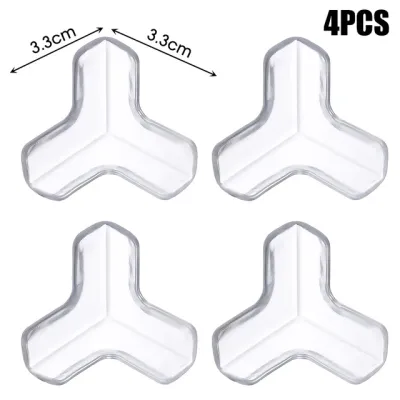
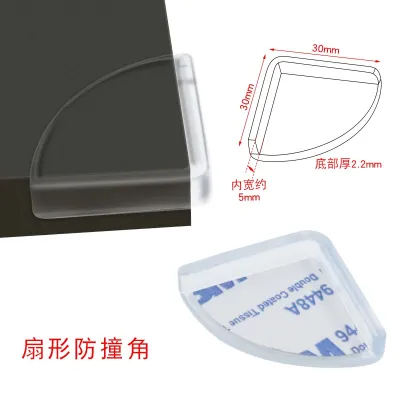
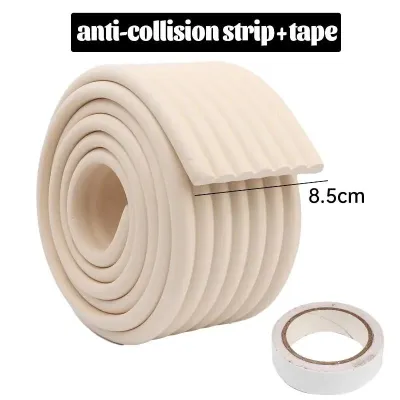
Prices are valid at publication and may change. Please refer to the product page for the latest price.
In tropical climates like the Philippines, high humidity and warm temperatures can accelerate the degradation of certain plastics, foams, and adhesives. This environmental factor makes material durability even more critical. If a material degrades, it may release chemical byproducts or break apart more easily. Therefore, a corner protector’s safety cannot be judged solely by its ability to cushion an impact; it must be evaluated based on its chemical stability and its physical resistance to tearing under constant oral exploration.
Evaluating Material Safety and Toxicity
To ensure that your child is not exposed to harmful chemicals, you must actively verify the material composition of any corner protector before bringing it into your home. Do not rely on vague marketing claims like “eco-friendly” or “baby-safe” without looking for concrete, verifiable specifications. Safe manufacturing practices are documented through specific labels and certifications that you should look for on the product packaging or the manufacturer’s official documentation.

When shopping on online marketplaces or at local baby boutiques, prioritize products that explicitly state they are free from harmful substances. Look for labels such as BPA-free, phthalate-free, lead-free, and heavy metal-free. Common materials used for corner guards include Nitrile Butadiene Rubber (NBR), Ethylene-Vinyl Acetate (EVA) foam, silicone, and Polyvinyl Chloride (PVC). While NBR and silicone are often favored for their durability and lack of plasticizers, PVC frequently requires chemical additives like phthalates to make it soft and flexible. Because these additives can leach out when chewed, verifying that any PVC-based protector is certified phthalate-free is essential.
Always cross-reference the manufacturer’s claims with their official safety data sheets or compliance certificates. Reputable brands will readily provide documentation showing that their products meet international safety standards, such as those set by European or American consumer safety organizations. If a product listing lacks clear material identification, or if the seller cannot provide proof of safety testing, it is best to avoid the purchase entirely. If you suspect your child has ingested any synthetic material or adhesive, stop using the product immediately and consult a qualified medical professional or pediatrician.
Assessing and Preventing Choking Hazards
Physical durability is just as important as chemical safety when it comes to baby-proofing accessories. Before installing any corner protector, perform a thorough visual and physical inspection of the product. Check for weak points, thin edges, or small decorative elements that could easily be torn off. A high-quality protector should feel dense, resilient, and difficult to tear, even when subjected to firm pulling or twisting.
Teething babies possess a remarkable ability to bite through soft materials. Low-density foam protectors, particularly those made of cheap or degraded NBR, can easily be punctured by sharp baby teeth. Once a baby manages to bite a small chunk out of a foam guard, that piece becomes an immediate choking hazard. To prevent this, you must match the protector’s thickness and density to your child’s developmental stage. For younger babies who are just starting to crawl, softer foam may suffice under close supervision, but for active toddlers with fully emerged teeth, denser silicone or heavy-duty rubber guards are generally more appropriate.
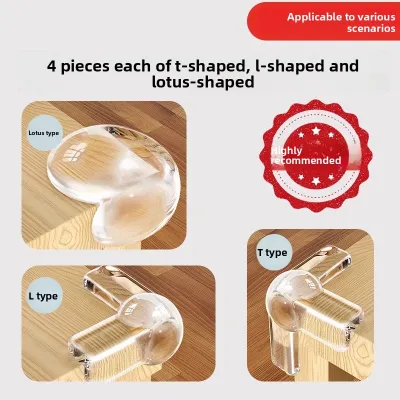
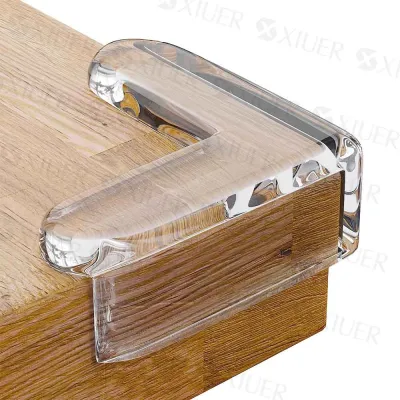
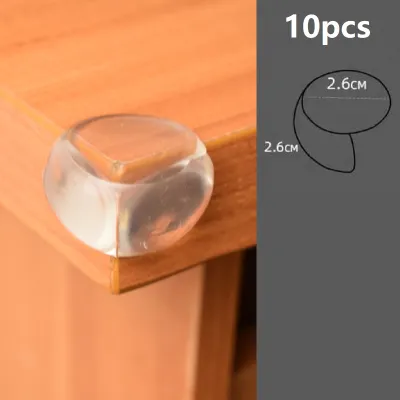
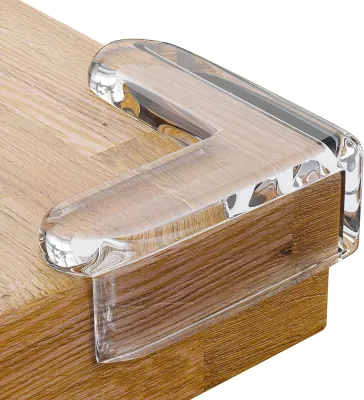
The shape and design of the protector also influence its physical safety. Large, rounded, or ball-shaped designs are harder for a child to get their mouth around, reducing the likelihood of them biting off a piece. Conversely, thin, L-shaped foam strips present tempting edges that are easy to grip with teeth. If you observe any signs of wear, such as bite marks, deep scratches, or crumbling material, the protector must be removed and discarded immediately. Never attempt to patch a damaged protector with tape or glue, as this introduces new chemical and choking risks.
Installation and Maintenance for Ongoing Safety
Proper installation is key to ensuring that corner protectors do not detach and become choking hazards. Before applying any adhesive, prepare the furniture surface strictly according to the manufacturer’s instructions. In humid tropical environments, dust, oil, and moisture can quickly ruin the bond between the adhesive and the furniture. Clean the surface thoroughly with a mild cleaning agent or rubbing alcohol, ensuring it is completely dry before pressing the protector firmly into place. Allowing the adhesive to cure for the recommended time—often 24 hours—before letting your child near it is crucial for a secure bond.
Maintaining these protectors requires safe cleaning practices that do not compromise their structural integrity. Avoid using harsh household chemicals, bleach, or abrasive cleaners, as these can degrade the protector’s material, make it brittle, or leave behind toxic residues that your baby might later ingest. Instead, consult the product manual for approved cleaning methods. Generally, wiping the guards down with a damp cloth and a mild, baby-safe soap is the safest approach.
Routine safety checks should be integrated into your weekly cleaning schedule. Gently tug on each corner protector to verify that the adhesive bond remains strong. If a guard feels loose, slides out of place, or lifts at the edges, it poses an immediate risk. A determined toddler can easily peel off a loose protector and put it in their mouth. Regularly inspect the physical condition of the material, looking for any changes in texture, flexibility, or structural soundness.
When to Replace or Remove Corner Protectors
Corner protectors are not permanent fixtures and will eventually need to be replaced or removed entirely. You must monitor them for physical warning signs of degradation. Over time, exposure to air, light, and humidity can cause materials to discolor, become sticky, crack, or lose their elasticity. Sticky or crumbling foam is a clear sign of chemical breakdown, meaning the material is no longer safe for oral contact and must be replaced immediately.
If your child manages to loosen a protector, bites off even a tiny fragment, or shows a persistent ability to peel the guard away from the furniture, remove the product immediately. At this point, the protector itself poses a greater danger than the sharp corner it was meant to cover. In such cases, you may need to restrict access to that specific piece of furniture or look for alternative baby-proofing solutions, such as rearranging the room to block access to sharp edges.
As children grow, their spatial awareness, balance, and coordination improve significantly. Once your child can confidently navigate around furniture without bumping into corners, and has moved past the developmental stage of mouthing objects, you can begin removing the protectors. This transition typically occurs around two to three years of age, though it depends on each child’s individual development. Removing the guards once they are no longer needed eliminates any lingering chemical or physical risks from your home environment.
Frequently Asked Questions (FAQ)
Can babies choke on silicone corner protectors?
Yes, babies can choke on silicone corner protectors if the product is of poor quality, has degraded over time, or is damaged by strong biting. While high-quality, food-grade silicone is highly durable and tear-resistant, thin or cheaply manufactured silicone can split under the pressure of sharp baby teeth. Once a tear begins, a child can easily bite off a small piece, creating a severe choking hazard. To prevent this, regularly inspect silicone guards for any punctures or tears, and discard them immediately if you detect any damage.
How do I clean corner protectors without degrading the material?
To clean corner protectors safely, always check the manufacturer’s care instructions first to avoid using substances that could break down the material. Use a soft cloth dampened with warm water and a mild, baby-safe dish soap to gently wipe away dirt and saliva. Avoid abrasive scrubbing pads, which can create micro-tears in foam or silicone where bacteria can accumulate. Do not use harsh chemical disinfectants or solvents, as these can weaken the adhesive, degrade the protective material, and leave behind harmful chemical residues.
Community discussion
Share your experience or ask a question. Comments are reviewed before publication.