
A convertible high chair is worth the investment if you need long-term seating that transitions into a regular chair, while a standard high chair is ideal if you prioritize a lower upfront cost, simpler cleaning, and only need it for the typical high chair age range. The right choice ultimately depends on your dining space, your budget in ₱, and how long you plan to use the furniture. This guide breaks down the practical trade-offs to help you decide which type best fits your family’s daily routine.
Introducing solid foods to your toddler is an exciting milestone, but it also brings a wave of practical decisions regarding nursery furniture. The dining area quickly becomes the center of daily activity, where spills, splashes, and developmental milestones happen simultaneously. Choosing the right seating is not just about finding a place for your child to sit; it is about selecting a tool that supports their physical development, fits your home’s layout, and aligns with your financial planning.
In tropical environments where humidity is high, practical factors like material durability and ease of cleaning become even more critical. A chair that is difficult to wipe down can quickly become a hassle, while a bulky frame can clutter a compact dining room. By evaluating how each high chair type performs under daily wear and tear, you can make an informed decision that keeps your toddler safe and your dining area functional.
Products mentioned in this guide
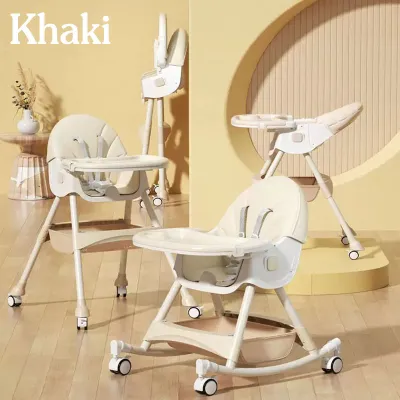
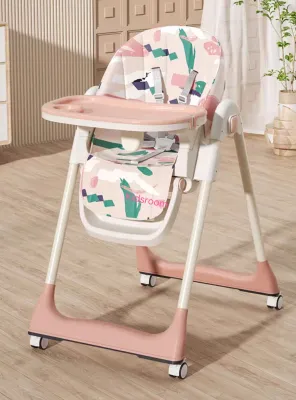
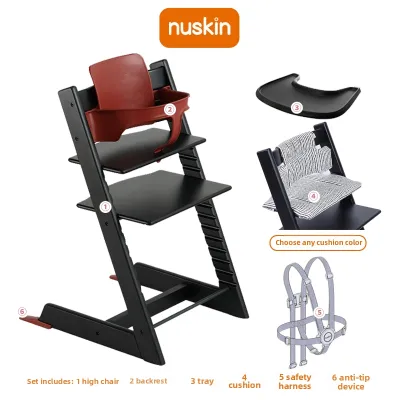
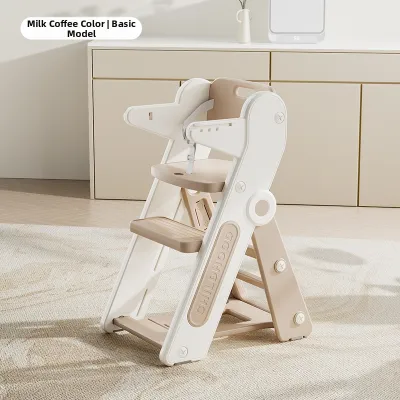
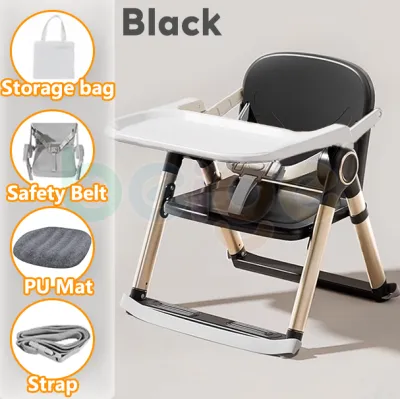
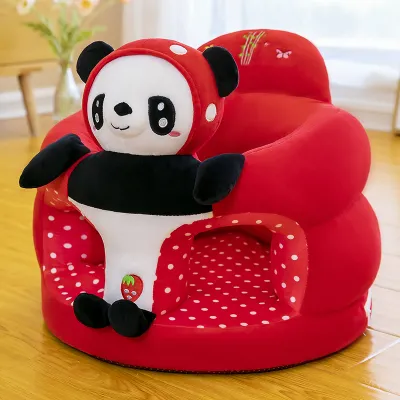
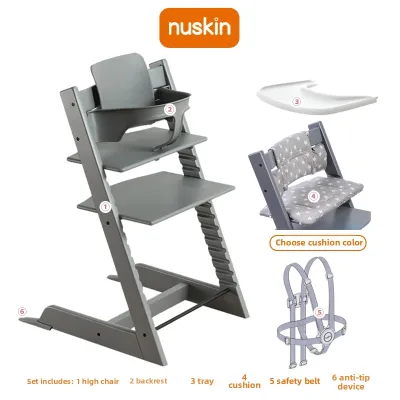
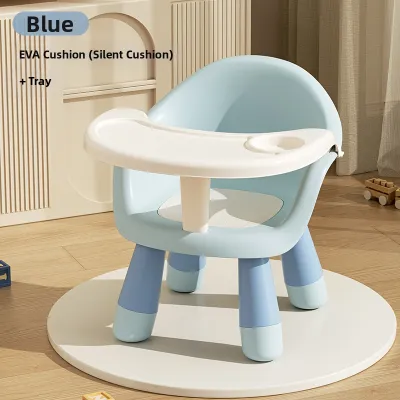
Prices are valid at publication and may change. Please refer to the product page for the latest price.
Defining Standard and Convertible High Chairs
To make the best choice, it is essential to understand what sets these two categories apart. A standard high chair is a traditional, single-purpose piece of furniture designed specifically for infants and young toddlers who are learning to sit upright and eat solids. These chairs feature a fixed height, a dedicated seat bucket, a safety harness, and a detachable tray. They are engineered to do one job well: keeping a young child secure and positioned correctly during mealtime. Because they do not need to adapt to older developmental stages, their design is straightforward and focused entirely on the weaning phase.
In contrast, a convertible high chair is a modular system designed to evolve alongside your child. These multi-functional models can be reconfigured into various seating options as your toddler grows. Depending on the specific design, a convertible chair might start as a traditional high chair, transition into a booster seat strapped to a dining chair, convert into an independent toddler chair, and eventually become a youth desk chair or even an adult-sized stool. This adaptability is achieved through adjustable seat depths, customizable footrest heights, and removable safety guards.
However, this versatility comes with structural trade-offs. Convertible high chairs often feature more complex frames made of wood, heavy-duty plastics, or metal alloys to support different weight capacities over several years. This structural complexity typically results in a larger physical footprint and a heavier overall weight. Assembly can also be more demanding, requiring tools, hardware adjustments, and careful adherence to the manufacturer’s instructions whenever you transition the chair to a new configuration.
Key Comparison Dimensions for Toddler Seating
When comparing these two seating options, daily usability should be your primary guide. The physical footprint of the chair is a major consideration, especially if your dining area is compact or multi-purpose. Standard high chairs are frequently designed with folding frames, allowing you to collapse the legs and store the chair in a pantry, utility closet, or against a wall when meals are over. Convertible high chairs, on the other hand, are generally designed as permanent pieces of dining furniture. They rarely fold, meaning they will occupy a dedicated spot at your table or in your kitchen continuously.

Cleaning routines are another critical factor in household harmony. Toddlers are notoriously messy eaters, and mealtime clean-up happens multiple times a day. Standard high chairs often excel in this department because they feature seamless plastic seats, minimal crevices, and simple tray mechanisms that can be wiped down in seconds. Convertible models, with their adjustable slots, wooden joints, and modular attachments, present many more areas where crumbs, liquids, and purees can accumulate. In warm, humid climates, food trapped in these hard-to-reach crevices can quickly spoil or encourage mold growth, requiring diligent, deep cleaning.
Portability and weight also influence how the chair fits into your lifestyle. If you frequently move the high chair between the dining room, kitchen, and patio, or if you need to pack it up for a weekend visit to a caregiver’s home, a lightweight standard chair is highly convenient. Convertible chairs are typically heavy and cumbersome to lift, making them poorly suited for frequent travel or constant relocation within the house.
| Dimension | Standard High Chair | Convertible High Chair | What to Check on the Product Label |
|---|---|---|---|
| Space & Storage | Often folds compactly; smaller footprint. | Fixed footprint; rarely folds; occupies permanent space. | Folded dimensions and open footprint measurements. |
| Cleaning Ease | Seamless plastic, fewer crevices, easy wipe-downs. | Multiple joints, adjustment slots, and modular parts. | Removable tray dishwasher safety and fabric wash instructions. |
| Portability | Lightweight; easy to move or transport. | Heavier; designed as stationary furniture. | Total product weight and presence of transport wheels. |
| Longevity | Typically limited to early toddlerhood (up to 2-3 years). | Transitions to toddler chair, booster, or youth seat. | Maximum weight capacity and recommended age/stage limits. |
Choose a Convertible High Chair If…
A convertible high chair is an excellent option if you view nursery furniture as a long-term investment. If you prefer to buy a single, high-quality piece of furniture that will serve your child from their first solid meals up through their early school years, the modular design offers exceptional value over time. Instead of purchasing a high chair, a separate booster seat, and eventually a toddler-sized study chair, you consolidate these needs into one adaptable product.
This option is also highly suitable for families who want their child to join them directly at the family dining table as soon as possible. Many convertible models allow you to remove the tray entirely and slide the chair right up to the table, adjusting the seat and footrest heights so your toddler sits at the perfect ergonomic level. This setup fosters social interaction and helps teach table manners early on.
Additionally, choose a convertible model if you do not mind dedicating a permanent spot in your dining room to your child’s seating. If you have the space to accommodate a stationary chair and are willing to perform the occasional deep clean of its adjustable joints, the structural stability and aesthetic appeal of a wooden or premium modular chair can beautifully complement your home decor.
Choose a Standard High Chair If…
A standard high chair is often the most practical choice if you are working with a strict upfront budget. High-quality standard models are widely available at accessible price points, often costing significantly less in ₱ than their convertible counterparts. If you prefer to keep your initial nursery expenses low and plan to address future seating needs only when your child actually reaches those developmental stages, a standard chair is a sensible financial decision.
This type is also ideal for parents who prioritize speed and simplicity in their daily routines. If the thought of digging crumbs out of adjustment slots or washing complex fabric harnesses sounds exhausting, a basic plastic standard chair with a seamless design will save you valuable time. You can simply spray, wipe, and sanitize the entire unit in a matter of moments after a messy meal.
Furthermore, a standard chair is the superior option if your living space is limited or if the chair needs to be shared across multiple locations. If you live in a compact apartment where the dining area must be cleared between meals, the ability to fold the chair flat and slide it out of sight is invaluable. It is also a highly practical choice for grandparents or secondary caregivers who only need a safe, straightforward seating solution during occasional visits and do not want a heavy, permanent fixture in their homes.
Essential Safety and Specification Checks
Regardless of which high chair type you select, safety must always be your primary consideration. Before making a purchase, look past general age recommendations and locate the physical product tag or label to verify the manufacturer’s maximum weight and height limits. Children develop at vastly different rates, and physical measurements are a far more reliable indicator of safety and structural support than age guidelines.
Next, examine the harness system closely. A secure 5-point harness—which secures the child at the shoulders, hips, and crotch—is highly recommended for younger toddlers who may try to wiggle or climb out of their seats. Ensure that the buckle mechanism is robust enough to resist a toddler’s curious fingers but simple enough for a caregiver to release quickly in an emergency. The straps should be fully adjustable to provide a snug fit against your child’s body.
Stability is another critical factor, particularly as toddlers grow stronger and more active. Check the base width of the chair; a wider stance generally offers better resistance against tipping. Watch out for potential tipping hazards, such as lightweight frames that can easily slide or tip if your toddler pushes their feet against the edge of the dining table. If the chair has wheels, ensure they feature reliable locking mechanisms that remain secure during use.
Finally, if you choose a convertible model, always consult the product manual before changing its configuration. Each transition—whether moving from a high chair to a booster or converting to a youth stool—requires specific hardware adjustments, strap removals, or structural locks. Never attempt to modify the chair without following the manufacturer’s step-by-step instructions, as improper assembly can compromise the chair’s structural integrity and create serious fall hazards.
Frequently Asked Questions (FAQ)
At what age should a toddler transition out of a standard high chair?
There is no single age at which every child must transition, as development varies. Instead, watch for physical signs, such as your toddler’s head reaching near the top of the seatback or their weight approaching the maximum limit specified on the product label. Behavioral cues are also telling; if your child constantly tries to climb out, shows extreme discomfort, or struggles to fit their legs comfortably under the tray, it is time to transition. Always consult your specific high chair’s manual for the manufacturer’s recommended milestones.
Can a standard high chair be converted with aftermarket accessories?
You should never attempt to convert a standard, non-modular high chair using third-party or aftermarket conversion kits. Modifying a chair with unapproved accessories can severely compromise its structural integrity, alter its center of gravity, and create dangerous tipping or fall hazards. It will also void any manufacturer warranties. If you need a different seating configuration, check the original manufacturer’s official website or contact their customer support to see if they offer certified, tested accessories designed specifically for your exact model.
Community discussion
Share your experience or ask a question. Comments are reviewed before publication.