
The Short Answer: Which Type Should You Buy?
For expectant parents looking to monitor their baby’s heartbeat at home, a consumer-grade handheld fetal doppler is the appropriate, safe, and sufficient choice. These devices are specifically engineered for non-professional use, featuring simplified interfaces, pre-calibrated settings, and built-in safety caps on ultrasound energy output. They provide a accessible way to bond with your developing baby without requiring specialized clinical training.
Professional or clinical fetal dopplers, by contrast, are designed for hospitals, obstetric clinics, and trained healthcare providers. These medical-grade systems operate with highly adjustable settings, complex diagnostic displays, and sometimes higher power outputs that require professional interpretation to prevent misuse. Using a clinical device at home without training increases the risk of misinterpreting complex acoustic data, which can lead to unnecessary anxiety or dangerous false reassurance.
It is vital to remember that no home monitoring device can ever replace regular prenatal checkups with a qualified obstetrician. A fetal doppler is a supplementary tool for personal reassurance and family bonding, not a diagnostic instrument to assess fetal health or manage high-risk pregnancies.
Products mentioned in this guide
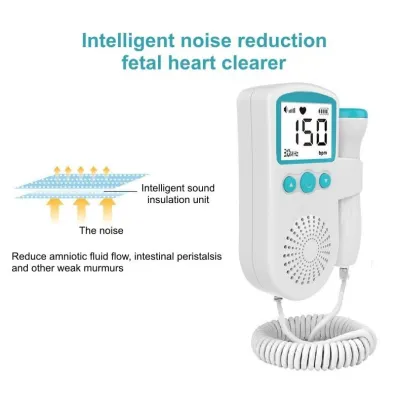
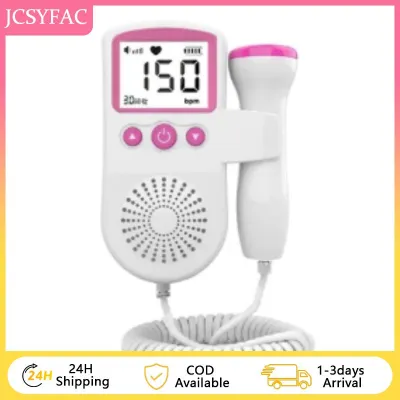
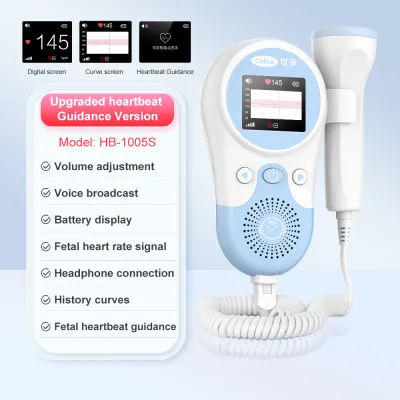

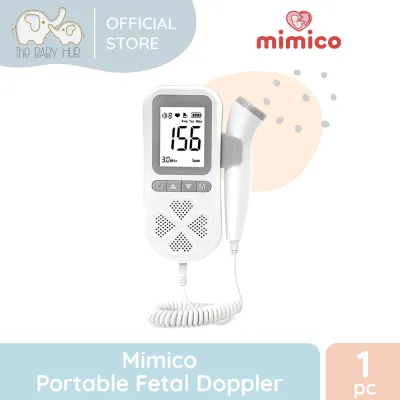
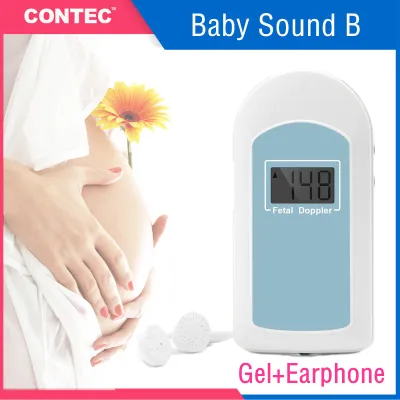
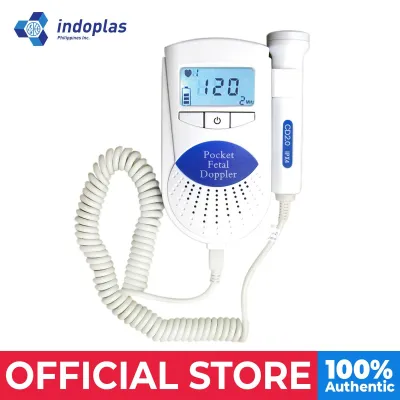
Prices are valid at publication and may change. Please refer to the product page for the latest price.
Key Differences Between Consumer and Professional Fetal Dopplers
While both consumer and professional devices utilize ultrasound technology to detect the fetal heartbeat, they are built for entirely different users, environments, and safety protocols. Understanding how these categories differ across technical dimensions will help you make a practical and safe choice for your home.

Probe Frequency and Sound Clarity
To understand how a fetal doppler functions, you must first look at the probe frequency, which is measured in megahertz (MHz). The probe emits high-frequency sound waves that bounce off the moving blood within the fetal heart, translating the movement into an audible sound and a digital heart rate reading. When selecting a device, always check the probe frequency on the product label or official manufacturer specifications, as this determines how deep the sound waves can penetrate.
As a general physical principle, lower frequencies penetrate deeper into maternal tissue but offer slightly less audio resolution. For example, a 2 MHz probe is highly effective for penetrating deeper tissue, making it suitable for use in the later stages of pregnancy or for expectant mothers with a higher body mass index (BMI). Conversely, higher frequencies, such as a 3 MHz probe, provide clearer audio resolution at shallower depths. This makes a 3 MHz probe highly sensitive and ideal for detecting the heartbeat during the early second trimester when the fetus is still small and positioned closer to the abdominal wall.
Professional clinical dopplers often feature interchangeable or adjustable probes, allowing obstetricians to switch between 2 MHz, 3 MHz, or specialized vascular probes depending on the patient’s anatomy and gestational stage. Consumer models, however, typically feature a single, fixed-frequency probe—most commonly 2.5 MHz or 3 MHz—which is pre-optimized for general home use. This fixed design eliminates the complexity of choosing and calibrating different probes, ensuring a straightforward user experience for parents.
Power Output and Safety Limits
Every ultrasound device emits acoustic energy, which is monitored using two safety metrics: the thermal index (TI) and the mechanical index (MI). The thermal index indicates the potential for the ultrasound waves to cause heating in biological tissues, while the mechanical index measures the potential for mechanical agitation or cavitation. In clinical settings, professional dopplers may feature higher, adjustable power outputs to help obstetricians capture difficult signals in complex diagnostic scenarios, under the strict supervision of trained medical staff.
Consumer fetal dopplers are hardware-capped at much lower power limits to ensure safety during unsupervised, frequent home use. Because parents may use the device more often than a doctor would, manufacturers design these consumer units to operate well within conservative safety thresholds, minimizing any potential energy exposure to the developing fetus.
When researching devices, always verify that the product documentation explicitly states compliance with international ultrasound safety standards, such as those established by the International Electrotechnical Commission (IEC). Never purchase a device that does not provide clear documentation regarding its power limits and safety certifications.
Display Features and Ease of Use
The user interface is one of the most obvious distinctions between consumer and professional equipment. Consumer models prioritize simplicity and ease of use. They typically feature a basic, easy-to-read LCD screen that displays the estimated fetal heart rate (FHR) in beats per minute (BPM), along with a simple battery indicator and volume control. The audio output is processed to minimize background static, helping parents easily identify the characteristic “galloping” sound of the baby’s heart.
Professional clinical models feature highly complex displays designed for diagnostic analysis. These screens often show real-time cardiotocography (CTG) graphs, complex heart rate waveforms, and multiple diagnostic parameters simultaneously. They may also include dual-probe ports for monitoring twins and advanced data export capabilities for electronic medical records.
For a layperson, these advanced diagnostic displays can easily lead to confusion and misinterpretation. Without clinical training, a parent might mistake maternal blood flow through the uterine artery (which typically matches the mother’s slower pulse) for the baby’s much faster heart rate, or fail to recognize complex waveform patterns that indicate fetal distress. The streamlined interface of a consumer model helps prevent this confusion by focusing solely on basic, easy-to-understand feedback.
Safety and Regulatory Considerations in the Philippines
Using a fetal doppler at home requires a clear understanding of both the medical boundaries of home monitoring and the local regulatory environment in the Philippines.
The Medical Boundary and the Risk of False Reassurance
The most significant safety risk associated with home fetal dopplers is “false reassurance.” This occurs when an expectant parent experiences warning signs—such as a noticeable reduction in fetal movement, abdominal pain, or unusual discharge—but decides not to seek medical attention because they can still hear a heartbeat using the home doppler. Hearing a heartbeat does not guarantee fetal well-being. A baby can be in severe distress even while maintaining a detectable heart rate. Home dopplers should be used strictly for bonding and emotional reassurance, never as a tool to diagnose health issues or to decide whether to skip a medical consultation.
The Regulatory Context in the Philippines
In the Philippines, the Food and Drug Administration (FDA) regulates medical devices to ensure they are safe and effective for their intended users. Professional-grade diagnostic ultrasound equipment is classified as a high-risk medical device, and its sale is generally restricted to licensed medical practitioners, clinics, and hospitals. Consumer-grade fetal dopplers, often marketed as wellness products or baby monitors, are accessible for public purchase but must still meet basic electronic safety and manufacturing standards.
Verification Steps for Filipino Buyers
Before purchasing a device, take the following steps to ensure its quality and safety:
- Check for Certifications: Look for clear manufacturer safety certifications, such as a CE mark or an FDA registration number from the country of origin, printed on the packaging or detailed in the user manual.
- Verify the Seller: Purchase only from established local pharmacies, authorized medical supply distributors, or official brand stores on reputable e-commerce platforms. Avoid buying unbranded, extremely cheap devices from unverified third-party sellers on online marketplaces.
- Consider the Tropical Climate: The high humidity and warm temperatures in the Philippines can accelerate the degradation of electronic components and battery contacts. Always store your device in a cool, dry place, and remove the batteries if you do not plan to use the device for an extended period to prevent leakage.
How to Choose a Safe Consumer Fetal Doppler
Since professional-grade models are unsuitable for home use, your goal should be to select a high-quality, reliable consumer model that fits your needs and budget.
Checking Certifications and Build Quality
A reliable consumer fetal doppler should feel sturdy and come with comprehensive documentation. When evaluating different models, look for the following quality indicators:
- Clear Manufacturer Specifications: The user manual should clearly state the probe frequency, battery requirements, safety standards met, and step-by-step instructions for use.
- Accessible Customer Support: Reputable brands provide clear contact information, warranty details, and customer service channels to assist you if the device malfunctions.
- Included Accessories: Ensure the package includes a detailed user manual and a starter bottle of ultrasound transmission gel.
- Realistic Product Claims: Avoid any device that claims to diagnose specific medical conditions, predict pregnancy outcomes, or replace professional prenatal care. Legitimate consumer devices are marketed strictly for bonding and general reassurance.
To avoid counterfeit or poorly calibrated electronics, purchase your device from official brand stores, well-known local pharmacy chains, or authorized medical equipment retailers. Investing in a certified device ensures that the acoustic output remains well within safe limits for your baby.
Evaluating Audio and Visual Feedback
The usability of a home doppler depends heavily on how clearly it communicates the baby’s heart rate. Look for features that make the device easy to operate in a comfortable home environment:
- Headphone Jack: A built-in headphone jack is highly beneficial. It allows you to listen to the heartbeat privately, reduces ambient room noise, and prevents the high-pitched audio feedback (screeching) that can occur when the probe is held close to an active speaker.
- Quality Speaker and Volume Control: If you want to share the experience with your partner or family, look for a model with a clear, static-reducing speaker and precise volume controls so you can adjust the sound to a comfortable level.
- Backlit LCD Screen: Many parents prefer to use the doppler during quiet evening hours. A backlit display makes it easy to read the heart rate in a dimly lit bedroom without needing to turn on bright overhead lights.
When to Stop Using the Device and Seek Medical Help
Establishing strict guidelines for when to stop using your home doppler is essential for protecting both your peace of mind and your pregnancy health.
The Risk of Prolonged Scanning
If you cannot locate your baby’s heartbeat within a few minutes, stop using the device. Do not engage in prolonged scanning sessions. Failing to find the heartbeat is common, especially in early pregnancy, and is often due to the baby’s position, the orientation of the placenta, or maternal tissue thickness. Prolonged, continuous exposure to ultrasound waves is not recommended, and repeatedly searching for a signal can cause unnecessary panic and anxiety. Rest for a few hours or wait until the next day before trying again.
Recognizing Red Flag Symptoms
You must stop using the home doppler immediately and seek urgent medical attention if you experience any of the following warning signs:
- A noticeable decrease or sudden change in your baby's normal movement patterns.
- Abdominal pain, severe cramping, or uterine contractions.
- Any vaginal bleeding, spotting, or unusual fluid leakage.
- Severe headaches, sudden swelling of the hands or face, or vision changes.
Your Emergency Action Plan
If you experience any red flag symptoms, do not use the home fetal doppler to check for a heartbeat. Even if you think you hear a normal heartbeat, do not delay seeking care. Contact your obstetrician immediately, proceed to your designated maternity clinic, or go to the emergency room of the nearest hospital. Always prioritize clinical symptoms and professional medical advice over the readings of a home monitoring device.
Frequently Asked Questions (FAQ)
Can I use a professional fetal doppler if I find one online?
No, you should not use a professional clinical fetal doppler at home. These devices are designed for trained medical professionals who understand how to calibrate adjustable power settings and interpret complex diagnostic waveforms. Using clinical-grade equipment without training increases the risk of misinterpreting maternal blood flow or placental sounds as the fetal heartbeat, which can lead to dangerous false reassurance or unnecessary panic.
Is ultrasound gel necessary for home fetal dopplers?
Yes, ultrasound transmission gel is absolutely necessary. Ultrasound waves travel poorly through the air. The gel acts as a coupling agent that eliminates air gaps between the probe and your skin, allowing the sound waves to transmit clearly into the body and return to the receiver. Do not use substitute lotions, baby oils, or petroleum jelly, as these can degrade the acoustic membrane of the probe and permanently damage the device.
At how many weeks can I start hearing the heartbeat at home?
While some highly sensitive consumer fetal dopplers can detect a heartbeat as early as 12 weeks of pregnancy, it is generally much easier and more reliable to locate the sound later in the second trimester, around 16 to 20 weeks. Always consult your specific device’s user manual for the manufacturer’s stated gestational age guidelines, and remember that early pregnancy confirmation should always be performed via clinical ultrasound by your doctor.
Community discussion
Share your experience or ask a question. Comments are reviewed before publication.