
Finding the best value in a wipes bundle sale for sensitive skin is not simply about grabbing the lowest price tag on an e-commerce platform. True value lies at the intersection of ingredient safety and cost-per-wipe. In a tropical climate like the Philippines, where heat and humidity can exacerbate skin irritation and diaper rash, choosing a bulk deal with harsh chemical additives can lead to costly pediatric visits and unused packs. To secure a genuine deal, caregivers must look beyond the promotional banners, calculate the unit price, and carefully audit the ingredient list of each bundle option.
When shopping during online sales, the sheer variety of bundle configurations can be overwhelming. A pack of three, a box of twelve, or a mega-saver crate all present different price points that obscure the actual cost of each individual sheet. By establishing a systematic approach to evaluating these deals, you can protect both your baby’s delicate skin and your household budget. This guide provides a practical framework to help you navigate bulk promotions, identify high-quality formulations, and make an informed purchasing decision.
Defining True Value for Sensitive Skin Wipes
To find the most economical option during a wipes bundle sale, you must first calculate the true cost per wipe. Retailers often highlight the total savings of a bundle, but the only consistent metric for comparison is the unit price. You can easily calculate this by dividing the total price of the bundle by the total number of wipes included across all packs. For example, if a bundle costs ₱450 and contains six packs of 80 wipes each, the calculation is ₱450 divided by 480, which equals approximately ₱0.94 per wipe. Comparing this unit cost across different brands and bundle sizes prevents you from being misled by flashy packaging or deceptive discounts.
Products mentioned in this guide
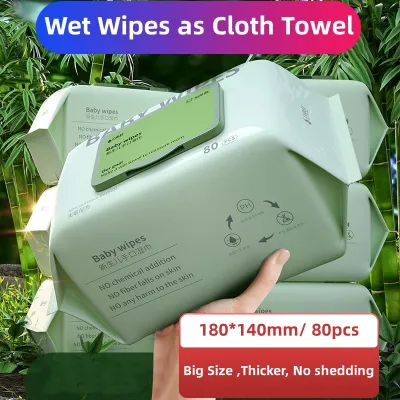
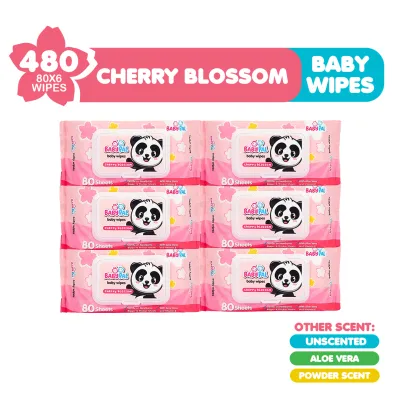

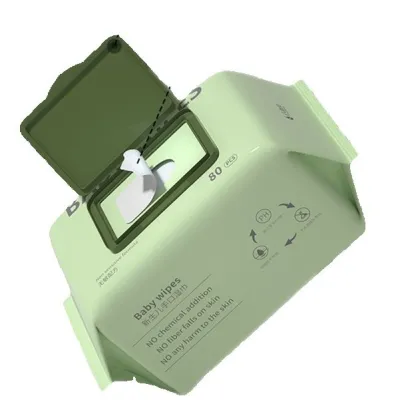
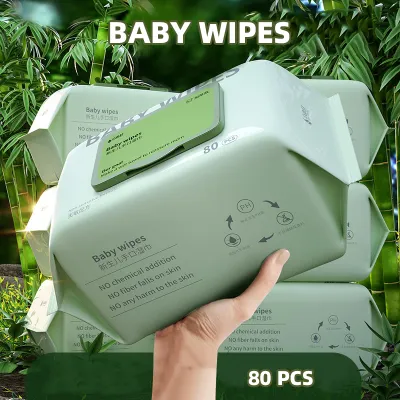
Prices are valid at publication and may change. Please refer to the product page for the latest price.
However, focusing solely on the lowest unit cost can be a financial trap if the product causes skin irritation. If a baby develops a painful diaper rash or contact dermatitis from a harsh ingredient, the remaining packs in a large bulk purchase often end up in the trash. Additionally, you may find yourself spending more on medicated diaper creams, pediatric consultations, and alternative soothing treatments. A cheap bundle that causes skin reactions ultimately costs significantly more than a slightly higher-priced, gentle alternative.
To mitigate this risk, always look for specific dermatological testing claims and pediatrician approvals on the product packaging. While these labels are not absolute guarantees against allergic reactions, they indicate that the formulation has undergone clinical evaluation for skin compatibility. When browsing online listings, zoom in on the packaging images or check the product specifications to verify these certifications. A reputable brand will clearly display these credentials, giving you greater peace of mind when buying in large quantities.
Ingredient Checklist for Sensitive Skin Bundles
When evaluating bulk wipe options, the ingredient list is your most reliable tool. For sensitive skin, the general rule is that fewer ingredients translate to a lower risk of irritation. You should strictly avoid products containing ethyl alcohol or isopropyl alcohol, as these substances strip the skin of its natural lipids, leading to dryness and cracking. Artificial fragrances and perfumes are also major culprits for triggering allergic reactions and should be entirely absent from your chosen bundle. Furthermore, steer clear of harsh preservatives such as methylisothiazolinone (MIT) and methylchloroisothiazolinone (CMIT), which are known contact allergens.

Many brands market their products as “water-based” or “99% water” to appeal to parents of sensitive-skinned babies. While these claims are highly attractive, it is crucial to investigate what constitutes the remaining one percent of the formulation. This small fraction typically contains preservatives, skin conditioners, and pH adjusters. Ensure that these remaining ingredients are mild, food-grade preservatives (such as sodium benzoate) and gentle moisturizers (such as glycerin). The formulation should maintain a slightly acidic pH, matching the natural skin barrier of a healthy infant.
It is also important to understand that natural botanical extracts, such as aloe vera, chamomile, or calendula, are not universally safe for highly reactive skin. While these ingredients are often celebrated for their soothing properties, they can still trigger localized allergic reactions in some infants. If your baby has extremely sensitive skin or a history of eczema, a minimalist formula consisting almost entirely of purified water and a single gentle preservative is often a safer choice than a product packed with various herbal extracts.
Evaluating Bundle Pricing and Packaging Quality
Beyond the ingredients, the physical packaging of the wipes plays a critical role in determining the overall value of a bulk purchase. Wipes generally come in two main packaging styles: hard plastic flip-top lids and simple adhesive sticker seals. In a warm, humid environment, adhesive seals tend to lose their stickiness quickly due to dust, moisture, and repeated opening. Once the seal fails, the wipes dry out rapidly, rendering them useless. Opting for bundles that feature hard plastic flip-top lids ensures superior moisture retention, preserving the quality of the wipes from the first sheet to the last.
When buying in bulk, you must also pay close attention to the manufacturing and expiration dates printed on the packaging. Wipes do not last indefinitely; over time, the preservative system can degrade, increasing the risk of bacterial or fungal growth within the pack. This risk is particularly high in tropical climates where ambient temperatures are elevated. Before committing to a massive bundle that might take six months or a year to consume, ensure that the products have a long shelf life remaining so they do not spoil before you can use them.
Finally, remember to factor in hidden costs when comparing bundle deals online. A heavily discounted bundle might seem like a bargain until you calculate the shipping fees, which can be substantial for heavy, water-dense bulk boxes. Some e-commerce platforms offer free shipping vouchers or discounts if you meet a specific minimum spend requirement. Compare the final checkout price—including shipping and any applicable platform vouchers—rather than just the list price of the bundle to determine which deal offers the best financial return.
Decision Framework: Which Bundle Type Fits Your Needs?
To simplify your decision-making process during a wipes bundle sale, you can use a conditional framework based on your baby’s specific skin needs and usage patterns. If your infant has highly reactive skin that flares up easily, your primary focus should be on 99% water-based bundles with minimal chemical additives. For these babies, avoiding botanical extracts and complex preservative systems is essential, even if those bundles carry a slightly higher price tag per wipe. The prevention of skin irritation justifies the modest premium.
If you are dealing with frequent, heavy messes, the thickness and texture of the wipe become primary considerations. Thinner, cheaper wipes often tear easily or require you to use multiple sheets for a single diaper change. In contrast, a thicker, embossed, or textured wipe can clean a mess more efficiently, often requiring only one sheet per change. In this scenario, a bundle of thicker wipes with a higher unit cost can actually save you money over time because you will consume fewer total wipes per week.
Additionally, verify the physical size of the packs included in the bundle before purchasing. Some promotional deals consist of numerous small travel-sized packs (containing 10 to 20 wipes each) rather than standard-sized packs (containing 40 to 80 wipes). While travel packs are highly convenient for diaper bags, they have a much higher packaging-to-wipe ratio, making them less environmentally friendly and often more expensive per sheet. They also dry out much faster once opened, making them less suitable for daily, high-volume use at home.
Ultimately, you should reject any bundle deal where the manufacturer does not fully disclose the ingredient list on the packaging or the online product page. Terms like “fragrance,” “parfum,” or vague descriptions of chemical preservatives are significant red flags for sensitive skin. By prioritizing ingredient transparency, packaging durability, and a calculated cost-per-wipe, you can confidently select a bundle sale that protects both your baby’s skin health and your household budget.
Frequently Asked Questions (FAQ)
Are larger wipe bundles always a better deal for sensitive skin?
Larger wipe bundles generally offer a lower cost per wipe, but they are not always the best choice for sensitive skin. If you purchase a massive bulk deal of a brand you have never tried before, you run the risk of your baby experiencing an adverse skin reaction, leaving you with dozens of unusable packs. Furthermore, storing a large volume of wipes over several months increases the risk of the product drying out or the preservative system degrading, especially in warm climates. It is highly recommended to purchase and test a single pack first to ensure skin compatibility before committing to a large bulk bundle.
How should I store bulk wipe bundles to maintain their quality?
To preserve the moisture and ingredient stability of your bulk wipes, store unopened packs in a cool, dry place away from direct sunlight and heat sources. High temperatures can accelerate the breakdown of gentle preservatives, potentially allowing mold or bacteria to develop. Once you open a pack, always ensure the plastic flip-top lid or adhesive seal is pressed down firmly after every use to prevent evaporation. For an extra layer of protection, you can store unopened packs upside down; this helps keep the liquid solution evenly distributed throughout the stack of wipes rather than settling entirely at the bottom.

Community discussion
Share your experience or ask a question. Comments are reviewed before publication.