
Comparing Unilove wipes (100 sheets) to other baby wipes for sensitive skin requires a careful examination of ingredient lists, material thickness, and moisture retention under tropical conditions. While Unilove is a popular choice in the Philippines due to its accessible price point and large pack size, its suitability for sensitive skin depends entirely on verifying its specific formulation against your baby’s unique skin tolerance. Parents must inspect the packaging for potential irritants, calculate the cost per sheet, and perform a patch test to ensure a safe match.
Choosing the right baby wipe is more than a matter of convenience; it is a critical step in maintaining your baby’s skin barrier health. Because a baby’s skin is thinner and more permeable than adult skin, it reacts quickly to harsh chemicals and physical friction. By understanding how to evaluate and compare different brands, you can protect your baby from painful diaper rashes and allergic reactions while managing your household budget effectively.
Key Factors for Choosing Sensitive Skin Baby Wipes
Evaluating any baby wipe’s suitability for delicate skin begins with establishing a strict baseline of criteria. The skin barrier of an infant is highly sensitive to external triggers, meaning that even minor additives can cause significant irritation. Caregivers must prioritize formulations that respect the skin’s natural physiology and minimize mechanical stress during cleanups.
Products mentioned in this guide
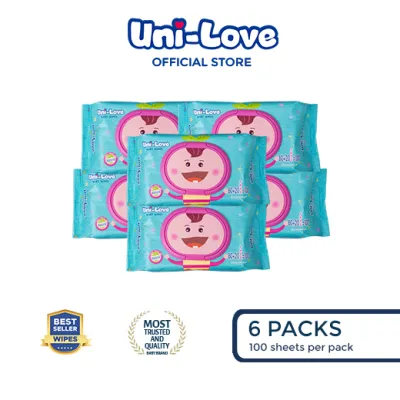
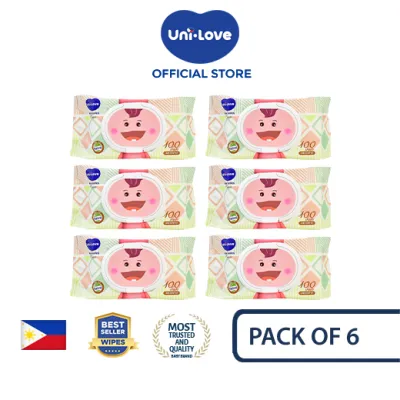
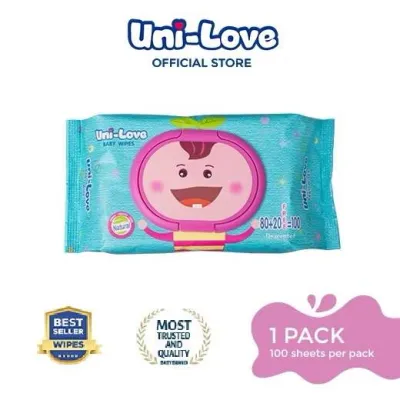
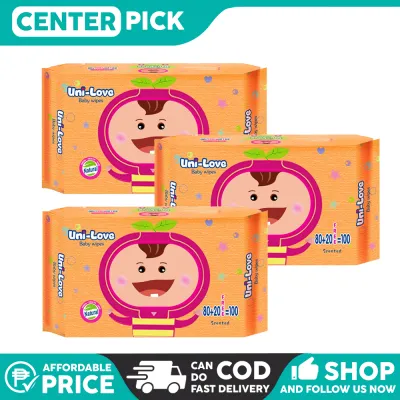
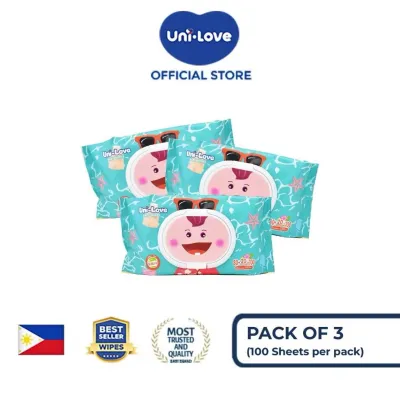
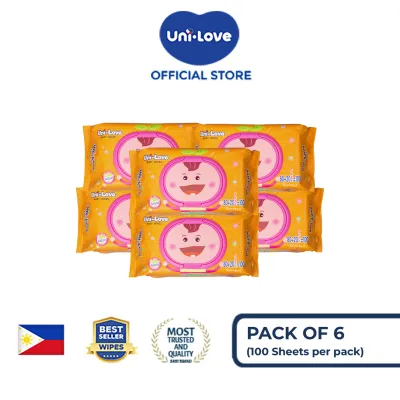
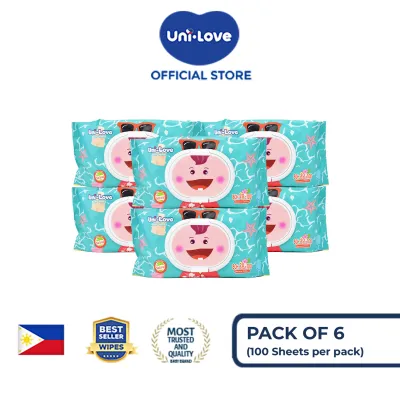
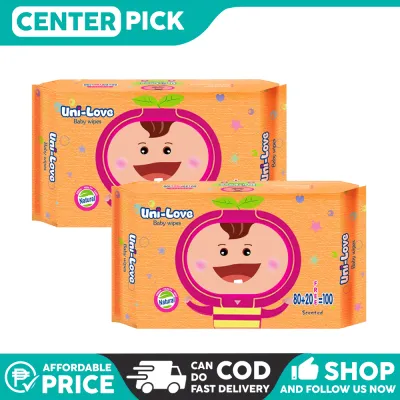
Prices are valid at publication and may change. Please refer to the product page for the latest price.
Ingredient verification is the most critical step in this process. You must carefully read the ingredient list on the back of the packaging to ensure the absence of drying alcohols, parabens, and synthetic fragrances. Drying alcohols can strip away the skin’s natural lipids, leading to severe dryness and cracking. Parabens, often used as preservatives, and synthetic fragrances are well-known allergens that can trigger contact dermatitis in sensitive individuals.
The physical material and texture of the wipe also play a major role in skin health. A high-quality wipe should feel soft to the touch and possess enough thickness to create a protective barrier between your hand and the baby’s skin. Thin, flimsy wipes often require you to use more sheets and apply more pressure, which increases friction. This repeated rubbing can physically abrade the delicate skin barrier, leaving it raw and vulnerable to infections.
Moisture levels and pH balance are equally vital considerations. Healthy baby skin maintains a slightly acidic pH level, which helps defend against harmful bacteria. Baby wipes should be formulated to support this natural pH balance rather than disrupting it. Furthermore, the wipes must hold an optimal amount of moisture—enough to clean thoroughly with a single swipe, but not so much that they leave the skin dripping wet, which can trap moisture in diaper folds and encourage fungal growth in humid tropical climates.
Evaluating Unilove Wipes (100 Sheets) for Sensitive Skin
When assessing Unilove wipes (100 sheets) for sensitive skin, you must look closely at the packaging to verify its specific claims and design features. Because formulations can be updated over time, relying on past experiences or general brand reputation is not enough. A methodical inspection of the current product label is essential before introducing it to your baby’s routine.

Start by verifying the specific label claims printed on the front of the 100-sheet pack. Look for terms such as “hypoallergenic,” “dermatologically tested,” or “suitable for sensitive skin.” Keep in mind that these terms are not always subject to uniform global standards, so they should serve as a helpful indicator rather than an absolute guarantee of safety. You must cross-reference these claims with the actual ingredient list to confirm they align with your standards.
Next, examine the ingredient transparency on the back of the pack. Look for soothing, skin-conditioning agents such as aloe vera, chamomile, or vitamin E, which are commonly added to help calm irritated skin. Ensure that there are no hidden fragrance components, essential oils, or harsh chemical preservatives listed under complex chemical names. A clean, minimal ingredient list is generally safer for babies prone to eczema or skin sensitivities.
The packaging design of the 100-sheet pack is another crucial factor, particularly regarding hygiene and moisture preservation. A larger pack size is highly economical, but it takes longer to finish, meaning the wipes are exposed to the air for a longer period. Inspect the seal quality of the pack; it should feature a sturdy plastic flip-top lid that snaps shut securely, paired with a high-quality adhesive sticker underneath. This double-barrier design is essential in hot, humid environments to prevent the wipes from drying out and to block airborne bacteria or mold from contaminating the remaining sheets.
How to Compare Unilove Against Competing Brands
To make an informed decision, you need a practical framework to compare Unilove wipes against other available options in the market. Comparing products side-by-side allows you to weigh the financial value against the physical performance and chemical safety of each brand.
Begin by calculating the cost per wipe to understand the true economic value of each option. Take the retail price of the pack in Philippine Pesos (₱) and divide it by the total sheet count, such as 100 sheets. Compare this unit price across different brands, including premium organic options and budget-friendly alternatives. This calculation helps you see if a slightly more expensive pack actually offers better long-term value by reducing the frequency of your purchases.
Next, compare the physical size and thickness of the sheets. Pull a single wipe from a Unilove pack and compare its dimensions, stretch, and thickness to a sheet from a competing brand. Note whether the material tears easily when pulled or if moisture seeps through to your fingers during a simulated cleanup. A thicker, larger wipe might have a higher unit cost, but it often allows you to complete a diaper change using only one or two sheets, making it more cost-effective than using multiple thin wipes.
Finally, evaluate the sensory experience, focusing on scent and residue. Even wipes labeled “unscented” can carry a mild scent from their raw ingredients, while others may leave a soapy, sticky, or greasy film on the skin. You can test this by wiping the back of your hand with both Unilove and a competitor’s wipe, letting the liquid air-dry completely. Observe whether your skin feels clean and refreshed, or if it feels tacky and dry, which could indicate the presence of heavy residues that might irritate a baby’s skin over time.
Decision Framework: Which Wipes Should You Choose?
Choosing the right baby wipe involves balancing your baby’s skin sensitivity, your daily usage patterns, and your household budget. By establishing clear decision points, you can confidently select the brand that best meets your family’s needs.
You should choose Unilove wipes if your detailed inspection of the ingredient list meets your safety standards and your baby has shown no previous sensitivity to its formulation. The 100-sheet pack size is highly practical for high-frequency daily use, offering an excellent balance of convenience and affordability for families looking to manage their monthly baby care expenses without compromising on basic hygiene.
You should choose a competing brand if your baby has extremely reactive skin that requires specialized organic certifications, a completely water-based formula with zero botanical extracts, or a specific textured material for easier cleanups. If you find that standard-sized wipes require you to use several sheets per diaper change, investing in a premium brand that offers extra-large, ultra-thick sheets may provide a more efficient and comfortable experience.
You must verify first with a qualified healthcare professional if your baby has a diagnosed skin condition, such as eczema, severe diaper dermatitis, or chronic allergies. Before switching to Unilove or any other brand, consult a pediatrician or pediatric dermatologist. They can help you identify specific ingredients to avoid and recommend medically supervised skincare routines tailored to your baby’s unique needs.
Safe Usage and Monitoring Tips for Sensitive Skin
Introducing a new baby wipe brand requires a cautious approach to prevent widespread skin irritation. Even the mildest formulations can occasionally cause an adverse reaction depending on an individual baby’s skin chemistry.
Always perform a patch test before using a new wipe brand for regular diaper changes. Gently swipe a single wipe over a small, discreet area of your baby’s healthy skin, such as the inner thigh or the inside of the arm. Monitor this specific spot for 24 to 48 hours without introducing any other new skincare products, looking closely for any signs of localized irritation.
Be vigilant in identifying warning signs of skin sensitivity or allergic reactions. If you observe redness, dry or flaky patches, tiny raised bumps, or if your baby shows signs of discomfort or crying during cleanups, stop using the product immediately. These symptoms indicate that the formulation or the physical texture of the wipe is too harsh for your baby’s current skin barrier.
Proper storage is essential to maintain the stability and hygiene of your baby wipes. Keep the 100-sheet pack in a cool, dry place away from direct sunlight and heat sources, which is particularly important in tropical climates. High temperatures can degrade the mild preservatives in the formula, leading to bacterial contamination or mold growth inside the pack. Always ensure the plastic lid is snapped completely shut after every use to lock in moisture and keep the wipes sterile.
Frequently Asked Questions (FAQ)
Can I use Unilove wipes on my baby's face and hands?
Yes, but you must first check the manufacturer’s packaging to confirm if the wipes are explicitly labeled as safe for facial and hand use. Always avoid the delicate eye area and mucous membranes, as these regions have a much thinner skin barrier that is highly sensitive to cleansing agents. If your baby shows any signs of redness, watering eyes, or discomfort, discontinue facial use immediately and rinse the area with plain, clean water.
What ingredients should I strictly avoid in baby wipes?
When reading ingredient lists, you should strictly avoid drying alcohols like ethanol and isopropyl alcohol, which strip away the skin’s natural moisture barrier. Additionally, avoid harsh preservatives such as methylisothiazolinone (MI) and parabens, which are frequently linked to contact allergies and skin sensitization. Finally, steer clear of synthetic fragrances, artificial colorants, and strong essential oils, as these additives serve no functional cleaning purpose and are common triggers for allergic skin reactions.
Community discussion
Share your experience or ask a question. Comments are reviewed before publication.