
Comparing Unilove small wipes to other baby wipe brands for sensitive skin requires looking closely at ingredient transparency, sheet size, and material texture. While Unilove small wipes offer a compact, travel-friendly format that appeals to many parents in the Philippines, their suitability for sensitive skin depends on how your baby’s skin reacts to their specific formulation and the physical friction of a smaller sheet. To make an informed choice, parents must evaluate the chemical ingredients, assess the physical properties of the wipe, and compare the overall value against alternative brands.
In tropical climates like the Philippines, high humidity and heat can exacerbate diaper rash and skin sensitivity, making the choice of baby wipes critical. Sweat and trapped moisture under a diaper can weaken the skin barrier, meaning any harsh chemical or rough texture in a wipe can quickly lead to irritation. Therefore, selecting a wipe is not just about convenience; it is about protecting the skin’s natural defense system.
Key Factors for Choosing Wipes for Sensitive Skin
Evaluating any baby wipe’s suitability for sensitive skin begins with understanding what goes onto your baby’s skin and how the physical wipe interacts with it. The skin barrier of an infant is significantly thinner and more permeable than that of an adult, making it highly susceptible to chemical irritants and mechanical friction. Parents must establish a strict baseline of criteria when shopping for wipes, focusing on ingredients, material construction, and pH balance.
Products mentioned in this guide
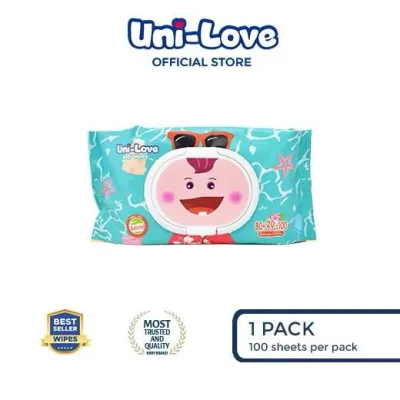
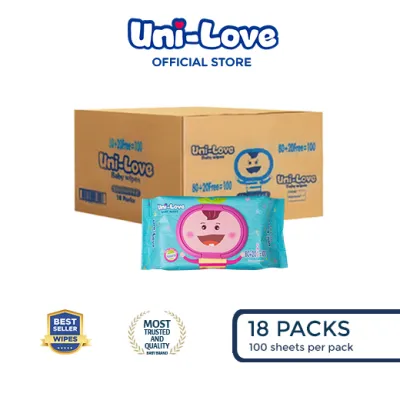
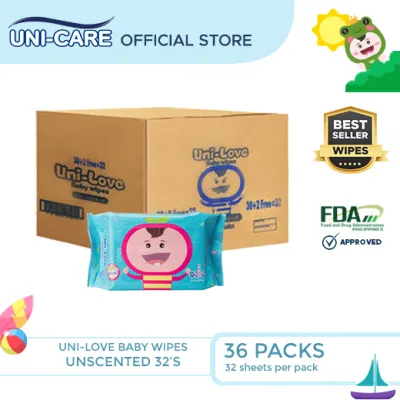
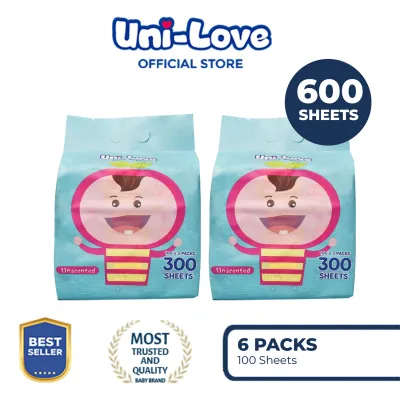
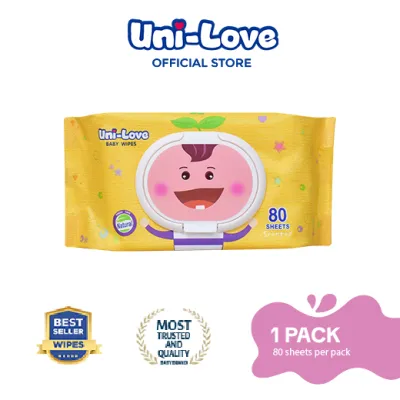
Prices are valid at publication and may change. Please refer to the product page for the latest price.
When reviewing the ingredient checklist on the back of a package, the primary goal is to identify and avoid known contact allergens and irritants. Synthetic fragrances, often listed simply as “parfum” or “fragrance,” are among the most common triggers for allergic contact dermatitis in infants. Alcohol, specifically ethyl alcohol or isopropyl alcohol, should be completely avoided as it strips the skin of its natural lipids, leading to severe dryness and cracking. Additionally, parents should watch out for harsh preservatives such as parabens, phenoxyethanol, and methylisothiazolinone (MIT), which can cause cumulative irritation over repeated uses.
The physical material and texture of the wipe play an equally critical role in skin health. Baby wipes are typically manufactured from non-woven fabrics like spunlace, which combine polyester and viscose fibers. For sensitive skin, a thicker, softer fabric with raised embossing is highly beneficial because it allows caregivers to lift feces and urine with minimal pressure. Thin, smooth wipes often slide over messes without picking them up, forcing the caregiver to rub the skin repeatedly, which increases friction and can micro-tear the delicate epidermal layer.
Moisture levels and pH balance are the final pillars of a safe wipe formulation. Healthy infant skin maintains a slightly acidic pH, typically between 5.5 and 6.0, which helps inhibit the growth of harmful bacteria and fungi. Using wipes that are too alkaline can disrupt this natural acid mantle, especially in warm, humid tropical environments where diaper rash is already a frequent concern. While a high water percentage is desirable to dilute potential irritants, the formula must still contain safe, mild preservatives to prevent the growth of mold and bacteria inside the package once it is opened.
Evaluating Unilove Small Wipes for Sensitive Skin
To determine if Unilove small wipes are a suitable match for your baby’s sensitive skin, you must look closely at their specific product characteristics, packaging claims, and physical dimensions. While the brand is widely recognized for its affordability and accessibility, parents should perform a systematic evaluation rather than relying solely on general popularity. This involves verifying the labels, understanding the practical impact of the smaller sheet size, and observing the physical feel of the wipe.

Start your evaluation with a thorough label verification on the Unilove packaging. Look for explicit claims such as “hypoallergenic,” “alcohol-free,” and “paraben-free,” which indicate that the formulation has been designed to minimize common irritants. However, do not stop at the marketing claims on the front; turn the pack over to inspect the full ingredient list. Verify whether the brand clearly discloses all chemical components, including the specific preservatives used to keep the wipes fresh, and check for the presence of any soothing botanical extracts like aloe vera or chamomile.
The “small” format of these wipes has direct implications for daily use on sensitive skin. A smaller sheet size naturally provides less surface area for cleaning up diaper messes, which means caregivers may need to use multiple sheets per diaper change. If a wipe is too small or thin, it can lead to accidental hand-to-skin contact with waste, or require more folding and wiping motions. This increased handling can inadvertently cause more physical friction on the baby’s skin, which is a key trigger for redness and irritation, particularly during messy cleanups.
Finally, assess the scent and physical feel of the wipes during a trial run. Even if a product is labeled as unscented, observe whether there is any residual chemical odor or masking fragrance that could irritate a highly sensitive baby. Wipe a sheet across the back of your own hand to check for any sticky residue, soapy film, or immediate drying sensation after the liquid evaporates. In hot, humid weather, a wipe that leaves a heavy, sticky layer can trap sweat and moisture against the baby’s skin, potentially leading to heat rash or clogged pores.
Comparing Unilove Against Competing Brands
When comparing Unilove small wipes against other baby wipe brands available in the market, parents should use a structured framework that balances ingredient safety, third-party verification, and overall value. This comparative approach helps move past brand loyalty and focuses on objective metrics that directly affect your baby’s skin health and your household budget.
Ingredient transparency is the first point of comparison. Some premium baby wipe brands offer ultra-minimalist formulas consisting of 99% purified water and a single fruit extract, while others utilize more complex formulations with mild cleansing agents and skin conditioners. Compare how clearly Unilove and its competitors disclose their water purification methods—such as reverse osmosis or multi-stage filtration—and the exact sources of any botanical ingredients. Brands that provide full transparency about their sourcing and manufacturing processes offer greater peace of mind for parents of highly sensitive infants.
Third-party certifications and endorsements serve as valuable benchmarks for safety. Look for independent seals of approval on the packaging of competing brands, such as certifications from allergy research foundations, pediatric dermatological associations, or international safety standards. These endorsements indicate that the product has undergone rigorous independent testing to verify its hypoallergenic claims. Compare whether Unilove small wipes carry similar recognized certifications, or if they rely primarily on self-declared brand testing.
Value and usability must also be weighed carefully, especially when managing daily household expenses. To calculate the true cost, divide the retail price of the pack (in ₱) by the total number of wipes to find the cost per sheet. However, a lower cost per sheet can be misleading if the wipes are thin or dry out quickly. Compare the thickness, durability, and moisture retention of Unilove small wipes against competitors during actual cleanups. A slightly more expensive, thicker wipe that cleans a mess in a single swipe is often more cost-effective—and gentler on sensitive skin—than a cheaper, thinner wipe that requires four or five sheets per change.
How to Test and Transition Wipes Safely
Introducing any new baby wipe brand, including Unilove small wipes, to a baby with sensitive skin requires a cautious, step-by-step approach. Because every baby’s skin chemistry is unique, a product that works perfectly for one infant may still cause a reaction in another. Implementing a safe transition protocol minimizes the risk of widespread skin irritation and helps you identify potential sensitivities early.
Before using a new wipe brand on the highly sensitive diaper area, perform a localized patch test. Select a small, healthy patch of skin on your baby’s body that is easily visible but not prone to heavy sweating, such as the inner forearm or the upper thigh. Gently dab the area with a single fresh wipe from the new pack, ensuring you do not rub or scrub the skin. Allow the liquid from the wipe to air-dry completely without rinsing it off.
Observe the test area closely over a 24 to 48-hour period for any signs of localized irritation. Watch for the appearance of redness, tiny raised bumps, dry or flaky patches, or swelling. Additionally, pay attention to your baby’s behavior; if they scratch at the test area or show signs of discomfort when the spot is touched, it may indicate itching or burning. If the skin remains completely clear and normal after 48 hours, you can proceed to use the wipes on other parts of the body.
If you observe any adverse reaction during the patch test or during regular use, stop using the wipes immediately. Gently cleanse the affected skin with lukewarm water and a soft, clean cloth to remove any remaining residue, then pat the area dry. Avoid applying heavily fragranced lotions or creams to the irritated skin. If the redness, rash, or swelling persists, spreads, or causes your baby significant distress, consult a qualified pediatrician or pediatric dermatologist for professional medical advice.
Frequently Asked Questions (FAQ)
Can I use regular baby wipes if my baby does not show immediate redness?
Yes, but caution is advised because skin sensitivity can be cumulative rather than immediate. Some chemical ingredients, such as mild fragrances or low-grade preservatives, may not trigger an obvious red rash after a single use, but they can gradually wear down the skin’s natural protective barrier over several days or weeks. This gradual disruption can eventually lead to chronic dryness, micro-tears, and sudden flare-ups of diaper rash. For babies with sensitive skin, it is safer to consistently use gentle, irritant-free formulations even in the absence of immediate symptoms.
Are water wipes always the best choice for sensitive skin?
While wipes with a very high water content are excellent for minimizing chemical exposure, they are not always the perfect solution for every situation. High-water wipes often lack the mild cleansing agents needed to easily break down oily or sticky stools, which can force caregivers to use more physical friction and rubbing during cleanups. Additionally, because water is highly prone to bacterial growth, even water-heavy wipes must contain safe, mild preservatives to ensure they remain sterile inside the packaging. Parents should balance water content with the physical softness of the fabric and the safety of the preserving agents.

Community discussion
Share your experience or ask a question. Comments are reviewed before publication.