
Selecting the right moisturizer for your baby’s delicate skin is a balancing act that requires matching product formulations with environmental conditions and your household budget. In the Philippines, where tropical heat and high humidity are constant factors, finding a product that provides adequate hydration without clogging pores or causing heat rash is essential. Unilove Moisturizing Cream has become a popular choice among local parents seeking an affordable, daily-use skincare option. However, determining whether it is the right fit for your little one requires a careful comparison against other baby lotions on the market.
Rather than searching for a single, universally superior product, parents should focus on understanding their baby’s specific skin profile and how different formulations interact with the local climate. While some babies thrive with lightweight, fast-absorbing lotions, others with dry or sensitive skin may require richer creams or specialized dermatological formulas. By evaluating key criteria such as ingredient safety, texture, packaging hygiene, and cost-effectiveness, you can establish a practical skincare routine that keeps your baby’s skin barrier healthy and comfortable.
Identifying Your Baby's Specific Skin Needs
Before comparing specific brands, it is crucial to assess your baby’s current skin condition, as this dictates the type of moisturizer they require. A baby’s skin barrier is significantly thinner and more sensitive than an adult’s, making it highly susceptible to moisture loss and environmental irritants. Normal baby skin typically feels smooth, soft, and resilient, requiring only a light, daily lotion to maintain its natural moisture balance after bath time.
Products mentioned in this guide
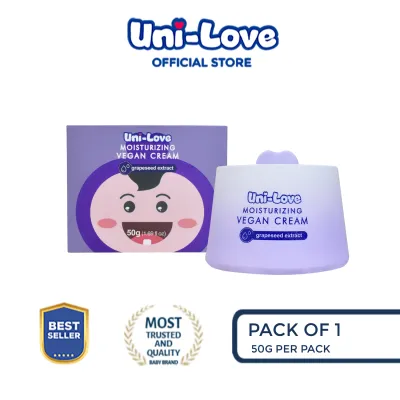
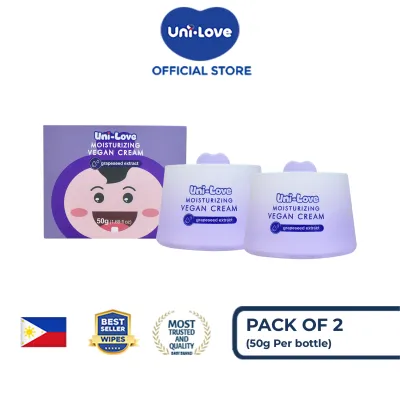
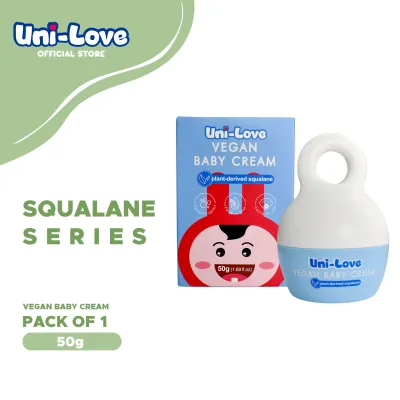
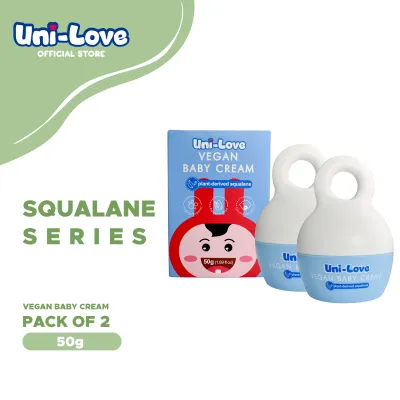
![UniLove Vegan Baby Cream 50g [Expiry on October 29 2026]](https://img.lazcdn.com/g/p/f6d9d156e4c010baa9860b0010e165cc.jpg_400x400q80.jpg_.webp)
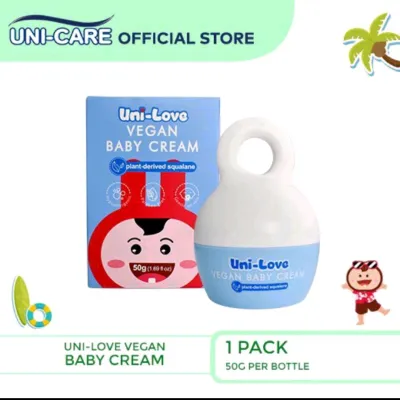
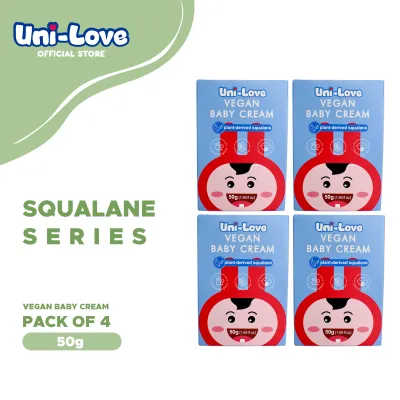
Prices are valid at publication and may change. Please refer to the product page for the latest price.
Dry skin, on the other hand, may present as rough patches, flakiness, or mild scaling, particularly on the cheeks, elbows, and knees. This condition often worsens in air-conditioned environments, which strip moisture from the air and the skin. For babies with dry skin, a thicker moisturizing cream is generally more effective than a thin lotion, as it provides a more robust barrier to lock in hydration.
Sensitive or eczema-prone skin requires the most cautious approach. Eczema often manifests as intense redness, dry patches, and persistent itching that can disrupt your baby’s sleep and comfort. If you notice signs of severe irritation, cracked skin, oozing, or potential infection, you should stop using over-the-counter moisturizers immediately and consult a pediatrician or pediatric dermatologist for a targeted treatment plan.
The tropical climate of the Philippines adds another layer of complexity to baby skincare. High temperatures and humidity can lead to excessive sweating, which may cause heat rash, locally known as bungang-araw, if heavy, occlusive creams are applied too generously. Conversely, frequent transitions between hot outdoor air and cool, dry air-conditioned indoor spaces can stress the skin barrier, making a versatile, quick-absorbing moisturizer highly beneficial for daily maintenance.
Core Criteria for Comparing Baby Lotions
When evaluating Unilove Moisturizing Cream alongside other baby lotions, reading the ingredient label is the most reliable way to assess safety and suitability. Parents should look for gentle, nourishing ingredients such as glycerin, ceramides, or natural plant-derived emollients that support the skin barrier. It is equally important to identify and avoid potential irritants, including synthetic fragrances, artificial dyes, parabens, and harsh preservatives, which can trigger allergic reactions or contact dermatitis in sensitive babies.

Texture and absorption rates play a significant role in how comfortable a product feels on your baby’s skin throughout the day. Baby lotions are typically water-based, lightweight, and fast-absorbing, making them ideal for daytime application in warm weather. Moisturizing creams have a lower water content and a thicker consistency, offering longer-lasting hydration that is well-suited for nighttime use or air-conditioned rooms. Ointments are the thickest, oil-based formulations, designed to treat localized dry patches or diaper area irritation, though they can feel uncomfortably greasy in hot weather.
Packaging and hygiene are practical considerations that are often overlooked but highly impact product safety. Pump dispensers are highly recommended because they minimize air exposure and prevent direct hand contact with the remaining product, reducing the risk of bacterial contamination. Squeeze tubes are also hygienic and convenient for travel or diaper bags. In contrast, tubs or jars require you to scoop the cream out with your fingers, which can introduce bacteria into the product unless you strictly use clean spatulas or wash your hands thoroughly before every use.
Decision Framework: Matching Products to Skin and Lifestyle
To choose the right moisturizer without relying on unverified marketing claims, you can use a conditional decision framework that aligns product characteristics with your baby’s specific needs and your family’s lifestyle.
You may want to choose Unilove Moisturizing Cream if your baby has normal to mildly dry skin and tolerates its specific formulation well. This product is often favored by parents who prefer a cream texture that provides reliable hydration without feeling excessively heavy or greasy in tropical weather. It is a practical option for daily, post-bath maintenance when your baby does not require specialized medical skincare.
You should choose specialized dermatological alternatives if your baby has diagnosed eczema, severe dryness, or highly reactive skin. These formulations are typically fragrance-free, hypoallergenic, and enriched with barrier-repairing ingredients like ceramides and colloidal oatmeal. While these clinical brands generally come at a higher price point, they are specifically designed to soothe compromised skin barriers and reduce flare-ups under professional guidance.
You might choose standard supermarket brands if your baby has resilient, normal skin and you require a high-volume, cost-effective lotion for frequent, full-body application. These widely available options are convenient for quick purchases during regular grocery trips and allow you to apply generous amounts of lotion throughout the day without worrying about high replacement costs.
Regardless of the product you select, always verify compatibility by performing a patch test before full-body application. Apply a small, pea-sized amount of the moisturizer to a clean patch of skin on your baby’s inner arm or leg and monitor the area for 24 to 48 hours. If any redness, swelling, or irritation occurs, discontinue use immediately and consult your pediatrician.
Assessing Budget and Purchasing Channels
Evaluating the true value of baby skincare products requires looking beyond the initial price tag on the shelf. To compare different brands and bottle sizes accurately, calculate the cost per milliliter by dividing the retail price (in ₱) by the total volume of the product in milliliters (ml). This simple calculation often reveals that larger pump bottles or multi-pack bundles offer significantly better long-term value than smaller squeeze tubes, even if the upfront cost is higher.
When purchasing baby moisturizers in the Philippines, verifying product authenticity is critical to ensure safety and quality. Counterfeit skincare products can contain unauthorized ingredients or contaminants that pose serious health risks to your baby. To ensure you are buying genuine products, purchase directly from official brand stores, authorized local pharmacies, or verified flagship stores on reputable e-commerce platforms.
When shopping online, look for platform-verified seller badges, read customer reviews carefully, and inspect photos of the physical packaging shared by other buyers. Upon receiving your order, check that the safety seals are intact, the batch codes are clearly printed, and the expiration dates are valid. Additionally, factor in shipping fees and potential bulk-buy promotions, as ordering multiple units of a trusted product can help offset delivery costs and lower your overall household expenses.
Frequently Asked Questions (FAQ)
Can I use adult moisturizers on my baby in a pinch?
It is generally not recommended to use adult moisturizers on babies, even as a temporary solution. Adult skincare products are formulated for thicker, less permeable skin and often contain active ingredients such as retinoids, exfoliating acids, strong chemical sunscreens, or intense synthetic fragrances that can easily penetrate a baby’s thin skin barrier, leading to severe irritation, redness, or allergic contact dermatitis. If you run out of baby lotion and need a safe, temporary alternative, a thin layer of pure, 100% petroleum jelly or food-grade virgin coconut oil (provided your baby has no known coconut allergy) can safely protect the skin barrier until you can obtain a proper baby-safe moisturizer.
How often should I apply moisturizer to my baby's skin?
For daily maintenance, applying moisturizer once a day is typically sufficient for babies with normal skin. The ideal time to apply lotion or cream is within three minutes after a bath, while the skin is still slightly damp, as this helps lock in the moisture from the bathwater. For babies with dry or sensitive skin, or those who spend several hours in air-conditioned rooms, you may need to reapply the moisturizer two to three times a day, focusing on exposed areas like the face, hands, and legs. However, during periods of extreme heat and humidity, monitor your baby’s skin closely and reduce the frequency or thickness of application if you notice signs of sweat rash or clogged pores.

Community discussion
Share your experience or ask a question. Comments are reviewed before publication.