
When choosing wipes for a baby with sensitive skin, the best option depends on specific ingredient profiles, material thickness, and your baby’s individual skin reactions. Since formulations and product lines frequently update, there is no single universal winner. Instead of relying on general brand reputation, this guide provides a practical framework to compare Unilove baby wipes against other commonly available brands by checking labels, verifying safety claims, and conducting safe patch tests to find the most suitable box for your child’s daily care.
In a warm and humid tropical climate like the Philippines, sweat and friction can easily compromise a baby’s delicate skin barrier. This makes their skin highly reactive to harsh chemicals, artificial fragrances, and rough textures. Finding a wipe that cleans effectively without causing redness or irritation requires looking past marketing claims and focusing on observable product details.
Key Evaluation Criteria for Sensitive Skin Wipes
When caring for a baby with sensitive skin, establishing a clear set of criteria helps you evaluate any brand objectively. The first and most critical step is examining the ingredient list. For sensitive skin, simplicity is key; you want to identify and avoid common irritants such as ethyl alcohol, synthetic fragrances, parabens, and strong chemical preservatives like methylisothiazolinone (MIT). Fragrances, even those labeled as mild or natural, are frequent triggers for contact dermatitis in infants.
Products mentioned in this guide
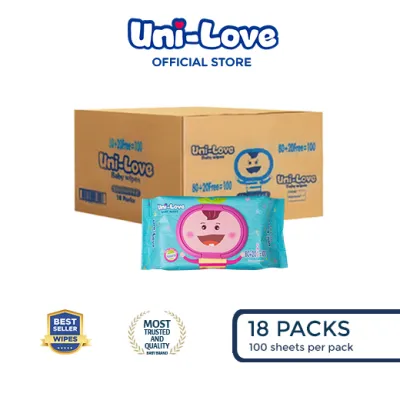
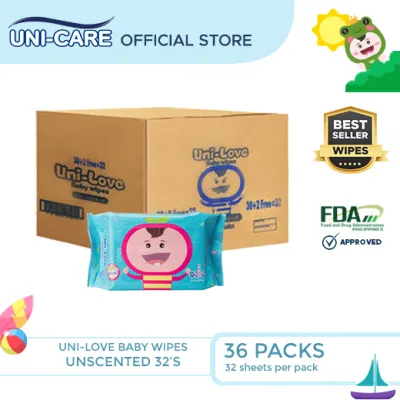
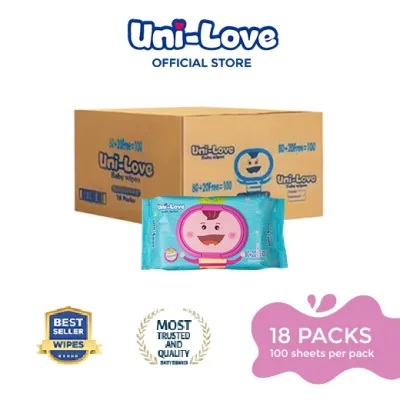
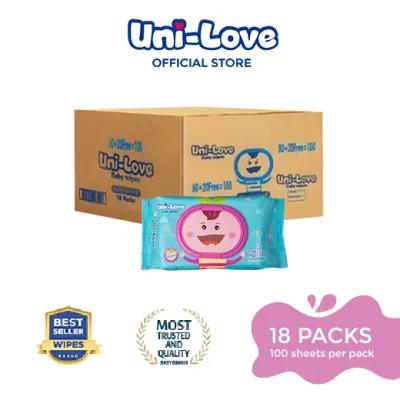
Prices are valid at publication and may change. Please refer to the product page for the latest price.
The physical material and texture of the wipe also play a significant role in skin health. A wipe that is too thin or rough requires more passes and harder rubbing to clean a diaper area, which increases friction and leads to redness. Look for thick, embossed fabrics that lift residue gently in fewer wipes, minimizing physical irritation to the skin.
Finally, consider the moisture level and pH balance of the formulation. A high water content is essential for gentle cleansing, but the solution must also support the skin’s natural acid mantle. Healthy baby skin typically has a slightly acidic pH, so wipes formulated to match this balance help maintain the skin’s natural defenses against bacteria and wetness.
Unilove Baby Wipes: Label and Specification Checks
Before purchasing a Unilove baby wipes box, it is important to verify the specific product details directly from the packaging. Formulations can vary across different product lines—such as their unscented, aloe, or premium variants—so you must read the exact ingredient list printed on the back of the specific pack you intend to buy.

When inspecting a Unilove pack, look for the presence of soothing ingredients like aloe vera or vitamin E, which are often added to support skin hydration. At the same time, cross-reference the full ingredient list to ensure there are no hidden synthetic perfumes or drying alcohols. If your baby has highly reactive skin, choosing their explicitly unscented variant is generally a safer starting point.
Next, check the packaging for specific safety labels, such as hypoallergenic or dermatologically tested marks. Keep in mind that these terms are not universally standardized, so they should serve as a helpful indicator rather than a definitive guarantee of safety. Always verify if the product documentation or packaging lists any age restrictions or specific usage warnings.
Physical specifications are also key to daily usability and value. Check the sheet dimensions and the thickness indicated on the packaging to ensure the wipes are large and sturdy enough for your needs. Additionally, inspect the plastic lid and resealable sticker; a secure, airtight seal is essential in a tropical climate to prevent the entire box from drying out before you can use it.
Unilove vs. Other Popular Brands: A Comparison Framework
To make an informed decision, parents can compare Unilove with other popular brands available in local supermarkets and online marketplaces. A structured comparison helps you look past marketing claims and focus on observable product characteristics that directly impact your baby’s skin and your household budget.
Start by comparing ingredient simplicity. Lay a pack of Unilove wipes next to a competing brand and count the number of ingredients listed. Generally, a shorter list means fewer chemical compounds coming into contact with your baby’s skin, reducing the statistical likelihood of an allergic reaction. Note whether the alternative brands use alternative preservatives or botanical extracts that your baby might be sensitive to.
Next, perform a practical value assessment by calculating the cost per wipe. Because wipes are sold in various packaging sizes—ranging from travel packs of 20 to large bulk boxes of 80 or more—comparing the upfront price can be misleading. Divide the total price of the pack or box by the number of sheets inside to find the cost per wipe in ₱. This allows you to see if Unilove offers a genuine budget advantage over premium sensitive-skin brands.
Usability factors also differ significantly between brands. Pay attention to how the wipes dispense from the opening. Some brands suffer from clumping, where pulling one wipe drags out three or four others, leading to waste and frustration during a messy diaper change. Compare the lid design of Unilove with other brands; a sturdy, rigid plastic flip-top lid generally preserves moisture much better over time than a simple adhesive sticker.
Safe Testing Routine for New Wipe Brands
No matter how gentle a wipe’s ingredients appear on paper, your baby’s skin is the ultimate test. Before using a new brand like Unilove—or any other competitor—extensively during diaper changes, you should perform a controlled patch test at home to rule out immediate sensitivities.
To conduct a patch test, select a small, healthy patch of skin on your baby’s inner arm or thigh. Gently swipe the new wipe across this area once and let the liquid air dry. Do not apply any other lotions, creams, or powders to this specific spot during the testing period so you can isolate the wipe’s effects.
Observe the tested area closely over a 24-hour to 48-hour window. Look for any visible signs of irritation, such as localized redness, tiny raised bumps, dry patches, or swelling. Because some contact allergies take time to manifest, a single immediate check is not sufficient; monitoring the skin over two full days provides a much more reliable indicator of compatibility.
If you notice any adverse reactions, immediately discontinue using that specific wipe brand. Wash the affected area gently with plain, lukewarm water and pat it dry with a clean cotton towel. If the redness persists, spreads, or causes your baby obvious discomfort, consult a pediatrician or a pediatric dermatologist for professional guidance and treatment.
Decision Guide: Which Wipe Fits Your Baby?
Choosing between Unilove and other popular brands ultimately comes down to matching the product’s specifications with your baby’s unique skin tolerance and your family’s daily routine.
You may want to choose a Unilove baby wipes box if you find that its specific ingredient list agrees with your baby’s skin during patch testing, and you prefer a thick, textured wipe that fits comfortably within a moderate household budget. It is a practical choice for parents looking for reliable daily cleansing without a premium price tag.
On the other hand, you might opt for an alternative brand if your baby requires a completely water-only formulation, or if you prefer a specific dispensing design that prevents sheet clumping more effectively. Some premium brands offer specialized certifications or organic cotton materials that may better suit parents prioritizing those specific features.
If your baby has a diagnosed skin condition, such as eczema, atopic dermatitis, or severe diaper rash, do not switch brands or introduce new wipes without consulting a healthcare professional first. In severe cases, a pediatrician may recommend avoiding commercial wipes entirely in favor of sterile cotton balls and plain water until the skin barrier heals.
Frequently Asked Questions (FAQ)
Can I use baby wipes on a newborn's face?
While many baby wipes are marketed as gentle, the skin on a newborn’s face is significantly thinner and more sensitive than the skin on their bottom. You should check the product label carefully to see if the manufacturer explicitly approves facial use. If the label does not state this, or if your newborn has highly reactive skin, it is safer to avoid using wipes on their face. Instead, use plain lukewarm water and sterile cotton pads or a soft, damp washcloth to clean their face, mouth, and hands to minimize the risk of irritation.
How to estimate the right box size for your needs?
Estimating the right box size depends on your baby’s age and how often you change their diapers. Newborns typically require 10 to 12 diaper changes a day, which can easily consume 30 to 40 wipes daily. For older infants, this number usually drops to 6 to 8 changes per day. While buying a large bulk box of wipes offers a lower cost per sheet, consider how quickly you will use them. In hot, tropical climates, opened packs can dry out or lose their freshness if left unused for too long, so balance bulk savings against your actual weekly consumption.

Community discussion
Share your experience or ask a question. Comments are reviewed before publication.