
Choosing the right baby wipe is a critical decision for parents in the Philippines, where the tropical climate and high humidity can make sensitive baby skin more prone to irritation, heat rash, and diaper discomfort. Tender Care wipes have long been a familiar option on local supermarket shelves, known for their gentle branding and accessibility. However, determining how they truly compare to other popular baby wipe brands requires a closer look at their formulation, physical design, and overall value.
Parents often face a confusing array of options, each claiming to be the mildest or most natural choice for delicate skin. To find the best fit for your baby, you must look beyond front-label marketing and evaluate the specific ingredients, material thickness, and moisture retention of each product. This comparative guide establishes a practical framework to help you analyze Tender Care wipes alongside alternative brands, ensuring your choice supports your baby’s skin health.
Key Factors for Evaluating Sensitive Skin Baby Wipes
When assessing baby wipes for sensitive skin, the primary objective is to minimize the risk of contact dermatitis and skin barrier disruption. A baby’s skin barrier is significantly thinner and more permeable than an adult’s, making it highly susceptible to chemical irritants and physical friction. Therefore, the ideal wipe must perform its cleaning function without stripping away natural lipids or leaving behind harsh chemical residues.
Products mentioned in this guide
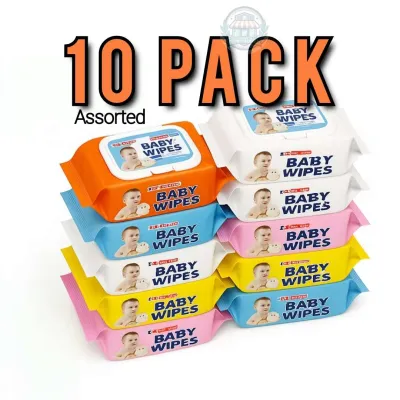
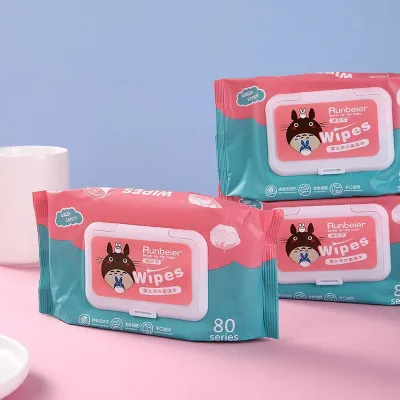
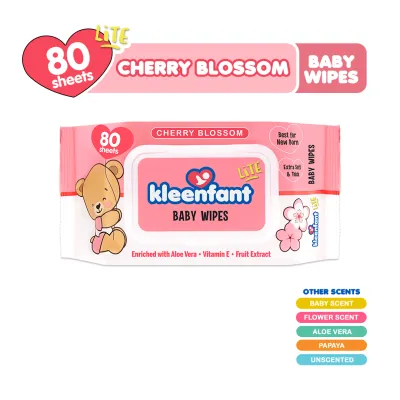
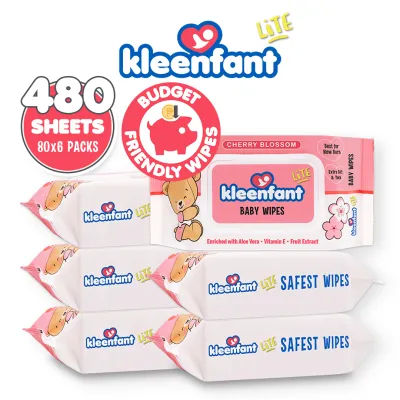
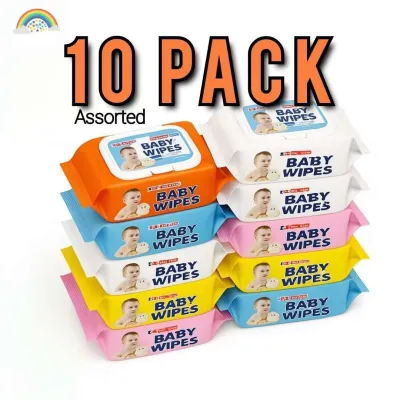
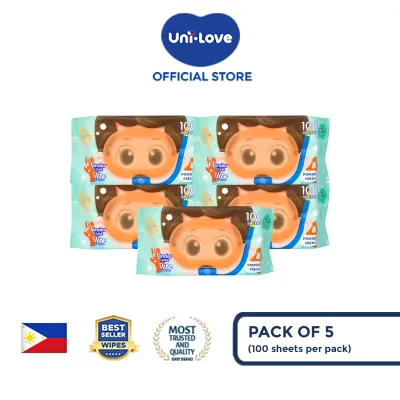
Prices are valid at publication and may change. Please refer to the product page for the latest price.
To achieve this, look for formulations that are explicitly pH-balanced to match the natural, slightly acidic pH of healthy skin, which typically ranges between 4.5 and 5.5. Maintaining this acidic mantle is crucial because it helps inhibit the growth of harmful bacteria and supports the skin’s natural defense mechanisms. Wipes that are too alkaline can disrupt this balance, leading to dryness, redness, and increased vulnerability to diaper rash.
Furthermore, a truly sensitive-skin-friendly wipe should be completely free from alcohol and synthetic fragrances. Alcohol is highly dehydrating and can cause an immediate burning sensation on irritated skin, while added fragrances are among the most common triggers for allergic contact dermatitis in infants. Even natural essential oils can sometimes provoke reactions in highly sensitive individuals, making scent-free options the safest baseline.
It is vital to look past front-label marketing buzzwords such as “hypoallergenic,” “organic,” or “dermatologically tested.” These terms are often used loosely for marketing purposes and are not always backed by standardized regulatory definitions. Instead, train yourself to read the full ingredient list on the back of the packaging to verify exactly what substances will be coming into contact with your baby’s skin.
Finally, look for recognized skin safety certifications or official endorsements from pediatric dermatologist associations on the packaging. Certifications from independent dermatological institutes or seals of approval from national eczema associations provide an extra layer of reassurance. These symbols indicate that the product has undergone rigorous safety evaluations and clinical testing to verify its compatibility with compromised skin barriers.
Ingredient and Formulation Check: Tender Care vs. Alternatives
To evaluate Tender Care wipes against other brands, start by examining the back label of the packaging to identify the primary cleansing agents, preservatives, and soothing ingredients. Tender Care formulations typically emphasize mildness, but you must verify the specific preservatives used to keep the wipes free from mold and bacteria. Safe preservation is necessary, but the choice of preservative determines whether a wipe is suitable for reactive skin.

When comparing Tender Care to alternative brands available in local supermarkets or online marketplaces, create a simple mental checklist of key ingredients. Look for the presence of soothing botanical extracts, such as aloe vera, chamomile, or calendula, which can help calm minor skin irritation. Conversely, scan the list for potential irritants like parabens, phenoxyethanol, and formaldehyde-releasing preservatives, which are increasingly avoided in modern baby skincare formulations.
Many premium sensitive-skin wipes utilize a simplified ingredient list, sometimes consisting of over 99% purified water combined with a tiny fraction of a mild fruit extract or food-grade preservative. When comparing Tender Care to these water-based alternatives, observe how many chemical compounds are listed on each package. A shorter ingredient list generally translates to a lower probability of triggering an allergic reaction or skin sensitivity.
Be particularly cautious about the presence of phenoxyethanol, a preservative commonly used in cosmetics and personal care products. While it is generally considered safe in low concentrations, some pediatricians and dermatologists recommend avoiding it for newborns or infants with highly reactive skin or eczema. Comparing the preservative systems of Tender Care and its competitors will help you identify which brand aligns best with your family’s ingredient preferences.
Additionally, check for the inclusion of moisturizing agents like glycerin or panthenol, which help draw moisture into the skin and reinforce the skin barrier during cleaning. A well-formulated wipe should not only clean away waste but also leave behind a micro-thin protective layer of hydration. Compare how different brands balance their cleansing surfactants with these skin-conditioning agents to prevent post-wipe dryness.
Material, Texture, and Moisture Levels
The physical performance of a baby wipe is just as important as its chemical formulation. A wipe that is too thin or tears easily can lead to messy diaper changes and require you to use multiple sheets at once, which increases both frustration and overall product consumption. When evaluating Tender Care wipes against other options, pay close attention to the thickness, tensile strength, and elasticity of the fabric.
Wipe texture plays a significant role in cleaning efficiency. Smooth wipes are gentle and slide easily over the skin, making them ideal for wiping away liquid messes or cleaning sensitive facial areas. Textured wipes, which often feature raised patterns or embossed dots, are designed to grab and lift solid waste more effectively with fewer passes. Consider whether your baby’s skin tolerates the physical friction of textured wipes or if an ultra-smooth material is necessary to prevent redness.
Moisture level is another critical factor that directly impacts cleaning performance. If a wipe is too dry, it will drag against the skin, causing friction-induced irritation and failing to clean effectively. If it is oversaturated, it can leave the diaper area excessively wet, creating a damp environment that promotes the growth of yeast and bacteria under the diaper. The ideal wipe should feel damp but not dripping, releasing just enough moisture to dissolve waste easily.
Because individual preferences and baby skin types vary, it is highly recommended to purchase single travel packs of Tender Care and a few alternative brands before committing to bulk boxes. This allows you to perform a hands-on evaluation of their physical properties in your daily routine. You can assess how easily the wipes pull out of the dispenser, whether they tear under pressure, and how many sheets are typically required per diaper change.
To ensure safety before widespread use, perform a simple patch test with any new wipe brand. Gently swipe a single wipe on a small, clean area of your baby’s inner forearm or thigh once or twice a day for two to three days. Observe the area closely for any signs of redness, swelling, or tiny bumps. If the skin remains clear, the wipe is likely safe to use on more sensitive areas like the diaper region. Stop use immediately and consult a qualified professional if any adverse reaction occurs.
Price, Packaging, and Accessibility in the Philippines
In the Philippines, budget and accessibility are practical considerations that heavily influence long-term purchasing decisions. To perform an accurate financial comparison between Tender Care and other brands, do not rely solely on the retail price of a single pack. Instead, calculate the cost per individual wipe by dividing the total price of the package by the number of sheets contained inside (₱ price / sheet count).
This calculation often reveals that larger bulk packs or multi-packs offer a significantly lower cost per wipe than smaller travel packs. Tender Care is widely recognized for its competitive pricing, making it a highly budget-friendly option for many Filipino households. However, some alternative brands, particularly local house brands or bulk-imported sensitive wipes, may offer comparable value when purchased in larger quantities.
Packaging design is another crucial factor, especially in the warm, tropical climate of the Philippines, where open packs can dry out rapidly. Wipes packaged with a rigid plastic flip-top lid generally preserve moisture much better and are easier to open and close with one hand during a diaper change. In contrast, packs that rely solely on a resealable adhesive sticker tend to lose their stickiness over time due to dust, lint, and humidity, leading to premature drying of the remaining wipes.
When comparing brands, evaluate the durability and seal quality of their packaging. If you prefer a brand that only offers adhesive sticker closures to save on costs, consider investing in a dedicated, reusable airtight wipe dispenser. This allows you to buy budget-friendly refill packs without worrying about the wipes drying out before you can use them.
Accessibility is another area where Tender Care typically excels, as it is widely stocked in major local supermarkets, department stores, neighborhood drugstores, and authorized online storefronts across the Philippines. Some specialized sensitive-skin or organic wipe brands may only be available in high-end baby boutiques or specific online marketplaces. Consider whether you can easily replenish your supply of a chosen brand during a routine grocery run or if you must rely on shipping times and delivery fees.
How to Choose the Right Wipe for Your Baby's Skin
To finalize your decision, use a structured, conditional framework that balances your baby’s specific skin needs with your household budget and convenience preferences. No single baby wipe is universally perfect for every infant, so your choice should be guided by observable skin reactions and practical usage patterns.
Choose Tender Care wipes if you are looking for an affordable, highly accessible everyday wipe that is easy to find in local Philippine stores, and if your baby has normal to slightly sensitive skin that does not react to standard mild formulations. They are an excellent choice for families seeking a reliable, budget-friendly option for routine cleanups and diaper changes.
Choose an alternative brand if your baby has extremely reactive skin, a history of contact allergies, or if you strictly prefer a minimalist, water-based formulation with zero added preservatives like phenoxyethanol. You may also want to look at alternatives if you prefer a highly textured, extra-thick wipe that minimizes the number of sheets used per diaper change, or if you specifically require a brand with a rigid plastic lid for superior moisture retention.
Verify first with a pediatrician or pediatric dermatologist if your baby has been diagnosed with infantile eczema, severe diaper rash, or open skin lesions. In these cases, even the mildest commercial wipes can cause discomfort or delay healing. A qualified medical professional can recommend specialized therapeutic cleansing routines, which may involve temporarily using only warm water and sterile cotton balls until the skin barrier recovers.
Ultimately, the best baby wipe is the one that keeps your baby’s skin clean, calm, and free from irritation while fitting seamlessly into your family’s daily routine and budget. By systematically evaluating ingredients, physical performance, packaging quality, and cost per wipe, you can confidently select a product that protects your baby’s delicate skin barrier.
Frequently Asked Questions (FAQ)
Can I use baby wipes on my newborn's face and hands?
You should always check the manufacturer’s packaging to verify if the wipes are explicitly labeled as safe for use on the face and hands. The skin on a newborn’s face is thinner and more sensitive than the skin on their diaper area, and wipes formulated strictly for diaper changes may contain ingredients that can irritate the eyes or mouth. If your baby has highly reactive skin, or if the wipe packaging does not clearly state that facial use is safe, it is best to use a soft, clean washcloth dampened with plain, lukewarm water for facial cleanups.
How should I store baby wipes to prevent them from drying out?
To maintain the moisture and effectiveness of your baby wipes, store the packages in a cool, dry place away from direct sunlight, heat sources, and humid bathroom areas. Always ensure that the plastic flip-top lid or adhesive seal is pressed down firmly and sealed completely after every single use to prevent moisture from evaporating. If the original packaging has a damaged seal or lacks a secure closure mechanism, consider transferring the wipes to a reusable, airtight wipe dispenser or a zip-top storage bag to keep them fresh.

Community discussion
Share your experience or ask a question. Comments are reviewed before publication.