
Finding the right small wipes for a baby with sensitive skin in the Philippines requires balancing gentle ingredients with the realities of a warm, humid climate. In tropical conditions, sweat and friction can easily compromise a baby’s delicate skin barrier, making diaper rash a frequent concern. While many brands claim to offer the gentlest solution, the ideal choice is never universal. Instead, the best portable wipe depends on your baby’s unique skin triggers, how often you travel, and how well a product’s formulation handles the heat.
When evaluating travel-sized or small wipe packs, caregivers must look beyond marketing buzzwords. This comparison focuses on the core factors that determine a wipe’s suitability: formulation types, ingredient transparency, physical material, and the practical design of portable packaging. By understanding what goes into these products and how they interact with reactive skin, you can make an informed decision that keeps your baby comfortable during quick trips and daily errands.
What Defines a "Gentle" Wipe for Sensitive Skin?
A truly gentle wipe must respect the natural physiology of a baby’s skin. A newborn’s skin barrier is significantly thinner and more permeable than an adult’s, making it highly susceptible to environmental irritants and chemical absorption. In a humid climate, where sweat can accumulate in skin folds, maintaining a healthy skin barrier is the first line of defense against painful rashes and infections.
Products mentioned in this guide
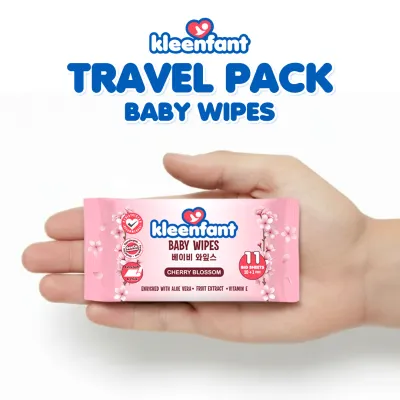
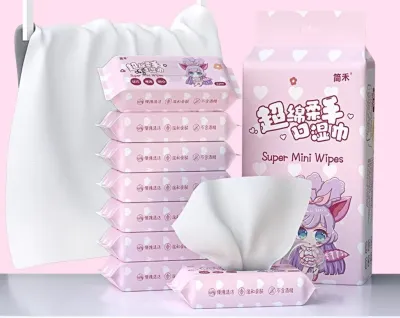
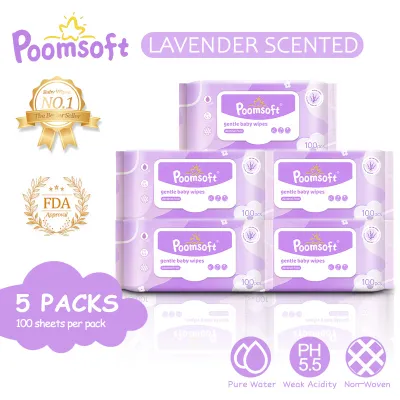
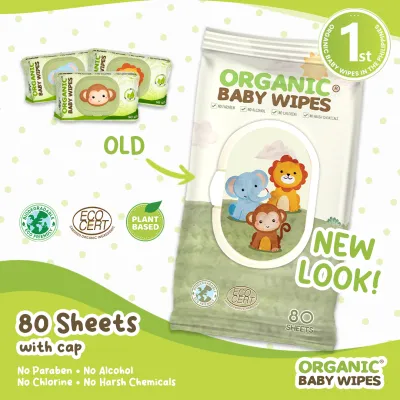
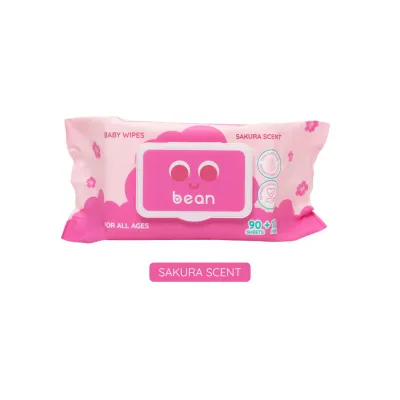
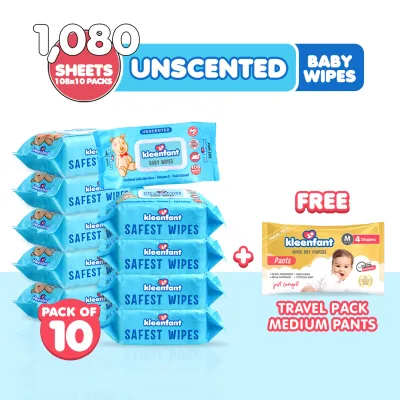
Prices are valid at publication and may change. Please refer to the product page for the latest price.
The primary factor in skin barrier protection is pH balance. Healthy baby skin typically maintains a slightly acidic pH level, which helps ward off harmful bacteria and preserves the integrity of the lipid barrier. Gentle wipes are formulated to match or support this natural acidity. When a wipe is too alkaline, it can disrupt this delicate balance, stripping away natural oils and leaving the skin dry, inflamed, and vulnerable to yeast or bacterial overgrowth.
In addition to pH, the simplicity of the ingredient list is a critical indicator of gentleness. For babies with reactive skin, every additional chemical, preservative, or botanical extract represents a potential trigger for contact dermatitis. A minimal, transparent ingredient list reduces the statistical likelihood of an allergic reaction. When a manufacturer clearly discloses every component, parents can easily cross-reference the label with known sensitivities.
Finally, the physical characteristics of the wipe material play a major role in skin health. Friction is a primary cause of diaper area irritation, especially during frequent cleanups. Wipes with an embossed or textured surface can trap and lift messes more efficiently, reducing the need for repetitive wiping and harsh scrubbing. The thickness of the material also matters; thicker wipes provide a protective cushion between your hand and the baby’s skin, ensuring a thorough clean with minimal pressure.
Comparing Common Small Wipe Formulations for Sensitive Babies
When browsing the baby care aisle or scrolling through local ecommerce platforms, you will encounter several distinct categories of small wipes. Small or travel-sized packs are highly convenient for diaper bags, strollers, and car glove compartments, but their compact size means they are opened frequently and exposed to varying temperatures. To choose the right formulation, caregivers can use a simple decision framework based on their baby’s specific skin condition.

For babies with highly reactive skin or active eczema flare-ups, water-based formulations are often the safest starting point. For daily, reliable use on skin that is sensitive but not highly reactive, unscented hypoallergenic wipes offer a practical balance of cleaning power and mild preservation. Meanwhile, botanical-infused wipes can provide soothing benefits for babies who tolerate natural extracts well, though they require careful screening for potential allergens.
Water-Based and Fruit Extract Wipes
Water-based wipes have gained significant popularity among parents seeking the closest alternative to a cotton ball and plain water. These formulations typically consist of over 97% to 99% purified water, combined with a tiny fraction of a mild conditioning agent or fruit extract, such as grapefruit seed extract. Because they contain minimal chemical additives, they are exceptionally mild and highly recommended for newborns whose skin barriers are still developing.
However, a high water content presents a unique manufacturing challenge: water is a breeding ground for bacteria, mold, and yeast. To keep the wipes safe for use over several weeks, manufacturers must include a preservative system. When choosing a water-based brand, it is vital to inspect the label to identify the specific preservative used. Safe, mild preservatives are necessary to prevent microbial contamination, but some babies may still react to certain synthetic preservation agents, making careful observation essential.
Unscented Hypoallergenic Wipes
Unscented hypoallergenic wipes serve as the workhorse of daily baby care, designed to offer reliable cleaning without common irritants. The term “hypoallergenic” indicates that the product has been formulated to minimize the risk of allergic reactions, though it does not guarantee absolute safety for every individual baby. These wipes are generally free from synthetic dyes, alcohol, and added perfumes, making them suitable for regular diaper changes and quick cleanups.
A crucial distinction parents must make is the difference between “unscented” and “fragrance-free.” A product labeled “unscented” may still contain masking fragrances—chemicals added specifically to neutralize the natural, sometimes unpleasant smell of the raw ingredients. For truly sensitive skin, “fragrance-free” is the safer designation, as it confirms that no scent-altering chemicals, natural or synthetic, have been added to the formulation.
Botanical and Aloe-Infused Wipes
Botanical wipes often feature natural additives like aloe vera, chamomile, calendula, or oat extract, which are widely recognized for their soothing and anti-inflammatory properties. In the warm climate, where heat rash and chafing are common, these plant-based ingredients can help calm minor skin irritation and provide a cooling sensation during cleanups. They are particularly useful for babies with dry skin that benefits from extra botanical conditioning.
Despite their natural appeal, botanical ingredients are not universally safe for all infants. Plant extracts contain complex organic compounds that can trigger allergic contact dermatitis in sensitive individuals. If your baby has a family history of allergies, asthma, or eczema, or has shown sensitivity to specific foods or pollens, you must cross-check the botanical ingredients carefully. A natural label does not automatically equate to a hypoallergenic product.
Reading the Label: Ingredients to Avoid and Verify
Becoming proficient at reading ingredient lists is one of the most empowering skills a parent can develop. Manufacturers often place appealing marketing claims on the front of the packaging, but the true story of a wipe’s gentleness is found in the fine print on the back. When evaluating a new brand of small wipes, there are several high-risk ingredients you should actively look for and avoid.
First and foremost, avoid products containing ethyl alcohol or isopropyl alcohol, which are highly drying and can cause severe stinging on cracked or irritated skin. Parabens, used as preservatives, should also be avoided due to ongoing discussions regarding their long-term skin compatibility. Additionally, watch out for harsh preservatives like methylisothiazolinone (MIT) and formaldehyde-releasing agents, which are known contact allergens. Synthetic fragrances, often listed simply as “parfum” or “fragrance,” should be avoided entirely, as they are among the leading causes of cosmetic-induced skin irritation.
Identifying hidden fragrances requires a close look at scientific names. Essential oils, such as lavender oil (Lavandula angustifolia) or tea tree oil (Melaleuca alternifolia), are frequently added to baby wipes for their pleasant scent or antibacterial properties, but they can be highly irritating to sensitive skin. Always look for recognized dermatological testing seals or pediatrician approvals printed on the packaging. While these claims should still be verified, they indicate that the manufacturer has subjected the product to standard skin compatibility assessments.
Practical Checks: Packaging, Moisture, and Value
Beyond the chemical formulation, the physical design and economic value of small wipes are critical for daily usability. Small packs are designed for portability, but their reduced size makes them highly vulnerable to drying out, especially in warm tropical environments. A dried-out wipe loses its lubricating properties, increasing friction and irritation when dragged across sensitive skin.
When selecting a portable pack, pay close attention to the sealing mechanism. Packs with a rigid plastic flip-top lid generally offer a far superior moisture seal compared to those that rely solely on a resealable adhesive sticker. Adhesive stickers tend to lose their stickiness quickly when exposed to dust, lint, diaper bag debris, and humidity, leading to premature drying. If you choose a pack with an adhesive seal, ensure you press it down firmly from the center outward after every single use.
To manage your household budget effectively, it is helpful to calculate the actual cost per wipe rather than relying on the retail price alone. To do this, use a simple formula: divide the total price of the pack in Philippine Pesos (₱) by the exact number of sheets inside. This allows you to make an objective comparison between a premium, high-count travel pack and a cheaper, low-count alternative. Keep in mind that a slightly more expensive, thicker wipe may actually save you money if you only need to use one sheet per change instead of three or four thin ones.
Finally, perform a physical moisture check when opening a new pack. The wipes should feel consistently damp from the first sheet to the last, but they should not be dripping wet. Excessively wet wipes can leave too much moisture on the baby’s skin, which, if trapped inside a diaper, can lead to skin maceration and diaper rash. Conversely, wipes that feel dry to the touch will require more physical rubbing, which directly compromises the skin barrier.
Safe Usage and Patch Testing Guidelines
Even if a brand of small wipes comes highly recommended or features an exemplary ingredient list, you should never use it extensively on your baby’s sensitive skin without performing a preliminary safety check. Every baby’s skin chemistry is unique, and a formulation that works perfectly for one infant may cause an adverse reaction in another. Introducing a new product gradually is the safest way to prevent widespread skin irritation.
To conduct a proper patch test, select a small, discreet area of your baby’s skin, such as the inner forearm or the upper thigh. Gently wipe this area with a single sheet from the new pack and allow the liquid to air dry naturally. Do not wash the area or apply any other creams or lotions to it.
Observe the test area closely over a 24-hour period. Look for any visible signs of an adverse reaction, which may include localized redness, swelling, tiny bumps, dry patches, or signs of itching and discomfort. If the skin remains clear and normal after 24 hours, you can proceed with using the wipes for regular cleanups. However, if you notice any signs of irritation, stop using the product immediately. For persistent, spreading, or painful rashes, consult a pediatrician or a qualified dermatologist for professional guidance.
Frequently Asked Questions (FAQ)
How many wipes should I use per diaper change?
The number of wipes required depends heavily on the size of the mess and the physical quality of the wipe. For minor wet diapers, a single, high-quality thick wipe is usually sufficient. For larger, soiled diapers, you can minimize skin friction and product waste by using an efficient folding technique. Fold the wipe in half after the first swipe to expose a clean surface, allowing you to get multiple clean passes out of a single sheet before reaching for a second one.
Can I use baby wipes on my newborn's face and hands?
You should not assume that all diaper wipes are safe for facial use. The skin on a baby’s face is thinner and more sensitive than the skin on their bottom, and facial areas are closer to the eyes and mouth. Always check the manufacturer’s packaging to verify if the wipes are explicitly labeled as safe for hands, face, or multi-purpose use. If the label only mentions the diaper area, avoid using them on the face, as the formulation may contain ingredients that can sting the eyes or be ingested.
Do small wipes dry out faster than large packs?
Yes, travel-sized and small wipe packs generally dry out faster than larger bulk tubs. This is due to their higher surface-area-to-volume ratio and the fact that they are opened and closed more frequently in warm, dusty, or humid environments. To preserve their moisture, store small packs in a cool, dry place away from direct sunlight, such as an insulated compartment in your diaper bag. Always double-check that the plastic lid or adhesive seal is completely sealed after every use.

Community discussion
Share your experience or ask a question. Comments are reviewed before publication.