
Quick Answer: Choosing Between Similac Gain, NAN, and Enfagrow
Choosing the right starter formula for your newborn is one of the most significant decisions you will make in their first six months of life. When comparing Similac Gain, NAN, and Enfagrow for your 0-6 month old baby, it is essential to understand that there is no single “best” formula for every infant. The ideal choice depends entirely on your baby’s unique digestive system, individual health needs, and the guidance of your pediatrician.
While breast milk remains the gold standard for infant nutrition, providing unmatched immunological and developmental benefits, high-quality infant formulas serve as safe, nutritionally complete alternatives when breastfeeding is not possible or requires supplementation. Each of these major brands positions its Stage 1 starter formulas around specific benefits: Similac often highlights brain development and immune support, NAN frequently focuses on digestive comfort and protein quality, and Enfagrow emphasizes brain-building nutrients like DHA. Parents should use these general market positions as starting points for careful label verification rather than absolute selection criteria.
Decoding the Labels: What to Compare on the Packaging
To make an informed decision, parents must look past front-of-pack marketing and learn to read the nutrition information panel and ingredient list on the back of the tin. Comparing these specific components allows you to understand exactly what you are feeding your baby.
Products mentioned in this guide
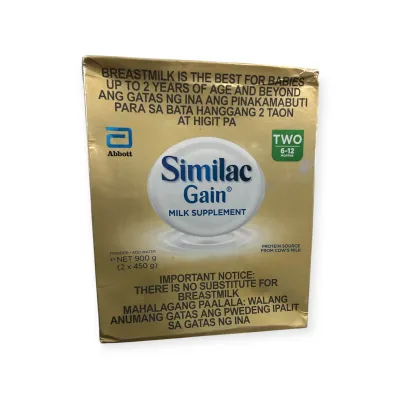


Prices are valid at publication and may change. Please refer to the product page for the latest price.

Macronutrients and Proteins The protein composition of infant formula is a critical factor in how easily your baby can digest it. Human breast milk is naturally whey-dominant, particularly in the early months, with a ratio of approximately 60:40 whey to casein. When examining the nutrition panels of Similac, NAN, and Enfagrow Stage 1 formulas, look for this ratio. Formulas with a higher whey content tend to remain liquid in the stomach, making them easier to digest and reducing the likelihood of painful gas. Additionally, check if the formula uses intact proteins or partially hydrolyzed proteins. Partially hydrolyzed proteins are pre-broken down into smaller pieces, which can be highly beneficial for babies prone to mild digestive discomfort.
Added Nutrients Beyond basic proteins, fats, and carbohydrates, modern infant formulas are enriched with specific bioactive compounds designed to support rapid early development. Docosahexaenoic acid (DHA) and arachidonic acid (ARA) are omega-3 and omega-6 fatty acids crucial for brain and visual development. Lutein, an antioxidant found in the retina, is often added to support eye health, while nucleotides are included to aid in cell division and support the maturation of the baby’s developing immune system. Rather than relying on general claims, turn the tin around and compare the exact milligram measurements of these nutrients per 100 kilocalories or per 100 milliliters of prepared formula.
Gut Health Ingredients The gut microbiome plays a massive role in a newborn’s overall immunity and digestive comfort. To support this, manufacturers include prebiotics and probiotics in their formulations. Prebiotics, such as Galacto-oligosaccharides (GOS) and Fructo-oligosaccharides (FOS), act as food for beneficial gut bacteria. Probiotics, which are live beneficial bacteria like Bifidobacterium lactis, help colonize the baby’s digestive tract. When comparing these three brands, check the ingredient list to see which specific prebiotic blends or probiotic strains are included, as different brands utilize proprietary combinations to support gut barrier function.
Carbohydrate Sources Lactose is the primary carbohydrate source in breast milk and standard infant formulas, providing essential energy for your growing baby. However, some infants may experience temporary lactose sensitivity, especially after a bout of diarrhea or due to a developing digestive tract. When reviewing the labels of Similac, NAN, and Enfagrow, verify whether the primary carbohydrate is lactose or if the formula contains alternative carbohydrates like corn syrup solids or maltodextrin. Standard starter formulas almost exclusively use lactose, which is ideal for healthy newborns, but understanding this component helps you identify potential triggers if your baby shows signs of persistent fussiness.
Evaluating Suitability: Matching the Formula to Your Baby's Needs
Every baby’s digestive system matures at a different rate. Monitoring your baby’s physical responses and health conditions will help you determine if a standard formula is appropriate or if a specialized one is needed.
Digestive Comfort In tropical climates where warm weather can sometimes influence a baby’s hydration levels, monitoring digestive comfort is vital. Watch your baby for signs of excessive gas, hard or infrequent stools, or frequent, painful spit-ups. If your newborn exhibits these symptoms, it does not necessarily mean the formula is of low quality; rather, it indicates that the specific protein or carbohydrate structure of that brand may not align with their current digestive capacity. In such cases, a pediatrician may recommend transitioning to a gentle or comfort variant within the same brand family.
Allergy and Sensitivity Risks It is crucial to distinguish between mild digestive fussiness and a true medical sensitivity, such as Cow’s Milk Protein Allergy (CMPA) or lactose intolerance. CMPA is an immune-mediated response to the proteins in cow’s milk, whereas lactose intolerance is the inability to digest the milk sugar lactose. If your baby has a family history of allergies, or if they show signs of severe skin rashes, chronic congestion, or digestive distress, consult your pediatrician immediately. Never take it upon yourself to switch your baby to a specialized hypoallergenic, soy-based, or lactose-free formula, as these require strict medical supervision and a formal diagnosis.
Growth and Development Parents often worry whether a specific formula brand is helping their baby grow at an optimal rate. It is important to understand that healthy growth is not about rapid weight gain, but rather steady, consistent progress along an established growth curve. During your monthly pediatric check-ups, your doctor will plot your baby’s weight, length, and head circumference on World Health Organization (WHO) growth charts. These charts provide an objective measure of your baby’s development. If your baby is tracking consistently along their percentile curve, their nutritional needs are being met, regardless of whether they are consuming Similac, NAN, or Enfagrow.
When to Stop and Seek Help While mild spitting up or occasional gas is normal for newborns, certain symptoms require immediate medical attention. Stop feeding the formula and seek urgent pediatric care if your baby exhibits projectile vomiting, blood or dark mucus in their stool, a sudden and widespread skin rash or hives, persistent diarrhea, or extreme lethargy where they are too tired to feed. These symptoms can indicate a severe allergic reaction, systemic infection, or dehydration, all of which require prompt professional evaluation rather than a simple brand switch.
Practical Considerations: Budget, Availability, and Safe Preparation
Feeding an infant exclusively with formula for the first six months represents a significant financial and logistical commitment. Parents must verify several practical factors before committing to a specific brand.
Price Verification To manage your household budget effectively, calculate the cost per gram or cost per serving rather than just looking at the retail price of the tin. Check prices at authorized physical supermarkets, trusted local pharmacies like Mercury Drug or Watsons, and official online flagship stores on reputable e-commerce platforms. Be cautious of heavily discounted products from unauthorized online sellers, as these may be counterfeit, expired, or improperly stored. Prices and promotions fluctuate, so tracking these over time helps you plan your monthly expenses using ₱ as your baseline.
Availability and Supply Chain Consistency is key when feeding a newborn. Abruptly changing your baby’s formula because your preferred brand is out of stock can cause digestive upset and unnecessary stress. In the Philippines, localized supply chain disruptions can occur due to severe weather, typhoons, or logistics delays. Before committing to a specific brand, ensure that the Stage 1 variant is readily and consistently available in your immediate area. It is wise to maintain a modest buffer of one or two unopened tins, but avoid panic-buying or hoarding, which contributes to artificial shortages for other families.
Preparation and Storage The tropical climate, characterized by high temperatures and humidity, demands strict adherence to safe preparation and storage practices. Always wash your hands thoroughly and sterilize all feeding utensils before preparation. Boil clean drinking water for five minutes, then let it cool to the temperature recommended on the formula tin—usually around room temperature or slightly warm, but never boiling hot, as excessive heat can destroy delicate nutrients and beneficial probiotics. Store opened tins in a cool, dry pantry, never in the refrigerator, and ensure the plastic lid is sealed tightly to prevent moisture and pests from entering. Use the powder within three to four weeks of opening.
Transitioning Safely and Monitoring Your Baby's Response
If your pediatrician recommends switching your baby from one formula brand to another, or if you are transitioning from breast milk to formula, a gradual approach is highly recommended.
Gradual Transition A gradual transition allows your baby’s digestive enzymes and gut bacteria to adapt to the new nutrient profile. Your pediatrician will provide a specific transition schedule, which often involves gradually replacing one feeding per day with the new formula over the course of a week, or slowly mixing the formulas in specific ratios if medically advised. Never alter standard mixing instructions unless explicitly directed by a healthcare professional.
Observation Period When introducing a new formula, expect an adjustment period of approximately one to two weeks. During this time, it is normal to observe minor changes in your baby’s stool consistency, color, and frequency. For instance, transitioning to a formula with different iron or prebiotic levels might temporarily turn stools a darker green or alter how often your baby defecates. However, these minor adjustments should not cause your baby pain or distress. If you notice persistent crying during or after feeds, hard stools that cause straining, or frequent vomiting, contact your pediatrician to re-evaluate the transition.
Record Keeping To make the most of your pediatric consultations, keep a simple daily log during the transition period. Note down the time of each feed, the amount of formula consumed, the number of wet and dirty diapers, and any physical observations such as gas, spitting up, or changes in mood. This objective data is incredibly valuable for your pediatrician, as it removes guesswork and helps them determine whether the new formula is truly agreeing with your baby’s digestive system.
Frequently Asked Questions (FAQ)
Can I mix Similac Gain, NAN, and Enfagrow in the same bottle?
No, you should never mix different formula brands or stages in a single bottle. Each brand is scientifically formulated with a precise balance of proteins, fats, carbohydrates, vitamins, and minerals, requiring a specific water-to-powder ratio to achieve the correct osmolality. Mixing different powders in one bottle alters this delicate balance, which can lead to over-concentration or under-concentration. Over-concentrated formula can strain your newborn’s immature kidneys and cause severe dehydration, while under-concentrated formula can lead to nutritional deficiencies. If you are transitioning between brands, do so sequentially by replacing entire feeds one at a time, under the guidance of your pediatrician.
How do I know if my 0-6 month old needs a specialized formula instead of these standard options?
Standard infant formulas like Similac, NAN, and Enfagrow Stage 1 are designed for healthy, full-term newborns with typical digestive systems. However, some babies require specialized formulas due to underlying medical conditions. Signs that your baby may need a specialized option include severe, weeping eczema, chronic diarrhea, blood or mucus in the stool, projectile vomiting after every feed, or a failure to gain weight despite adequate intake. Specialized formulas—such as extensively hydrolyzed, amino acid-based, or lactose-free variants—are medical foods. They must only be introduced after a formal diagnosis and under the direct prescription and supervision of your pediatrician.
Community discussion
Share your experience or ask a question. Comments are reviewed before publication.