
Comparing Power Puff Girls wipes to other baby wipes for sensitive skin requires looking past the colorful packaging and focusing on the ingredient list, material texture, and moisture levels. Because sensitive skin reacts to specific triggers rather than a universal standard, no single brand is universally superior. Parents in the Philippines must evaluate the chemical formulation, physical softness, and preservation system of Power Puff Girls wipes against alternative options to determine the safest match for their child’s skin.
In a tropical climate characterized by high humidity and heat, babies are particularly prone to skin irritation, sweat rash, and diaper dermatitis. Frequent wiping can exacerbate these conditions if the product used contains harsh chemicals or rough fibers. By understanding what to look for on a label and how to perform a safe patch test, you can confidently choose a wipe that protects your baby’s delicate skin barrier while keeping them clean and comfortable.
What to Look for in Wipes for Sensitive Skin
The primary goal of a baby wipe is to clean effectively without stripping the skin of its natural oils or disrupting its delicate pH balance. Healthy baby skin is slightly acidic, which helps protect against harmful bacteria. When a wipe contains harsh alkaline cleansing agents or drying ingredients, it can compromise this natural barrier, leading to redness, dryness, and diaper dermatitis.
Products mentioned in this guide
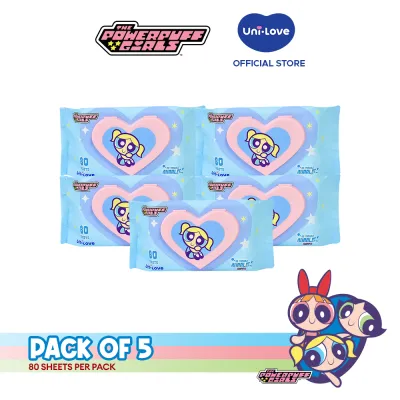
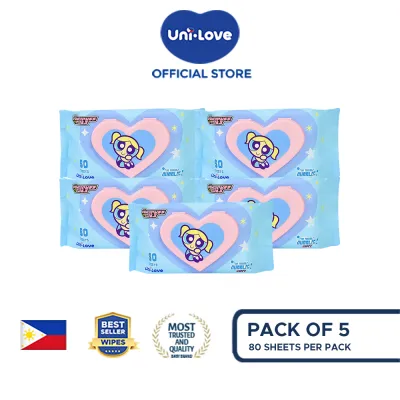
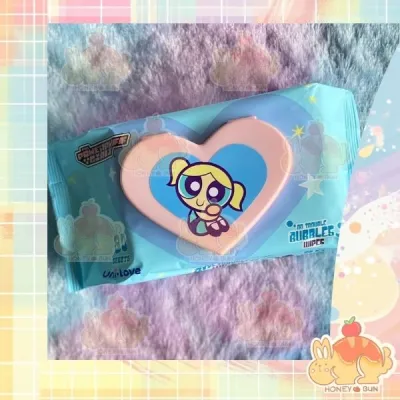
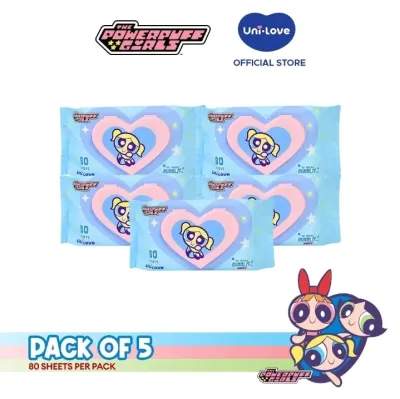
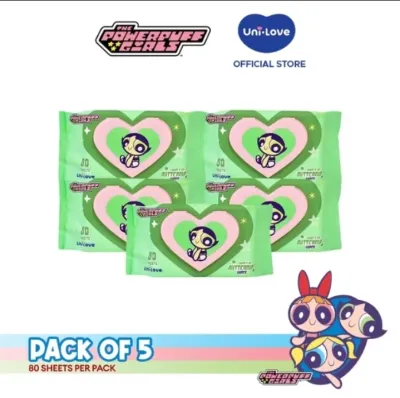
Prices are valid at publication and may change. Please refer to the product page for the latest price.
To protect sensitive skin, caregivers must learn to identify and avoid common irritants on ingredient labels. Added fragrances or perfumes are among the most frequent causes of contact allergy in infants. Alcohol, specifically drying alcohols like ethanol or isopropyl alcohol, should be avoided as they dry out the skin rapidly. Additionally, certain strong preservatives, such as parabens, methylisothiazolinone (MIT), and methylchloroisothiazolinone (MCIT), have been linked to skin sensitization and should be bypassed in favor of milder preservation systems.
Conversely, look for reassuring labels such as “hypoallergenic,” “dermatologist-tested,” or “pediatrician-approved.” While these terms indicate that the manufacturer has conducted basic safety evaluations, they are not standardized legal definitions. Therefore, parents must still verify the actual ingredient list rather than relying solely on front-of-pack marketing claims.
Beyond chemical ingredients, the physical properties of the wipe play a crucial role in skin safety. A wipe must be sufficiently thick and soft to clean feces and urine in as few passes as possible. Rough textures or thin sheets that tear easily can cause physical friction, which chafes the skin and creates micro-tears. In the warm Philippine climate, where sweat and friction already irritate skin folds, a highly moisturizing wipe that glides smoothly is essential to prevent mechanical irritation.
How to Check Power Puff Girls Wipes for Skin Safety
To evaluate whether Power Puff Girls wipes are suitable for your child’s sensitive skin, start by conducting a thorough inspection of the packaging. Turn the pack over to locate the full ingredient list, which is typically printed in small text on the back or side. Ingredients are listed in descending order of concentration, meaning the first few items make up the bulk of the formulation. Ensure that water (often listed as aqua) is the primary ingredient, and check where any active cleansing agents, moisturizers, or preservatives fall on the list.

Next, scan the packaging for specific sensitive-skin indicators, age recommendations, and usage warnings. Look for explicit statements regarding whether the wipes are fragrance-free or unscented, keeping in mind that “unscented” products may still contain masking agents to cover chemical odors, whereas “fragrance-free” indicates no added scent compounds. Check if the manufacturer specifies a recommended age range, such as suitability for newborns, or if there are warnings against using the wipes on broken skin or near the eyes.
Once you open a new pack of Power Puff Girls wipes, perform a physical assessment before using them on your baby. Pull a wipe from the center of the pack and note its immediate scent; a strong floral or sweet aroma suggests the presence of added fragrances, which may trigger reactions in sensitive individuals. Feel the material between your fingers to assess its softness and elasticity. A high-quality wipe should feel plush and damp, not dry or scratchy.
Finally, observe how the wipes retain moisture over time. In tropical environments, wipes can dry out quickly once the adhesive seal or plastic lid is opened. If the wipes lose their moisture too rapidly, they will require more physical pressure to clean your baby, increasing the risk of friction-induced rashes. Ensure the packaging has a secure, airtight closure to maintain the integrity of the wipes throughout their use.
Power Puff Girls vs. Other Brands: A Decision Framework
When comparing Power Puff Girls wipes to other popular brands in the Philippines, parents can use a structured decision framework based on two primary dimensions: ingredient minimalism and physical durability. This approach helps move away from subjective brand loyalty and focuses instead on observable product characteristics that directly impact sensitive skin.
The first dimension, ingredient minimalism, compares the complexity of the wipe’s formulation. Minimalist wipes, often marketed as water wipes, typically contain 99% water and a single, mild preservative to prevent mold. In contrast, formulated wipes like Power Puff Girls wipes may include additional ingredients such as skin conditioners (like aloe vera or chamomile extracts) and mild surfactants to help lift stubborn dirt. While these additives can provide moisturizing benefits, they also introduce more variables that could potentially trigger an allergic reaction in highly sensitive children.
The second dimension is wipe durability and moisture retention. Thinner, budget-friendly wipes often require multiple sheets and repeated wiping to clean a single diaper mess, which increases skin friction. Thicker, embossed wipes from premium brands or specialized sensitive lines generally clean more efficiently in fewer passes. Parents should evaluate whether the physical texture of Power Puff Girls wipes provides enough cushion and moisture to clean effectively without requiring excessive rubbing.
To guide your purchasing decision, consider this conditional matrix. Choose Power Puff Girls wipes if your child does not have a history of severe skin allergies, the ingredient list is free of their known triggers, and you find the physical texture soft enough for daily use. Choose an alternative minimalist or water-based brand if your baby has highly reactive skin, active eczema, or if you prefer a formula with the absolute minimum number of chemical ingredients. Always verify the product details first if the packaging lacks a complete ingredient list or clear safety certifications.
How to Safely Test a New Wipe on Your Baby
Before fully integrating any new wipe brand, including Power Puff Girls wipes, into your daily diapering routine, it is essential to perform a controlled patch test. This precautionary step helps identify potential localized skin sensitivities before exposing larger, more sensitive areas of your baby’s body to a new formulation.
To conduct a patch test, select a small, healthy, and discreet area of skin, such as the inside of your baby’s forearm or the upper thigh. Ensure the test area is free of existing rashes, cuts, or irritation. Gently swipe the new wipe across this small patch of skin once or twice, allowing the liquid residue to dry naturally. Do not wash the area immediately; let it remain exposed to normal daily conditions under your close supervision.
Monitor the test site closely over a 24 to 48-hour period. Look for any visible signs of an adverse reaction, which may include localized redness, swelling, small raised bumps, dry or flaky patches, or signs of discomfort such as your baby scratching the area. Keep in mind that some contact allergies take up to two days to manifest, so patience is key during this observation phase.
Establish clear stop-use conditions to protect your child’s skin health. If you observe any redness, rash, or signs of irritation at the test site, discontinue use of the wipes immediately and wash the area gently with cool, plain water. If the reaction is severe, spreads beyond the test area, or does not improve within 48 hours, consult a pediatrician or a pediatric dermatologist for professional guidance. Never apply over-the-counter medicated creams to a reaction without consulting a healthcare provider first.
Frequently Asked Questions (FAQ)
Can I use Power Puff Girls wipes on a newborn's face?
Newborn skin is exceptionally delicate, thin, and still developing its natural protective barrier, making it highly susceptible to irritation from topical products. Before using Power Puff Girls wipes on your newborn’s face, check the packaging carefully to verify if the manufacturer explicitly states they are safe for facial use and suitable for newborns. As a general safety guideline, pediatricians often recommend using only sterile cotton balls dipped in plain, cooled boiled water to clean a newborn’s face during the first few weeks of life, avoiding formulated wipes entirely until the skin barrier matures.
Are 99% water wipes always the safest choice for sensitive skin?
While 99% water wipes are highly recommended for sensitive skin due to their minimal ingredient lists, they are not a universal solution for every diapering scenario. Water wipes excel at minimizing chemical exposure, but because they lack active cleansing agents, they may require more physical wiping to clean sticky or oily stools, which can cause friction-induced irritation. Furthermore, because water is highly susceptible to bacterial and mold growth, even 99% water wipes must contain a preservative system; parents should verify that the specific preservative used is gentle and does not trigger a reaction in their child.
Community discussion
Share your experience or ask a question. Comments are reviewed before publication.