
Because specific brand formulations frequently change and vary by market, identifying the safest wipes for sensitive skin requires looking beyond marketing claims. The most reliable approach is to compare products across three core dimensions: ingredient simplicity, fabric construction, and verified skin-friendliness. This guide provides a practical framework to evaluate leading wipes and make a conditional choice based on your baby’s specific needs.
In tropical environments like the Philippines, high humidity and heat can significantly impact a baby’s skin barrier. Sweat can accumulate quickly in diaper folds, and when mixed with friction from movement, it often leads to irritation, chafing, or diaper rash. Consequently, choosing a wipe that cleanses effectively without stripping the skin’s natural moisture is essential for maintaining daily comfort.
Caregivers frequently encounter terms like “hypoallergenic,” “organic,” or “natural” on product packaging. However, because these marketing terms are not always strictly regulated, they do not guarantee that a product will be safe for highly reactive skin. Learning how to analyze the physical and chemical properties of baby wipes allows you to make decisions based on objective criteria rather than promotional labels.
Products mentioned in this guide
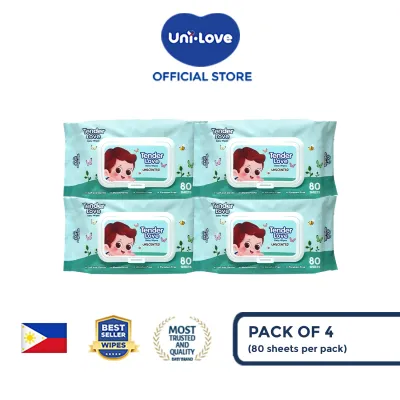
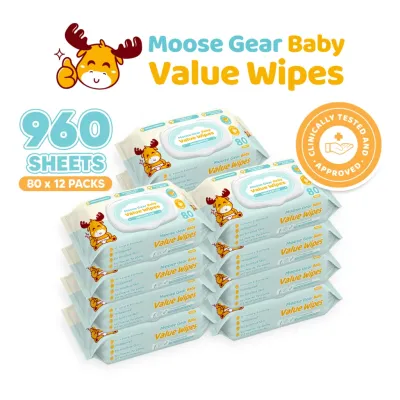
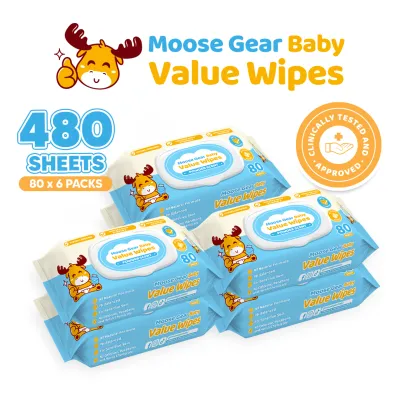
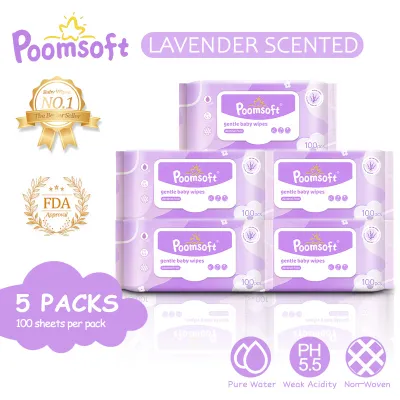
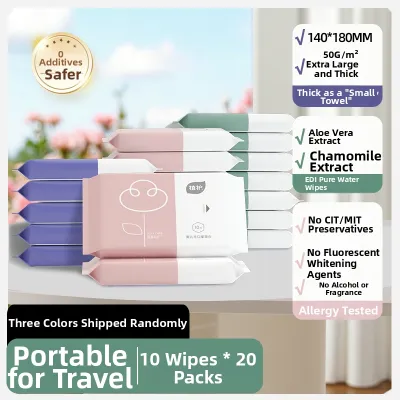
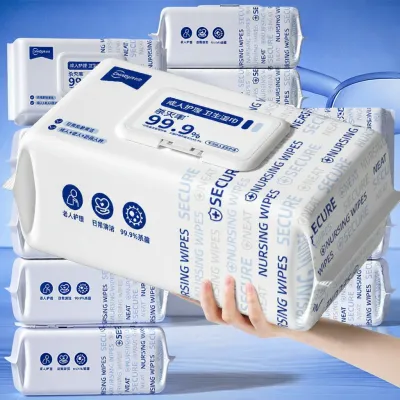
Prices are valid at publication and may change. Please refer to the product page for the latest price.
Key Dimensions for Comparing Sensitive Skin Wipes
Evaluating baby wipes systematically requires breaking down their characteristics into manageable categories. By focusing on specific, observable features, you can compare different brands objectively, regardless of their price point or popularity. The three primary pillars of this evaluation are formulation simplicity, material construction, and verified skin-friendliness.
Formulation simplicity is the most critical factor for preventing chemical irritation. The liquid solution that saturates each wipe must contain minimal ingredients to reduce the statistical probability of an allergic reaction. Every additional preservative, fragrance, or botanical extract introduces a new variable that could potentially trigger sensitive skin.
Material construction dictates how the wipe physically interacts with the skin barrier. The thickness, fiber blend, and surface texture of the fabric determine how much friction is generated during use. A wipe that requires excessive rubbing to clean a mess can cause physical micro-tears, making the skin more vulnerable to chemical irritants.
Verified skin-friendliness involves checking for specific formulation standards, such as a slightly acidic pH that matches the skin’s natural barrier. It also includes looking for recognized dermatological testing seals on the packaging. These indicators provide assurance that the product has undergone standard safety evaluations before being distributed.
Formulation Check: Reading the Ingredient List
The liquid solution in baby wipes is primarily composed of water, but the remaining ingredients determine how gentle the product is on compromised skin. Reading the ingredient list on the back of the pack is the most reliable way to assess safety. Caregivers should learn to identify key ingredients and understand their specific functions.

One crucial distinction to make is between “fragrance-free” and “unscented” products. Fragrance-free means that no perfume or scent-masking chemicals have been added to the formulation. Unscented products, on the other hand, may contain chemical masking agents designed to neutralize the natural smell of the raw ingredients, which can still irritate sensitive skin.
Preservatives are necessary to prevent mold, yeast, and bacteria from growing inside a moist package, especially in warm, humid climates. However, certain preservatives are known to be highly sensitizing to delicate skin. Caregivers should look for mild preservative systems and avoid ingredients like methylisothiazolinone (MI), formaldehyde donors, and parabens, which are frequently associated with contact dermatitis.
Alcohols are sometimes included in formulations to help the liquid evaporate quickly, but they can be highly drying. Simple alcohols, such as ethanol or isopropyl alcohol, strip the skin of its natural lipids and weaken the protective barrier. While fatty alcohols like cetearyl alcohol are generally non-irritating and act as emollients, it is safest to choose products explicitly labeled as alcohol-free and verify this on the ingredient list.
Many brands include botanical extracts like aloe vera, chamomile, or calendula, marketing them as soothing agents. While these ingredients can offer anti-inflammatory benefits for some babies, they also represent a trade-off. Complex plant extracts contain multiple organic compounds that can occasionally trigger allergic reactions in highly sensitive individuals, meaning a simpler water-and-preservative formula is often safer for reactive skin.
Material Thickness and Texture: Balancing Durability and Gentleness
The physical design of a wipe plays a significant role in how much friction is applied to the skin during cleaning. Friction can compromise the skin barrier just as easily as harsh chemicals, making fabric selection a key component of skin safety. Understanding how wipes are constructed helps you choose a texture that minimizes physical irritation.
Fabric weight, typically measured in grams per square meter (GSM), determines the thickness and density of the wipe. Thicker wipes generally offer better protection for the caregiver’s hands and hold more moisture, which helps dissolve messes with less effort. Using a single thick wipe is often gentler on the baby’s skin than using multiple thin, dry wipes that require repeated rubbing.
The weave pattern of the fabric also affects its cleaning efficiency and gentleness. Embossed or textured wipes feature raised patterns designed to grab and hold solid messes quickly, reducing the number of swipes needed. However, for highly inflamed or raw skin, these textured surfaces can sometimes be too abrasive, making a smooth, flat-weave wipe a more appropriate choice to minimize friction.
Ply structure refers to the layers of fabric bonded together to form the wipe. Multi-ply wipes tend to be more durable and resistant to tearing, ensuring that the wipe does not break apart during use. They also retain moisture more effectively, preventing the wipe from drying out mid-clean, which would otherwise increase physical drag across the skin.
Caregivers should also check for lint-free or non-pilling claims on the product packaging. Wipes that shed tiny fibers during use can leave a residue on the baby’s skin. These loose fibers can trap moisture, sweat, and urine against the skin, leading to localized irritation and itching, particularly in the skin folds.
Decision Framework: Matching Wipe Types to Skin Needs
Choosing the right wipe requires matching the product’s specific characteristics to your baby’s current skin condition, age, and environment. Because no single wipe is suitable for every scenario, a conditional decision framework can help you select the most appropriate category.
For newborns and babies with highly reactive skin, water-based wipes are generally the safest starting point. These formulations typically consist of 99% or more purified water combined with a minimal, food-grade preservative system. They provide the gentlest possible cleansing, mimicking the safety of using a damp cotton cloth without the inconvenience.
If your baby’s skin tends to dry out, peel, or feel rough after wiping, look for formulations that include mild moisturizers or emollients. Ingredients like glycerin or light plant-derived oils help lock in moisture and protect the skin barrier from drying out, which is especially helpful in air-conditioned rooms or during dry seasons.
When dealing with active eczema flare-ups, broken skin, or severe diaper rash, even the gentlest commercial wipes can cause pain and further irritation. In these situations, it is best to suspend the use of all disposable wipes entirely. Cleanse the area using warm water and soft cotton balls, pat the skin dry with a clean towel, and consult a pediatrician for specific medical cleansers or barrier creams.
Additionally, always verify the manufacturer’s age recommendations, weight limits, and specific usage instructions on the packaging, as some formulations are optimized for newborns while others are intended for older infants. Before purchasing any brand, verify if the product carries recognized dermatological testing seals or certifications from pediatric associations on the packaging. While these seals do not guarantee that your baby will not react to the product, they indicate that the formulation has undergone standardized safety evaluations for sensitive skin.
How to Safely Introduce and Test a New Wipe Brand
Switching to a new brand of wipes should be done gradually to prevent widespread skin reactions. A systematic testing approach helps isolate any potential issues before you commit to using the product for daily diaper changes.
Perform a localized patch test by gently wiping a small, non-critical area of your baby’s skin, such as the inner forearm or the upper thigh. Ensure the chosen test area is completely healthy, dry, and free of any existing rashes or irritation before applying the wipe.
Monitor the test area closely over a 24 to 48-hour period for any signs of a delayed reaction. Look for subtle changes in the skin’s appearance, such as mild redness, small bumps, dryness, swelling, or signs of itching and discomfort.
If you observe any adverse reactions, stop using the product immediately and wash the area with clean, lukewarm water. Keep the skin dry and exposed to air if possible, and seek professional medical advice if the redness or irritation does not resolve within a few days.
Frequently Asked Questions (FAQ)
Can I use regular baby wipes on sensitive skin if I rinse the area afterward?
Rinsing the skin with clean water after using a standard wipe can help remove residual chemicals and fragrances, but it does not eliminate the initial risks. The physical friction from the wipe and the immediate exposure to potential irritants during the wiping process can still trigger a reaction on highly sensitive skin before you have a chance to rinse.
Do thicker wipes always mean they are safer for sensitive skin?
No, thickness alone does not guarantee safety or gentleness. While a thicker wipe can prevent tearing and reduce the number of wipes needed, the material’s softness, the smoothness of the weave, and the chemical formulation of the liquid are far more critical for preventing irritation on sensitive skin.
How should I store wipes to prevent bacterial growth in the formulation?
To maintain the integrity of the preservative system, keep wipe packages tightly sealed when not in use and store them in a cool, dry place away from direct sunlight. In hot and humid climates, avoiding exposure to extreme heat is especially important to prevent the growth of mold and bacteria inside the pack.

Community discussion
Share your experience or ask a question. Comments are reviewed before publication.