
Direct Answer: Navigating Wipes Choices for Sensitive Skin
Finding the right tissue and wipes for a baby with sensitive skin in the Philippines requires looking past eye-catching packaging and popular brand names. The most suitable wipe depends entirely on your baby’s unique skin triggers and your ability to verify ingredient transparency. Because tropical heat and high humidity can trap moisture in diaper areas, choosing a product that cleanses without stripping the skin’s natural barrier is essential.
For sensitive skin, the primary decision shifts from brand popularity to verifying fragrance-free, alcohol-free, and minimal-ingredient formulations. There is no single brand that works universally for every infant. Instead, the most reliable approach is to learn how to decode product labels, understand material properties, and match these specifications to your baby’s observed skin reactions. This guide provides the practical steps needed to evaluate the options on local shelves and make an informed, safe choice.
Key Dimensions for Comparing Sensitive Skin Wipes
Comparing tissue and wipes for reactive skin requires looking beyond front-of-pack marketing claims. To make an objective comparison, caregivers must evaluate two primary areas: the chemical formulation of the liquid solution and the physical characteristics of the wipe itself. The following sections break down these dimensions to help you identify which products offer the gentlest care.
Products mentioned in this guide
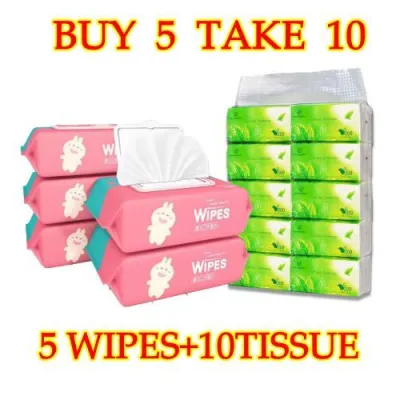
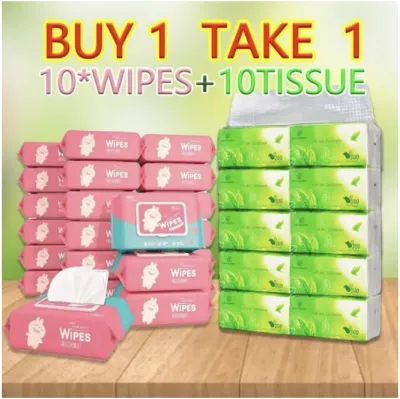
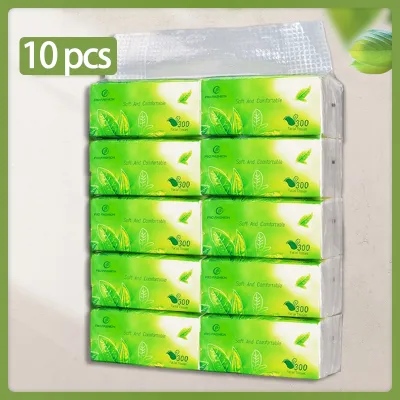
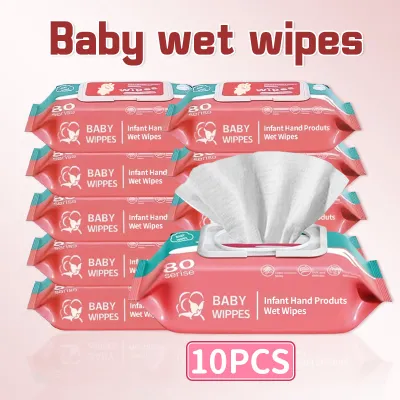
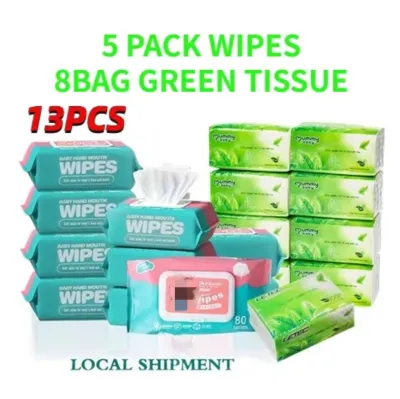
Prices are valid at publication and may change. Please refer to the product page for the latest price.

Ingredient Lists and Fragrance-Free Claims
When evaluating wipes for sensitive skin, the ingredient list is your most reliable source of truth. Many products feature prominent front-pack labels such as “hypoallergenic” or “gentle,” but these terms are not strictly regulated. Caregivers must look at the back of the package to verify what the product actually contains.
A critical distinction to understand is the difference between “fragrance-free” and “unscented” on product labels. A fragrance-free product contains no added aroma chemicals or masking agents, making it the preferred choice for highly reactive skin. In contrast, an unscented product may still contain chemical masking agents designed to neutralize the natural smell of the ingredients, which can sometimes trigger contact dermatitis in sensitive babies.
Caregivers should also cross-reference the ingredient list with their pediatrician’s advice to identify potential irritants. Common preservatives, surfactants, or botanical extracts can sometimes cause adverse reactions. For instance, certain alcohols, parabens, and strong synthetic preservatives like methylisothiazolinone should generally be avoided. Even natural botanical extracts, such as chamomile or aloe vera, can occasionally trigger localized allergic reactions in infants with compromised skin barriers.
To locate and read the full ingredient list, look for the fine print on the back or side panel of the packaging. Ingredients are listed in descending order of concentration. If the list is difficult to find or missing entirely, it is best to choose a different brand that offers full transparency.
Material Texture, Thickness, and Moisture Levels
The physical performance of a wipe is just as important as its chemical formulation. The material composition directly affects how much friction is applied to your baby’s skin during a diaper change. Minimizing friction is crucial for preventing mechanical irritation, especially when dealing with frequent cleanups in warm, humid weather.
Wipe materials generally fall into three categories: textured, smooth, and embossed. Textured and embossed wipes are designed to grab and lift messes efficiently, which often reduces the number of wipes needed per change and limits overall skin friction. Smooth wipes are exceptionally soft and gentle on very young skin, but they may require more passes to clean heavier messes, potentially increasing irritation if the caregiver rubs too hard.
Moisture levels and liquid retention also play a significant role in product performance. A wipe that is too dry will cause excessive friction, while a wipe that is oversaturated can leave excess moisture on the skin, contributing to skin maceration and diaper rash. In the Philippines, where high humidity already keeps skin damp, finding a wipe with balanced moisture retention is key. The wipe should feel damp enough to clean easily but should not leave a pooling residue on the skin.
To assess these physical properties before buying in bulk, check the product packaging for material composition indicators, such as cotton blends or plant-based fibers. While thickness is rarely printed on the label, you can often feel the weight of the pack or purchase a small travel pack first to test the material’s durability and stretch.
How to Evaluate Popular Brands on the Shelf
When standing in the baby care aisle of a local supermarket or browsing online marketplaces, comparing brands systematically will help you find the best value without compromising on safety. Rather than relying on brand reputation alone, you can use a structured evaluation method to compare options.
First, calculate the true cost of the product by comparing the price per sheet rather than the upfront retail price. For example, a pack priced at ₱120 containing 80 sheets costs ₱1.50 per sheet, whereas a pack priced at ₱90 containing 40 sheets costs ₱2.25 per sheet. Comparing the price per sheet (in ₱) allows you to identify which options fit your budget for long-term, daily use.
Next, perform a step-by-step label audit on the physical packaging. Look for clear indications that the product has undergone dermatological testing, which suggests a lower likelihood of causing irritation. Check for pH-balanced claims, as wipes formulated to match the skin’s natural slightly acidic pH help maintain its protective barrier. Additionally, look for recognized safety certifications from independent dermatological or allergy associations, which provide an extra layer of verification.
If you encounter conflicting marketing claims, always prioritize the actual ingredient list over front-of-pack slogans. If an ingredient is unfamiliar or if you need clarification on the manufacturing process, look for the manufacturer’s contact information or official website on the packaging to make direct inquiries.
Finally, always verify the expiration date and batch information printed on the package. This step is particularly important when purchasing in bulk from e-commerce platforms. In the tropical climate of the Philippines, prolonged storage in warm warehouses can accelerate the degradation of preservatives, potentially leading to bacterial growth or dried-out wipes before you even open the package.
Decision Framework: Matching Wipes to Your Baby's Skin Needs
To simplify your selection process, use this conditional framework to match different wipe types to your baby’s specific skin condition and daily routines:
- Choose minimal-ingredient water wipes if: Your baby has highly reactive skin, active eczema flare-ups, or known allergies to common preservatives. These formulations typically contain over 99% water and a minimal self-preserving system, reducing the risk of chemical irritation to the absolute minimum.
- Choose thicker, textured wipes if: Your primary need is the efficient cleanup of heavy, messy diaper changes with minimal rubbing. Ensure that the ingredients are verified safe and fragrance-free, allowing the physical texture to do the heavy lifting without irritating the skin.
- Choose fragrance-free standard wipes if: Your baby has only mild skin sensitivity and you require a highly cost-effective, everyday option for wiping hands, toys, or non-diaper areas. These options balance affordability with a gentle, alcohol-free formulation.
- Verify first if: Your baby has a diagnosed skin condition, such as severe atopic dermatitis or psoriasis. In these cases, always consult a pediatrician before introducing any new brand or formulation to avoid triggering a painful flare-up.
Safe Usage, Storage, and Monitoring for Irritation
Even the gentlest wipe can cause issues if it is stored or used incorrectly. Implementing proper handling habits ensures that the wipes remain clean, moist, and safe for your baby’s skin.
Proper storage is essential in a tropical climate. Keep your wipe packages in a cool, dry place away from direct sunlight, such as a closed drawer or a shaded shelf. High temperatures can cause the liquid solution to pool at the bottom of the pack, leaving the top wipes dry, and can also weaken the preservatives, making the wipes more susceptible to mold or bacterial contamination.
Always seal the package tightly immediately after pulling out a sheet. Resealable plastic flaps are generally more effective at maintaining moisture levels than simple adhesive stickers, which can lose their stickiness due to dust, humidity, or repeated use. If a pack dries out, do not attempt to rehydrate it with tap water, as this can introduce harmful bacteria into the sterile environment of the package.
Caregivers must also establish clear stop-use conditions. Discontinue using a specific brand immediately if you observe persistent redness, swelling, a raised rash, or if your baby shows signs of discomfort during wiping. If these symptoms do not improve within a few days of stopping the product, or if they worsen, seek professional medical advice from a pediatrician to identify the underlying cause and obtain appropriate treatment.
Frequently Asked Questions (FAQ)
Can I use regular baby wipes on my baby's face and hands if they have sensitive skin?
While many baby wipes are marketed for multi-purpose use, the skin on your baby’s face and hands is thinner and more sensitive than the skin on their diaper area. Saliva, food residue, and environmental exposure can already compromise the skin barrier on the face, making it more susceptible to irritation from preservatives or cleansing agents found in standard wipes. If you choose to use wipes on these areas, ensure the label explicitly states they are safe for facial use, or opt for a simple damp, clean cotton cloth. Always monitor the skin around the mouth and cheeks for any localized redness or dryness.
Are water wipes always the safest choice for sensitive skin?
Water-based wipes are highly recommended for sensitive skin because they contain very few ingredients, but they are not a universal guarantee of absolute safety. Because water is a breeding ground for bacteria and mold, even water wipes must contain some form of mild preservative or sterilizing agent to remain safe for use over time. A baby can still have an individual sensitivity to these specific preserving agents. Additionally, the safety of water wipes depends heavily on proper manufacturing standards and correct storage conditions to prevent contamination once the package is opened.
Community discussion
Share your experience or ask a question. Comments are reviewed before publication.