
Finding the right medium tape diaper for your baby in the Philippines requires balancing comfort, reliable leak protection, and cost-efficiency. With the tropical heat and high humidity, a diaper that fails to keep skin dry can quickly lead to discomfort and diaper rash. Poomsoft, Pampers, Equator, and Huggies are four prominent options available to local parents, each presenting distinct design philosophies, material choices, and price points.
To determine which brand fits your baby’s unique shape and daily routine, you must look beyond marketing buzzwords and evaluate the physical characteristics of each diaper. By examining the structural design, material breathability, and closure systems, you can make an informed decision that keeps your baby comfortable throughout the day and night. This guide provides a systematic framework to compare these brands through direct observation and practical testing.
Key Dimensions for Evaluating Tape Diapers
When comparing tape diapers, establishing objective criteria is essential for an unbiased assessment. The first and most critical dimension is absorbency and dryness. To evaluate this at home, you can perform a simple dry-feel check by pouring a set amount of lukewarm water onto the diaper’s core and pressing a dry paper towel against the top sheet after a few minutes. A high-performing core will quickly draw moisture away from the surface, leaving the top sheet dry to the touch and preventing wetness from re-wetting your baby’s skin.
Products mentioned in this guide
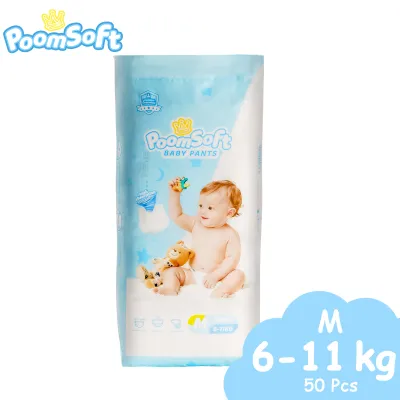
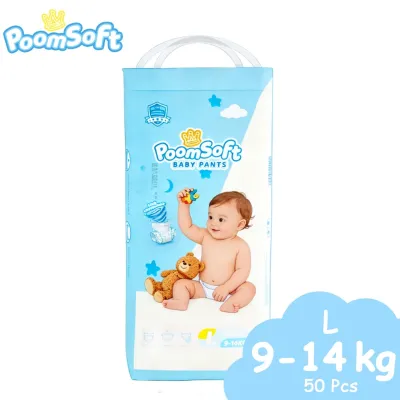
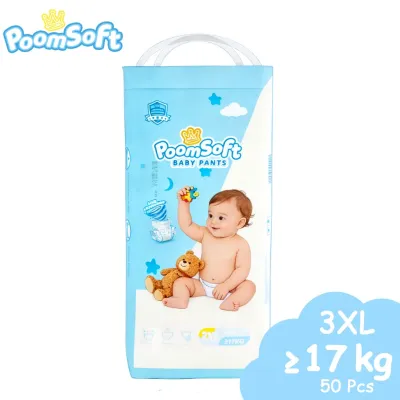
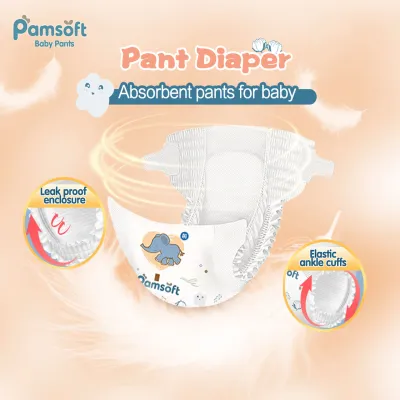
Prices are valid at publication and may change. Please refer to the product page for the latest price.
Fit and leak protection form the second key dimension, which directly impacts your baby’s freedom of movement. You should examine the elasticity of the waistband and the flexibility of the tape fasteners. High-quality tapes can be fastened and refastened multiple times without losing their grip, which is vital when adjusting the fit on an active baby. Additionally, inspect the physical height and elasticity of the double-layered leak guards around the thighs; taller, snugger guards help contain liquid messes during sudden movements.
The third dimension is comfort and breathability, which is particularly crucial in warm tropical climates. Feel the inner lining of the diaper to assess its softness against delicate skin. A stiff or scratchy lining can cause friction and chafing. For breathability, look for micro-pores or textured patterns on the outer cover, which allow hot air and moisture to escape while keeping liquid contained, helping to maintain a balanced skin temperature.
Assessing Poomsoft Tape Diapers (Medium Size)
Poomsoft is a brand that has gained attention among parents looking for modern diaper designs. When evaluating Poomsoft medium tape diapers, start by carefully reading the packaging labels. Check the listed material composition to see if it utilizes modern composite cores or traditional wood pulp. Note the recommended weight range for the Medium size, as diaper sizing can vary significantly between brands, and matching your baby’s current weight to the manufacturer’s guidelines is the first step to preventing leaks.

Next, open a pack to perform a physical inspection of the diaper’s thickness and flexibility. Gently run your fingers over the inner top sheet to evaluate its texture. A thinner, more flexible diaper often allows for better air circulation and less bulk between your baby’s legs, which can enhance comfort during daytime play. Observe how easily the diaper folds and conforms to your hand, simulating how it might wrap around your baby’s waist and thighs.
Finally, verify any specific skin-safety claims printed on the Poomsoft packaging. Look for indications of dermatological testing, hypoallergenic certifications, or explicit statements confirming the diaper is fragrance-free and elemental chlorine-free. For babies with highly sensitive skin, these label verifications are crucial, as added fragrances or harsh bleaching processes can sometimes trigger localized skin irritation or allergic reactions.
Evaluating Pampers, Equator, and Huggies Against Poomsoft
To conduct a thorough comparison, you should examine how Pampers, Equator, and Huggies design their medium tape diapers compared to the physical attributes of Poomsoft. When inspecting Pampers, pay close attention to their dryness technology claims, such as the presence of specialized absorbent channels. Observe the overall thinness profile of the diaper and locate the wetness indicator, checking how clearly it changes color when exposed to moisture to help you time your diaper changes accurately.
For Huggies, focus your evaluation on their structural leak-protection features. Examine the elasticity of the waistband and check for a pocketed waistband design at the back, which is intended to catch runny stools and prevent blowouts. Feel the thickness of the leg cuffs and assess the strength of the fastening tapes, noting how securely they grip the landing zone compared to the other brands.
When assessing Equator, review the core value propositions stated on their packaging. Look for claims regarding material softness and specific absorbency features, such as a textured top sheet designed to absorb liquid quickly. Compare the physical softness of the outer cover and the inner lining of Equator with Poomsoft to determine which feels gentler to your touch.
To make a clear decision, create a personal comparison matrix using sample packs from each of the four brands. Lay the diapers side-by-side and physically stretch the waistbands, measure the height of the leak guards with a ruler, and feel the inner linings simultaneously. This hands-on comparison allows you to assess the tactile differences and structural variations directly, providing a practical basis for your final choice.
Matching Diaper Features to Your Baby's Specific Needs
Every baby has a unique body shape, skin type, and activity level, meaning the ideal diaper choice is highly conditional. If your baby has sensitive skin that easily develops redness or heat rashes, prioritize diapers that emphasize rapid dryness and high breathability. A diaper with a highly efficient top sheet that keeps moisture locked away from the skin is essential for minimizing the risk of diaper dermatitis in hot, humid weather.
For highly active babies who are constantly rolling, crawling, or pulling themselves up, a secure fit and robust leak guards are paramount. In this scenario, look for a brand that offers excellent waistband elasticity and strong, flexible tape fasteners that stay secure during vigorous movement. Taller leak guards around the legs will provide extra security against side leaks when your baby is in active play positions.
If your primary goal is uninterrupted overnight sleep, focus on diapers with high-capacity absorbent cores. Overnight diapers need to handle multiple wettings over several hours without sagging excessively or leaking. A slightly thicker diaper with a high-density absorbent core may be preferable for nighttime use, even if you prefer a thinner, lighter option for daytime wear.
Always check the ingredient and material lists on the packaging to identify any potential allergens. Some diapers contain added lotions, botanical extracts, or synthetic fragrances to mask odors. If your baby has a known sensitivity to these additives, choosing a plain, fragrance-free diaper with a simple, clean material list is the safest approach to protecting their skin barrier.
Evaluating Cost per Piece and Safe Purchasing Channels
Managing a household budget in the Philippines requires looking beyond the retail price of a single diaper pack. To find the true financial value, always calculate the cost per piece (₱) by dividing the total price of the pack by the number of diapers inside. Because pack sizes and diaper counts vary widely between brands and packaging tiers (such as mega packs versus small travel packs), the cost per piece is the only reliable metric for direct price comparison.
When purchasing your chosen brand, always source them from authorized retailers, official brand stores on major e-commerce platforms, or reputable physical supermarkets. Buying from unverified online sellers increases the risk of acquiring counterfeit or improperly stored products, which may have compromised absorbency, degraded adhesives, or hygiene issues due to poor warehousing conditions.
Be vigilant for red flags that indicate counterfeit diapers. Unusually low prices that seem too good to be true are a primary warning sign. Inspect the packaging carefully for poor print quality, blurry logos, misspelled words, or missing batch numbers and manufacturing dates. Additionally, open the pack to check for any unusual chemical odors or a stiff, plastic-like texture, which are common characteristics of substandard imitations.
Frequently Asked Questions (FAQ)
When should I switch my baby from Medium to Large tape diapers?
You should consider upgrading to a Large size when you notice physical signs of a tight fit, such as red marks or indentations on your baby’s thighs or waist. Frequent leaks, even when the diaper is applied correctly, often indicate that the current size’s absorbent capacity is no longer sufficient for your baby’s growing bladder. Additionally, if your baby’s weight is approaching or has exceeded the upper limit of the Medium weight range printed on the packaging, or if the fastening tapes must be secured at the very edge of the landing zone, it is time to transition to the next size.
Can I mix different diaper brands for day and night use?
Yes, mixing different diaper brands is a highly practical strategy that many parents use to optimize both performance and budget. You might choose a highly absorbent, structurally secure diaper with a pocketed waistband for overnight use to ensure uninterrupted sleep and prevent leaks. During the day, when you change diapers more frequently, you can switch to a thinner, highly breathable, and more cost-effective brand that allows for maximum mobility and comfort during active play. Always monitor your baby’s skin closely when introducing a new brand to ensure they do not experience any adverse reactions to the different materials.
Community discussion
Share your experience or ask a question. Comments are reviewed before publication.