
When determining whether Peaboo baby wipes or other popular brands are gentler for a baby with sensitive skin, the answer depends on verifying specific ingredient profiles, preservative types, and manufacturer safety claims rather than relying on general brand reputation. Since formulations and product lines frequently update, parents must evaluate the actual packaging labels and official specifications to make a safe, informed choice for their child’s daily care. In tropical climates like the Philippines, where high humidity and heat can exacerbate diaper rash and skin friction, choosing the right wipe is crucial for maintaining a baby’s delicate skin barrier.
What to Look for in Sensitive Skin Baby Wipes
Evaluating baby wipes for sensitive skin requires looking past attractive packaging and focusing on the actual chemical and physical properties of the product. The primary goal is to minimize the risk of contact dermatitis and skin barrier disruption.
First, examine the ingredient list for common irritants that should be avoided. Added synthetic fragrances are a leading cause of allergic contact dermatitis in infants. Alcohol, often listed as ethanol or isopropyl alcohol, should be entirely absent because it strips natural lipids from the skin, leading to dryness and micro-cracks. Parabens, used as preservatives, and harsh chemical compounds like methylisothiazolinone (MIT) or methylchloroisothiazolinone (CMIT) are known sensitizers that can trigger painful rashes, especially when left on the skin under a warm diaper.
Products mentioned in this guide
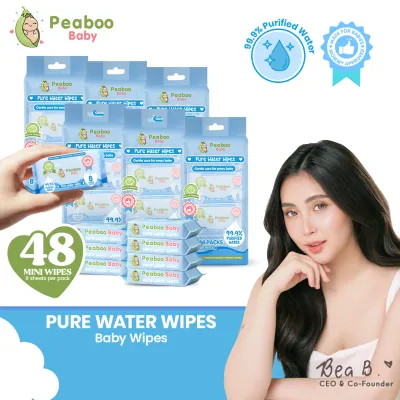
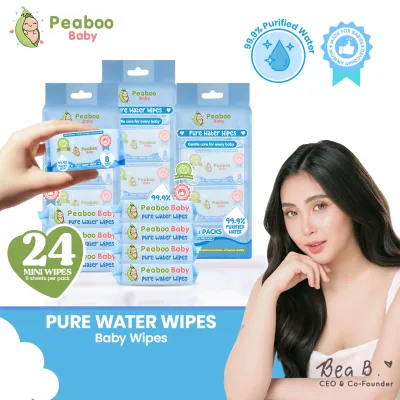
Prices are valid at publication and may change. Please refer to the product page for the latest price.
Next, consider the water quality used in the formulation. High-quality sensitive wipes often feature purified water, such as Reverse Osmosis (RO) or Electrodeionization (EDI) water. EDI water undergoes an advanced filtration process that uses electrical currents and specialized membranes to remove dissolved ions and impurities. This level of purity ensures that the liquid base of the wipe does not introduce trace minerals or contaminants that could react with your baby’s skin.
It is also essential to understand what common marketing claims actually mean. Terms like “dermatologically tested” or “hypoallergenic” indicate that the manufacturer has subjected the product to skin patch testing, but these terms are not globally standardized. Parents should look for brands that provide transparent access to their testing methodologies or carry certifications from recognized dermatological associations. “Pediatrician approved” claims should ideally be verified by checking if the brand shares clinical trial summaries or independent laboratory results.
Finally, do not overlook the physical characteristics of the wipe fabric. A wipe that is too thin or rough will require more physical friction to clean a mess, which can quickly irritate delicate skin. Look for thick, soft materials, such as spunlace non-woven fabric, which offer a gentle glide. Embossed textures, like 3D pearl patterns, are highly effective because they lift waste away from the skin with minimal passes, reducing the mechanical irritation caused by repeated wiping.
How to Evaluate Peaboo Baby Wipes for Sensitive Skin
To determine if Peaboo baby wipes are the right fit for your child, you must systematically verify their specific product details, material quality, and safety standards directly from the packaging and official manufacturer documentation.

Begin by reviewing the ingredient list printed on the back of the Peaboo package. Check for simplicity; a shorter ingredient list generally translates to a lower probability of an adverse skin reaction. Note whether the formulation relies on a minimalist water-and-preservative approach or if it incorporates soothing botanical extracts such as aloe vera, chamomile, or vitamin E. While these botanicals can offer moisturizing benefits, highly reactive babies may sometimes react to plant extracts, making it vital to match these ingredients against your baby’s known sensitivities.
Verify any specific sensitive skin certifications or safety declarations provided by the manufacturer. Look for explicit labels indicating that the wipes are free from alcohol, parabens, and artificial fragrances. Check if the packaging displays certifications from independent testing laboratories or local regulatory bodies, which confirm that the product has undergone rigorous safety assessments before reaching the market.
Assess the structural integrity and thickness of the Peaboo wipe material. When pulling a wipe from the dispenser, observe if it maintains its shape or stretches and tears easily. A high-quality sensitive wipe should have sufficient thickness (measured in GSM, or grams per square meter) to act as a reliable barrier between the mess and your hands. This thickness not only prevents tearing and leakage during diaper changes but also ensures the wipe holds enough moisture to clean effectively without drying out mid-use.
Lastly, check the manufacturer’s recommended age range and specific usage instructions. Some wipes are formulated specifically for the resilient skin of older infants, while others are designed to be gentle enough for the highly permeable skin barrier of newborns. Ensure the packaging explicitly states that the wipes are safe for sensitive skin and clarify which areas of the body they can be used on, as some formulations are safe for the diaper area but not recommended for the face or hands.
Comparing Peaboo Against Other Major Brands
When comparing Peaboo baby wipes to other popular brands available in local supermarkets and online marketplaces, a structured comparison based on ingredients, physical performance, and overall value will help you make the best decision.
Ingredient transparency is the first point of comparison. Some established brands provide exhaustive detail about every preservative and surfactant used, while others use broad terms that make it difficult to identify potential allergens. Compare Peaboo’s ingredient list side-by-side with competitors. Look for brands that prioritize a minimalist formulation, as wipes with fewer chemical additives are generally safer for compromised or highly sensitive skin barriers.
Moisture retention and physical durability are critical for practical daily use. In the warm, humid climate of the Philippines, wipes can dry out rapidly once the package is opened. Evaluate the packaging design of each brand; a sturdy plastic flip-top lid with a tight inner adhesive seal is far superior to a simple sticker seal at preserving moisture over time. Compare the physical size of the wipes as well. Larger, thicker wipes from premium brands may cost more upfront but often prove more efficient, as you may only need one wipe per diaper change compared to three or four thin wipes from a budget brand.
Cost efficiency is a major consideration for growing families. Calculate the cost per wipe by dividing the package price (in ₱) by the total sheet count. For example, a pack priced at ₱120 containing 80 wipes costs ₱1.50 per wipe. Compare this metric across Peaboo and its competitors to determine which brand offers the best balance of skin-safe ingredients and long-term household affordability. Keep in mind that the cheapest option may not always be the most economical if you end up using twice as many wipes per change.
Be sure to distinguish between a brand’s standard product line and its dedicated sensitive skin variant. Standard wipes often contain added perfumes and lighter fabrics designed for general use. When conducting your comparison, always match Peaboo against the specific “sensitive,” “fragrance-free,” or “pure water” lines of competing brands to ensure you are making an accurate, fair assessment of their skin-compatibility features.
Making the Final Choice for Your Baby's Skin
Selecting the ideal baby wipe ultimately comes down to a conditional decision based on your baby’s unique skin tolerance, your household budget, and product availability.
You should choose Peaboo baby wipes if your review of their packaging confirms that the ingredient list is free from your baby’s specific triggers, the fabric thickness meets your cleaning needs, and your baby tolerates the product well. Before committing to daily use, always perform a simple patch test. Gently swipe a single wipe on a small, clean patch of your baby’s inner arm or leg, wait 24 to 48 hours, and monitor the area closely for any signs of irritation.
Consider alternative brands if your baby has extremely reactive skin that requires a specialized, medical-grade formulation, such as 99.9% pure water wipes with zero botanical additives, or if you prefer wipes made from certified organic cotton. Additionally, if you require specific clinical certifications that are not clearly verified on Peaboo’s packaging, opting for an established clinical brand may provide greater peace of mind.
Regardless of any marketing claims or brand reputation, safety must always come first. Stop using any wipe brand immediately if you observe redness, dryness, peeling, bumps, or persistent diaper rash on your baby’s skin. Clean the area with plain water and soft cotton cloths instead, and consult a pediatrician or pediatric dermatologist to identify the underlying cause of the irritation and receive appropriate medical guidance.
Finally, it is highly practical to keep a verified backup brand on hand. Supply chain disruptions or stock shortages on local ecommerce platforms can occur unexpectedly. Having a secondary, pre-tested brand that your baby tolerates ensures you will not be forced to buy an untested, potentially irritating product in a hurry.
Frequently Asked Questions (FAQ)
Can I use baby wipes on a newborn's face and hands?
You must check the manufacturer’s packaging for explicit instructions regarding facial use, as the skin on a newborn’s face is significantly thinner and more sensitive than the diaper area. Avoid direct contact with the eyes and mouth to prevent irritation or accidental ingestion of the wipe’s liquid formula. For the first few weeks of life, many pediatricians recommend using sterile cotton balls dipped in warm, plain water for facial cleaning to minimize any risk of chemical exposure.
How should I store baby wipes to prevent them from drying out or growing mold?
Store baby wipe packs in a cool, dry place away from direct tropical sunlight and heat sources, which can dry out the moisture and compromise the effectiveness of the preservative system. Always ensure the plastic flip-top lid or adhesive seal is pressed firmly shut after every single use to lock in moisture. If you notice any unusual musty odors, dark spots, or changes in the texture of the wipes, discard the entire pack immediately to prevent exposing your baby’s skin to harmful mold or bacteria.

Community discussion
Share your experience or ask a question. Comments are reviewed before publication.