
When evaluating baby wipes for sensitive skin, there is no single universal winner, as the best choice depends entirely on your baby’s unique skin triggers and your family’s practical needs. Because formulations and manufacturing batches can vary, determining whether Peaboo or another popular brand is better requires a direct comparison of their ingredient lists, material quality, and real-world performance. This guide provides a structured framework to help you decode product labels, assess physical properties, and make a safe, informed decision for your baby’s delicate skin. In the tropical climate of the Philippines, where high humidity and heat can exacerbate diaper rash and skin irritation, choosing the right wipe is a critical daily decision for parents.
Key Criteria for Comparing Baby Wipes for Sensitive Skin
To establish a reliable baseline for evaluating any baby wipe, including Peaboo, you must first understand what makes a formulation suitable for sensitive skin. The primary goal of a sensitive wipe is to cleanse effectively without stripping the skin’s natural moisture barrier or introducing sensitizing agents.
When examining any package, the first step is to look for explicit ingredient exclusions. Standard wipes often contain ingredients that are perfectly fine for normal skin but highly irritating to compromised skin barriers. You should actively scan the label for the absence of drying alcohols, parabens, synthetic fragrances, and harsh preservatives like methylisothiazolinone (MIT). Fragrances, even those labeled as natural, are among the most common triggers for contact dermatitis in infants.
Products mentioned in this guide
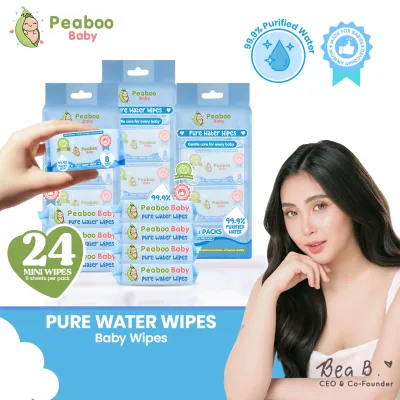
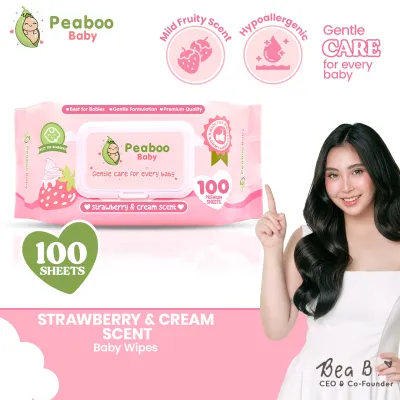
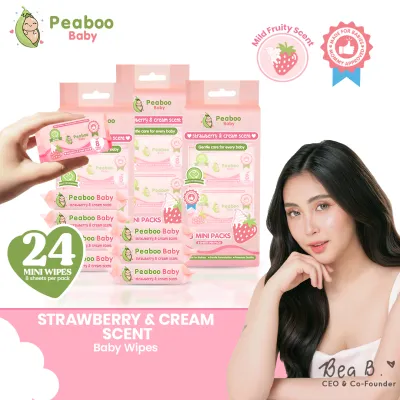
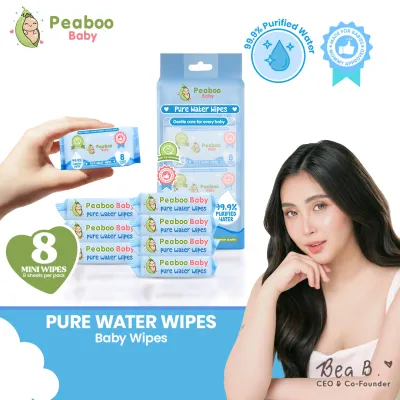
Prices are valid at publication and may change. Please refer to the product page for the latest price.
Another critical factor is the pH balance of the formulation. A baby’s skin surface has a naturally acidic pH, typically between 4.5 and 5.5, which helps maintain the skin barrier and protect against harmful bacteria. Wipes that are formulated to match this natural pH help prevent irritation, whereas alkaline or highly acidic solutions can disrupt this delicate balance. Additionally, the purity of the water used in the wipe—such as EDI (Electrodeionization) purified water or multi-stage filtered water—minimizes the risk of microscopic impurities irritating the skin.
Finally, the physical fabric of the wipe plays a major role in skin health. Plant-based fibers, such as spunlace non-woven cotton, bamboo, or wood pulp, are generally softer and more biodegradable than synthetic polyester blends. Synthetic fibers can sometimes feel rougher against the skin, increasing friction during wiping, which can worsen existing diaper rash or heat rash under humid tropical conditions.
How to Evaluate Peaboo Against Alternative Brands
Comparing Peaboo to other brands requires a systematic, hands-on approach rather than relying on marketing claims. By conducting a side-by-side label reading exercise, you can objectively weigh the differences between Peaboo’s specific formulation and other options available in local stores.

This comparison generally falls into two categories: minimalist water-based wipes and enriched sensitive skin formulations. Minimalist wipes typically contain 99% or more pure water with a minimal preservative system, while enriched formulations include soothing additives like aloe vera, chamomile, or vitamin E. Understanding which category your baby’s skin prefers is the key to making the right choice.
Ingredient and Formulation Checks
When decoding the ingredient list on a pack of Peaboo wipes and comparing it to alternative brands, look closely at the preservative system. Preservatives are necessary in wet wipes to prevent the growth of mold and bacteria in a moist package, but some preservatives are gentler than others. Avoid products containing formaldehyde-releasing agents or iodopropynyl butylcarbamate (IPBC), especially for babies under three months old.
Compare the total number of ingredients listed on the back of the packaging. A shorter ingredient list generally means fewer potential allergens. If your baby has highly reactive skin, a minimalist formula with only two or three ingredients may be safer than an enriched formula. However, if your baby’s skin is dry but not highly reactive, a formula containing skin-conditioning agents like glycerin or organic plant extracts might provide a helpful moisturizing barrier.
Additionally, look for third-party verifications printed on the packaging. While marketing terms like “hypoallergenic” are not strictly regulated, certifications from recognized dermatological associations, pediatric testing seals, or allergy-safe badges provide an extra layer of reassurance. Always verify these claims by checking if the specific testing standards or certifying bodies are clearly stated on the label.
Material, Texture, and Moisture Levels
The physical properties of a wipe directly impact how much friction is applied to your baby’s skin during a diaper change. To evaluate this, pull a single wipe from a Peaboo pack and compare it to an alternative brand. Feel the thickness and weight of the fabric; thicker wipes generally provide a better barrier for your hands and require fewer sheets per change, reducing the overall friction on the baby’s skin.
Observe the texture of the wipe, noting whether it is flat or embossed with a pattern. Embossed patterns can help lift mess more efficiently with fewer wipes, but they must remain soft to the touch. A rough or stiff texture can cause micro-tears in the skin barrier, especially when wiping repeatedly during bouts of diarrhea or heat-induced diaper irritation.
Moisture retention is another critical variable to test. Squeeze a wipe to see how much liquid it holds. A wipe that is too dry will drag against the skin, causing friction and incomplete cleaning. Conversely, a wipe that is oversaturated can leave excess moisture in the skin folds, which, in the humid Philippine climate, can lead to skin maceration and fungal infections. The ideal wipe should feel damp but not dripping, retaining its moisture consistently from the first sheet to the last one in the pack. Finally, stretch the wipe to check its structural integrity; it should not tear easily, leave lint behind, or pill during use.
Price and Value Considerations in the Philippines
Managing a household budget in the Philippines requires looking beyond the initial price tag on the shelf. When comparing Peaboo to other sensitive baby wipes in local supermarkets or online marketplaces, you must calculate the true cost per wipe to determine actual value.
To do this, divide the total price of the pack by the number of individual wipes inside. For example, a pack costing ₱120 with 80 wipes has a unit cost of ₱1.50 per wipe. Compare this unit cost across different packaging sizes and brands. Often, what seems like a cheaper upfront purchase actually costs more per wipe because the pack contains fewer sheets.
Take advantage of bulk buying options, multi-pack bundles, and subscription discounts offered by official brand stores on local e-commerce platforms. Buying in bulk can significantly lower the cost per wipe, making premium sensitive formulations more affordable over time. However, avoid buying large quantities of a new brand, including Peaboo, until you have tested a single small pack on your baby’s skin to ensure compatibility.
It is also important to balance premium pricing against your baby’s actual skin needs. If your baby does not have highly sensitive skin or active rashes, you may not need to pay a premium for specialized, ultra-minimalist water wipes for every single change. You might choose to use a more affordable, standard sensitive wipe for daily wet diapers and reserve premium, extra-gentle wipes for bowel movements or periods of active skin irritation.
Decision Framework: Choosing the Right Wipe for Your Baby
To finalize your choice between Peaboo and alternative brands, use this conditional decision framework based on your baby’s skin condition, your budget, and local availability.
You should choose Peaboo wipes if you have reviewed their specific ingredient list and found no known triggers for your baby, and if you find that their thickness, texture, and moisture levels perform well during daily diaper changes within your target budget. This option is ideal for parents looking for a reliable, everyday sensitive wipe that balances physical durability with a gentle formulation.
You should choose alternative minimalist water-based wipes if your baby has extremely reactive skin, active diaper rash, or has previously reacted to standard sensitive wipes. Minimalist wipes, which typically contain 99% water and a single mild preservative, minimize the risk of contact dermatitis by eliminating botanical extracts, essential oils, and complex conditioning agents entirely.
You should choose widely available standard sensitive wipes from major local brands if budget constraints are your primary concern or if you live in an area where specialized brands are difficult to source quickly. Standard sensitive wipes are easily accessible in local physical supermarkets and neighborhood drugstores across the Philippines, ensuring you never run out of supplies unexpectedly.
Regardless of the brand you choose, if your baby has diagnosed eczema, severe allergies, or a compromised skin barrier, you must consult a pediatrician or pediatric dermatologist before introducing any new product. A healthcare professional can help identify specific chemical triggers and recommend medical-grade skincare routines tailored to your baby’s needs.
Frequently Asked Questions (FAQ)
Can I use baby wipes on a newborn's face and hands?
Always check the product packaging for specific manufacturer guidelines regarding use on the face and hands. A newborn’s facial skin is significantly thinner and more sensitive than the skin in the diaper area, making it more susceptible to irritation from preservatives or mild surfactants. If you choose to use wipes on your baby’s face, ensure the label explicitly states it is safe for facial use, or stick to a clean, soft cotton cloth dampened with plain water.
What should I do if my baby develops a rash after switching wipes?
If you notice redness, small bumps, or signs of discomfort after switching to a new wipe brand, stop using the product immediately. Revert to using plain, lukewarm water and soft, reusable cotton cloths or cotton balls to clean the diaper area during changes. Pat the skin completely dry with a clean towel instead of rubbing, and apply a thin layer of a zinc oxide-based barrier cream. Monitor the skin closely, and consult a qualified healthcare professional if the rash does not improve within a few days or if it shows signs of infection, such as blisters or pus.
Community discussion
Share your experience or ask a question. Comments are reviewed before publication.